
The Budgeting Balancing Act: Key Factors Shaping Filipino Students' Financial Management
A comprehensive review of research on the complex elements influencing how students in the Philippines navigate their monthly finances
Essential Insights into Student Budgeting in the Philippines
- Financial literacy levels and parental guidance significantly impact students' ability to develop effective budgeting strategies
- Socioeconomic factors including inflation (6.3% in 2023) and regional cost variations create unique budgeting challenges for Filipino students
- Most Filipino students prioritize saving for emergencies but often lack structured budget planning and investment knowledge
Understanding the factors that influence how students in the Philippines manage their monthly finances provides critical insights into financial literacy development and economic well-being among young adults. This review synthesizes research on the multiple dimensions affecting student budgeting strategies in the Philippine context, highlighting both internal and external factors that shape financial decision-making.
Financial Literacy and Knowledge Foundations
Research consistently identifies financial literacy as a fundamental factor in student budgeting effectiveness. According to studies conducted in the Philippines, students' understanding of basic financial concepts directly influences their ability to create and maintain viable budgets. The depth of financial knowledge correlates strongly with more disciplined spending patterns and better allocation of limited resources.
A study published on ResearchGate by Randy R. Peralta et al. (2023) emphasized that students' budgeting techniques require careful consideration to ensure wise financial decisions. This research noted that students must grasp fundamental decision-making principles to make prudent financial choices and understand the long-term consequences of these decisions.
Notably, financial literacy levels vary significantly among Filipino students. Research indicates that many students lack formal financial education, as these topics are not consistently integrated into standard academic curricula. This knowledge gap manifests in budgeting challenges and can lead to financial stress during academic years.
Income Sources and Financial Support
The diversity of income sources represents another critical factor affecting budgeting strategies. Filipino students typically rely on several financial channels:
- Parental allowances (primary source for most students)
- Part-time employment earnings
- Scholarships and financial aid
- Government assistance programs
A survey among Grade 12 students in the Philippines revealed that 67% received weekly allowances of PHP 100-350, while 13% received PHP 351-500 per week. These varying income levels directly impact budgeting approaches and spending priorities. Students with regular income from part-time jobs often demonstrate different allocation patterns compared to those relying solely on family support.
Regional Variations in Student Finances
Research highlights significant regional differences in student budgeting requirements across the Philippines. Students in metropolitan areas like Manila face substantially higher living costs compared to those in provincial areas. According to discussions on social platforms, a monthly budget of PHP 5,000 to PHP 10,000 is considered reasonable for a college student in Manila who lives in a dormitory with access to affordable food options—though this varies widely based on lifestyle factors.
Socioeconomic Factors and External Pressures
The broader economic environment in the Philippines creates a challenging backdrop for student budgeting. Inflation represents a particularly significant pressure point that affects purchasing power and necessitates budget adjustments.
Impact of Inflation on Student Budgeting
According to the Philippine Statistics Authority, inflation reached 6.3% in August 2023—the highest level in over four years. This economic pressure stemmed from rising food and energy prices, a weakening peso, and supply chain disruptions. For students operating on fixed allowances, such inflation creates a challenging environment that requires more strategic budgeting and often necessitates difficult choices between competing needs.
Research by Abawag, C.F.N et al. (2019) found that Filipino students primarily direct their spending toward transportation and educational needs. Rising costs in these essential categories force students to reassess budget allocations regularly, sometimes at the expense of savings or emergency funds.
Parental Influence and Financial Dependence
Studies consistently identify parental influence as a critical factor in shaping student budgeting behaviors. In the Philippine context, where many students remain financially dependent on family support throughout their education, parental attitudes toward money management often transfer to students' own financial practices.
Research indicates that students from families with strong financial literacy and disciplined spending habits typically demonstrate more effective budgeting strategies. Conversely, students from households with less structured financial management may struggle to develop sound budgeting practices without additional guidance.
Behavioral and Psychological Factors
The radar chart above illustrates the comparative influence of various factors on different student demographics in the Philippines. Urban students show greater susceptibility to peer influence and marketing, while rural students demonstrate stronger parental guidance impact. Working students exhibit higher financial literacy but face increased economic pressure.
Saving Attitudes and Financial Goals
Research on Filipino students' financial behaviors reveals interesting patterns regarding saving attitudes. A study conducted by Bona, J.T. (2018) examining Business Administration students at Mountain Province State Polytechnic College found that most respondents prioritized saving for long-term goals but lacked investment knowledge for insurance or wealth-building purposes.
The same study revealed that while many students tracked expenditures, a significant number failed to create structured budget plans, resulting in overspending. This pattern suggests a disconnect between financial awareness and practical implementation of budgeting strategies.
Additional research by Abawag, C.F.N et al. (2019) found that Filipino students commonly prefer bank savings accounts as their primary saving avenue, with emergency funds being the primary saving goal. This conservative approach reflects risk aversion but may limit long-term financial growth opportunities.
Peer Influence and Social Pressure
Peer influence emerges as a significant factor affecting budgeting decisions, particularly in university settings. Research indicates that social activities and conformity to peer spending patterns can create pressure that disrupts planned budgeting strategies. Students often struggle to balance social participation with financial discipline, especially when surrounded by peers with different financial resources.
Studies on Filipino youth consumer behavior highlight how brand consciousness and social status concerns influence spending priorities, sometimes at the expense of more essential budget categories. This social dimension adds complexity to student budgeting beyond purely economic considerations.
Visualization of Factors Affecting Student Budgeting
The following mindmap illustrates the interconnected factors that influence Filipino students' monthly budgeting strategies, based on the reviewed literature. This visualization helps to understand how various internal and external elements interact to shape financial decision-making among students.
Common Budget Categories for Filipino Students
The following table presents common budget categories for Filipino students along with typical allocation ranges and prioritization levels based on the reviewed studies. This provides a practical framework for understanding how students in the Philippines typically structure their monthly budgets.
| Expense Category | Typical Allocation (%) | Priority Level | Common Strategies |
|---|---|---|---|
| Food & Groceries | 30-40% | High | Meal preparation, canteen meals, shared cooking |
| Transportation | 15-25% | High | Public transit, walking when possible, carpooling |
| Housing/Accommodation | 20-40% | High | Dormitories, shared apartments, living with relatives |
| Academic Materials | 10-15% | High | Second-hand books, digital resources, shared materials |
| Communications | 5-10% | Medium | Prepaid plans, WiFi sharing, promo subscriptions |
| Entertainment/Social | 5-15% | Low-Medium | Budget-friendly activities, student discounts |
| Savings | 5-15% | Medium | Bank accounts, emergency funds, digital wallets |
| Personal Care | 5-10% | Medium | Budget brands, bulk purchases, DIY alternatives |
Visual Reference: Student Budgeting in the Philippines
The following images illustrate key aspects of student budgeting practices and challenges in the Philippines:
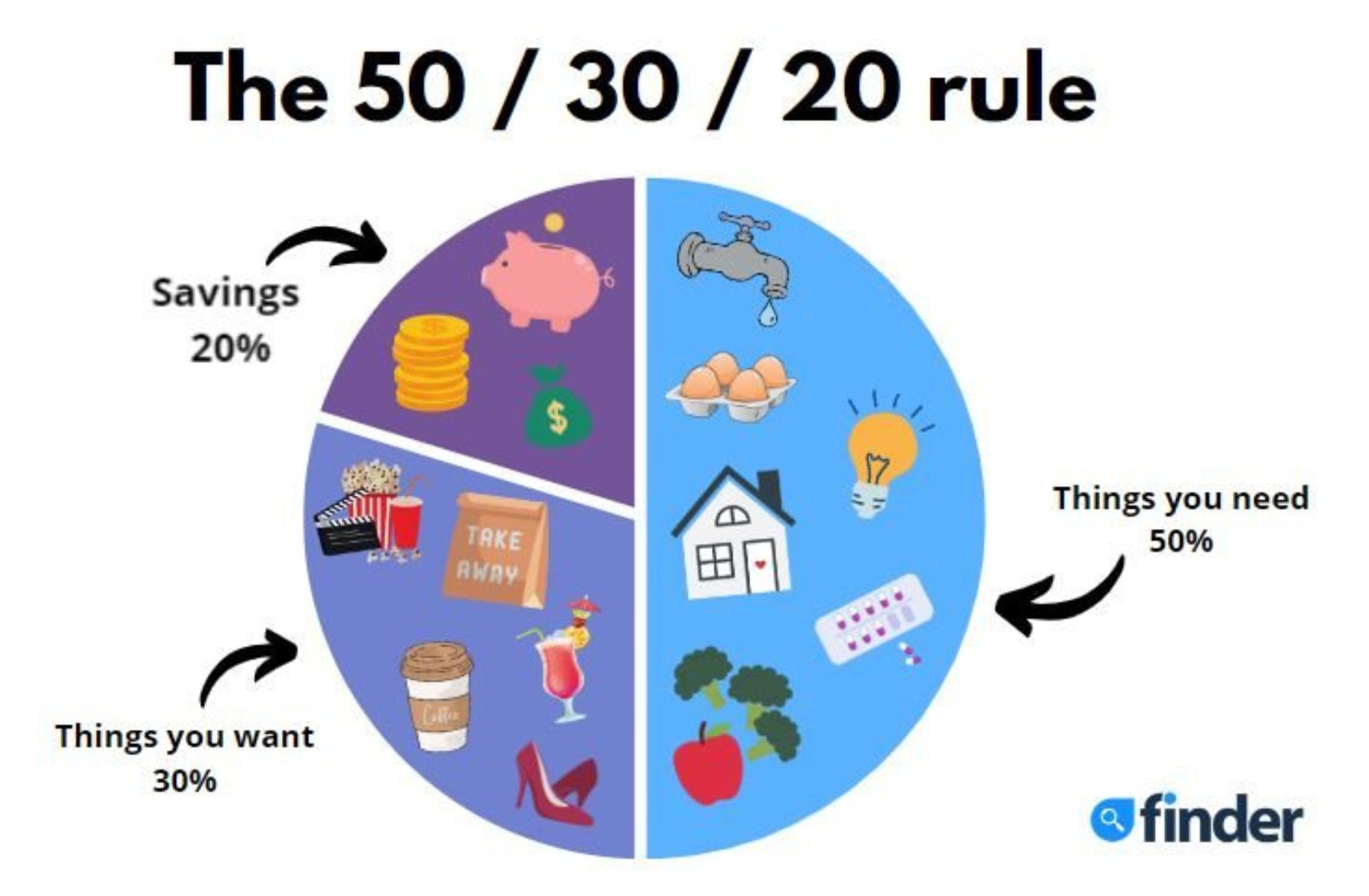
Filipino students employ various budgeting strategies, from traditional cash envelope systems to digital tracking apps. Research indicates that physical cash management remains popular among many students, with envelope systems allowing for visual categorization of expenses. However, digital financial tools are gaining traction, particularly among urban university students.
Practical Insights: Student Budgeting Strategies
This video demonstrates practical budgeting techniques used by Filipino students. It showcases realistic money management rules and a simple budgeting system followed by a college student. The video provides valuable real-world context to the academic research discussed in this review, highlighting how theoretical concepts translate into daily financial practices.
According to studies on Filipino student financial management, successful budgeting strategies typically incorporate:
- Regular expense tracking (daily or weekly)
- Categorization of expenses (needs vs. wants)
- Emergency fund allocation (even small amounts)
- Flexible adjustment mechanisms for unexpected expenses
- Goal-oriented saving practices
Research by Contante et al. (2019) emphasizes that budgeting strategies require ongoing attention and adjustment as students progress through their academic careers and face changing financial circumstances.
Frequently Asked Questions
References
- Budgeting Strategies of Financial Management Students: A Basis for Investment Decision - ResearchGate
- Money Management Practices of Students in State Universities and Colleges - Philippine EJournals
- Spending Behavior: Monthly Allowance Affecting General Weighted Average of Business Management Students - IJARIIE
- How Does Inflation Affect Students in the Philippines? - My Dream in a Shoebox
- What are reasonable monthly expenses for a college student in Manila? - Reddit r/Philippines
- How to Save Money as a Student in the Philippines - PesoWiseMom
- Factors Affecting Student Financial Literacy - Ilomata International Journal
Recommended Queries
Last updated April 8, 2025