
Financial and Legal Instruments in Modern Economics
Exploring the foundations that shape risk, capital, and regulatory frameworks
Key Highlights
- Comprehensive Roles: Understanding how financial and legal instruments facilitate capital allocation, risk management, and economic growth.
- Interdependency: The essential interconnection between market instruments and legal frameworks that ensure enforceability and market stability.
- Systematic Structure: A detailed classification of instruments and their specific functions in diverse economic contexts.
Introduction to Financial and Legal Instruments
Modern economies are built around a series of sophisticated mechanisms that facilitate transactions, manage risk, and provide the necessary legal framework to ensure economic stability. Financial instruments, including debt, equity, and derivatives, serve as essential tools to mobilize capital and mitigate uncertainties in the market. In parallel, legal instruments such as contracts, deeds, and agreements underpin these financial transactions ensuring that rights and obligations are clearly defined and legally enforceable.
Understanding Financial Instruments
Categories and Functions
Financial instruments can be broadly divided into several categories, each fulfilling specific roles designed to support capital markets in their quest to raise funds and manage risks. The main categories include:
1. Debt Instruments
Debt instruments consist of securities like bonds and loans, which represent an obligation between the issuer and the investor. Borrowers issue these instruments to raise funds while committing to repay the principal amount along with an agreed-upon interest. They are vital for both governments and private organizations, providing a significant source of external capital.
2. Equity Instruments
Equity instruments, most notably stocks, represent ownership in a company. When investors buy shares, they obtain a stake in the business along with the potential to receive dividends and benefit from capital appreciation. These instruments are crucial for companies seeking both credibility and long-term funding.
3. Derivative Instruments
Derivatives are sophisticated contracts whose value is derived from underlying assets such as stocks, commodities, or currencies. They include products like options, futures, and swaps, which are primarily used for hedging risk or speculating on market movements. Their complexity allows market players to manage exposure to fluctuations in prices, interest rates, and other economic variables.
Key Functions of Financial Instruments
The functioning of financial instruments extends beyond mere capital raising:
- Capital Allocation: They channel funds from savers to businesses, ensuring that capital flows to projects with promising returns. This process is crucial for economic expansion and innovation.
- Risk Management: Tools like derivatives help in managing financial risks by enabling entities to hedge against adverse market conditions. This risk mitigation ensures steady operations even during volatile market environments.
- Market Liquidity: Well-designed financial instruments provide liquidity, allowing continuous trading activity and facilitating dynamic price discovery mechanisms. This liquidity ensures that markets can efficiently respond to investors’ and issuers’ needs.
- Price Discovery: Financial assets traded within regulated markets are subject to transparent price discovery, which is fundamental for both buyers and sellers to gauge the true value of assets.
Exploring Legal Instruments
Structure and Components
Legal instruments provide the regulatory and contractual infrastructure that supports financial transactions. They are a collection of documents and agreements that articulate the rights, obligations, and responsibilities of all parties involved. These instruments ensure that financial activities are conducted with legal certainty.
1. Contracts and Agreements
Contracts are the backbone of legal instruments. They detail the terms and conditions under which financial transactions occur. This encompasses loan agreements, partnerships, equity issuances, and derivative contracts, all of which are legally binding to protect the interests of each party involved.
2. Regulatory Documents
These include statutes, regulations, and policy documents that govern market behavior. Regulatory frameworks are vital in maintaining market integrity, curbing fraudulent practices, and ensuring that financial transactions adhere to national and international laws.
Critical Roles of Legal Instruments in Economic Activities
Legal instruments fulfill several essential roles in modern economies:
- Enforceability: They create a legal basis for enforcing contracts and ensuring that stakeholders meet their commitments, hence fostering trust and reliability in commercial engagements.
- Risk Mitigation: By clearly outlining the rights and duties of parties involved, legal instruments reduce uncertainties and legal risks. This clarity can be crucial in managing financial disputes and ensuring market discipline.
- Investor Protection: Strong regulatory documents and legal frameworks protect the interests of investors and creditors, thereby enhancing the overall confidence in financial markets and attracting further investment.
- Economic Order: Legal instruments ensure that economic activities proceed within the boundaries of established laws, thus fostering a predictable and stable market environment in which businesses can thrive.
Interdependency between Financial and Legal Instruments
Synergistic Relationship
The modern economic landscape thrives on the synergistic relationship between financial and legal instruments. Neither can function effectively in isolation. While financial instruments are the vehicles for investment, liquidity, and risk management, legal instruments ensure that these processes remain transparent, enforceable, and in compliance with regulatory standards.
The Role of Legal Instruments in Enhancing Market Confidence
Financial markets depend heavily on the legal foundation that supports them. By ensuring that transactions are executed within a secure legal framework, legal instruments help maintain market integrity. Investors and market participants gain confidence from the fact that any breach or non-compliance can be rectified through legal channels, thereby reducing overall systemic risk.
Supporting Economic Growth and Stability
The cooperative functioning of these instruments not only contributes to risk reduction but is also pivotal in sustaining economic growth. When companies raise capital through financial instruments and secure these transactions with robust legal agreements, they open new avenues for investment. This dynamic catalyzes further economic development, ensuring that investments yield profitable and sustainable returns.
Facilitating International Trade and Investment
In an increasingly globalized economy, cross-border transactions require a harmonized approach where both financial and legal instruments play crucial roles. Internationally accepted legal standards and financial products ensure that transactions are smooth and dispute mechanisms are effective, thereby promoting international investments and trade.
Detailed Comparison: Financial vs. Legal Instruments
To further illustrate the complementary roles of financial and legal instruments, the following table summarizes their primary characteristics and functions:
| Aspect | Financial Instruments | Legal Instruments |
|---|---|---|
| Function | Capital allocation, risk management, liquidity provision, price discovery | Contract enforcement, regulatory compliance, risk mitigation, rights protection |
| Examples | Stocks, bonds, derivatives, commodities | Contracts, deeds, agreements, regulatory statutes |
| Usage | Used to mobilize funds, trade assets, hedge risks | Used to detail obligations, enforce rules, provide investor protection |
| Market Impact | Enhances liquidity and supports capital market operations | Establishes legal certainty and stability in financial transactions |
| Interdependency | Relies on legal frameworks to function optimally | Provides support and legality to financial transactions |
| Examples of Interaction | Issuance of bonds and stocks | Legal contracts and regulatory filings accompanying financial offerings |
Impact on Economic Systems and Policy Implementation
Financial Instruments as Catalysts for Capital Formation
Financial instruments are instrumental in ensuring that capital flows efficiently from investors seeking returns to entities in need of funds for growth. When companies issue stocks or bonds, they not only raise the necessary capital for expansion but also create investment opportunities for a diverse range of market participants. This capacity for mobilizing resources is central to fostering innovation and generating employment, thereby directly impacting the overall economic well-being.
Influence on Monetary Policy and Risk Regulation
Through the use of derivatives and other complex instruments, financial markets allow for effective hedging of risks, which also informs how monetary policies are structured. Central banks and regulatory authorities keep a close eye on these instruments to better understand market dynamics and volatility. Policies are then crafted to ensure that financial markets remain resilient to shocks while continuing to function efficiently.
Legal Instruments and the Enforcement of Compliance
The establishment of legal frameworks is crucial for enforcing governmental policies and regulatory requirements. Various international and domestic legal standards now dictate how financial transactions should be executed, thereby providing a safety net for financial systems against malpractices. The existence of a clear legal framework helps in reducing the incidence of fraud and over-leveraging, both of which can pose a threat to financial stability.
Investor Confidence and Market Regulation
Investors are more willing to participate in the market when they are assured that robust legal instruments back their investments. Investor protection laws and enforcement mechanisms not only build market confidence but also serve as deterrents against fraudulent behavior. These factors contribute to a healthier economic environment where risk is minimized, and transparency prevails.
Support for Regulatory Bodies
Regulatory bodies depend on established legal instruments to monitor and supervise market activities. These legal frameworks empower such bodies to impose sanctions, regulate market practices, and provide a structured intervention whenever systemic risks emerge. Laws that govern financial transactions ensure that market liquidity and fairness are maintained, aligning economic growth with sound policy measures.
Case Studies and Real-World Applications
Practical Examples from Global Markets
Real-world applications of financial and legal instruments can be observed across diverse markets:
- The Bond Market: Governments and corporations tap into the bond market for large-scale capital raising. Bonds, as debt instruments, ensure that capital is available to fund public projects or expand business operations while legal contracts guarantee the repayment terms.
- Equity Markets: Stock exchanges enable companies to list shares, providing liquidity and a platform for long-term investments. The legal documentation accompanying equity issues—such as prospectuses and underwriting agreements—ensure that investors have access to accurate information and regulatory oversight.
- Derivatives Trading: In major financial hubs, derivatives markets allow for complex risk management strategies. These markets are underpinned by rigorous regulatory and legal standards to shield against systemic risks, ensuring that both parties in derivative contracts maintain their obligations.
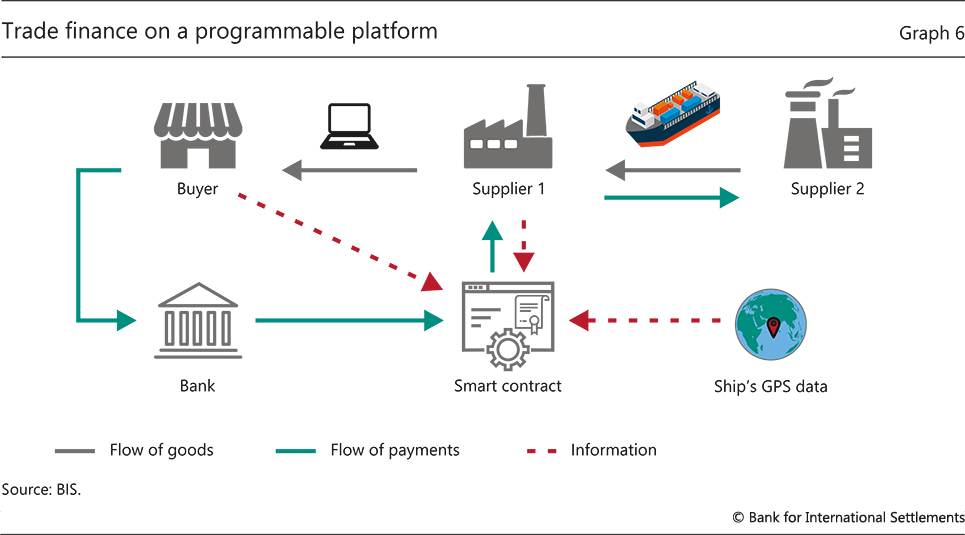
- International Trade Finance: Letters of credit, trade agreements, and other legal instruments facilitate cross-border trade. Financial instruments such as trade receivables and commodity futures are closely tied to robust legal frameworks, ensuring that international transactions meet both economic and legal standards.
These examples illustrate how the effective integration of financial and legal instruments can stimulate growth, facilitate risk management, and promote a stable investment climate.
Future Trends and Evolving Landscapes
Technological Integration and Innovation
As technology continues to evolve, so too do financial and legal instruments. Developments in automation, digital currencies, and blockchain technology are reshaping how these instruments are structured and enforced. Financial innovations such as smart contracts not only streamline the investment process but also embed legal compliance directly into digital transactions. These innovations have the potential to reduce costs, enhance transaction speed, and improve regulatory oversight.
Blockchain and Smart Contracts
Blockchain technology provides a decentralized ledger that ensures transparency and immutability in financial transactions. Smart contracts, which are self-executing agreements with the terms directly written into code, bridge the gap between financial and legal instruments. They reduce the need for intermediaries while ensuring that contractual obligations are automatically enforced.
Digitization and E-Governance
The digitization of legal documents and financial records has transformed regulatory practices. E-governance platforms now allow seamless compliance monitoring, ensuring that financial markets remain robust and transparent. This digitization not only simplifies administrative processes but also enhances the speed and accuracy of regulatory compliance.
References
- Financial Instruments Explained: How They Work, Types, and Examples - SuperMoney
- Instrument: Definition in Finance, Economics, and Law - LiveWell
- Understanding Financial Instruments: Debt, Equity, Derivatives, and Economic Variables - FinanceFacts101
-
Financial Instrument - ScienceDirect Topics
- Financial Law - Wikipedia
Recommended Related Queries
Last updated March 5, 2025