
Comprehensive Financial Literacy Workshop Series for Accounting Students
A Step-by-Step Guide to Planning, Execution, and Evaluation
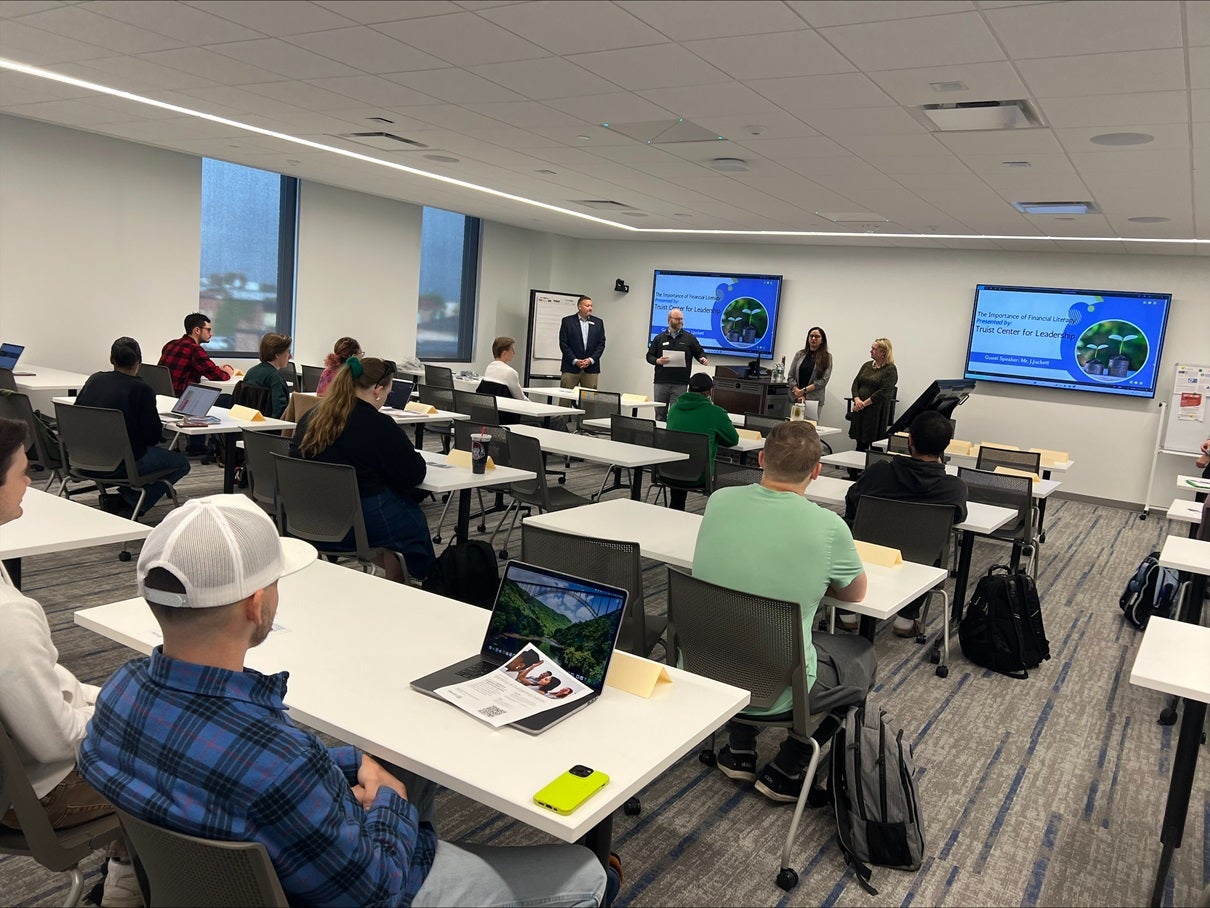
Highlights
- Structured Planning: Detailed schedule from preparation to post-workshop evaluation.
- Diverse Topics: Sessions covering budgeting, credit, investments, tax planning, and more.
- Interactive Implementation: Integration of real-time feedback, practical exercises, and technology tools.
Introduction
Financial literacy is a crucial skill in today’s competitive economy, particularly for accounting students who must grasp both theoretical and practical aspects of finance. A well-organized workshop series not only provides fundamental financial knowledge but also offers hands-on experience that bridges academic learning and real-world financial management. This comprehensive guide details how to create and execute an effective financial literacy workshop series, using a Gantt chart to outline tasks, milestones, and dependencies.
In this guide, we cover all aspects from planning to follow-up evaluations. Each phase of the workshop series is defined with clear objectives, session topics, timeframes, and necessary resources. Our structured approach will assist educators and organizers in delivering a series that is both comprehensive and engaging.
Workshop Series Overview
The workshop series is aimed at accounting students seeking to enhance their financial literacy through practical sessions. The overall objective is to provide insights into critical financial topics such as budgeting, credit management, investment strategies, tax planning, retirement, and ethical financial practices, while also incorporating interactive activities and feedback mechanisms.
Phases of the Workshop Series
The comprehensive workshop series is divided into three main phases: Preparation, Execution, and Evaluation. Each phase comprises multiple modules and tasks that ensure a smooth flow of activities:
- Phase 1: Preparation and Planning – from initial objectives development and curriculum design to securing required resources such as speakers and venues.
- Phase 2: Workshop Series Execution – covering multiple sessions with specific themes, each designed to focus on key aspects of financial literacy.
- Phase 3: Follow-Up and Evaluation – ensuring that feedback is collected, the content is refined, and future iterations are planned with continuous improvement in mind.
Detailed Workshop Schedule and Gantt Chart
Phase 1: Preparation and Planning
Objectives and Curriculum Development
The planning phase involves setting clear objectives for the workshop series followed by curriculum development. Key elements to cover include:
- Identifying key learning outcomes related to financial literacy.
- Listing module topics such as Personal Finance Management, Credit and Debt, Investments, Tax Planning, and more.
- Designing detailed lesson plans and interactive activities.
- Securing guest speakers and industry experts to provide practical insights.
- Reserving a venue or setting up a virtual platform for online sessions.
Tasks and Milestones in Planning
To streamline the planning process, consider breaking down these tasks into specific milestones:
| Task | Start Date | End Date | Duration |
|---|---|---|---|
| Project Kick-Off & Planning Meeting | Feb 20, 2025 | Feb 20, 2025 | 1 day |
| Curriculum and Content Development | Feb 21, 2025 | Mar 10, 2025 | 18 days |
| Speaker & Resource Coordination | Feb 25, 2025 | Mar 5, 2025 | 9 days |
| Venue Booking/Online Platform Setup | Mar 6, 2025 | Mar 8, 2025 | 3 days |
| Marketing & Promotion | Mar 9, 2025 | Mar 20, 2025 | 12 days |
It is essential that these tasks are well coordinated and any dependencies between tasks are clearly identified. For instance, the completion of curriculum development should precede the marketing phase to ensure the promotional materials have accurate session details.
Phase 2: Workshop Series Execution
Session Overviews and Key Topics
The execution phase typically involves conducting a series of sessions spread over several weeks. Each session is dedicated to a specific module, ensuring that the content flows logically and builds upon previous lessons. Below is an outline of a potential schedule for a 6-module series spanning from April to June 2025.
| Module | Date | Topics Covered | Duration |
|---|---|---|---|
| Personal Financial Management | April 5, 2025 | Budgeting fundamentals, personal cash flow, expense tracking | 2 hours |
| Credit and Debt Management | April 19, 2025 | Understanding credit scores, debt reduction, managing loans | 2 hours |
| Investment Fundamentals | May 3, 2025 | Basics of investments, asset allocation, risk management, retirement planning | 2 hours |
| Tax Planning and Compliance | May 17, 2025 | Tax planning strategies, understanding tax obligations, tax-efficient decisions | 2 hours |
| Professional Financial Planning | June 7, 2025 | Career financial planning, salary negotiation, setting professional financial goals | 2 hours |
| Advanced Financial Technologies | June 21, 2025 | Exploring fintech tools, digital financial management and emerging technologies | 2 hours |
Each module is designed to target a specific area of financial literacy. For instance, the Personal Financial Management module will help students understand how to maintain budgets and track expenses, while the Credit and Debt Management session will delve into managing credit scores and reducing debt. By maintaining a structured sequence, students build on their knowledge progressively.
Execution Details and On-the-Day Requirements
On the day of each session, organizers should consider the following guidelines:
- Ensure that all presentation materials and interactive elements are ready and tested beforehand.
- Have a clear agenda for each session to maintain focus and engagement.
- Utilize interactive tools such as real-time polls, Q&A segments, or breakout discussion groups.
- Record sessions (if applicable) to allow for later revision or for students who could not attend live.
- Allocate time for a brief recap at the start of each subsequent session to reinforce key points from previous sessions.
Phase 3: Evaluation and Post-Workshop Follow-Up
Feedback Collection and Adjustment
Following the completion of the workshop series, it is vital to evaluate its success and gather participant feedback. Evaluation should include:
- Distributing feedback forms and surveys at the end of the final session.
- Running a dedicated Q&A or networking session to capture qualitative insights.
- Collecting data on participant engagement, session attendance, and overall satisfaction.
- Analyzing the effectiveness of the content delivered and adjusting future modules based on responses.
This feedback loop is essential not only to gauge immediate reactions but also to inform continuous improvements for future workshop series.
Wrap-Up and Reporting
The final component of the workshop series is the capstone session, which serves as a comprehensive review along with a networking opportunity. Key items include:
- Review session covering all the modules and reinforcing key concepts.
- Open floor discussion and Q&A session for addressing any lingering questions.
- Networking opportunities which can help students connect with industry professionals.
- Final reporting and recommendations for future iterations of the workshop.
Integrated Gantt Chart Outline
The following table represents an integrated Gantt chart outline that visualizes the complete timeline, including all phases from planning to post-workshop evaluation:
| Phase/Task | Start Date | End Date | Duration | Dependencies |
|---|---|---|---|---|
| Kick-Off Meeting & Objective Setting | Feb 20, 2025 | Feb 20, 2025 | 1 day | - |
| Curriculum & Content Development | Feb 21, 2025 | Mar 10, 2025 | 18 days | Kick-Off Meeting |
| Speaker & Resource Coordination | Feb 25, 2025 | Mar 5, 2025 | 9 days | Kick-Off Meeting |
| Venue Booking / Online Setup | Mar 6, 2025 | Mar 8, 2025 | 3 days | Curriculum Development |
| Marketing & Promotion | Mar 9, 2025 | Mar 20, 2025 | 12 days | Kick-Off & Content |
| Module 1: Personal Financial Management | Apr 5, 2025 | Apr 5, 2025 | 2 hours | Marketing Complete |
| Module 2: Credit & Debt Management | Apr 19, 2025 | Apr 19, 2025 | 2 hours | Module 1 |
| Module 3: Investment Fundamentals | May 3, 2025 | May 3, 2025 | 2 hours | Module 2 |
| Module 4: Tax Planning & Compliance | May 17, 2025 | May 17, 2025 | 2 hours | Module 3 |
| Module 5: Professional Financial Planning | June 7, 2025 | June 7, 2025 | 2 hours | Module 4 |
| Module 6: Advanced Financial Technologies | June 21, 2025 | June 21, 2025 | 2 hours | Module 5 |
| Capstone Session & Networking | July 1, 2025 | July 1, 2025 | 3 hours | All Modules |
| Post-Workshop Evaluation & Reporting | July 2, 2025 | July 7, 2025 | 6 days | Capstone Session |
Logistics and Technology Integration
Technological Tools and Online Platforms
Leveraging technology is key to enhancing the interactivity and accessibility of your workshops. Consider the following technological integrations:
- Learning Management Systems (LMS): Use platforms such as Moodle or Canvas to host pre-session materials, quizzes, and discussion boards.
- Video Conferencing Tools: Incorporate live sessions using Zoom, Microsoft Teams, or Google Meet to allow real-time interaction.
- Interactive Tools: Utilize tools like Kahoot, Poll Everywhere, or Mentimeter to engage students during sessions.
- Recording and Streaming: Record live sessions for students who cannot attend or for revision purposes, ensuring accessibility post-event.
- Feedback Solutions: Implement digital survey tools to collect immediate post-session feedback.
Resource Allocation and Task Dependencies
Effective resource allocation is a cornerstone of successful event planning. When scheduling the workshop series, emphasize the dependency among tasks. For instance:
- Curriculum development must be finalized before launching marketing campaigns.
- Speaker selection and confirmation should overlap with content development to tailor the sessions effectively.
- Venue or online platform setup must be confirmed before promotional materials are produced.
Allocating resources such as budget, technical equipment, and human resources ensures that potential bottlenecks are minimized. Regular meetings and progress reviews are necessary to maintain the project timeline.
Best Practices and Practical Considerations
Pre-Workshop Preparations
Material Preparation and Distribution
Prior to the first session, ensure that all educational materials and resources are available. This includes:
- Presentation slides and printed handouts.
- Pre-reading materials or videos relevant to each session’s topic.
- Interactive assignments that will be used during live sessions.
- Access links to the LMS and other digital resources.
Communication Strategy
Establish clear communication channels with the participants. This includes:
- An official workshop newsletter to update students about upcoming sessions.
- Email reminders for scheduled sessions and any changes in the agenda.
- Dedicated help desks or online chat support for addressing technical issues during live sessions.
During the Workshop Sessions
Engagement and Real-Time Adjustments
It is important to monitor student engagement during the sessions. Here are a few recommendations:
- Use live polling to get immediate feedback on topics being covered.
- Encourage open discussions and use breakout rooms for smaller group interactions.
- Adjust the pace of the session based on real-time feedback, ensuring comprehension by all participants.
Recording and Archive Management
Record each session and maintain an accessible archive:
- This allows students to revisit the material at their leisure.
- Useful for students who might have technical difficulties attending the live session.
- Acts as a resource for future workshops and for instructors to refine the curriculum.
Post-Workshop Follow-Up
Feedback Collection and Analysis
Allocate dedicated time for comprehensive feedback collection to assess both the content and the delivery mechanisms. Consider:
- Distributing digital surveys immediately after each session.
- Hosting a dedicated online forum for suggestions and improvement.
- Analyzing the feedback to adjust upcoming sessions or future workshop series.
This iterative process ensures that the workshop series stays responsive to student needs and continuously enhances its value.
Conclusion
In conclusion, designing a comprehensive financial literacy workshop series for accounting students requires detailed planning, precise scheduling, and active management of resources and feedback. The presented structured approach using a Gantt chart facilitates clear visualization of the entire process—from initial planning and curriculum development to dynamic session execution and post-event evaluations. With thoughtful integration of real-world financial topics such as budgeting, credit management, investment basics, tax planning, and fintech advancements, the workshop series not only bridges the gap between academic theory and practical financial management but also prepares students to navigate complex financial landscapes with confidence.
This guide outlines a step-by-step roadmap that ensures a well-rounded learning experience. The integration of pre-workshop preparations, interactive session delivery, technological enhancements, and systematic follow-up evaluations creates an environment that fosters both learning and practical application. Ultimately, the workshop series serves as a valuable platform for accounting students to acquire essential financial skills, bolstering their confidence in personal and professional financial management.
References
- Using Gantt Chart for Financial Planning - Excel Dashboards
- Gantt Chart for Financial Planning: Optimize Your Finances - InstaGantt
- Financial Literacy Workshop Model - University of Hawaii
- Workshop Series Structure - Penn State Financial Literacy
- Financial Literacy Event Planning - National Center for Education Evaluation
Recommended Further Topics
Last updated February 19, 2025