
Unlocking the Power of Manuals: Your Comprehensive Guide to Finding and Creating Essential Documentation
Navigate the world of user guides, product instructions, and personal work manuals with ease.
Key Insights into Manuals
- Vast Online Resources: Numerous websites offer extensive databases of free user manuals for a wide array of products, from electronics to automobiles, often in PDF format for easy download or online viewing.
- Beyond Product Instructions: The concept of a "manual" extends to professional settings, with "personal user manuals" or "how to work with me" guides becoming valuable tools for enhancing team collaboration and communication.
- Creating Effective Manuals: Whether for products or personal work styles, the creation of a good manual involves identifying the audience, focusing on solutions, using clear sequential steps, and ensuring accessibility.
In our increasingly complex world, the need for clear, concise, and accessible instructions is paramount. Whether you've just unboxed a new gadget, inherited an older appliance, or are looking to streamline team collaboration at work, a "working manual" can be an indispensable resource. This guide will explore where to find existing manuals, how to effectively utilize them, and even how to create your own, focusing on both product-specific documentation and the innovative concept of personal user manuals for professional environments.
Discovering the Digital Library of Product Manuals
Your go-to sources for lost or missing instruction guides.
Gone are the days when a lost instruction booklet meant deciphering cryptic buttons through trial and error. The internet has transformed into a vast repository of user manuals, making it easier than ever to find the information you need for almost any product. These online libraries offer a convenient alternative to physical manuals, often allowing you to read them directly on a device or download them for offline access.
Leading Online Manual Databases
Several prominent websites specialize in hosting extensive collections of user manuals. These platforms typically allow you to search by brand, product name, or model number, providing a quick path to the exact documentation you require. Many manuals are available in PDF format, which is easily viewable and printable.
- ManualsLib: This platform boasts a massive database of over 8 million PDF files, making it a leading resource for product manuals. It offers a user-friendly interface to search and download manuals without requiring an account.
- ManualsOnline.com: Known for its extensive collection and an engaged community, ManualsOnline.com provides free user manuals across numerous categories, from baby care to automotive equipment.
- Manua.ls: With over a million free PDF manuals from more than 10,000 brands, Manua.ls offers a broad spectrum of user guides.
- ManyManuals: This online library focuses on user manuals and owner guides for online reading and PDF downloading, covering a wide range of devices and brands.
- Manuals.Plus: Committed to the "right to repair" movement, Manuals.Plus offers comprehensive, accessible, and free instruction manuals for various products, empowering users to understand and maintain their devices.
- ManualOwl.com: This site provides over 800,000 free manuals, service guides, and product documents, with categories ranging from consumer electronics to business equipment.
Major manufacturers like Samsung, Mercedes-Benz, GE Appliances, and HP also provide dedicated sections on their official websites where you can download user manuals and software guides directly for their products. This is often the most reliable source for up-to-date and specific information for your device.
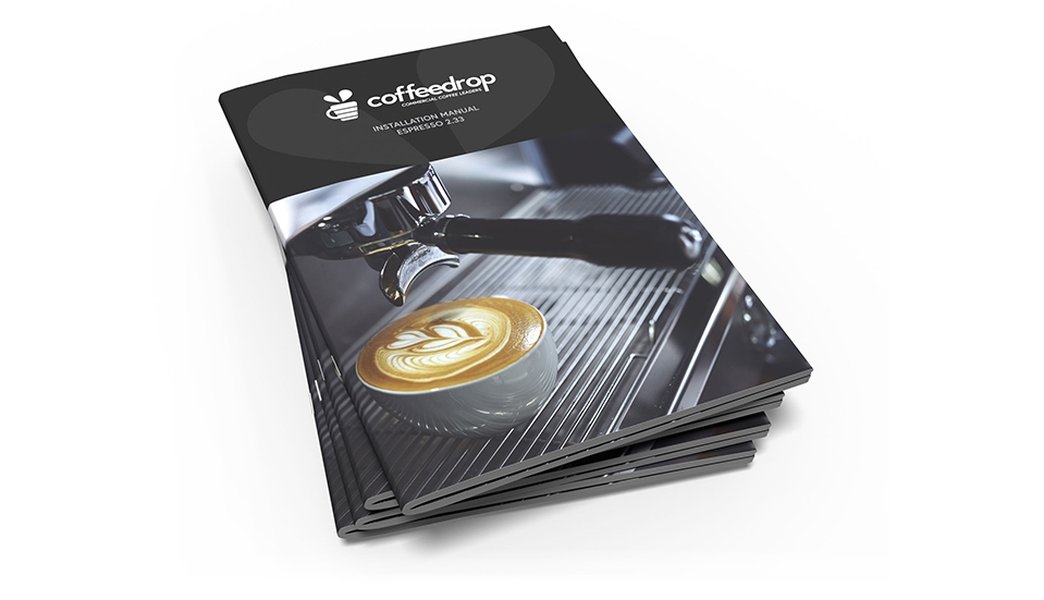
Example of physical instruction manuals, a testament to the enduring need for clear guidance.
How to Download and Access Manuals
Most online manual repositories provide straightforward steps to access the documents:
- Search: Enter the product's brand, model name, or model number into the search bar.
- Locate: Browse the search results for the specific manual you need. Many sites offer filters by document type (e.g., user guide, installation instructions, quick start guide).
- View/Download: You can typically read the manual online directly in your browser or download it as a PDF file to your computer or mobile device for offline reference.
For mobile users, apps like ManualsLib for Android provide a convenient way to access and manage your collection of manuals on the go.
The Emergence of Personal User Manuals
Enhancing team collaboration and understanding in the workplace.
Beyond product instructions, the concept of a "user manual" has evolved to encompass a unique tool for professional development and team dynamics: the personal user manual, also known as a "how to work with me" guide. This document outlines an individual's work style, preferences, strengths, communication habits, and even what motivates or irritates them.
Why Create a Personal User Manual?
In today's diverse and often remote work environments, understanding how colleagues prefer to work is crucial for effective collaboration. A personal user manual serves as an internal "cheat sheet," reducing miscommunication, preventing conflicts, and boosting overall productivity. It allows team members to quickly grasp each other's working preferences without the need for extensive observation or trial-and-error.
- Conflict Prevention: By setting clear expectations about communication styles and work habits, potential frustrations are minimized. For example, knowing if a colleague prefers email over instant messages for certain types of queries can prevent delays and misunderstandings.
- Increased Productivity: When teammates understand how to engage with each other efficiently, time spent on clarifying intentions or rectifying miscommunications is reduced.
- Improved Onboarding: New team members can quickly integrate by understanding the working dynamics of their colleagues from day one.
- Fostering Empathy and Psychological Safety: Sharing personal work preferences fosters an environment of openness and mutual respect, highlighting that diversity in working styles is a strength.
Explore the concept of a Personal User's Manual and its benefits for team collaboration.
Key Components of a Personal User Manual
While each manual is unique to the individual, common sections often include:
- Working Style: Preferred hours, approach to tasks (e.g., highly focused, collaborative, deep work periods).
- Communication Preferences: Best ways to reach you (Slack, email, phone call), expected response times, and preferred methods for different types of information.
- Strengths and Weaknesses: Self-awareness of areas where you excel and areas where you might need support.
- Motivation & Frustrations: What energizes you and what might hinder your work.
- Feedback Preferences: How you like to receive feedback (e.g., direct, written, in private).
Tools like "Manual of Me" provide structured frameworks and questions to help individuals create and share their personal user manuals, sometimes even offering workshops for teams.
Crafting Effective Manuals: Best Practices
Guidance for creating clear, comprehensive, and user-friendly documentation.
Whether you're writing a traditional product manual or a personal user manual for your team, adhering to certain best practices ensures that your documentation is helpful and achieves its purpose.
Principles of Effective Manual Creation
A well-crafted manual is not just a collection of instructions; it's a guide designed to empower its users.
- Identify Your Audience: Understand who will be reading the manual. Are they technical experts or complete novices? Tailor your language and level of detail accordingly.
- Focus on Solutions and User Journey: Instead of just listing features, explain how to solve problems or complete tasks. Map out the user's journey to ensure logical flow.
- Use Clear, Sequential Steps: Break down complex processes into simple, numbered steps. Use active voice and concise language.
- Incorporate Visuals: Diagrams, screenshots, and images can significantly enhance understanding and make complex instructions easier to follow.
- Ensure Accessibility: Provide manuals in easily accessible formats like PDF or online platforms. Consider multilingual options if your audience is diverse.
- Maintain and Update: Manuals are living documents. Regularly review and update them to reflect changes in products, processes, or team dynamics.
The Impact of Well-Documented Processes
The creation of comprehensive manuals, whether for products or internal processes, standardizes quality, reduces errors, and significantly boosts operational efficiency. This is vital for employee skill development and ensuring consistent results across an organization.
Here's a radar chart illustrating the perceived effectiveness of different types of manuals based on key attributes:
This radar chart illustrates how different types of manuals excel in various aspects. Product user manuals often score high on accessibility and completeness for general operation. Personal work manuals shine in clarity of instructions and relevance to immediate user needs, particularly in fostering better team dynamics. Repair and service manuals, while potentially less user-friendly in navigation, offer deep problem-solving utility and comprehensive information for technical tasks. Each manual type serves a distinct purpose, and their effectiveness is measured by how well they meet the specific needs of their intended audience.
Comparing Manual Types and Accessibility
A tabular overview of key features.
To further differentiate between the various types of "working manuals" discussed, the table below provides a concise comparison of their purpose, content, primary audience, and typical accessibility formats.
| Manual Type | Primary Purpose | Typical Content | Primary Audience | Accessibility Formats |
|---|---|---|---|---|
| Product User Manual | To provide instructions for operating and maintaining a specific product. | Setup guides, operating instructions, troubleshooting, specifications, safety warnings. | End-users of consumer electronics, appliances, vehicles, etc. | PDF (downloadable), Online HTML (viewable), Physical booklet. |
| Personal Work Manual ("How to Work With Me") | To communicate individual work preferences, communication styles, and collaboration needs within a team. | Working hours, communication preferences, preferred feedback methods, strengths, motivators, irritations. | Team members, managers, collaborators. | Digital document (e.g., shared drive, online tool), Presentation slides. |
| Repair/Service Manual | To provide detailed technical information for repairing, maintaining, or servicing a product. | Schematics, diagnostic procedures, part lists, disassembly/reassembly steps, calibration. | Technicians, advanced DIY enthusiasts, service personnel. | PDF (downloadable), Specialized software, Online databases. |
| Internal Process Manual (Workplace) | To standardize procedures, ensure consistency, and train employees on specific tasks or workflows. | Step-by-step instructions for tasks, policies, roles and responsibilities, best practices. | Employees, new hires, training departments. | Internal company intranet, Documentation platforms, PDF. |
Frequently Asked Questions about Manuals
Recommended Further Exploration
- How to write effective user documentation for software applications?
- The role of documentation in product lifecycle management.
- Benefits of shared team user manuals in remote work environments.
- Best practices for organizing and managing digital manual libraries.
References
Last updated May 21, 2025