
Innovative Integration: Fingerprint Attendance Systems Powered by Solar Technology
Exploring the fusion of fingerprint biometrics with solar panels and battery backup for reliable attendance recording
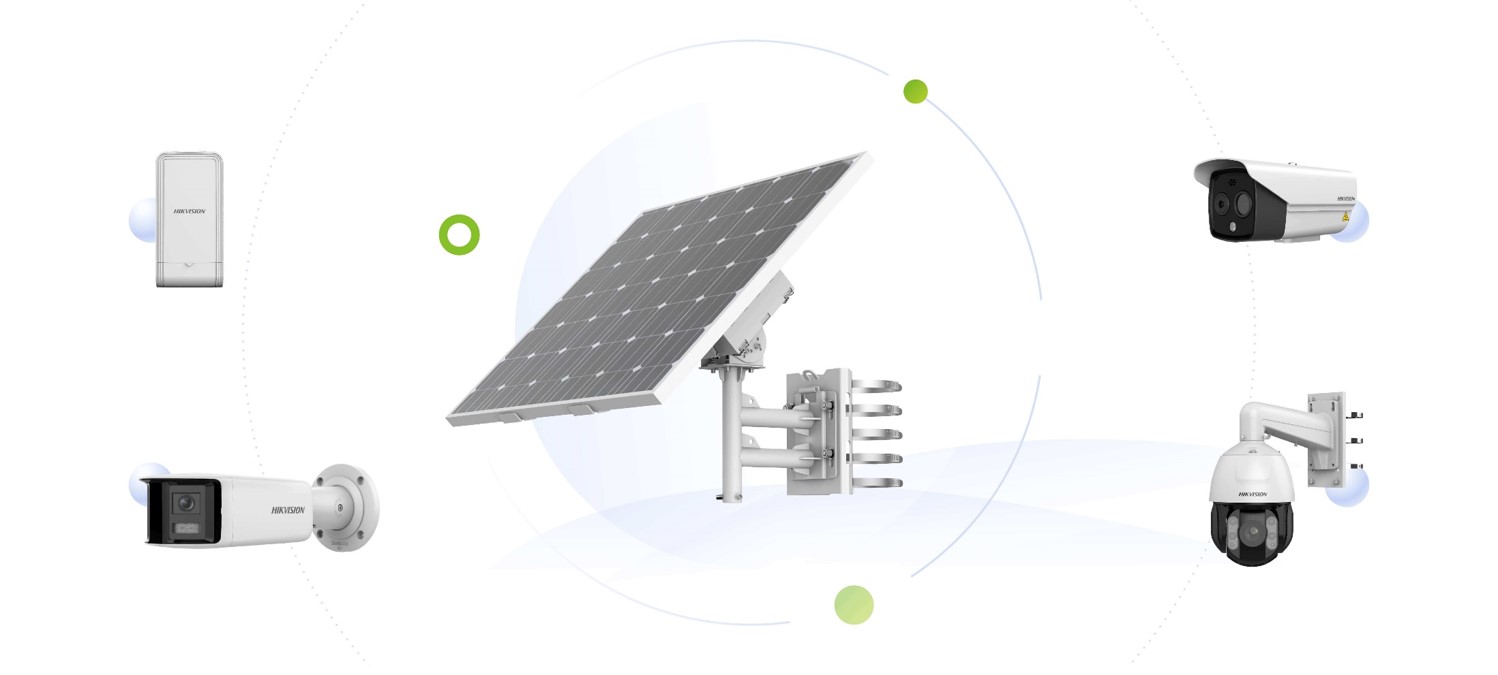
Key Highlights
- Renewable Energy Integration: Leveraging solar panels and battery backups to ensure continuous and eco-friendly power supply.
- Enhanced Security and Accuracy: Utilizing fingerprint biometrics to prevent proxy attendance and maintain data integrity.
- System Versatility and Portability: Designing systems suitable for remote areas with limited grid power, offering robust and reliable performance.
Introduction to Biometric Attendance Systems
Biometric attendance systems have revolutionized the way organizations and educational institutions manage attendance by providing efficient, reliable, and secure methods to authenticate individual identities. Among various biometric methods, fingerprint recognition stands out due to its uniqueness and ease of use. These systems use specialized fingerprint sensors to capture and verify the identity of users, ensuring that only authorized personnel can mark their attendance, thereby minimizing fraud and error.
Traditionally, attendance systems relied on manual entries, which are both time-consuming and prone to errors. With the advent of biometrics, institutions have witnessed significant improvements in operational efficiency and data accuracy. The integration of renewable energy sources such as solar panels, coupled with battery backup systems, enhances the sustainability and reliability of these biometric solutions. This integration is particularly beneficial in remote or off-grid locations where conventional power sources are either unreliable or entirely unavailable.
Exploring the Components of a Modern Fingerprint Attendance System
Biometric Fingerprint Recognition
Fingerprint-based systems are the cornerstone of modern attendance management due to their ability to uniquely identify individuals based on the minutiae points of their fingerprints.
Key Features Include:
- High Security: Each fingerprint is unique, which minimizes unauthorized access and proxy attendance.
- High Accuracy: Modern sensors provide precise verification even under challenging conditions like varying skin moisture levels.
- Ease of Use: Rapid processing makes these systems user-friendly and efficient in high-traffic environments.
The biometric data captured is then stored in a secure database where it can be cross-referenced in real-time, ensuring that attendance records are updated precisely and securely. The use of fingerprint biometrics minimizes human errors and strengthens identity verification processes.
Integration of Solar Panels
Solar panels have become increasingly attractive as a sustainable power source for electronic devices, including biometric systems. Their integration into attendance systems supports uninterrupted power supply and enhances mobility. Solar panels harness sunlight and convert it into electrical energy, which is particularly useful in areas where grid electricity is unreliable.
Key Benefits of Solar Integration:
- Reduced Energy Costs: Solar energy is renewable and can significantly lower operational expenses over time.
- Sustainability: Solar-powered systems contribute to a reduced carbon footprint and promote environmental conservation.
- Operational Continuity: Even in the event of grid outages, solar power ensures the system remains operational, especially when combined with battery backups.
These benefits are particularly important for systems installed in remote regions or in developing areas where the electricity supply is inconsistent. The environmental benefits also align with global efforts to reduce greenhouse gases and promote sustainability.
Battery Backup Systems
Complementing the solar panels, battery backup systems play an essential role in ensuring that a fingerprint attendance system continues to function during periods of low sunlight or when sudden power outages occur. Batteries store energy generated during peak sunlight hours and provide it when needed, ensuring continuous operation of the system.
Main Advantages Include:
- Reliable Power Supply: Batteries ensure the system remains active even when external conditions are not optimal.
- Energy Management: Intelligent battery management and regulated power circuits stabilize the voltage supply to sensitive biometric components.
- Ease of Maintenance: Periodic battery checks and replacements ensure that the overall system performance does not encounter unexpected downtimes.
The combination of solar panels and battery backups creates a robust power solution ideal for biometric systems, guaranteeing that attendance data is continuously recorded and stored, regardless of external power fluctuations.
Integrating Technologies: System Architecture and Components
System Architecture Overview
A comprehensive fingerprint attendance system powered by solar panels and supported by battery backups involves a blend of hardware and software components. The typical system architecture can be broadly divided into the following modules:
1. Biometric Capture Module
This module includes the fingerprint sensor and associated processing units responsible for capturing and analyzing fingerprint details for authentication purposes. The captured biometric data is encrypted and sent to the central processing unit for matching against pre-stored templates.
2. Power Management Module
The power management module integrates the solar panel, battery backup, and voltage regulators. Components like the LM7805 (or other regulators) ensure that sensors and microprocessors receive a stable power supply, while the battery store provides backup during low sunlight.
3. Data Management and Communication Module
After authentication, the attendance data is transmitted to a database or a central server. Cloud integration and real-time data transfer can be achieved using wireless communication modules (Wi-Fi, GSM, or Bluetooth) incorporated into the system. This module ensures that the collected data is accessible for analysis, reporting, and historical record-keeping.
4. User Interface Module
A user-friendly interface, often in the form of LED displays or touchscreen panels, provides immediate feedback to the user upon successful attendance capture. In some implementations, additional features like dual-factor authentication (e.g., RFID along with fingerprint) can be embedded for enhanced security.
Implementation Challenges and Considerations
Despite the clear advantages of integrating fingerprint biometric systems with solar panels and battery backups, several implementation challenges must be considered to ensure seamless and robust operation. Key challenges include:
- Energy Management: Efficiently managing the energy flow from solar panels to the batteries and ensuring that power regulators operate without significant losses is critical. The efficiency of solar panels degrades over time, and battery capacity can decrease with repeated cycling, necessitating timely maintenance and replacements.
- System Durability: The fingerprint scanning devices, solar panels, and accompanying electronics must be built to withstand environmental factors such as dust, humidity, and temperature variations, particularly in outdoor or remote installations.
- Data Security: While biometric systems inherently offer higher security, ensuring the encryption of transmitted data and safeguarding storage databases against cyber threats is essential.
- Cost and Scalability: Initial investment in solar panels and battery systems may be higher compared to conventional power supplies. However, long-term cost benefits and scalability make this integration attractive for large-scale deployments.
Case Studies and Pilot Projects
Several pilot projects and case studies have demonstrated the feasibility and effectiveness of combining fingerprint-based attendance systems with solar power and battery backup. Although comprehensive research specifically addressing the three elements in unison is limited, various studies and projects have highlighted the underlying benefits:
- Educational Institutions: Research conducted on fingerprint-based attendance systems in academic settings has shown significant improvements in data accuracy and a reduction in proxy attendance. In areas with unpredictable electricity supply, solar-panels combined with battery backups have ensured consistent system operation.
- Remote Workplaces: In remote areas where grid electricity is scarce, solar-powered biometric systems prove invaluable. The incorporation of battery storage maintains system functionality during adverse weather or nighttime.
Furthermore, several open-source and commercially available solutions utilize solar energy to power small-scale electronic devices. When these energy-efficient devices are integrated into biometric systems, the outcome is a highly portable and robust attendance management solution.
Comparative Analysis of Core Components
The following table provides a comparative analysis of the different components involved in a fingerprint attendance system powered by solar panels and batteries:
| Component | Description | Key Benefits | Considerations |
|---|---|---|---|
| Fingerprint Sensor | Captures unique biometric data for identity verification. | High accuracy and security; fast processing time. | Requires regular cleaning and calibration; sensitive to environmental factors |
| Solar Panel | Harnesses sunlight to generate electricity. | Renewable energy source; reduces operational costs; eco-friendly. | Efficiency can vary with weather; needs regular maintenance |
| Battery Backup | Stores excess energy generated by the solar panel for use during low light or power outages. | Ensures continuous operation; increases reliability in off-grid installations. | Limited lifespan; requires monitoring and replacement over time |
| Voltage Regulator | Stabilizes the electrical output to protect sensitive electronic components. | Prevents voltage fluctuations; protects biometric data integrity. | Heat dissipation and energy loss need to be managed |
| Data Communication Module | Enables real-time data transfer to a central server or database. | Facilitates immediate reporting and remote access; supports cloud integration. | Dependent on network stability and security protocols |
Research Insights and Future Directions
The exploration of integrating solar panels and battery backup into fingerprint attendance systems aligns with global trends in sustainable technology and the IoT (Internet of Things). As renewable energy solutions continue to advance, these systems are expected to become more efficient, accessible, and cost-effective. The shift towards green energy not only supports daily operations but also contributes to broader environmental goals.
Future research directions in this field may include:
- Enhanced Energy Management: Investigating advanced algorithms for energy optimization can further extend battery life and improve overall system efficiency.
- Integration with Cloud Computing: More sophisticated systems can combine real-time biometric data collection with integrated cloud-based analytics, generating detailed attendance dashboards for administrative use.
- Hybrid Biometrics: Research may also explore combining fingerprint technology with other biometric modalities such as facial recognition or iris scans for an added layer of security.
- Improved Sensor Technology: Advancements in sensor technology that improve capture speed, accuracy, and durability under diverse environmental conditions will enhance system reliability and user satisfaction.
With these advancements, organizations can better address the dual challenges of energy scarcity and data integrity while embracing sustainable practices. Moreover, the integration of solar power and battery backups will continue to empower innovative applications in remote educational institutions, small businesses, and large-scale enterprises alike.
Implementation Strategy and Practical Applications
Step-by-Step Implementation
Organizations looking to integrate a fingerprint attendance system with solar power and battery technology should adopt a structured implementation strategy:
Assessment and Planning
Evaluate the operational environment and energy requirements. Determine the appropriate size and capacity of solar panels and batteries, considering factors such as average sunlight hours and expected system load. Customize system design to meet site-specific demands.
System Design and Integration
Design the system by integrating the fingerprint sensor with the power management module. Install the solar panels at an optimal angle to maximize sun exposure. Set up an efficient battery backup system and configure voltage regulators to ensure a stable power supply. Integrate communication modules to facilitate real-time data updates and remote monitoring.
Testing and Calibration
Rigorously test each component and the entire system. Validate biometric accuracy, energy efficiency, and system reliability under various environmental conditions. Calibration of sensors ensures that fingerprint data is accurately captured, while fine-tuning the energy management system minimizes power wastage.
Deployment and Maintenance
Roll out the system with scheduled maintenance checks. Continuous monitoring of battery health, solar panel efficiency, and data integrity is imperative for long-term success. Implement training programs for users to ensure they are familiar with system operation and troubleshooting procedures.
Comprehensive Reference Sources
Below is a table summarizing the key resources and references that contribute to the current research landscape on fingerprint attendance systems integrated with solar panels and battery backups:
| Reference Title | URL | Details |
|---|---|---|
| Fingerprint Attendance System for Educational Institutes | ResearchGate | Study demonstrating fingerprint-based attendance with solar backup integration. |
| Fingerprint-Based Attendance Management System | ResearchGate | An exploration of biometric attendance mechanisms with energy-efficient considerations. |
| Attendance Tracking Using Solar Bluetooth Beacon Badges | BeaconZone | Implementation of solar-powered systems for attendance tracking. |
| Biometric Fingerprint Attendance Systems with Battery Backup | AmpleTrails | Details on battery backup integration to enhance system operation during power outages. |
| Ultra-Link Biometric Fingerprint Attendance System | Ultra-Link | Commercial solution incorporating biometric and solar technologies. |
References
- Fingerprint Attendance System for Educational Institutes - ResearchGate
- Fingerprint-Based Attendance Management System - ResearchGate
- Attendance Tracking Using Solar Bluetooth Beacon Badges - BeaconZone
- Biometric Fingerprint Attendance Systems with Battery Backup - AmpleTrails
- Ultra-Link Biometric Fingerprint Attendance System - Ultra-Link
Recommended Related Queries

Last updated March 24, 2025