
Why FinOps is Important
Understanding the Strategic Role of FinOps in Cloud Financial Management
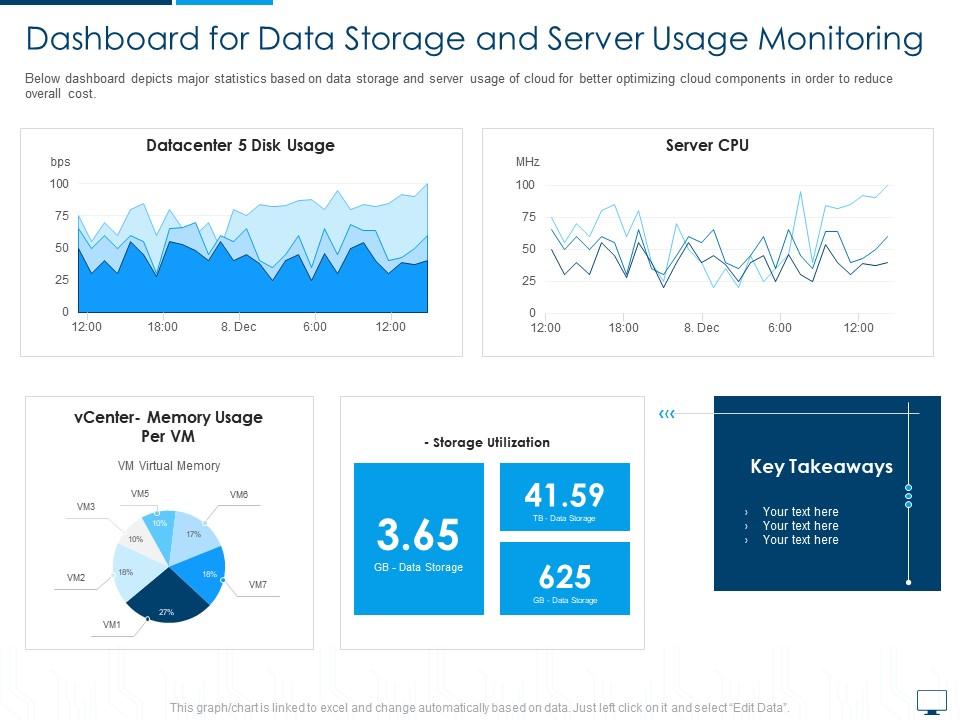
Key Highlights
- Financial Accountability: Enhances transparency and control of cloud spending across organizations.
- Cost Efficiency: Enables real-time monitoring and optimization, resulting in significant cost reductions.
- Collaboration: Bridges gaps between engineering, finance, and business teams for data-driven decisions.
Introduction
In today’s rapidly evolving digital landscape, organizations are increasingly dependent on cloud computing to drive innovation, agility, and scalability. However, as the reliance on cloud platforms intensifies, so does the complexity of managing cloud expenses. FinOps, an amalgamation of “financial operations,” emerges as a crucial framework that aligns financial principles with cloud resource management. This systematic approach is paramount for organizations seeking to derive maximum value from their cloud investments while maintaining robust financial control. The integration of FinOps practices introduces a culture of accountability, transparency, and collaborative decision-making that empowers teams to optimize cloud spending without compromising on service quality or innovation.
The Core Principles of FinOps
FinOps centers on several core principles that collectively enrich the process of managing cloud expenditures:
Financial Accountability and Visibility
Financial accountability is at the heart of FinOps. This framework gives organizations the tools required to monitor and control cloud spending effectively. With detailed, real-time data available on cloud usage, teams can allocate costs accurately to specific departments, services, or applications. Such granular insight leads to informed decision-making regarding resource allocation, deployment strategies, and budgeting. This heightened level of visibility instills a culture of financial discipline that not only prevents unnecessary expenditures but also aids in precise forecasting and financial planning.
Cost Efficiency and Optimization
One of the most significant benefits of FinOps is its focus on cost optimization. By leveraging continuous monitoring and analysis tools, organizations can identify inefficiencies and implement best practices that drive down costs. Data-driven insights help pinpoint areas of potential savings, from underutilized resources to suboptimal service configurations. Industry research indicates that effective FinOps practices can lead to reductions in cloud spending by 20% to 30%. This is achieved through strategies such as rightsizing instances, identifying and eliminating idle services, and negotiating better pricing models with cloud vendors. In an environment where cloud costs fluctuate rapidly, the ability to dynamically adjust expenditures is invaluable.
Enhanced Collaboration and Cultural Change
FinOps is not merely a set of tools or a financial exercise; it represents a paradigm shift in how organizations view and manage cloud investments. Bringing together finance, engineering, and business teams is a cornerstone of successful FinOps practices. This collaborative approach ensures that decisions are made holistically, taking into account both the technical and financial implications. By promoting a shared responsibility model, FinOps breaks down barriers between traditionally siloed departments, fostering trust and unified strategic planning. This multidisciplinary collaboration ensures that every dollar spent on the cloud is aligned with overarching business objectives.
Data-Driven Decision Making
At its core, FinOps relies on data-driven insights to guide cloud spending decisions. Real-time metrics and historical data analysis allow organizations to assess the effectiveness of their cloud investments continuously. This empirical approach not only aids in correcting inefficiencies promptly but also enables proactive planning for future requirements. Teams can simulate “what-if” scenarios, test cost-saving measures, and adjust policies to optimize performance and expenditure. Ultimately, by anchoring decisions in hard data, organizations mitigate risks and enhance their capacity to innovate without falling prey to budget overruns.
Benefits of Implementing FinOps
Implementing FinOps practices offers multifaceted benefits that directly enhance the operational and financial health of an organization. These benefits span technological empowerment, financial discipline, rapid innovation, and strategic planning:
Operational Efficiency and Resource Management
FinOps promotes operational efficiency by optimizing resource allocation. With real-time monitoring, organizations can identify idle or underutilized assets, facilitating better management of cloud resources. This ensures that each cloud component functions at peak efficiency, reducing wastage and the overall carbon footprint. Additionally, by aligning cloud expenses with actual usage, businesses can negotiate more effective contracts with cloud service providers, ensuring that the costs incurred are always in line with the benefits received.
Maximized Business Value
As cloud technology continues to evolve, so too do the potential avenues for leveraging its capabilities to drive business value. FinOps plays a crucial role in this sphere by ensuring that cloud investments directly contribute to business growth, operational agility, and innovation. By maintaining a balanced focus on cost, speed, and quality, FinOps practices help organizations derive maximum value from their cloud investments. This is particularly important as digital transformation becomes increasingly central to business strategy, and every dollar saved can be redirected towards innovation and customer-centric initiatives.
Real-Time Adaptability & Strategic Agility
The inherent flexibility of cloud infrastructure requires an equally adaptable financial management approach. FinOps supports dynamic cost management by facilitating real-time adjustments to cloud expenditure. As usage patterns or business needs change, FinOps frameworks provide the agility to scale up or down promptly, thus preventing "cloud spend sprawl" or resource misallocation. This real-time adaptability means that financial planning is not static but evolves continuously with the organization's cloud landscape.
Improved Cloud Security and Governance
While the primary focus of FinOps is cost efficiency and financial control, its practices extend into the realm of cloud security and governance. By integrating financial oversight with operational processes, organizations can implement budgetary guardrails that also enhance the overall security posture of their cloud platforms. Tight cost control prevents unmanaged escalation of resource usage, which can sometimes lead to security vulnerabilities. Maintaining a balanced approach ensures that cost savings are achieved without compromising on essential security measures.
Table: Comparison of Pre-FinOps vs. Post-FinOps Scenarios
| Aspect | Pre-FinOps | Post-FinOps |
|---|---|---|
| Financial Visibility | Limited oversight and delayed reporting | Real-time monitoring and detailed cost allocation |
| Resource Utilization | Potential for waste and underutilization | Optimized resource usage and proactive scaling |
| Collaboration | Siloed departments with conflicting goals | Cross-functional collaboration aligned with business goals |
| Cost Management | Reactive adjustments and budget overruns | Proactive, data-driven cost optimizations and reduced overspend |
| Innovation Speed | Delayed adoption of new technologies due to budgeting issues | Accelerated innovation with balanced investment in technology |
Operational Implications and Best Practices
Implementing FinOps successfully requires a comprehensive organizational approach. Several best practices can help organizations derive the full benefits of FinOps:
Establishing Clear Ownership and Governance
For FinOps to be effective, it is imperative to establish clear roles and responsibilities around cloud financial management. Organizations benefit from setting up a dedicated FinOps team that acts as a liaison between engineering, finance, and business units. This team is responsible for analyzing spending patterns, setting cost baselines, and recommending adjustments to optimize resource use. Additionally, establishing robust governance frameworks ensures that every cloud expenditure is scrutinized for cost-effectiveness. This process involves setting policies that govern resource allocation, establishing thresholds for spending, and continuously monitoring adherence.
Leveraging Technology and Automation
The success of FinOps initiatives is strongly linked to the effective use of technological tools and automation. Automation reduces human error and accelerates the identification of inefficiencies. Software tools key to FinOps integrate with cloud platforms to continuously analyze expenditure, simulate cost scenarios, and recommend actionable optimizations in real-time. Moreover, leveraging cloud cost management platforms allows teams to visualize spending trends and forecast future expenses with remarkable accuracy. These capabilities form the backbone of a proactive financial operability framework.
Cultivating a Cross-functional Culture
One of the most transformative aspects of FinOps is the cultural shift that comes with its adoption. Traditional budgeting practices often view cloud costs as a purely financial matter. In contrast, FinOps encourages a collaborative culture where all stakeholders, from engineers to finance professionals, contribute to cost management initiatives. This cultural shift is supported by regular cross-departmental meetings, shared dashboards, and joint planning sessions. In doing so, companies not only ensure transparency but also create an environment where continuous improvement is a shared objective.
Continuous Training and Education
Another critical success factor in FinOps adoption is ongoing education. As cloud technologies evolve, it is essential for teams to stay updated on the latest best practices, pricing models, and cost optimization strategies. Organizations benefit by hosting regular training sessions, workshops, and seminars. These educational initiatives not only enhance the skills of the FinOps team but also embed a cost-conscious mindset throughout the organization. Keeping all stakeholders abreast of new developments ensures that the organization remains agile and capable of continuously adapting its strategy to new market trends.
Real-World Impact and Strategic Advantages
The adoption of FinOps practices has been transformative for many organizations. Companies across diverse sectors—from start-ups to large multinational enterprises—are experiencing significant strategic advantages by integrating FinOps into their cloud management frameworks. The real-world impact of these practices extends beyond mere cost savings:
Accelerated Time to Market
One of the greatest challenges in cloud adoption is balancing innovation with cost control. FinOps provides the agility necessary to streamline cloud operations, enabling faster deployment of new services and products. By ensuring that resources are allocated optimally and costs are kept in check, organizations can accelerate their development cycles. This reduction in time-to-market translates into competitive advantages in sectors where speed and responsiveness are critical.
Enhanced Service Quality and Customer Experience
Optimized cloud spending has a direct effect on the quality and reliability of cloud-based services. As organizations use FinOps to refine their cloud investments, they inherently improve the performance and resilience of their cloud infrastructure. This increased reliability leads to enhanced customer satisfaction and retention. Furthermore, with efficient resource management, businesses can ensure that performance issues are addressed proactively, thereby maintaining high levels of service continuity.
Long-Term Strategic Planning
FinOps does not only focus on short-term cost savings; it plays a vital role in strategic planning over the long term. By understanding spending trends and aligning cloud investment with business goals, organizations can plan for future growth with confidence. This foresight allows companies to negotiate better deals with providers, invest in emerging technologies, and pivot quickly in response to market changes. The strategic integration of FinOps creates a more resilient and adaptable business model that is well-prepared for the challenges of tomorrow.
Challenges in FinOps Implementation
While the benefits of FinOps are compelling, its implementation is not without challenges. Organizational inertia, data silos, and the complexity of cloud pricing models can impede the smooth adoption of FinOps practices. Companies often face internal resistance when shifting away from traditional budgeting methods. Overcoming these challenges requires a clear vision, commitment from leadership, and well-structured change management strategies. By addressing these obstacles head-on through comprehensive training, clear communication, and robust technological support, organizations can ensure a successful FinOps transition.
Conclusion and Final Thoughts
In conclusion, FinOps stands as a transformative approach that is redefining how organizations manage and optimize their cloud investments. At its core, FinOps blends technological innovation with financial acumen to create a robust framework for cloud cost management. Its emphasis on financial accountability, cost efficiency, and cross-functional collaboration has a profound impact on the operational and strategic capabilities of organizations.
The core benefits—ranging from real-time cost monitoring and dynamic spending management to enhanced transparency and improved operational efficiency—underscore the importance of FinOps in today’s cloud-centric business environment. By integrating FinOps practices, companies can not only achieve substantial cost savings but also drive innovation and maintain a competitive edge in a rapidly changing market.
For businesses embarking on their FinOps journey, it is crucial to familiarize all stakeholders with the principles of financial operations in the cloud. With proper governance, technology adoption, and a cultural shift emphasizing cost responsibility, organizations can unlock significant value from their cloud investments. Ultimately, FinOps empowers organizations to make well-informed, data-driven decisions, ensuring that every investment enhances both performance and profitability.
References
- What is FinOps? - FinOps Foundation
- What is FinOps? - Chargebee
- The Benefits of FinOps - Infracost
- How FinOps Transforms Cloud Spending - Hyperglance
- FinOps Insights - CloudZero
- What is FinOps? - Google Cloud
- FinOps Capabilities - CAST AI
Recommended
Last updated February 24, 2025