
Unveiling FinTech Innovations at India Post Payments Bank
Exploring emerging research avenues in digital financial inclusion
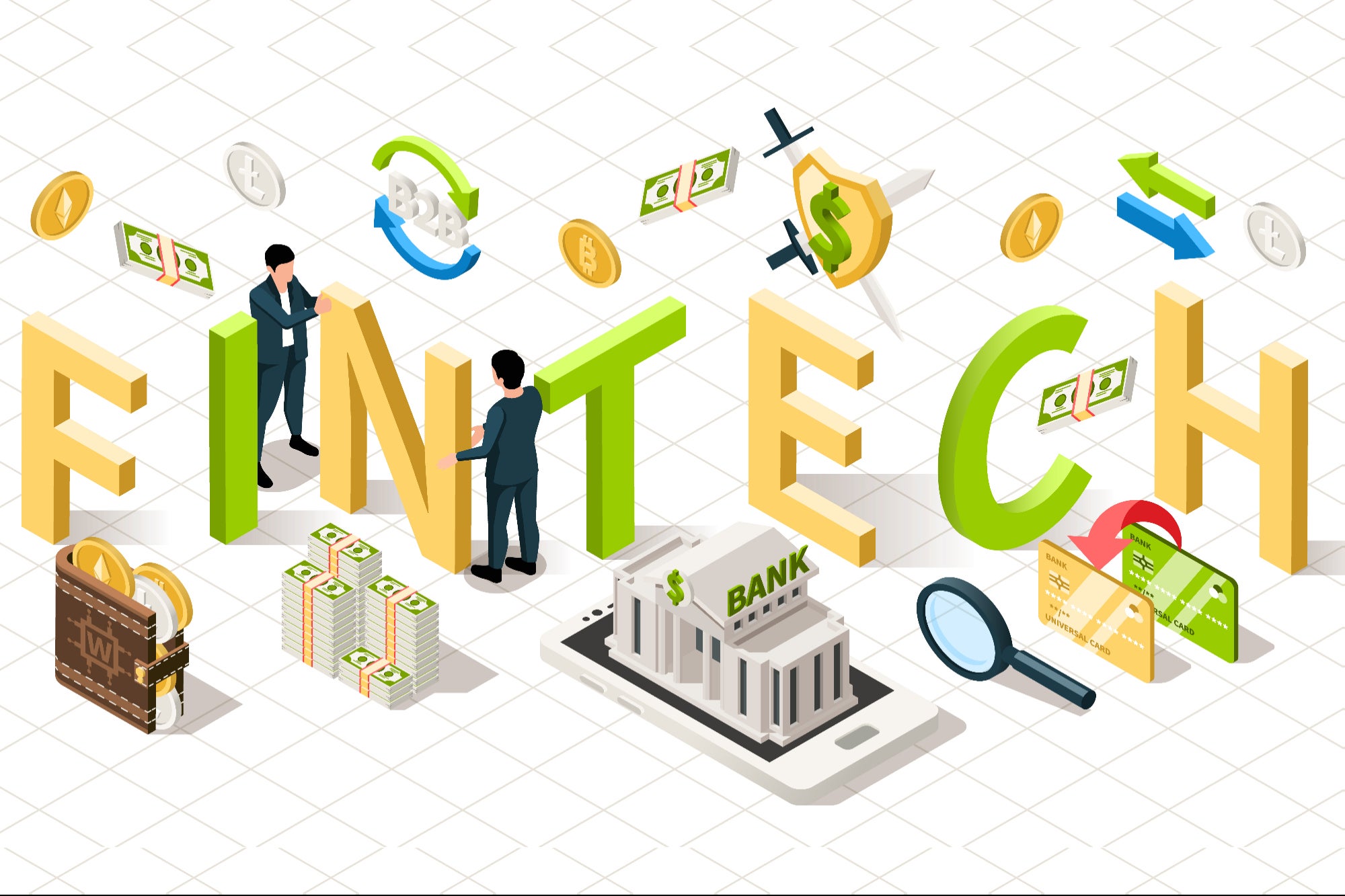
Key Highlights
- Financial Inclusion Impact: Evaluating how IPPB leverages its postal network to foster access to digital financial services in underserved and rural communities.
- Digital Transformation & FinTech: Analyzing IPPB’s drive towards digital banking innovation, integrating digital payments, mobile banking, and secure transaction technologies.
- Innovative Collaborative Ecosystem: Studying initiatives like Fincluvation that enable fintech collaborations to accelerate financial inclusion and entrepreneurship.
Research Topic: Exploring FinTech Innovations and Their Impact on Financial Inclusion through India Post Payments Bank
This research topic delves into the transformative role of India Post Payments Bank (IPPB) in expanding digital financial services across rural and semi-urban areas of India. The study focuses on the interplay between FinTech solutions and traditional banking outreach via the vast postal network. By examining the initiatives, challenges, and opportunities in digital payments, mobile banking, and collaborative innovation programs such as Fincluvation, the research aims to provide insights into how IPPB is catalyzing financial inclusion and shaping a new fintech ecosystem.
Context and Background
India Post Payments Bank, as a government-owned financial institution, has adopted a unique model by integrating banking services with India's expansive postal network. With over a century-old legacy, the postal service has become a reliable conduit for delivering financial services to millions, especially in the remotest parts of the country.
In recent years, the bank has incorporated numerous digital innovations, including QR code-based transactions, mobile banking applications, and secure digital payment interfaces. Coupled with initiatives such as Fincluvation, IPPB has embarked on a mission to engage fintech startups, improve user experience, and address digital transformation challenges. This research topic explores these dimensions, with a focus on understanding the resultant impact on financial inclusion.
Research Objective
The primary objective is to investigate how FinTech innovations integrated into the India Post Payments Bank ecosystem contribute to financial inclusion, particularly examining:
- How IPPB’s digital transformation improves service accessibility for rural populations.
- The effectiveness of digital payment systems and mobile banking interfaces in enhancing user engagement.
- The role and impact of the Fincluvation initiative in nurturing fintech collaborations to design tailored financial products.
- Challenges related to technological infrastructure, cybersecurity, regulatory compliance, and customer adaptability.
Proposed Research Questions
1. How Does IPPB Facilitate Financial Inclusion?
This question examines the mechanisms by which IPPB, through its digital and physical outreach, enhances banking accessibility in underserved areas. It involves gathering empirical data to assess the penetration and usage of its services.
2. What FinTech Innovations are Being Employed by IPPB?
Identify and evaluate the range of FinTech solutions adopted by IPPB, such as QR-based transactions, mobile banking apps, and secure digital platforms. Discussion can further include investigative review of emerging technologies like blockchain and AI.
3. What is the Impact of the Fincluvation Initiative?
Explore how Fincluvation, a collaborative platform initiated by IPPB, provides a springboard for fintech startups. This question investigates how these collaborations result in the creation of inclusive financial products tailored to the needs of rural and low-income populations.
4. What are the Challenges and Barriers to Digital Transformation?
Analyze the technical, regulatory, and adoption challenges that impact the successful digital transition in financial services. Research can include the exploration of cybersecurity risks associated with digital payment systems and the solutions that are being implemented.
Methodology
A mixed-method approach combining qualitative and quantitative research would be effective for this study. Suggested methods include:
| Method | Description | Expected Outcomes |
|---|---|---|
| Case Studies | In-depth analysis of specific rural areas where IPPB has significant penetration, focusing on pre and post digital intervention scenarios. | Detailed insights into service adoption trends, customer satisfaction, and impact on local economies. |
| Surveys/Interviews | Collecting data by surveying end-users and conducting interviews with bank officials and fintech entrepreneurs. | Empirical data on user experience, challenges in digital adoption, and customer feedback on fintech services. |
| Comparative Analysis | Examining IPPB's model in comparison with other payment banks in India to benchmark best practices. | Identification of key differentiators and best practices that enhance digital banking in rural settings. |
| Technical Evaluation | Assessing the technological framework employed for digital payments, including cybersecurity measures and digital infrastructure. | Understanding of potential vulnerabilities and recommendations for strengthening security protocols. |
Potential Impact and Contributions
The study’s results are expected to provide critical insights into the role of digital banking in transforming rural financial landscapes, especially in leveraging government infrastructure with innovative FinTech solutions. The research can contribute by:
- Providing empirical evidence on the success and challenges of integrating fintech with traditional banking models.
- Informing policymakers to design better regulatory frameworks that foster innovation while protecting users.
- Guiding other payment banks on strategies to enhance digital transformation and inclusive service delivery.
- Highlighting best practices for fostering startup collaborations in fintech through initiatives like Fincluvation.
Literature and Data Sources
In building a robust literature review, several academic papers, government reports, and industry publications provide valuable insights. Data may be gathered from:
- Existing case studies on IPPB’s impact on financial inclusion.
- Industry reports from financial institutions and regulatory bodies.
- Academic journals focused on fintech and digital banking transformations.
- Press releases and documented observations of digital transformation measures by IPPB.
- Empirical data available from surveys executed by fintech research groups.
Discussion on Security and Digital Transformation Challenges
An emerging area of focus within this topic is on the technological and security challenges that accompany the digital transformation journey. Given the sensitivity and criticality of digital transactions, it is imperative that IPPB and similar institutions maintain robust cybersecurity measures. The study will explore the following dimensions:
Digital Transaction Security
With the widespread adoption of digital payments, potential cybersecurity vulnerabilities need to be addressed. The study can include a comparative evaluation of IPPB’s current protocols and identify gaps that may exist in preventing fraud, ensuring data privacy, and safeguarding financial transactions.
Customer Adoption Barriers
Despite the convenience and accessibility offered by digital solutions, customer adoption often faces challenges such as low digital literacy, internet connectivity issues, and perceived risks. Gathering feedback from rural populations will illuminate the real-world barriers that hinder the complete realization of digital financial inclusion.
The Role of Fincluvation and FinTech Collaborations
A critical component of IPPB’s strategy is its Fincluvation initiative, which serves as a platform for fostering innovation through partnerships with fintech startups. By creating an ecosystem where innovative solutions are encouraged, IPPB is not only expanding its range of services but also promoting a fintech culture that caters specifically to underserved communities.
Research in this domain can analyze how collaborative projects under Fincluvation lead to the design of localized products specifically addressing the needs of rural customers. It may also evaluate the scalability and impact of these projects, offering insights into how similar initiatives can bolster financial inclusion in other regions.
Empirical Analysis and Data Interpretation
To underpin the research with sound empirical evidence, the study should incorporate statistical analyses of customer data, usage rates, and satisfaction levels. Field surveys and structured interviews will provide qualitative insights, complementing quantitative methods such as regression analysis and comparative studies. Additionally, a comparative framework could segment the performance of IPPB vis-à-vis other payment banks, highlighting the distinctive factors that define its digital transformation and outreach strategies.
Implications for Policy and Practice
The findings from this research are poised to inform both policy formulation and practical implementations. Policymakers can derive perspectives on the regulatory adaptations needed to facilitate smoother integration of fintech in traditional banking channels. For practitioners in the fintech sector, the insights offer a blueprint for designing secure, scalable, and user-friendly digital banking solutions that cater to the economic realities of India’s rural populace.
Integration of Theoretical and Practical Insights
A robust theoretical framework underlining this research will interweave the concepts of digital transformation, financial inclusion, and fintech innovation. The literature review should draw parallels from global case studies of successful digital banks, while empirical data specific to IPPB’s operations will ground the theoretical constructs in practical execution. This dual perspective aids in understanding not only the potential impact of innovative technologies but also the practical challenges that must be mitigated to fully harness their benefits.
Recommended Avenues for Further Research
Beyond the scope of the initial research, additional inquiries could investigate the long-term socio-economic effects of digital inclusion initiatives or delve deeply into the technical improvements necessary for further enhancing digital security measures. These subsequent studies would serve to create a continuous feedback loop aimed at refining the fintech strategies implemented by IPPB and other similar institutions.
References
- Impact of Payment Bank in Financial Inclusion: A Case Study - ResearchGate
-
India Post Payments Bank: A Catalyst for Financial Inclusion - PIB
- India Post Payments Bank’s Fincluvation - Zee Business
- Digital Banking Services Enhancement - APAC News Network
- Fincluvation Initiative Overview - IPPB Online
Related Queries for Deeper Insights
Last updated March 25, 2025