
Comprehensive Overview of FIPS 140-3 Technical Requirements
Ensuring Robust Security through Enhanced Cryptographic Standards
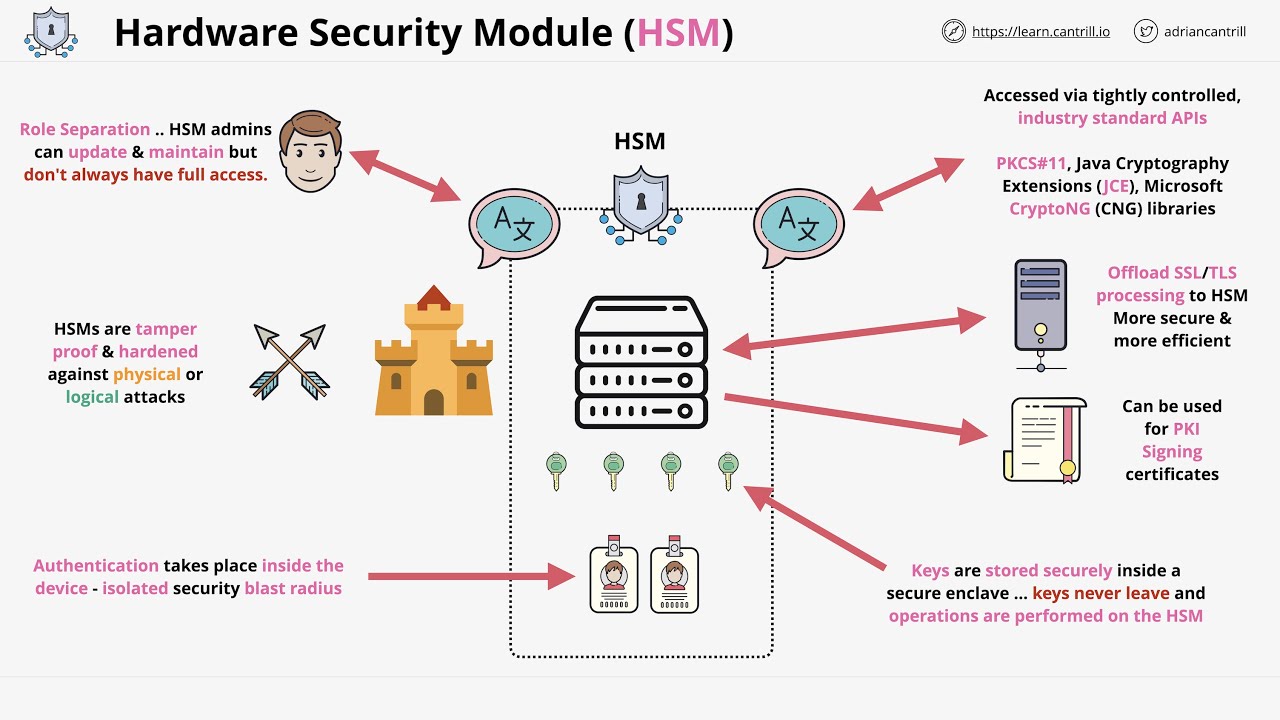
Key Takeaways
- Four Distinct Security Levels: FIPS 140-3 defines four increasing levels of security, each addressing specific protection needs.
- Comprehensive Functional Areas: The standard encompasses 11 functional areas, ensuring thorough coverage of all aspects of cryptographic module security.
- Alignment with International Standards: FIPS 140-3 harmonizes with ISO/IEC standards, facilitating global compliance and interoperability.
Introduction
The Federal Information Processing Standard (FIPS) 140-3, titled Security Requirements for Cryptographic Modules, serves as the premier U.S. standard for validating the security of cryptographic modules. As a successor to FIPS 140-2, it offers a refined and comprehensive framework tailored to safeguard sensitive information across various federal and private sectors. This overview delves into the intricate technical requirements of FIPS 140-3, elucidating its scope, security levels, functional areas, and alignment with international standards.
Scope and Applicability
FIPS 140-3 applies to a broad spectrum of cryptographic modules employed in computer and telecommunication systems, encompassing hardware, software, firmware, or combinations thereof. Its primary objective is to protect sensitive information by ensuring that cryptographic modules meet stringent security requirements. While mandatory for federal agencies, the standard is highly recommended for private organizations that necessitate robust cryptographic security measures.
Security Levels
FIPS 140-3 delineates four distinct security levels, each augmenting the previous one to address escalating security needs:
Level 1: Basic Security
This lowest level mandates the use of at least one approved cryptographic algorithm or security function. It does not stipulate any physical security mechanisms, making it suitable for general-purpose applications where minimal protection is adequate.
Level 2: Enhanced Security
Building upon Level 1, this level introduces requirements for physical tamper evidence, such as tamper-evident seals or coatings. Additionally, it mandates role-based authentication mechanisms to control access based on predefined roles, thereby strengthening physical access control.
Level 3: Tamper-Resistance
Level 3 significantly elevates security by incorporating physical tamper-resistance measures. This includes the use of robust enclosures and tamper detection mechanisms that respond to unauthorized access attempts. Moreover, it requires identity-based authentication, enhancing the granularity of access control beyond mere roles.
Level 4: Highest Security
The pinnacle of FIPS 140-3's security hierarchy, Level 4 demands comprehensive physical security measures capable of detecting and responding to environmental attacks, such as voltage or temperature manipulations. It necessitates an advanced envelope of protection to ensure the utmost security for cryptographic modules operating in high-risk environments.
Cryptographic Module Design and Implementation
FIPS 140-3 requires that cryptographic modules be meticulously designed and implemented to adhere to specified security requirements. Key aspects include:
- Approved Cryptographic Algorithms: Only algorithms sanctioned by FIPS are permissible, ensuring standardized security measures.
- Key Management Practices: Secure generation, distribution, storage, and destruction of cryptographic keys are paramount.
- Rigorous Testing and Validation: Modules must undergo exhaustive testing to verify compliance with FIPS 140-3 standards, typically through the Cryptographic Module Validation Program (CMVP).
Functional Areas of FIPS 140-3
FIPS 140-3 encompasses 11 functional areas, each addressing a critical component of cryptographic module security:
1. Cryptographic Module Specification
Requires comprehensive documentation detailing the module's boundaries, components, and security functionalities, ensuring clarity in its operational scope.
2. Cryptographic Module Ports and Interfaces
Specifies the input/output ports and logical interfaces, ensuring clear separation and secure communication pathways within the module.
3. Roles, Services, and Authentication
Defines distinct roles (e.g., user, crypto officer) and the services each role can access. It also mandates robust authentication mechanisms to verify the identity of entities interacting with the module.
4. Finite State Model
Illustrates the module's operational states and secure transitions between these states, ensuring predictable and secure behavior.
5. Physical Security
Implements measures to protect against physical tampering, ranging from tamper-evident seals at Level 2 to sophisticated tamper-resistant enclosures at higher levels.
6. Operational Environment
Details the security controls within the module's operating environment, including protection against unauthorized modifications and secure boot processes.
7. Cryptographic Key Management
Outlines processes for key generation, distribution, establishment, storage, usage, and destruction, ensuring keys are handled securely throughout their lifecycle.
8. EMI/EMC (Electromagnetic Interference/Compatibility)
Ensures compliance with electromagnetic emission and susceptibility standards to prevent unintended data leakage or interference.
9. Self-Tests
Mandates built-in self-tests for cryptographic algorithms and module integrity, enabling fault detection during startup and ongoing operations.
10. Design Assurance
Ensures that the module's design and implementation follow secure principles, supported by thorough testing and documented processes.
11. Mitigation of Other Attacks
Provides optional requirements for protecting against non-invasive attacks such as side-channel or fault injection attacks, particularly relevant for higher security levels.
Security Levels Detailed Comparison
| Security Level | Key Requirements | Applications |
|---|---|---|
| Level 1 |
|
General-purpose applications with minimal security needs. |
| Level 2 |
|
Applications requiring enhanced physical security and access control. |
| Level 3 |
|
High-security environments where unauthorized access must be rigorously prevented. |
| Level 4 |
|
Physically unprotected environments demanding the highest level of security. |
Key Management
Effective key management is a cornerstone of FIPS 140-3, covering the entire lifecycle of cryptographic keys:
- Key Generation: Keys must be generated using approved random bit generation methods to ensure unpredictability.
- Key Distribution: Secure mechanisms must be in place to distribute keys to authorized entities without exposure.
- Key Storage: Cryptographic keys must be stored securely, employing encryption and access controls to prevent unauthorized access.
- Key Destruction: Procedures must be established for the secure destruction of keys when they are no longer needed, ensuring they cannot be recovered or misused.
Physical Security
Physical security measures vary across the four security levels of FIPS 140-3:
- Tamper-Evident Seals: Required at Level 2 to indicate any unauthorized access attempts.
- Tamper-Resistant Enclosures: Implemented at Level 3 to physically deter and resist tampering attempts.
- Environmental Attack Detection: Necessary at Level 4 to identify and respond to attacks targeting the module's operational environment, such as voltage or temperature manipulations.
Operational Environment
The operational environment encompasses the conditions under which the cryptographic module operates. FIPS 140-3 stipulates:
- Secure Boot Processes: Ensuring that the module boots securely to prevent unauthorized code execution.
- Protection Against Unauthorized Modifications: Implementing controls to safeguard the module from unauthorized changes or tampering.
- Isolation Controls: Maintaining separation between trusted and untrusted components within the operational environment.
Self-Tests
To guarantee ongoing security integrity, FIPS 140-3 mandates self-testing mechanisms:
- Power-Up Self-Tests: Conducted during initialization to verify the module's integrity before operation.
- Conditional Self-Tests: Performed periodically or under specific conditions to detect potential faults or security breaches.
- Critical Function Testing: Ensuring that essential cryptographic functions operate correctly and securely.
Compliance and Certification
Compliance with FIPS 140-3 is essential for federal agencies and beneficial for private organizations seeking validated security. The certification process involves:
- Validation through CMVP: The Cryptographic Module Validation Program, managed by NIST and CSE, oversees the validation and certification of cryptographic modules.
- Testing in Accredited Laboratories: Modules must undergo rigorous testing by accredited labs to ensure adherence to all FIPS 140-3 requirements.
- Issuance of Certificates: Upon successful validation, modules receive certification, attesting to their compliance with the standard.
Documentation and Reporting
Comprehensive documentation is a critical component of FIPS 140-3 compliance:
- Design Documentation: Detailed descriptions of the module's architecture, components, and security mechanisms.
- Implementation Records: Documentation of how security requirements are implemented within the module.
- Validation Reports: Detailed reports from the validation process, submitted to CMVP for certification purposes.
Alignment with International Standards
FIPS 140-3 harmonizes with key international standards, enhancing its applicability and facilitating global compliance:
- ISO/IEC 19790:2012: Defines general security requirements for cryptographic modules.
- ISO/IEC 24759:2017: Specifies test methodologies for evaluating modules against security requirements.
- Modular Approach: FIPS 140-3 references additional documents in the SP 800-140 series, allowing flexibility in evaluating emerging technologies.
Updates from FIPS 140-2 to FIPS 140-3
Transitioning from FIPS 140-2 to FIPS 140-3 introduces several key updates:
- Broader International Integration: Greater alignment with ISO/IEC standards facilitates global compliance and interoperability.
- Enhanced Testing Methodologies: Incorporates modern security techniques, including optional side-channel attack testing.
- Streamlined Validation Process: Harmonizes compliance procedures across international boundaries, simplifying certification for global products.
- Adaptation to Modern Technologies: Addresses emerging use cases such as cloud computing and Internet of Things (IoT) devices, ensuring the standard remains relevant in evolving technological landscapes.
Implementation Requirements
Organizations aiming to implement FIPS 140-3 compliant modules must adhere to several critical requirements:
-
Secure Key Management Systems: Ensuring cryptographic keys are handled securely throughout their lifecycle.
-
Use of FIPS-Approved Algorithms: Only algorithms approved by FIPS standards should be utilized.
-
Adoption of Secure Design Principles: Modules must be designed to withstand defined attack vectors, ensuring inherent security.
-
Compliance with Physical and Logical Security Measures: Depending on the desired security level, appropriate physical and logical protections must be in place.
Conclusion
FIPS 140-3 represents a significant advancement in the realm of cryptographic module security. By defining clear and comprehensive technical requirements, it ensures that cryptographic modules deployed across federal and private sectors meet stringent security standards. The alignment with international norms, coupled with a detailed framework covering various functional areas and security levels, makes FIPS 140-3 a cornerstone for organizations striving to protect sensitive information against evolving cyber threats.
References
Last updated January 22, 2025