
Detailed Notions of Fiqh in Kitab al-Tahara and Kitab al-Salat
A Comprehensive Analysis of Purification and Prayer Laws in Islamic Jurisprudence
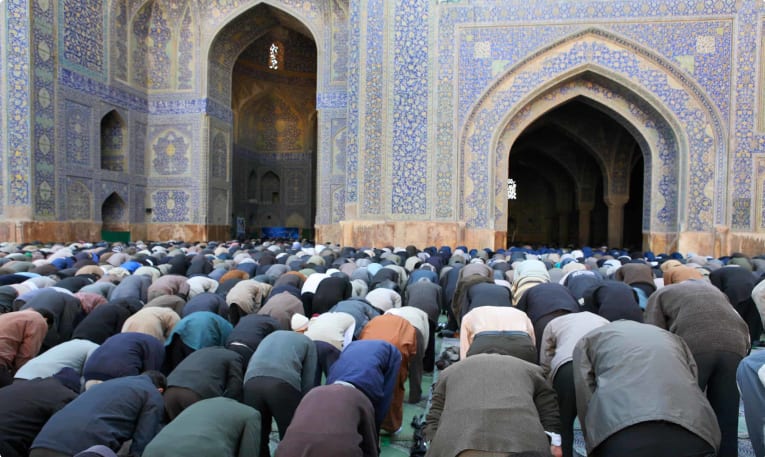
Key Highlights
- Purification (Taharah): Comprehensive exploration of both physical and spiritual purity including detailed processes like wudu, ghusl, tayammum, and more.
- Prayer (Salat): Examination of the structured components of prayer including obligatory acts, additional recommended acts, and conditions ensuring validity.
- Interconnection of Acts: Clear emphasis on how the states of ritual purity and proper prayer practices interrelate, forming the bedrock of valid worship.
Introduction
Islamic jurisprudence (fiqh) systematically covers the varied dimensions of everyday religious practices to ensure that both the physical and spiritual dimensions of a believer's life remain in harmony. Within this framework, Kitab al-Tahara (The Book of Purification) and Kitab al-Salat (The Book of Prayer) stand out as foundational texts. They not only prescribe the methods by which Muslims maintain ritual purity but also delineate the structured practices of the five daily prayers and the supplementary forms of worship. This analysis aims to synthesize the comprehensive details found within these texts, providing an in-depth overview of the legal rulings, methodologies, and underlying spiritual significances inherent in these practices.
Kitab al-Tahara (The Book of Purification)
Overview and Significance
Taharah, meaning purity, is at the heart of a believer's conduct in Islam; it is established as "half of the faith" based on prophetic tradition. Purification encompasses both the physical cleanliness of the body, clothes, and environment, as well as the inward cleansing of the heart. These practices are critical prerequisites for valid worship, as impurities or *najasah* (ritual or physical impurities) can invalidate prayers and other sacred acts.
Categories and Definitions
Physical vs. Spiritual Purity
The concept of taharah is divided into physical and spiritual realms. Physical taharah involves the removal of visible impurities such as trace elements of blood, urine, or other discharges, ensuring that the body, garments, and surrounding environment are free from contamination. Spiritual taharah, on the other hand, directs attention towards the cleansing of the heart from spiritual maladies such as envy, arrogance, and sinfulness.
Terminology and Impurities
Within this context, two primary types of impurities are recognized: hadath and khabath. Hadath refers to the state of minor ritual impurity that requires a prescribed purification process (wudu) to restore a state of ritual cleanliness. Khabath, more broadly, refers to physical impurities that require removal from objects and the body without the need for a specific intention (niyyah) associated with ritual purification. Understanding these definitions is essential for the correct application of purification laws.
Methods of Purification
Wudu (Ablution)
Wudu is the ritual washing performed prior to prayer. The prescribed steps include washing the face, arms up to and including the elbows, wiping over the head, and washing the feet up to the ankles. This process is mandatory to remove minor impurities and prepare the believer for direct communication with the Divine. Specific conditions must be met, including the intention behind the act and the use of pure water. Moreover, certain actions, such as any act that results in the re-emergence of impurities (nullifiers), must be strictly avoided to maintain the validity of wudu.
Ghusl (Full Body Wash)
Ghusl is obligatory under circumstances where an individual is exposed to major impurities. This includes instances such as sexual relations, the occurrence of menstruation, and post-partum bleeding. Unlike wudu, which addresses minor impurities, ghusl entails washing the entire body. The process includes ensuring that every part of the body is cleansed, with specific attention paid to areas where impurities commonly accumulate. Scholars have provided extensive guidelines on the order and thoroughness required to achieve a state of complete ritual purity.
Tayammum (Dry Ablution)
In circumstances where water is unavailable, tayammum serves as an acceptable alternative to wudu and ghusl. This method involves using clean earth or dust to symbolically replace the physical act of washing with water. The requisite conditions for tayammum demand that no pure water is accessible, and the act must be carried out with the intention of purifying oneself. Although the steps in tayammum are comparatively simple, the underlying jurisprudential debates concerning the type and availability of water highlight the critical role of water purity within Islamic law.
Istinja (Cleansing After Bodily Functions)
Istinja is the act of cleaning the private parts after using the restroom. This practice ensures that any physical impurities are completely removed from the body. Specific guidelines determine which materials may be used for istinja and what constitutes adequate cleansing. Adab (etiquette) associated with this act emphasizes modesty and cleanliness, reinforcing the significance of both physical and spiritual purification.
Additional Nuances in Purification
Classification and Treatment of Impurities
Islamic jurisprudence meticulously categorizes various forms of impurities (*najasah*). This concept extends to different substances such as blood, urine, and other bodily discharges each requiring specific methods for purification. Jurists debate and elucidate the particular protocols for cleansing items with traces of these impurities, thus ensuring that the physical environment remains conducive to worship.
Special Considerations in Female Purification
In Kitab al-Tahara, special rulings are articulated regarding women's purification. This includes detailed instructions for handling menstruation (haidh), postpartum bleeding (nifas), and other conditions like irregular bleeding (istihadha). These rulings ensure that women are appropriately guided on maintaining ritual purity while recognizing the natural variations in their biological processes.
Kitab al-Salat (The Book of Prayer)
Overview and Theological Importance
Kitab al-Salat is an indispensable part of Islamic fiqh that directly addresses the manner in which Muslims perform their daily prayers. Prayer in Islam is more than a mere physical performance; it is the spiritual dialogue between the worshipper and Allah. It serves as the core of Islamic practice and a direct manifestation of one’s faith. The text outlines the obligations and recommendations that ensure prayers are performed correctly, thereby upholding the sanctity of the act.
Conditions and Prerequisites for Salat
Purity and the State of Taharah
As a precondition for valid prayer, the state of taharah must be ensured. This means that before engaging in prayer, a Muslim must be free from both physical and spiritual impurities. Whether through wudu, ghusl, or tayammum, purification ensures that the act of prayer is conducted in a state of optimal cleanliness. This interconnection reinforces the intrinsic link between physical acts and spiritual integrity.
Adherence to Direction and Covering of Awrah
A critical requirement in the performance of salat is the correct orientation towards the Qiblah, the Sacred direction of the Kaaba in Mecca. In addition, there is a mandate to cover the awrah, the intimate parts of the body that must remain concealed during prayer. These conditions underscore the broader objective of maintaining both physical modesty and spiritual reverence.
Structure and Components of Prayer
Obligatory Acts (Fard) of Salat
The Salah is structured into several distinct units known as rak’ahs. Each rak’ah comprises specific actions that must be performed in a defined sequence. The fard, or obligatory acts, include:
- Standing (qiyam), which symbolizes engagement in the act of worship.
- Recitation of Surah al-Fatiha, the opening chapter of the Quran, followed by additional verses.
- Bowing (ruku), as an expression of humility.
- Prostration (sujud), where the forehead touches the ground in absolute submission.
- Sitting between the two prostrations (jalsa), which is pivotal for the subsequent completion of the prayer.
Supplementary and Recommended Practices
Beyond the obligatory acts, it is highly recommended to incorporate additional supplications and actions during prayer. These include:
- Additional rak’ahs that serve as voluntary acts (nafl) to enhance spiritual reward.
- Sunnah acts that follow the example of Prophet Muhammad, such as specific recitations and gestures.
- Special provisions for the traveler such as the shortening of the prayer (qasr) and combining prayers when necessary.
Prayer Timings and Variations
Daily Prayers and Their Timeframes
Islamic prayer is segmented into five daily intervals: Fajr, Dhuhr, Asr, Maghrib, and Isha. Each time period is designated with precise parameters which dictate the beginning and ending times of the prayer. In addition to these obligatory practices, there exist supplementary guidelines outlining the recommended and disliked times for performing various prayers to enhance their spiritual efficacy.
Special and Congregational Prayers
Certain occasions call for special forms of prayer. For instance, the Friday prayer (Salat al-Jumu’ah) is conducted in a congregational setting where an imam leads the community. Other special prayers include those during religious festivals (Salat al-Eid), prayers for guidance (Salat al-Istikhaarah), and prayers in response to natural phenomena (such as eclipse or rain prayers). These distinct forms underscore the adaptability of Islamic prayer practices to various circumstances while retaining core ritual elements.
Invalidating Factors in Salat
Actions and Conditions That Nullify Prayer
A number of actions can invalidate a prayer if performed intentionally or if they detract from the congregation of required acts. These include:
- Breaking the state of taharah mid-prayer, such as through contact with recognized impurities.
- Significant movements or speaking intentionally during the act that affect concentration and the formal structure of the prayer.
- Skimping on any of the fard components, thereby undermining the integrity of the prayer.
Comparative Analysis and Integrated Concepts
Interrelationship Between Purification and Prayer
A recurring theme in Islamic jurisprudence is the intrinsic bond between purification and prayer. Purity through taharah is not merely a hygienic requirement—it symbolizes a physical manifestation of inner sincerity, serving as a gateway to valid worship. Without a state of ritual cleanliness, the entire act of prayer is compromised, highlighting the deeply intertwined nature of these foundational practices.
Comparative Table of Core Concepts
| Aspect | Kitab al-Tahara | Kitab al-Salat |
|---|---|---|
| Primary Focus | Establishing and maintaining both physical and spiritual purity | Ensuring accurate performance of the five daily prayers and supplementary acts |
| Key Rituals | Wudu, ghusl, tayammum, istinja | Qiyam, recitation of Al-Fatiha, ruku, sujud, tashahhud |
| Prerequisites | State of taharah prior to any act of worship | Requirement of purification, facing the Qiblah, covering the awrah |
| Spiritual Significance | Purity reflects inner sincerity and acts as a foundation for faithful conduct | Prayer is the primary channel to connect with the Divine and reinforces the moral integrity of the believer |
Nuances in Jurisprudence and Variations in Practice
While the fundamental tenets remain uniform, scholars over the centuries have debated nuances in the procedures of both purification and prayer. For example, the interpretation of terms related to water quality in the context of wudu and tayammum continues to be a point of scholarly discussion. Similarly, different schools of thought in Islamic jurisprudence sometimes provide slightly varied instructions for performing prayer, such as the specific counts of rak’ahs or the timing adjustments for a traveler’s prayer (qasr). These variations, however, converge on the common goal of preserving the sanctity and precision required in acts of worship.
Detailed Procedural Guidelines
Step-by-Step Process for Wudu
The wudu begins with the intention (niyyah) to purify oneself for prayer. The process includes a series of prescribed steps:
- Washing the face thoroughly.
- Washing the arms up to the elbows.
- Wiping the head, with particular focus on ensuring even coverage.
- Washing the feet up to the ankles.
Each step is to be performed with careful recitation of the relevant supplications. The sequence fosters mindfulness and reverence, ensuring that the purification ritual is not merely mechanical, but is imbued with spiritual significance.
Detailed Steps of Ghusl
Ghusl requires the washing of the entire external body, ensuring that no area remains contaminated. The steps can be summarized as:
- Beginning with an intention, the process starts by washing the hands to ensure initial cleanliness.
- Subsequently, water is poured over the head, ensuring that the scalp and hair are completely soaked.
- Each part of the body is then washed in a deliberate manner, starting from the upper body and moving downwards until the feet are reached.
The process is prescribed to ensure both physical cleansing and to serve as an act of submission and humility before Allah.
Guidelines for Tayammum
Tayammum, as a substitute for wudu or ghusl when water is not available, involves the use of clean earth or dust. The key procedural steps include:
- Making the intention (niyyah) without reliance on water.
- Striking lightly on a surface of clean earth.
- Rubbing the face and hands with the dust, symbolizing the purification process.
Despite its brief procedure, tayammum carries the same weight in deliberating one’s readiness for prayer.
Conclusion
In conclusion, the fiqh detailed in Kitab al-Tahara and Kitab al-Salat provides an extensive blueprint for how believers should approach acts of purification and prayer. The intricacies involved in maintaining both physical and spiritual cleanliness are not just practical mandates but are deeply intertwined with one’s inner faith and relationship with Allah. The structured guidelines, whether they pertain to the washing procedures in wudu and ghusl or the sequential performance of prayer, reflect a comprehensive system whereby everyday acts of worship are elevated to significant spiritual exercises. As seen through the detailed steps and jurisprudential debates, these texts not only safeguard the ritual integrity of acts of worship but also nurture a mindful, respectful approach to one’s relationship with the Divine.
The meticulous nature of these guidelines illustrates that fiqh is not static; rather, it adapts to various contexts such as environmental conditions (like the availability of water) and special circumstances (for example, women's purification matters). By adhering to these practices, a Muslim is constantly reminded of the importance of intention, discipline, and reverence in every act of worship. This integration of law and spirituality is what distinctly characterizes the Islamic approach to both purification and prayer, setting a paradigm for holistic religious observance.
References
- Sahih Muslim - IIUM
- Types of Tahara - Riwaq Al Quran
- Unit 1 Fiqh Taharah - Scribd
- Kitab ut-Taharah - Tarbiyah Books Plus
- Fiqh Course - Whitethread
- Salah - Wikipedia
- Fiqh of Salah - Slideshare
- Kitab al-Tahara - Inter-Islam
Recommended Further Queries

Last updated February 26, 2025