
Exploring the Physical Impact of Fire in Kinawe, Libona, Bukidnon
Understanding the extent of potential damage through a multi-dimensional perspective
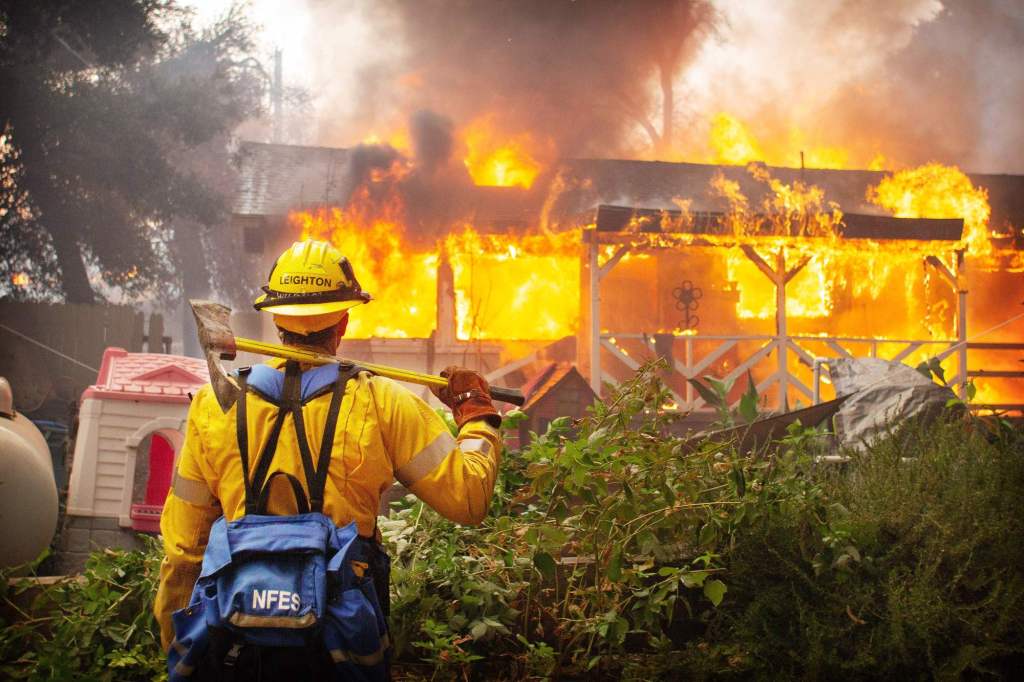
Key Highlights
- Structural and Infrastructure Damage: Fires can severely compromise buildings, roads, and essential services.
- Environmental and Ecosystem Disruption: Fire causes soil erosion, loss of vegetation, and long-term ecological imbalances.
- Health and Livelihood Concerns: Exposure to toxic fumes and the destruction of agricultural assets pose direct risks to residents.
Overview of Physical Impacts
Fire poses a significant risk in Kinawe, Libona, Bukidnon, with multifaceted physical impacts. Its effects are not limited solely to property damage but extend to broader implications for community safety, infrastructure reliability, environmental stability, and the local economy. This analysis synthesizes insights into five primary areas of concern: structural damage, infrastructure disruption, environmental degradation, health risks, and economic losses.
Structural Damage
Fires can result in the immediate destruction and long-lasting weakening of buildings and other structures. In Kinawe, where residential and non-residential buildings often form the fabric of community life, the impact can be catastrophic:
Residential and Non-Residential Buildings
Residential homes, community centers, schools, and other critical structures may be either partially or completely destroyed during a fire. The heat generated can compromise structural integrity, leading to unsafe conditions even if the buildings do not collapse entirely. Additionally, water used during firefighting efforts can cause secondary damage by undermining building foundations and leaving behind moisture-related issues.
Agricultural and Industrial Structures
Bukidnon’s economy has a strong agricultural base, and fires can decimate crops, agricultural machinery, and storage facilities. Loss of these assets not only impacts food supply but also devastates the socio-economic foundation of local communities who depend on farming.
Infrastructure Disruption
Essential infrastructure is highly vulnerable during a fire emergency, and the consequences of such damage ripple through the community.
Transportation Networks
Fires may damage roads, bridges, and other critical transport infrastructure, leading to isolation and difficulties in accessing emergency services. This disruption can hinder evacuation efforts and delay the delivery of aid and equipment needed for post-fire recovery.
Utility and Communication Systems
Collapse or damage to power lines, water systems, and telecommunication towers results in service outages that affect both emergency responses and day-to-day life. The interruption of these services further exacerbates the challenges faced by fire-affected communities, complicating recovery operations.
Environmental and Ecological Impact
The environmental effects of fire extend far beyond the immediately visible damage. A fire in this region can lead to long-term ecological shifts:
Vegetation and Ecosystem Disruption
Wildfires not only demolish vegetation but also destabilize the soil, leading to increased risks of erosion and landslides. The loss of plant life can alter local ecosystems, reduce biodiversity, and impair the natural regrowth processes. Over time, these changes can affect wildlife habitats, rendering the environment less resilient.
Pollution and Water Contamination
The immediate aftermath of a fire often includes significant pollution problems. Particulates and toxins released into the air can settle on land and waterways, contaminating soil and water supplies. Such degradation can hamper agricultural recovery and pose long-term health risks.
Health and Safety Hazards
Fire incidents carry a high potential for health-related consequences affecting residents both during and after an event.
Respiratory and Other Health Conditions
Exposure to smoke, toxic gases, and particulate matter is a major public health concern. Inhaling such substances can lead to respiratory issues such as bronchitis, asthma, and chronic obstructive pulmonary disease (COPD). The long-term exposure to these hazards may result in persistent respiratory conditions and increase the risk of cardiovascular problems.
Mental Health and Community Well-being
Beyond physical injuries, fire events produce significant psychological stress. The trauma associated with sudden displacement, loss of property, and the overwhelming uncertainty during and after emergencies can lead to long-lasting mental health issues. Community support systems are often strained, and the resulting stress may impede overall recovery.
Economic and Livelihood Impacts
The economic ramifications of fire are both immediate and enduring. Damage to property, loss of agricultural productivity, and the costs of rebuilding can have a ripple effect on the local economy.
Loss of Assets and Financial Burden
Rebuilding destroyed homes, commercial properties, and public infrastructure requires a massive financial outlay. For many residents, especially in rural regions like Kinawe, the loss of property translates to not only a physical but also an economic setback. Farmers and business owners may face crippling losses from damaged equipment, stored goods, and diminished market access.
Disruption of Routine Economic Activities
The interruption of everyday life, triggered by damaged infrastructure and disrupted services, further compounds economic instability. Communities might experience reduced economic productivity as people struggle with the challenges of recovery and reconstruction, leading to prolonged periods of financial hardship.
Comparative Impact Table
| Impact Area | Description | Examples |
|---|---|---|
| Structural Damage | Destruction and weakening of buildings and other structures. | Residential homes, schools, agricultural warehouses. |
| Infrastructure Disruption | Damage to transportation, communication, and utilities. | Roads, bridges, power lines, water supply systems. |
| Environmental Impact | Long-term ecological damage and pollution. | Loss of vegetation, soil erosion, air and water contamination. |
| Health Hazards | Immediate and long-term health risks from smoke and toxins. | Respiratory ailments, mental health stress, chronic diseases. |
| Economic Consequences | Financial setbacks from property and livelihood losses. | Rebuilding costs, loss of agricultural assets, business interruption. |
Additional Considerations and Mitigation Strategies
While the potential impacts of fire in Kinawe, Libona, Bukidnon can be severe, it is essential for local stakeholders to prioritize fire prevention and mitigation strategies. Educating residents about fire safety, enforcing building and land-use regulations, and investing in robust firefighting infrastructure can reduce the risk of catastrophic outcomes.
Community Preparedness
Educating community members about fire hazards and emergency response can empower residents to act decisively during a fire outbreak. Regular fire drills, partly supported by local governments and NGOs, help residents understand evacuation procedures, the safe areas for gatherings, and first aid measures for dealing with burns and smoke inhalation.
Infrastructure Enhancement
Investing in better firefighting equipment, improved communication systems, and prompt emergency services can drastically cut down the damage caused by fires. Local governments need to collaborate with regional and national bodies to ensure that at-risk areas receive timely financial and technical support.
Environmental Management
Preventative measures, such as controlled burns and reforestation projects, can mitigate the long-term ecological effects of a wildfire. Ensuring adequate water resources around the communities, establishing firebreaks, and protecting natural barriers are essential components of a holistic fire management plan.
References
- Think Hazard - Bukidnon Wildfire - Think Hazard
- How Do Wildfires Affect Communities - WFCA
- Most Serious Impact of Fire Damage - AdvantaClean
- Understanding Wildfire Risk - Wildfire Risk
- Fire Hazards - Safety Educations
Recommended Further Exploration
Last updated March 24, 2025