
2024 Fire Incident Analysis
A comprehensive review of fire activity, trends, and management in 2024
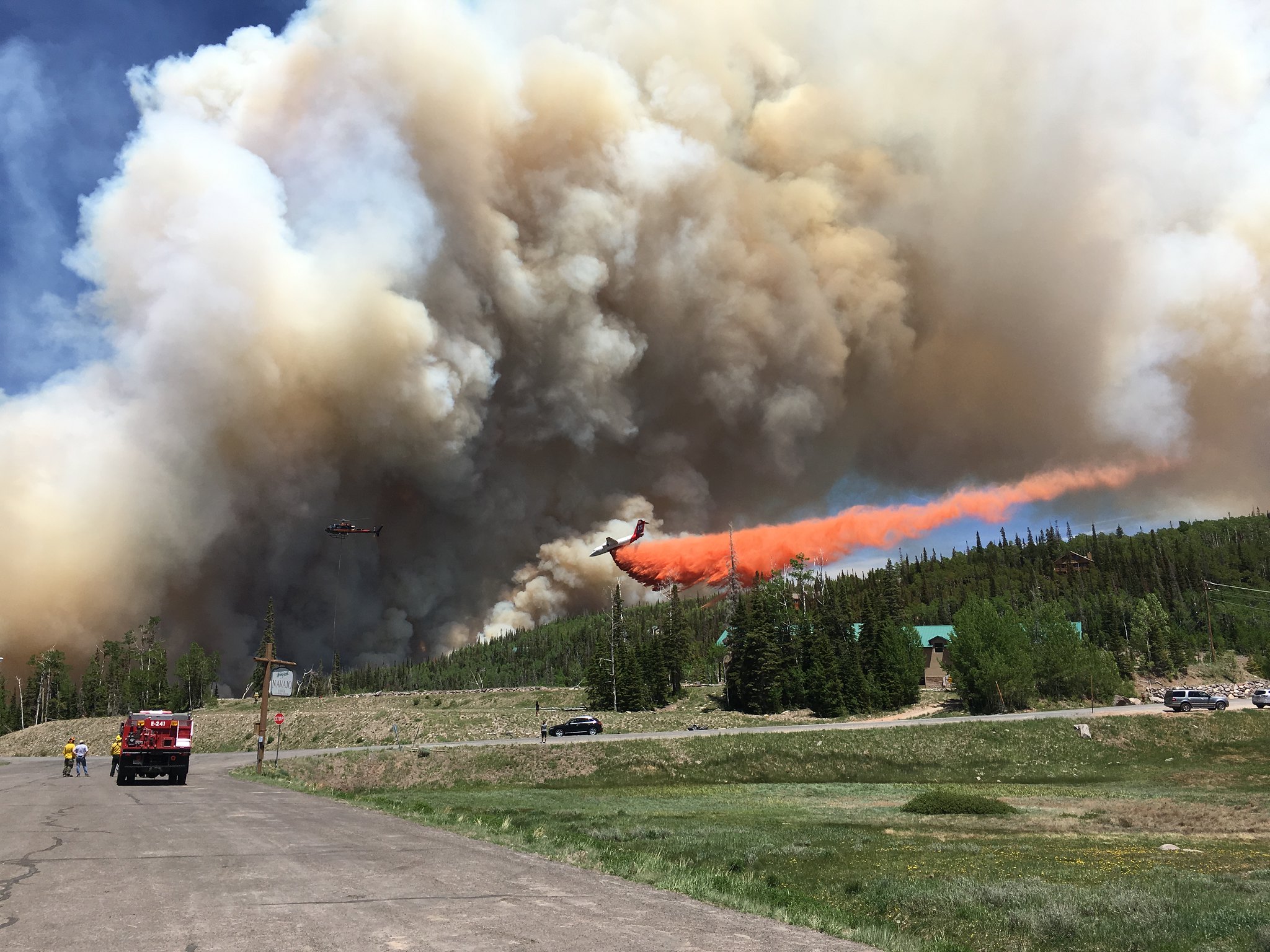
Key Highlights
- Widespread Wildfire Activity: Nationwide fire incidents with millions of acres burned and significant structural losses.
- Regional Extremes: California and several other regions faced exceptionally severe fire seasons, while areas like North Dakota and international regions reported unique challenges.
- Advanced Incident Management: Enhanced coordination through specialized teams and evolving strategies, highlighting the impacts of climate change and human activity.
Overview of Fire Activity in 2024
The year 2024 presented an intricate landscape of fire incidents ranging from wildfires spanning millions of acres to urban and structural fires with significant economic consequences. Across the United States, fire activity was characterized by both an increase in the area burned and notable challenges in tackling vast wildfires. While the overall count of incidents in some regions was lower than previous years, the intensity and destructive capacity, as measured in acres burned and structures lost, remained strikingly high. This multifaceted scenario underscores the dual challenges of managing frequent incidents and addressing the intensifying effects of climate change.
National Wildfire Trends
Nationwide, the fire season of 2024 was marked by a significant number of wildfires which, based on evaluations from various agencies, consumed millions of acres of land. Although the total number of incidents in many cases fell just below the long-term average, the total area burned was much higher than what had been recorded in the previous decade. This divergence signals a trend where even with fewer fires, each incident tends to be more severe, highlighting factors such as heightened temperatures, prolonged drought conditions, and increased fuel loads. Over 7.8 million acres were reported to have burned in several incidents by late September, indicating that large-scale, high-intensity fires have become more commonplace.
Wildfire Statistics
The data indicates that in many regions, the wildfires of 2024 presented unique challenges. With total incident numbers slightly under the annual average, the vast amount of acreage implicated pointed to insufficient fuel breaks and escalating fire behavior. For example, nationwide monitoring agencies observed that although wildfires were marginally below typical counts, the extent of land affected surpassed a 10-year average, reinforcing that individual fires grew more rapidly and burned larger swaths of land.
Impact on Structures and Infrastructure
Beyond the immediate natural landscape, 2024 saw considerable damage to structures, with thousands of buildings, residences, and minor infrastructures being either damaged or completely destroyed. In the United States, notable urban areas faced extensive emergency responses with several cities reporting a myriad of incidents. The economic impact was substantial, with property losses in some regions amounting to tens of millions of dollars. Such losses not only include residential homes but also crucial public and commercial infrastructure, which further threatens community resilience.
Urban and Structural Fire Concerns
Several metropolitan fire departments reported minor decreases in emergency responses, yet still faced hundreds of structural incidents causing significant safety risks for residents. The challenges in urban areas differ from those in wildlands, as fires in built environments demand coordinated efforts involving rescue operations, property salvaging, and infrastructure sheltering. These complexities illustrate that while wildfires capture extensive headlines, fire safety in urban settings remains a critical challenge requiring immediate attention.
Western Fire Seasons: Spotlight on California
Among the various regions affected, California emerged as one of the most severely impacted states in 2024. The state, frequently affected by prolonged dry spells paired with high temperatures, witnessed several critical incidents that underscored the increasingly pervasive threat of wildfires.
California’s Challenging Fire Landscape
A particularly devastating incident in California was marked by an extensive fire that consumed over 429,000 acres across multiple counties. This incident not only resulted in the destruction of hundreds of structures but also forced the temporary closure of significant landmarks such as national parks. The underlying causes were multifaceted, involving human factors such as fire-starting arson, compounded by environmental conditions like abnormal weather patterns and dense vegetation growth from previous wet seasons.
Park Fire and Other Significant Incidents
The severity of the California fire season was emphasized by events where both large and small fires converged to create an environment ripe for rapid fire spread. In addition to the large-scale Park Fire, other localized incidents contributed to California’s overall emergency response figures, causing widespread power outages, evacuations, and community displacement. These events have emphasized the need for more effective risk management and community preparedness strategies.
Emergency Response and Management Efforts
Challenging fire events in California required a well-coordinated emergency response, utilizing advanced incident management frameworks. The deployment of specialized management teams proved critical in coordinating both ground-based and aerial fire suppression efforts. These teams were essential for managing complex fire scenarios and ensuring that strategies adapted in real time to the rapidly evolving fire landscapes.
Regional and Global Perspectives
While fire incidents in 2024 were ubiquitous across many parts of the United States, individual regions faced distinct challenges shaped by their unique environmental and infrastructural characteristics. For instance, states like North Dakota experienced a mix of urban and rural fire incidents, with a notable number of fire-related fatalities and significant monetary losses in property. Meanwhile, international regions, including parts of the Amazon and Australia, encountered parallel issues where natural wildfire patterns were exacerbated by extreme weather.
Regional Variability in Fire Incidents
In states such as North Dakota, fire incidents were more balanced in number compared to high-intensity events reported elsewhere; however, the financial implications were severe. Millions of dollars in property losses, combined with tragic loss of life, underscored that even in regions with fewer incidents, the stakes remained high. The emphasis in these areas has been on improving rapid response times, investing in community fire education, and employing technology for early warning systems.
International Fire Comparisons
Beyond the borders of the United States, international fire incidents have similarly reflected global trends where extreme weather conditions and ecological imbalances contribute to devastating wildfire events. Regions like the Amazon have experienced slight increases in burned acreage, driven by both natural factors and deforestation practices. Likewise, parts of Australia have seen wildfires intensify due to extended dry periods, which, when combined with high temperatures and strong winds, create nearly uncontrollable situations.
Emergency Services and Preparedness
An evolving aspect of the 2024 fire season has been the refinement in incident management systems. Across regions, coordinated responses involving Complex Incident Management Teams (CIMTs) have become more widespread. Such teams, designed to integrate on-the-ground operations with strategic command centers, have successfully improved situational awareness and resource allocation. These collaborative efforts—spanning local fire departments to federal agencies—are central to tackling the challenges posed by large, unpredictable fire events.
Role of Technology and Data
The integration of advanced technologies and real-time data analytics played a pivotal role in 2024. Fire monitoring systems employing satellite imagery, drone surveillance, and predictive weather models allowed responders to better anticipate fire behavior and mobilize interventions promptly. The growing trend towards data-driven decision making has provided a clearer picture of fire progression, enabling more efficient and targeted responses. These initiatives are critical for minimizing both the ecological destruction and the human impact of fire incidents.
Incident Management: Strategies and Challenges
Modern fire management strategies have evolved significantly, particularly in response to the increasing complexities of the fire season as demonstrated in 2024. Incident management now leverages a combination of traditional firefighting techniques alongside sophisticated technology and organizational innovations.
Emergency Coordination and Response Teams
A critical component of effective fire management involves the timely deployment of Incident Management Teams. These specialized teams are equipped to handle complex scenarios, ranging from rapidly spreading wildfires to multiple concurrent incidents within urban areas. The transition to an advanced team-based approach allowed for smoother coordination among various agencies. This integrated structure has been essential in mitigating further damage to both life and property.
Deployment and Resource Allocation
Data from 2024 indicates that resource allocation strategies were a key focus. The implementation of coordinated emergency response frameworks ensured that personnel, firefighting equipment, and aerial support were dispatched effectively to the areas most in need. Investments in technology and training allowed these teams to dynamically shift resources in response to shifting fire behaviors, optimizing both safety and operational efficiency.
Challenges in Fire Management
Despite the robust response strategies, the 2024 fire season exposed several challenges that persist in fire management efforts. Critical issues included sustaining adequate supplies of firefighting resources, maintaining a well-trained emergency workforce, and ensuring communities are well-prepared for rapid evacuations. Each fire incident, severe or minor, stresses logistical capabilities and highlights the necessity for continual improvements in both infrastructure and strategic planning.
Economic and Environmental Implications
Beyond the immediate tragic loss of structures and lives, fire incidents in 2024 bore significant long-term economic and environmental implications. Economically, the cost of firefighting operations, property loss, and subsequent rebuilding efforts placed severe strains on local and state budgets. Regions grappling with recurrent fire events are increasingly factoring in economic resiliency models that integrate risk assessment, community preparedness, and infrastructure reinforcement.
Long-Term Environmental Effects
Environmentally, the extensive acreage consumed by wildfires has profound effects on biodiversity, air quality, and future land use. The aftermath of large-scale fires often includes prolonged soil erosion, diminished habitat quality, and altered water cycles. In areas where natural predators of wildfire fuels are diminished, recovery tends to be slow, making the use of controlled burns and restored firebreaks essential components in the long-term mitigation strategy.
Data Analysis and Comparative Overview
In synthesizing the data from 2024, a comparative analysis reveals both encouraging trends in emergency preparedness and persistent vulnerabilities in managing large-scale fire incidents. The ability of various agencies to cross-communicate and coordinate has improved markedly, yet the increasing severity of individual fires continues to outpace historical averages. This table below provides a snapshot overview of select key statistics and trends.
| Category | 2024 Statistics | Notable Insights |
|---|---|---|
| Total Wildfires | Approximately 38,000 to 65,000 incidents nationwide | Fewer individual fires but more intense, larger-scale wildfires |
| Acres Burned | Over 7.8 million acres in some regions; exceeds long-term average | Indicates rapid spread and intensity of large fires |
| Structural Damage | Hundreds to thousands of structures affected | Urban and rural fire incidents both triggered significant losses |
| Economic Losses | Tens of millions of dollars in property damages | Highlights the importance of investing in fire prevention and recovery |
| Deployment of Incident Teams | Enhanced use of Complex Incident Management Teams | Improved coordination but challenged by rapidly changing fire dynamics |
Interpreting the Data
The expanded scope of damage and extensive acreage burned are key indicators of how fire dynamics are changing. Even as the frequency of incidents in some regions appears to have stabilized, the lethality and scale of individual events have underscored the complex interplay between environmental variables and human intervention. This data provides an essential framework for policymakers, emergency responders, and community leaders to refine both immediate response mechanisms and long-term fire management strategies.
References
- 2024 Fire Season Incident Archive - CAL FIRE
- 2024 North American Wildfires - Disaster Philanthropy
- Preliminary Fire Statistics for 2024 - Prairie Public
- Columbus Fire Department 2024 Response Totals - The Republic
- Topeka Fire Department 2024 Emergency Calls - WIBW
- North Dakota Fire Losses 2024 - KFGO
- U.S. Firefighter Fatalities 2024 - U.S. Fire Administration
- National Interagency Fire Center - NFN Data
- Wildfires in 2024 - Wikipedia
- National Fire Incident Reporting System - U.S. Fire Administration
Recommended Topics for Further Insight
Last updated March 3, 2025