
Fire Incident Government Policy
A Comprehensive Analysis of Fire Safety Regulations and Response Strategies
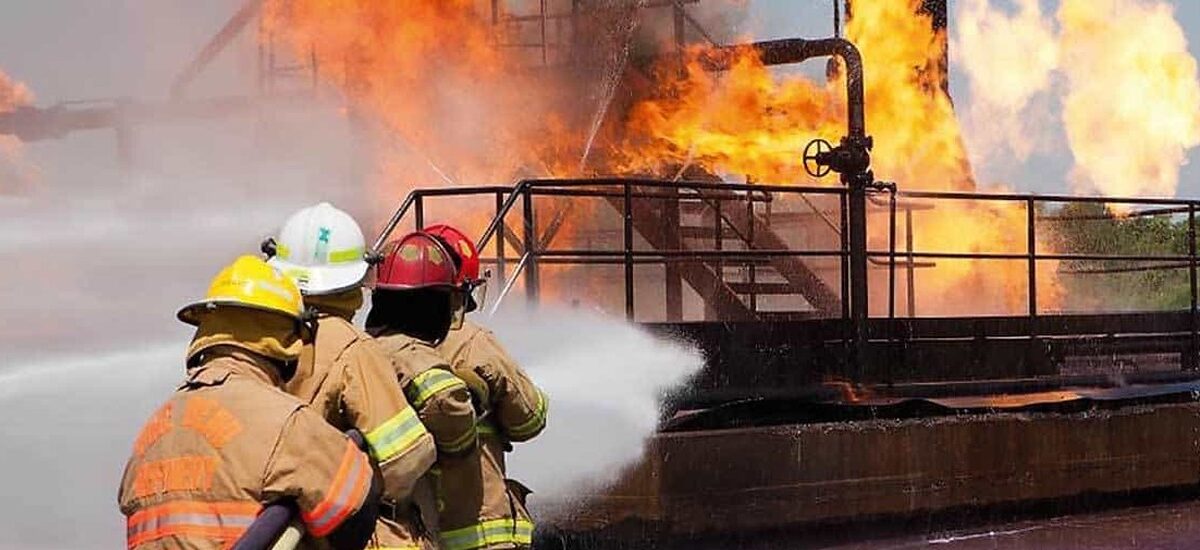
Key Highlights
- Comprehensive Regulatory Framework: From building codes to incident command protocols, government policies cover every aspect of fire safety.
- Integrated Emergency Response: Standard operating procedures and multi-agency coordination enhance effective response during emergencies.
- Prevention and Mitigation: Proactive measures, including public education, training, and community involvement, are crucial to minimizing fire risks.
Overview and Historical Context
Government policies regarding fire incidents are crafted to safeguard lives, properties, and the environment through a set of comprehensive regulations and procedures. Over time, these policies have evolved from early suppression strategies to integrated frameworks that acknowledge the ecological role of fire while ensuring rapid emergency response. Historically, approaches were strongly focused on fire suppression, particularly in the context of wildfires. However, as research and experience have demonstrated, a balance between suppression, controlled burns, and prevention is essential. Today’s policies reflect a blend of traditional safety measures, innovative prevention techniques, and interagency collaboration.
Evolution of Policies
Early fire incident policies were predominantly centered on aggressive suppression strategies to control and extinguish fires as quickly as possible. These methods, while effective in the short term, began to reveal limitations as the ecological and social dynamics of fire-prone regions evolved. Landmark events, such as the tragic incidents that highlighted firefighter safety concerns, led policymakers to reframe strategies. In the early 2000s, comprehensive legislative and policy reviews resulted in more holistic approaches like the National Fire Plan and subsequent legislative reforms. These initiatives not only emphasized suppression but also integrated community preparedness, firefighter safety, and ecological considerations such as the natural role of fire in forest regeneration.
Core Components of Fire Incident Policies
Regulatory Framework and Building Codes
Building Codes and Fire Safety Standards
One of the critical pillars of contemporary fire incident policies is the imposition of strict building codes and fire safety standards. These codes ensure that:
- Buildings have adequately planned fire exits and clear signage.
- Construction materials incorporate fire-resistant elements.
- There is proper storage of flammable materials, thereby reducing the risk of rapid-fire propagation.
- Occupants and building managers are aware of emergency evacuation procedures.
These regulations are not static; they are updated periodically in response to advances in technology and a better understanding of fire dynamics. For instance, many regions have implemented revised codes that reflect lessons learned from past fire incidents, ensuring that structural integrity and safety remain at the forefront of building design.
Safety Regulations and Standards
In addition to building codes, safety regulations encompass comprehensive fire safety standards mandated by national organizations and local governments. These standards include guidelines for the proper installation and maintenance of fire suppression systems, emergency lighting, and communication systems that are crucial during an emergency. The rules ensure continuous training for personnel, regular inspection of infrastructures, and proper maintenance of fire equipment.
Incident Command and Emergency Response
Integrated Response Protocols
Central to fire incident policies is the establishment of an integrated response framework. This framework details standardized procedures to guide fire departments and emergency services during an incident. Emergency response plans specify the following key elements:
- Incident Response Protocols: Clearly defined steps for arrival, on-scene assessment, and tactical operations aim to preserve lives and reduce harm.
- Incident Command Systems (ICS): These systems establish a clear hierarchy and assign specific roles and responsibilities. The coordinated structure ensures that multiple agencies work in tandem during high-stress emergency situations. It fosters seamless communication and strategic decision-making, which are essential when managing large-scale incidents in urban, suburban, or wildland environments.
- Standard Operating Procedures (SOPs): Operational guidelines detail the sequence of actions required to mitigate risks, manage resources efficiently, and deploy emergency responders in a coordinated fashion.
Coordination and Communication
For effective management of fire incidents, government policies mandate robust communication systems that link local, state, and federal agencies. Such systems are designed to:
- Enable real-time data sharing among first responders.
- Facilitate rapid mobilization of resources to the incident scene.
- Support coordinated evacuation and public alert measures.
This integrated approach allows for the deployment of specialized teams, harmonizes efforts across various jurisdictions, and ensures that every entity involved in fire management can contribute effective, timely responses.
Prevention, Preparedness, and Public Involvement
Proactive Measures and Training
Public Education and Safety Programs
Prevention is a critical aspect of fire incident policies. Recognizing that public awareness can play a pivotal role in reducing fire risks, many government policies have incorporated robust education campaigns and safety programs. These initiatives aim to:
- Educate the public on fire safety practices and the proper use of fire extinguishing equipment.
- Provide guidelines on home safety planning, including the installation and maintenance of smoke detectors and fire alarms.
- Promote community drills and training sessions to increase overall readiness in case of an emergency.
Mandatory Training and Regular Inspections
Fire incident policies require that both professionals and the general public undergo regular fire safety training. For emergency personnel, continuous professional development ensures they remain proficient in the latest response methodologies and technological advancements. For building owners and residents, periodic training sessions and inspections help identify potential risks before they escalate into emergencies. Routine inspections of residential and commercial buildings ensure that safety protocols and fire prevention measures are consistently maintained. These inspections check for adherence to building codes, the condition of fire safety equipment, and compliance with local fire safety regulations.
Policy Implementation and Coordination
Interagency Collaboration and Community Engagement
Legal and Regulatory Compliance
Successfully managing fire incidents requires not only solid planning but also strict enforcement of legal and regulatory standards. Government policies outline the responsibilities of building owners, safety inspectors, and emergency services, creating a framework that holds each party accountable. In many regions, legal mandates require:
- Regular audits and compliance checks of fire safety systems.
- Standardized reporting mechanisms for documenting fire incidents and near-misses.
- Penalties and sanctions for non-compliance to incentivize adherence to safety protocols.
Such legal frameworks ensure that all stakeholders are committed to maintaining high safety standards. Coordination among different governmental departments, including local fire departments, municipal planning bodies, and national safety regulators, is achieved through established communication channels and coordinated emergency response systems.
Local and Community-Based Solutions
There has been a shift in recent years towards empowering local governments and communities in creating tailored fire safety strategies. These localized initiatives focus on:
- Customized zoning and land-use planning to minimize fire risks in fire-prone areas.
- Community-led preparedness programs that integrate local knowledge and resources.
- Decentralized decision-making processes that allow rapid response in dynamic situations, especially in the Wildland-Urban Interface (WUI) where urban developments meet open lands.
Comparative Overview of Policy Elements
Summary Table of Key Policy Components
| Policy Component | Description | Key Features |
|---|---|---|
| Building Codes | Regulations ensuring safe construction and adequate fire prevention measures. | Fire exits, fire-resistant construction, proper storage protocols. |
| Emergency Response Protocols | Standardized procedures and rapid mobilization of fire services. | Incident Command Systems, SOPs, coordinated communications. |
| Safety Regulations | Comprehensive guidelines for fire safety and prevention equipment. | Installation and maintenance of fire suppression systems, compliance audits. |
| Prevention and Preparedness | Programs aimed at educating the public and ensuring regular training. | Public education campaigns, regular safety drills, building inspections. |
| Legal Compliance | Frameworks holding stakeholders accountable to legal standards. | Inspections, audits, penalties for non-compliance. |
Challenges and Future Directions
Addressing Emerging Threats
Today's fire incident policies are challenged and enriched by evolving threats that stem from factors such as urban expansion, climate change, and shifting societal needs. As urban areas extend into traditionally wildland areas, managing the Wildland-Urban Interface has become increasingly complex. Modern policies now have to include flexible zoning laws, enhanced risk assessment techniques, and improved community alert mechanisms.
Furthermore, adapting to climate change involves rethinking long-standing fire suppression strategies. Governments are now increasingly focusing on not only immediate suppression but also long-term land management strategies that incorporate controlled burns and ecological restoration projects. These measures aim to build more resilient landscapes that can better withstand the impacts of severe fire seasons.
Incorporating Technology and Data
One of the most promising directions in fire incident management is the integration of cutting-edge technology and data analytics. Advanced fire detection systems, Geographic Information Systems (GIS), and real-time data sharing have transformed the way agencies understand and respond to fire hazards. Future policies are likely to emphasize:
- The use of satellite imagery and drones for early detection and monitoring of wildfires.
- Enhanced data collection mechanisms to analyze fire behavior and risk patterns.
- Improved communication networks that facilitate faster decision-making during emergencies.
References
- Fire Safety England Regulations 2022 - GOV.UK
- OSHA Fire Safety Standards - OSHA
- Codes and Standards - NFPA
- Fire Safety - Wikipedia
- Fire Safety Information Center - CPSC
- Fire Incident Action Plan - WFCA
- Fire Safety Legislation Guidance - GOV.UK
- Fire Response Structure - IAFC
- Response Policies - Everyone Goes Home
- NFPA Homepage - NFPA
Recommended Related Queries
Last updated March 3, 2025