
Fire Safety Training and Prevention Strategies
Empowering Environments Through Preparedness and Prevention
Key Highlights
- Comprehensive Training Programs: Focus on hazard identification, emergency response, and practical application of fire extinguishing techniques.
- Systematic Prevention Measures: Regular inspections, safe storage practices, and adherence to regulatory standards mitigate risks.
- Integrated Technology and Communication: Use of advanced fire detection systems and effective communication channels ensures rapid emergency response.
Overview of Fire Safety Training
Fire safety training is a critical educational process designed to empower individuals and organizations with the skills and knowledge necessary to prevent fire hazards and respond effectively when fires occur. The purpose of such training is to minimize risk, protect lives and assets, and ensure compliance with safety protocols and regulations. This comprehensive approach to fire safety encompasses various aspects ranging from hazard identification to emergency evacuation and the proper use of fire-fighting equipment.
The training programs typically combine theoretical instruction with practical exercises. They are designed for a wide range of audiences, including employees in industrial, commercial, and residential settings, as well as dedicated fire safety professionals. The underlying objective is not only to educate but also to foster a culture of safety where every individual is aware of potential risks and is capable of taking timely and appropriate actions.
Core Components of Fire Safety Training
Hazard Identification and Risk Assessment
Identifying Potential Fire Hazards
A foundational element of fire safety training involves the identification and assessment of potential fire hazards. This includes recognizing ignition sources such as faulty wiring, malfunctioning electrical systems, and the improper storage of flammable materials. Personnel are trained to inspect key areas within the workplace or home environment to detect risks early on.
In addition to identifying physical hazards, risk assessments involve evaluating operational procedures that could lead to elevated fire risks. This might include activities like welding, grinding, or the handling of volatile chemicals. Regular inspections and audits are critical to ensure that any emerging risks are promptly addressed.
Employee Training and Education
Developing Awareness and Preparedness
Effective fire safety training is built on well-structured educational modules that cover multiple key areas:
- Fire Prevention Methods: Training on how to eliminate or mitigate fire hazards through simple and effective strategies.
- Proper Use of Fire Extinguishers: Instruction on different types of fire extinguishers (water, foam, CO₂) including how to use the PASS method (Pull, Aim, Squeeze, Sweep).
- Emergency Response Protocols: Detailed guidance on evacuation plans, safe assembly points, and clear communication channels during emergencies.
- Hands-On Drills and Simulations: Regularly scheduled fire drills ensure that all individuals are familiar with the evacuation routes and know how to react swiftly in case of an emergency.
This dual approach of theoretical learning and practical application helps ensure that all individuals, regardless of their role, understand their responsibilities during a fire emergency.
Emergency Response and Evacuation Procedures
Executing Safe Exits
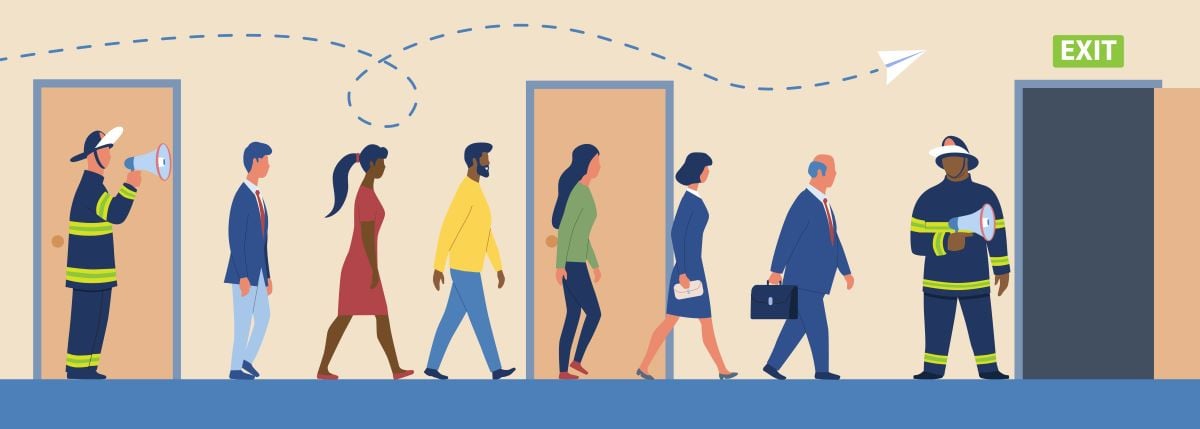
In the event of a fire, a well-coordinated emergency response is crucial. Fire safety training emphasizes the importance of quick decision-making under stress and prepares participants to execute safe evacuation procedures. Core elements of these procedures include:
- Establishing Clear Exit Routes: Mapping out and marking emergency exits clearly to avoid confusion during an evacuation.
- Assembly Points: Designating safe areas where individuals should gather after evacuation and accounting for everyone present.
- Special Considerations: Developing tailored evacuation plans to assist those with disabilities or other mobility restrictions.
Evacuation drills are not merely routine exercises but an essential component in ensuring that in an actual emergency, every individual knows exactly where to go and how to get there quickly and safely.
Utilization of Technology and Systems for Fire Prevention
Advanced Detection and Monitoring Solutions
Modern fire safety training integrates technology to enhance early detection and rapid response to fire incidents. Businesses and organizations invest in specialized systems, including:
- Automatic Fire Detection Systems: Use of smoke detectors, heat sensors, and fire alarms installed at strategic points to alert occupants as soon as a fire is detected.
- Real-Time Monitoring: Software solutions and IoT devices that offer continuous monitoring of high-risk areas, providing instant notifications to facility managers.
- Communication Platforms: Dedicated channels such as mass notification systems that relay critical safety information promptly during emergencies.
By incorporating these technological advancements, organizations can not only detect fires at an early stage but also coordinate a more effective response to contain and control the situation.
Fire Prevention Strategies
Proactive Measures to Avoid Fire Outbreaks
Regular Maintenance and Inspections
The effectiveness of fire prevention strategies lies in proactive measures that minimize fire risks:
- Routine Inspections: Periodic reviews of electrical systems, heating devices, and other potential ignition sources help prevent malfunctions that could lead to fires.
- Maintenance of Safety Equipment: Ensuring that fire extinguishers, alarms, and sprinkler systems are checked and maintained up to date is essential.
- Risk Assessments: Continuous risk assessments allow for the identification and remediation of new hazards as environments change.
Proper Storage and Handling of Flammable Materials
Safe storage practices are imperative for lessening the risk of fire-related incidents:
- Designated Storage Areas: Flammable materials, chemicals, and other hazardous substances should be stored in clearly marked, well-ventilated, and restricted areas away from ignition sources.
- Secure Containers: Use of approved containers and storage systems helps prevent accidental leaks and spills.
- Temperature and Humidity Control: Maintaining appropriate environmental conditions reduces the likelihood of materials reaching critical conditions that could lead to combustion.
Regulatory Compliance and Safety Protocols
Adhering to Standards and Best Practices
Fire prevention is governed by strict regulatory standards that organizations must adhere to. Compliance with both local and international regulations, such as those set forth by OSHA and the National Fire Protection Association (NFPA), plays a pivotal role in maintaining a safe environment.
Organizations should:
- Implement and Enforce Safety Policies: Develop company-wide safety protocols that detail preventive measures, emergency response, and clear guidelines on hazard management.
- Conduct Regular Training Updates: Ensure that fire safety training is reviewed and revised periodically to reflect changes in regulations and emerging best practices.
- Documentation and Record-Keeping: Maintain detailed records of inspections, drills, and any incidents to facilitate continuous improvement and regulatory compliance.
Clear Communication and Emergency Drills
Ensuring Readiness and Coordination
Effective communication is critical during both fire prevention and in the event of an emergency. Clear, consistent messaging through multiple channels ensures that everyone in the organization remains informed and prepared. Key approaches include:
- Regular Emergency Briefings: Disseminating information about fire hazards, preventive measures, and proper emergency protocols through daily briefings, posters, emails, and digital communication platforms.
- Scheduled Fire Drills: Regularly conducting fire drills to familiarize everyone with exit routes, assembly points, and emergency procedures, thereby reducing panic and confusion during real incidents.
- Feedback Mechanisms: Encouraging staff to report any potential hazards or lapses in safety protocols, ensuring that improvements can be made continuously.
Integrated Approach: Training and Prevention Tactical Table
The following table outlines key elements across fire safety training and prevention strategies, summarizing the integrated approach used by many organizations to ensure maximum preparedness.
| Category | Key Elements | Implementation Strategies |
|---|---|---|
| Hazard Identification | Risk Assessments, Regular Inspections, Faulty Wiring Checks | Conduct scheduled audits, use of advanced monitoring tools, periodic reviews |
| Employee Training | Theoretical Modules, Hands-On Drills, Emergency Response | Customized training sessions, regular fire drills, interactive simulations |
| Technology Integration | Smoke Detectors, Fire Alarms, Real-Time Monitoring Systems | Installation of automated systems, centralized control panels, IoT monitoring |
| Regulatory Compliance | OSHA, NFPA Standards, Local Fire Codes | Regular training updates, documented safety protocols, adherence audits |
| Communication | Emergency Briefings, Clear Signage, Multi-Channel Alerts | Use of PA systems, digital notifications, routine training on protocols |
| Preventive Maintenance | Inspection of Equipment, Safe Storage Practices, Environmental Controls | Scheduled maintenance checks, staff reminders, professional servicing |
Implementation Best Practices
Tailored Training Programs
Customizing Content Based on Environment
One size does not fit all when it comes to fire safety. Best practices recommend that organizations customize their fire safety training programs to fit the unique challenges of their environments. Industries such as manufacturing, healthcare, and education each have specific fire risks and require tailored programs that address these nuances.
For instance, in a manufacturing plant, emphasis might be placed on machinery safety, handling of flammable raw materials, and emergency shutdown procedures, while in offices, the focus may be more on evacuation protocols, electrical safety, and proper maintenance of office equipment.
Periodic Reviews and Continuous Improvement
Keeping Training Up-to-Date
Fire safety training is not a one-time requirement; rather it should be part of a continuous improvement cycle. Frequent reviews and updates of training modules ensure that the latest safety standards, technological advances, and regulatory changes are effectively incorporated. Organizations are encouraged to:
- Schedule Regular Refresher Courses: To reinforce the lessons learned and incorporate new safety insights.
- Leverage Feedback: Use the input from fire drills and incident reports to adjust protocols.
- Engage Experts: Periodically consult fire safety experts and local fire departments to validate current practices.
Integration With Building Management Systems
Streamlining Safety Protocols
Many modern buildings are integrating fire safety features within their overall building management systems. This includes automated systems that control lighting, ventilation, and alarm systems in the event of a fire. Integration facilitates the synchronization of various safety measures, leading to quicker emergency responses and better communication among all parties involved.
The use of integrated systems also helps in maintaining logs of inspections, training sessions, and maintenance schedules, which are crucial for regulatory compliance audits and continuous improvement processes.
Occupant-Specific Considerations and Future Directions
Special Considerations for Different Occupants
Addressing Diverse Needs
Fire safety strategies must be adaptive to the diverse needs of occupants. Children, the elderly, and individuals with disabilities require specialized attention during fire safety training and emergency planning. Tailored communication tools, clear visual arrangements, and rehearsed evacuation plans ensure that all occupants, irrespective of their physical capabilities, can safely navigate emergency situations.
In workplaces, specialized drills and signage that incorporate universal design principles are effective in ensuring that fire safety procedures are accessible and comprehensible to everyone.
The Role of Emerging Technologies
Looking Ahead
Looking forward, the integration of emerging technologies such as artificial intelligence, machine learning, and advanced sensor networks is expected to significantly enhance fire safety. Predictive analytics can help identify risk patterns and provide early warnings even before critical thresholds are reached. Additionally, augmented reality (AR) training modules offer immersive training experiences that can better prepare individuals for fire emergencies.
The convergence of technology with traditional training methods is paving the way for more resilient fire prevention frameworks that continue to evolve with advancing innovations.
References and Resources
The following curated list includes reliable sources and further reading for those seeking additional insights into comprehensive fire safety training and prevention strategies.
- Fire Safety Training: A Comprehensive Guide - SafetyCulture
- Fire Safety - National OSHA Foundation
- Fire Safety Academy | The Fire Safety Research Institute - FSRI
- Fire Safety Training for Employees - AlertMedia
- Workplace Fire Safety Training - WSFP
Recommended Further Exploration
To expand your understanding and deepen your insights into fire safety, consider exploring the following topics:
Last updated March 5, 2025