
Understanding Fitbit Cardio Load Score for Cycling Workouts
An in-depth analysis of why cycling sessions may not boost your cardio load score
Key Highlights
- Intensity & Duration: Cycling workouts may not elevate heart rate sufficiently to meet the thresholds required for a significant cardio load increase.
- Data Capture Issues: Inaccurate sensor detection, limited wrist movement, and type of activity classification can influence the score.
- Algorithm & Calibration: Fitbit’s proprietary calculation methods, including the TRIMP model, and device calibration can lead to underrepresented scores.
Overview: The Cardio Load Metric
Fitbit’s cardio load score is a proprietary metric designed to quantify the overall cardiovascular strain experienced during physical activity over a rolling period, typically a week. It relies on heart rate data and workout intensity, using principles akin to the TRaining IMPulse (TRIMP) model. The score is intended to provide insight into the cumulative stress on the cardiovascular system, guiding users toward balanced workouts and recovery strategies.
When engaging in various workouts such as running, high-intensity interval training, or cycling, the score is expected to increase as the heart rate spends extended periods in upper zones. However, many users find that cycling workouts often do not contribute as effectively to the cardio load score compared to other activities. This discrepancy brings into focus several potential influencing factors including workout intensity, data capture issues, and algorithmic differences.
Factors Affecting Cardio Load Score in Cycling Workouts
1. Intensity and Duration of the Workout
One of the primary reasons that cycling workouts may not boost your cardio load score revolves around the intensity and duration of the session. The metric is highly dependent on your heart rate remaining within specific zones. In cycling, particularly at moderate or steady-state paces, the heart rate might not reach the elevated levels required by the algorithm to register a significant increase.
The TRIMP model evaluates not only the absolute heart rate but also how far it deviates from your baseline (resting and maximum heart rates). If, during a cycling workout, your heart rate remains relatively stable without significant peaks, the algorithm interprets the effort as being below the threshold required for cardiovascular stress. Therefore, without reaching or sustaining higher heart rate zones, even a long ride might contribute minimally to the cardio load score.
Additionally, the duration of the exercise also matters. Episodes of short rides, even if intense, may not fulfill the time criteria needed by the algorithm for accumulating cardio load. Many cycling sessions, especially those done at a leisurely pace or during long commutes, may not provide the concentrated, high-intensity bursts required to trigger a high cardio load response.
2. Heart Rate Data Capture and Sensor Accuracy
The accuracy with which a Fitbit device captures heart rate data is critical for computing your cardio load score. For cycling workouts, several technical challenges can lead to suboptimal data capture:
a. Sensor Placement and Movement Detection
Proper sensor contact with the skin is vital for acquiring accurate heart rate readings. Many users report that during cycling, especially on a stationary bike or when holding handlebars tightly, there might be reduced wrist movement. This limited movement can hinder the optical sensor’s ability to detect consistent pulse data. Without variability in wrist movement, the device might interpret the session as less strenuous, resulting in an underestimation of the workout’s intensity.
Some devices specifically rely on movement patterns in addition to heart rate, meaning that if you are not allowing natural wrist movement—perhaps by gripping the handlebars firmly—the cardio load score could be adversely affected.
b. Device Compatibility and Updates
Another contributing factor relates to compatibility and software updates. Some Fitbit devices or software versions may not optimally support or accurately update the cardio load metric for cycling. Occasional technical bugs have been reported, particularly with indoor cycling where the device’s algorithms may not capture the full intensity of the activity. Users are encouraged to verify that their device’s firmware is current and that all related apps are updated to the latest version.
c. Activity Classification and Logging
In some instances, the way an activity is logged influences the calculation of cardio load. Automatic detection systems may misclassify a session or fail to tag the activity as cycling, especially when data inputs like the nature of movement and heart rate fluctuations are borderline. To mitigate this, it may be beneficial for users to manually log their cycling workouts in the app to ensure that the system accurately processes the workout characteristics.
3. Algorithmic Calculation and the TRIMP Model
At the heart of the cardio load score is the TRIMP model, which is designed to assess the training impulse based on heart rate reserve and workout intensity. The model incorporates cumulative stress by summing the time spent in various heart rate zones, using weighted factors that favor higher zones. Although very effective in many sports, this model may undervalue activity types that do not induce high peak heart rates.
Cycling workouts, particularly when performed in a steady-state fashion, might not provide the abrupt spurts of high-intensity effort that other forms of exercise, like running or high-intensity interval training (HIIT), typically do. The algorithm interprets these sessions as less impactful due to the lower weight assigned to sustained moderate levels. Furthermore, there is also a component of calibration built into the system. The device needs time to accurately adjust to your typical activity levels. During this calibration period, which can extend for a few weeks, the score may not fully reflect the contributions from cycling until a consistent data baseline is established.
4. Calibration and Baseline Fitness Levels
Another dimension contributing to the lower cardio load scores for cycling is the way Fitbit establishes a baseline of your overall cardiovascular activity. Initially, the device learns your typical heart rate responses, and cycling workouts that fall within your normal range might not exceed the thresholds needed by the algorithm to mark them as high-intensity efforts. If your fitness levels are already high and your heart rate does not fluctuate significantly during cycling, the cardio load score might reflect a lower-than-expected increase.
This calibration process is designed to personalize metrics, but it can inadvertently lead to misinterpretations if your cycling efforts, although beneficial, mirror your everyday baseline activity. Essentially, your body might be actively engaged and working efficiently without necessarily achieving the heart rate variance required to boost the score.
5. Specific Issues with Indoor Cycling and Stationary Bikes
Users who engage in indoor cycling often report peculiar discrepancies with their cardio load scores. Several physical and technical factors make indoor cycling especially challenging for heart rate-based measurements. Indoors, the environment can limit not only the range of movement but also the availability of diverse sensor data that outdoor activities provide.
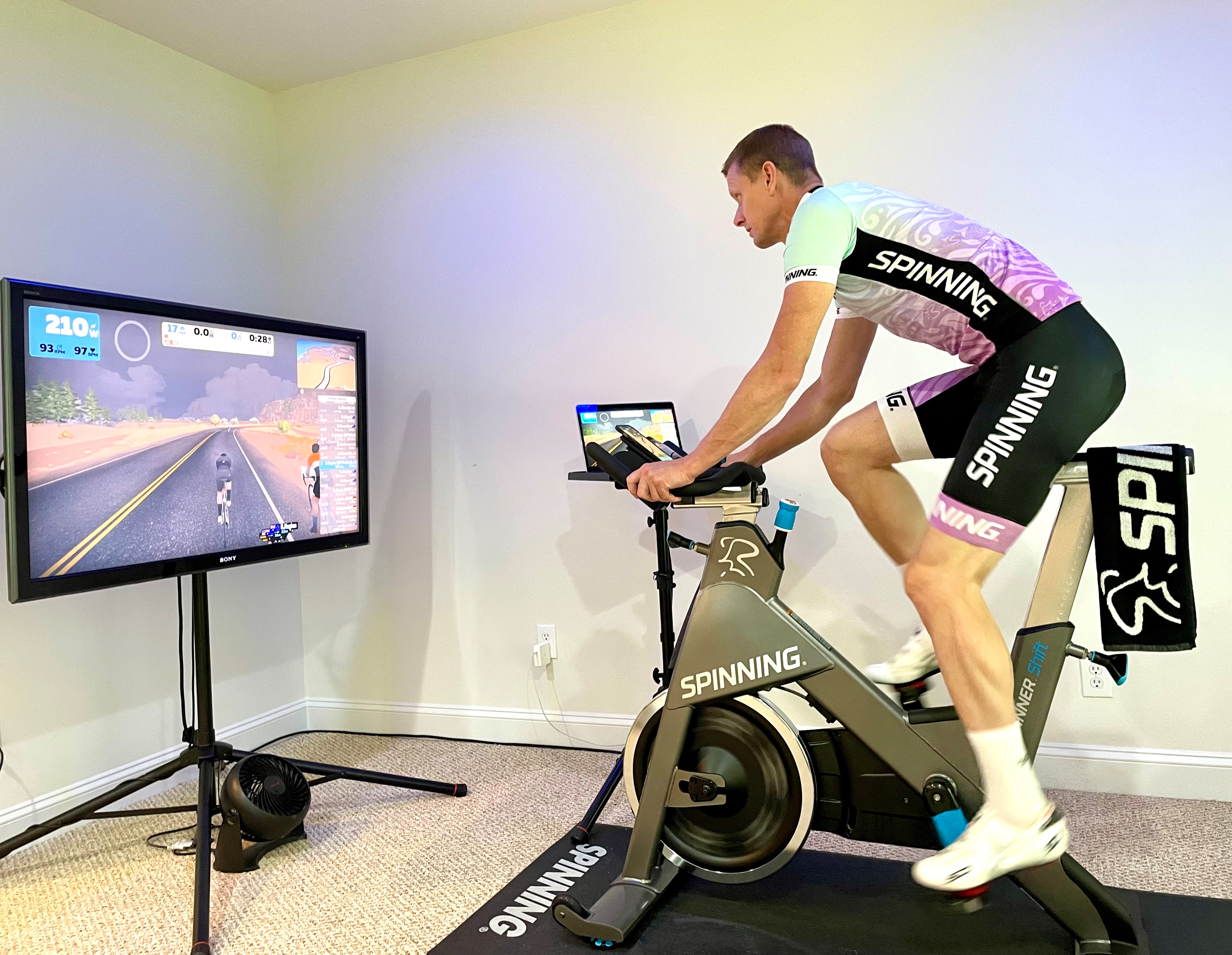
Additionally, many indoor cycling setups are designed in a way that restricts the normal arm movement typically observed during outdoor cycling. This subtle variance causes some Fitbit devices to not fully detect the genuine cardiovascular effort. Internal reports from various users suggest that this issue might be more pronounced with certain models, leading to a known discrepancy in cardio load calculations for indoor cycling sessions.
To counter these issues, experts recommend ensuring that your device is positioned correctly, possibly experimenting with wearing it on the opposite wrist, or consciously allowing a degree of natural movement throughout the session. Manually logging the workout can also help clarify the activity type for the algorithm.
Additional Considerations in Improving Cardio Load for Cycling
Optimizing Workout Intensity
Understanding and optimizing the intensity of your cycling workouts is critical. To potentially improve your cardio load score, consider incorporating intervals or hill climbs into your ride. These modifications help push your heart rate into higher zones for short periods, which is exactly what the TRIMP model rewards within its algorithm. High-intensity interval training (HIIT) elements can be integrated into cycling sessions, where bursts of vigorous activity are alternated with recovery periods.
Using a heart rate monitor or checking your device’s in-workout heart rate summary can help you evaluate whether you’re achieving the necessary thresholds. Pay attention to how changes in pace, resistance, or terrain (such as hills) influence your heart rate. By adjusting your workout to include segments that elevate your heart rate significantly, you are more likely to see an increase in your cardio load score.
Increasing Data Quality and Device Usage
Maximizing the quality of the data recorded by your Fitbit device is another crucial area to examine. Ensure that your device fits snugly and that the sensor maintains constant contact with your skin. Proper wear is essential not only for comfort but also for reliable heart rate measurements.
Additionally, consider the environmental and technical factors that might affect sensor performance. For example, if you use your Fitbit during indoor cycling, check that the device is free from obstructions like sweat or loose straps that could affect readings. If you suspect that your device is not capturing your heart rate accurately, consult the troubleshooting steps provided by Fitbit, such as cleaning the sensor or adjusting how you wear the device.
Activity Logging and Manual Input
While many Fitbit devices automatically track and classify workouts, there can be misinterpretations in how the activity is categorized. By manually logging your cycling sessions, you ensure that the activity is recorded correctly. Manual input can help the algorithm to better understand the intensity and duration metrics associated with your cycling workout.
If you consistently notice that your cardio load score does not reflect your riding efforts, manually tagging the activity as cycling may provide a more accurate readout. This approach allows you to override any potential misclassification due to sensor limitations or software interpretation errors.
Understanding Individual Variability
Another key aspect is individual variability in physiology and fitness levels. Every person’s cardiovascular response to exercise is unique. Factors like resting heart rate, maximum heart rate, and individual fitness levels influence how a workout is measured in terms of cardiovascular intensity. For some users, steady-state cycling might fit comfortably within their aerobic capacity, resulting in a lower-than-expected cardio load score.
This variability suggests that while one person might see significant increases in their score with cycling intervals or high-intensity efforts, another might require even more intensive sessions to similarly elevate their numbers. Understanding your own bodily responses can be vital in adjusting your workout intensity and managing expectations regarding your cardio load score.
Comparative Analysis: Cycling Versus Other Exercise Modalities
To better understand why cycling in particular may not significantly boost the cardio load score, it is useful to compare it with other exercise modalities like running or HIIT. Below is a comparison chart summarizing key differences in how different workouts may influence your cardio load score:
| Exercise Type | Heart Rate Variability | Intensity Peaks | Impact on Cardio Load |
|---|---|---|---|
| Cycling (Steady-State) | Moderate | Low to Moderate | May register lower if sustained heart rate remains in lower zones |
| Running | High | High | Often registers higher due to rapid increases in heart rate |
| HIIT | Very High | Very High | Substantial cardio load due to short bursts in higher zones |
| Indoor Cycling | Variable | Often Lower | May underrepresent intensity due to sensor and movement issues |
As demonstrated in the table, cardio load scores are highly sensitive to the variations in heart rate induced by the exercise modality. While running and HIIT often force a high and rapidly fluctuating heart rate, steady-state cycling (especially indoors) can result in lower variability and fewer intensity peaks. This is why modifying your cycling routine to incorporate higher intensity segments might lead to a better representation in your overall cardio load.
Addressing Workouts That Seem Underutilized
Many users have expressed concerns that even when they engage in what they perceive as a strenuous cycling workout, the cardio load score does not reflect the effort. This discrepancy arises from a combination of the metrics used by Fitbit and the inherent characteristics of the exercise.
By understanding that the cardio load score is based on a blend of heart rate intensity and duration, one can appreciate that low-to-moderate intensity rides, even if long, may not translate to higher scores. The algorithm favors activities that cause significant fluctuations and spikes in your heart rate. Therefore, it is worthwhile to experiment with varied cycling routines, such as incorporating sprint intervals or resistance challenges, to ensure you’re not just riding, but actively pushing your cardiovascular limits.
Additionally, it is important to note that the cardio load metric should be viewed as one tool among many for assessing your cardiovascular health. Complementary metrics like active minutes, total calories burned, and overall workout duration also provide valuable insights into your exercise regimen. Therefore, even if the cardio load score does not climb as expected, it does not necessarily indicate that your cardiovascular fitness is stagnant.
Practical Tips to Enhance Your Cycling Cardio Load
If you desire to see a measurable increase in your cardio load score from cycling, consider the following practical steps:
1. Incorporate Intervals and Hill Climbs
Experiment with high-intensity intervals where you alternate between periods of intense cycling and recovery. Adding hill climbs or resistance training during your ride forces your heart rate to spike, allowing the algorithm to capture a higher intensity output.
2. Optimize Device Position and Sensor Usage
Be mindful of how you wear your device during cycling. Ensure it is snug and properly positioned on your wrist to allow for accurate heart rate readings. If you notice a pattern of underreported activity, try wearing the device on the opposite wrist or adjusting its position slightly to capture more dynamic movement.
3. Manually Log Your Workouts
In scenarios where automatic detection does not capture your effort correctly, manually logging your cycling workouts can help improve the data quality. By specifying the type of activity and duration, you provide the algorithm with better context, possibly leading to a more accurate cardio load calculation.
4. Keep Your Software Updated
Regular updates to the Fitbit software and your device’s firmware can improve data capturing methods and algorithm accuracy. Ensure you are using the latest version to benefit from any enhancements or bug fixes implemented by Fitbit.
Implementing these techniques not only helps in achieving a better cardio load score, but it also enhances your overall cycling performance and cardiovascular health.
Advanced Understanding and Long-Term Perspective
While technical aspects such as sensor accuracy and algorithm thresholds play a crucial role, it is also important to have a long-term perspective on fitness. The cardio load score is just one of many metrics intended to provide feedback on your training load. Your overall cardiovascular health is influenced by various factors including consistency, training variety, and recovery.
Over time, as your body adapts to regular cycling and varied workouts, your baseline will adjust. This might initially result in a plateau of the cardio load metric, even though improvements in endurance and overall fitness occur. Recognizing and understanding this dynamic is vital so that you do not undervalue the health benefits of steady-state cycling, even if the score does not climb dramatically.
For those aiming to monitor cardiovascular stress meticulously, it might be helpful to compare trends over time rather than focusing on single workout metrics. In this way, you can observe how adjustments in exercise intensity, frequency, and duration cumulatively contribute to cardiovascular improvements.
Combining Data for Comprehensive Fitness Insights
Many fitness enthusiasts find value in aggregating multiple fitness metrics to gain a holistic understanding of their cardiovascular health. Combining the insights from the cardio load score with other data points such as sleep quality, active minutes, and overall endurance can provide a more complete picture. This multi-metric approach can highlight areas where steady-state activities like cycling excel, despite not always reflecting high cardio load scores.
For instance, while your cycling sessions might seem underrepresented by the cardio load metric, participation in these exercises could be significantly contributing to improved endurance, reduced resting heart rate, and enhanced metabolic efficiency in the long run. Thus, consider using a composite view of your fitness data as you evaluate your training progress.
Conclusion
In summary, the discrepancy in Fitbit’s cardio load score for cycling workouts is primarily attributable to the interplay between exercise intensity, heart rate variability, and the proprietary algorithm used to calculate cardio load based on the TRIMP model. Key factors include the intensity and duration of the cycling session, the consistency and accuracy of heart rate data capture, and specific challenges related to indoor cycling or device placement. Moreover, the inherent differences in physiological responses to different exercise modalities mean that steady-state cycling may not trigger the same cardiovascular stress markers as activities like running or HIIT.
For users seeking to enhance their cardio load score while cycling, strategies such as incorporating intervals or hill climbs, ensuring proper device positioning and sensor accuracy, and manually logging workouts are recommended. It is essential to view the cardio load score as one metric among many and to adopt a long-term approach toward cardiovascular fitness.
By understanding these underlying factors and adjusting your training methods accordingly, you can optimize your cycling workouts and ultimately achieve a more desirable reflection of your cardiovascular effort. While technological limitations and specific algorithmic calibrations may affect the immediate readings, consistent efforts toward high-intensity and varied training will ensure improvements in overall fitness and cardiovascular health.
References
-
What are cardio load and target load? - Fitbit Help Center
- Cardio load not showing "improve cardio fitness" - Fitbit Community
- Cardio Load is broken : r/fitbit - Reddit
Recommended Further Queries
Last updated February 20, 2025