
Fixed vs. Flexible Hedging: Navigating Currency Risk with Confidence
Unlock the secrets to managing foreign exchange volatility by understanding the crucial differences between rigid and adaptable hedging strategies.
Core Insights: Fixed vs. Flexible Hedging
- Certainty vs. Adaptability: Fixed hedges lock in exchange rates for predictable outcomes, while flexible hedges allow adjustments to changing market conditions.
- Instrument Choice: Fixed strategies typically use forward contracts or swaps, whereas flexible strategies often involve options or dynamic adjustments.
- Risk Appetite Alignment: The best strategy depends on risk tolerance, market outlook, and the need for budget certainty versus the desire to capture potential currency gains.
Decoding Fixed Hedging: The Path of Certainty
What is a Fixed Hedge?
In currency risk management, a fixed hedge is a strategy designed to eliminate uncertainty by locking in a specific exchange rate for a future transaction or period. Think of it as setting the price today for currency you'll need or receive later. This approach provides absolute certainty regarding the future value of foreign currency cash flows in your home currency, regardless of how the market fluctuates between the agreement date and the transaction date.
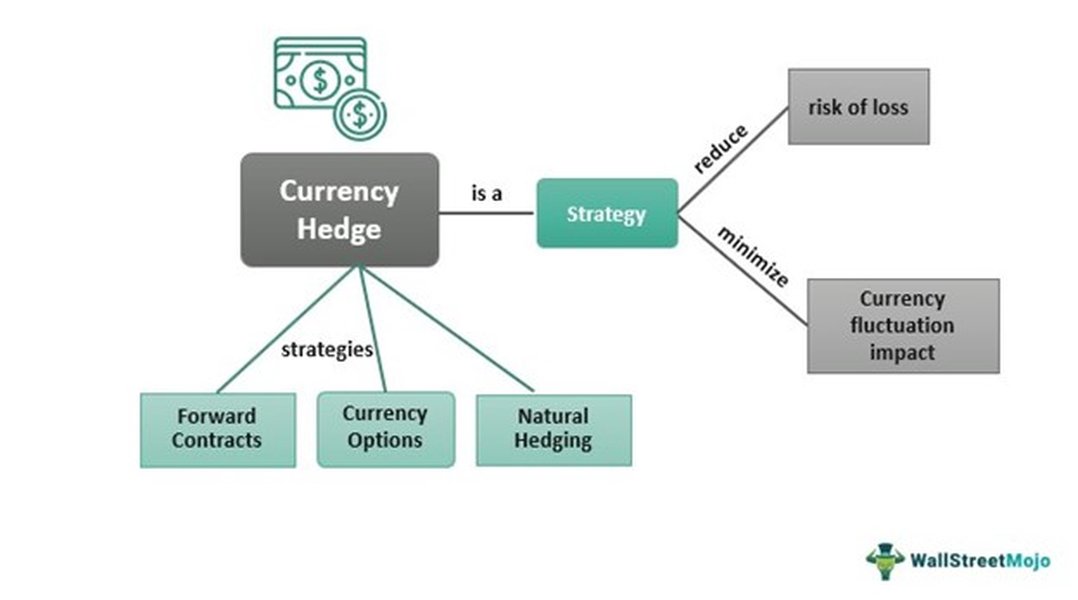
Illustration depicting the concept of hedging against currency fluctuations.
Key Instruments for Fixed Hedging
The most common tools used to implement fixed hedges include:
- Forward Contracts: An agreement between two parties to buy or sell a currency at a specified future date and at a predetermined exchange rate (the forward rate). This is perhaps the most straightforward fixed hedging tool, commonly used by importers and exporters to fix costs or revenues.
- Currency Swaps: An agreement where two parties exchange principal amounts and interest payments on loans denominated in different currencies. Swaps can fix the exchange rate for a series of future cash flows over a longer term.
Why Choose a Fixed Hedge?
Businesses and investors opt for fixed hedges primarily for:
- Budget Certainty: Locking in rates allows for precise financial planning and budgeting, as future costs or revenues in the home currency are known in advance.
- Risk Elimination: It completely removes the risk of adverse exchange rate movements for the hedged amount, protecting profit margins.
- Simplicity: Compared to more complex strategies, forward contracts are relatively easy to understand and implement.
Potential Downsides of Fixed Hedging
While offering security, fixed hedges come with limitations:
- Inflexibility: The main drawback is the inability to benefit if the exchange rate moves favorably. You are locked into the agreed rate, even if the market rate becomes more advantageous.
- Missed Opportunities: By eliminating downside risk, you also eliminate the potential for upside gain from positive currency movements.
- Not Ideal for Volatility: In highly unpredictable markets, a rigid commitment might be less desirable than a strategy that allows for adjustments.
Exploring Flexible Hedging: Embracing Adaptability
What is a Flexible Hedge?
A flexible hedge, in contrast, provides a mechanism to manage currency risk while retaining the ability to adapt to or potentially benefit from favorable market movements. Instead of locking in a single rate rigidly, flexible strategies often set a 'worst-case' rate while leaving room for improvement, or allow for dynamic adjustments based on market conditions. This approach acknowledges market volatility and seeks to balance protection with opportunity.

Visual guide discussing elements of a foreign exchange hedging strategy.
Key Instruments for Flexible Hedging
Flexibility is often achieved through:
- Currency Options: These contracts give the buyer the right, but not the obligation, to buy (call option) or sell (put option) a specific amount of currency at a predetermined exchange rate (strike price) on or before a certain date. The buyer pays a premium for this right. This allows participation in favorable movements (by letting the option expire if the market rate is better) while protecting against adverse movements (by exercising the option if the market rate is worse than the strike price).
- Currency Collars (Zero-Cost Collars): A strategy combining options, typically buying a put option (floor) and selling a call option (cap). This limits exposure within a specific range of exchange rates, often structured so the premium paid for the purchased option is offset by the premium received from the sold option.
- Dynamic Hedging: Adjusting the hedge ratio or instruments used over time based on market forecasts, volatility assessments, or predefined rules. This requires active management.
- Layered Hedging: Implementing hedges incrementally over time rather than all at once, averaging into positions.
Why Choose a Flexible Hedge?
The appeal of flexible hedging lies in its:
- Adaptability: Allows adjustments in response to changing market views or volatile conditions.
- Upside Potential: Provides the opportunity to benefit from favorable exchange rate movements while still offering downside protection (especially with options).
- Customization: Strategies can be tailored to specific risk tolerance levels and market outlooks.
Potential Downsides of Flexible Hedging
Flexibility comes with its own set of challenges:
- Cost: Options require paying a premium, which is a sunk cost if the option is not exercised. While zero-cost collars mitigate this, they also cap potential gains.
- Complexity: Flexible strategies, particularly dynamic hedging, require more market knowledge, analysis, and active management than simple forward contracts.
- Less Certainty: While offering downside protection, the exact outcome is less predictable than with a fixed hedge, as it depends on market movements relative to strike prices or adjustment decisions.
Visualizing Hedging Strategies: A Mindmap Overview
This mindmap illustrates the core concepts of currency risk management and the branching paths of fixed and flexible hedging strategies, highlighting their key instruments and characteristics.
- Locks Rate
- Eliminates Risk
- No Upside
- Simple"] id1a3["Instruments"] id1a3a["Forward Contracts"] id1a3b["Currency Swaps"] id1b["Flexible Hedge"] id1b1["Goal: Adaptability"] id1b2["Characteristics:
- Mitigates Risk
- Allows Upside
- Adaptable
- More Complex"] id1b3["Instruments"] id1b3a["Currency Options"] id1b3b["Currency Collars"] id1b3c["Dynamic Hedging"] id1b3d["Layered Hedging"]
Comparing Fixed vs. Flexible Hedging Attributes
The radar chart below provides a visual comparison of fixed and flexible hedging strategies across several key dimensions. It helps illustrate the trade-offs involved in choosing between certainty and adaptability. Note that these scores represent general characteristics and the ideal choice depends heavily on specific circumstances.
Key Differences Summarized
Understanding the fundamental distinctions between these two approaches is crucial for effective currency risk management. The table below consolidates the primary differences:
| Feature | Fixed Hedge | Flexible Hedge |
|---|---|---|
| Primary Goal | Certainty, eliminate exchange rate risk | Adaptability, mitigate risk while allowing potential gains |
| Exchange Rate | Predetermined and locked in | Provides protection (e.g., floor rate) but can adjust or allow participation in favorable movements |
| Certainty Level | High | Moderate (outcome depends on market movements relative to strategy parameters) |
| Flexibility | Low | High |
| Common Instruments | Forward Contracts, Currency Swaps | Currency Options, Collars, Dynamic Strategies |
| Upside Potential | None (locked rate) | Yes (can benefit from favorable market movements, degree depends on strategy) |
| Cost Structure | Generally lower direct upfront cost (built into forward rate) | May involve upfront premium costs (options) or require active management resources |
| Complexity | Relatively low | Higher, requires more market understanding and management |
| Best Suited For | Stable markets, risk-averse entities, known cash flows, budget certainty needed | Volatile markets, uncertain cash flows, entities seeking opportunity with protection |
Understanding Hedging in Practice
Currency Hedging Explained Visually
To gain a deeper understanding of how currency hedging works in practice, the following video offers valuable insights. It covers the fundamental concepts of hedging foreign exchange risk, which forms the basis for both fixed and flexible strategies. Watching this can help clarify why businesses engage in hedging and the basic mechanics involved before deciding between a fixed or flexible approach.
Frequently Asked Questions (FAQ)
When should I use a fixed hedge?
Use a fixed hedge when certainty is your top priority. This is ideal if you have a specific budget to meet, need to protect known future cash flows (like paying an invoice or receiving payment in foreign currency on a set date), operate in relatively stable markets, or have a low tolerance for risk. If guaranteeing a specific exchange rate outcome is more important than potentially benefiting from favorable market moves, a fixed hedge (like a forward contract) is suitable.
When is a flexible hedge more appropriate?
A flexible hedge is often better suited for volatile market conditions where exchange rates are unpredictable. It's also appropriate when you want to protect against downside risk but still wish to retain the possibility of benefiting from favorable currency movements. If your cash flows are less certain in timing or amount, or if you have a higher risk tolerance and the resources to manage more complex instruments (like options), a flexible strategy might be preferable.
Can fixed and flexible hedging strategies be combined?
Yes, many businesses use a combination of fixed and flexible hedging strategies. For example, a company might use forward contracts (fixed) to hedge a baseline portion of its expected currency exposure, ensuring budget certainty for essential costs. It might then use options (flexible) to hedge additional or less certain exposure, allowing participation in potential upside while still providing protection. This layered approach can offer a balance between certainty and opportunity.
What are the main costs associated with each type of hedge?
For fixed hedges like forward contracts, the primary "cost" is implicit within the forward exchange rate offered by the bank, which includes a spread over the spot rate. There's also the opportunity cost of not benefiting from favorable rate movements. For flexible hedges like options, there is an explicit upfront cost known as the premium, paid for the right to exercise the option. Dynamic hedging strategies incur costs related to active management, monitoring, and potentially more frequent transactions.
References
- Comprehensive guide to currency hedging tools and strategies - Currency Solutions
- Three Strategies to Mitigate Currency Risk - Investopedia
- Currency Hedge - What Is It, Strategies, Examples, Types, Pros - WallStreetMojo
- Understanding Currency Hedging: Strategies, Meaning, and Examples - HighRadius
- 3 Types of Hedging: Which Hedge Strategy is Right for You? - gTreasury Blog
- The big question: currency hedging strategy - Allianz Global Investors
- Hedging Risk With Currency Swaps - Investopedia
Recommended Further Exploration
Last updated April 16, 2025