
Research Proposal on the Flâneur and Palimpsest in 19th-Century Urban Literature
Exploring Identity, Urban Life, and Literary Layers in Poe and Blake
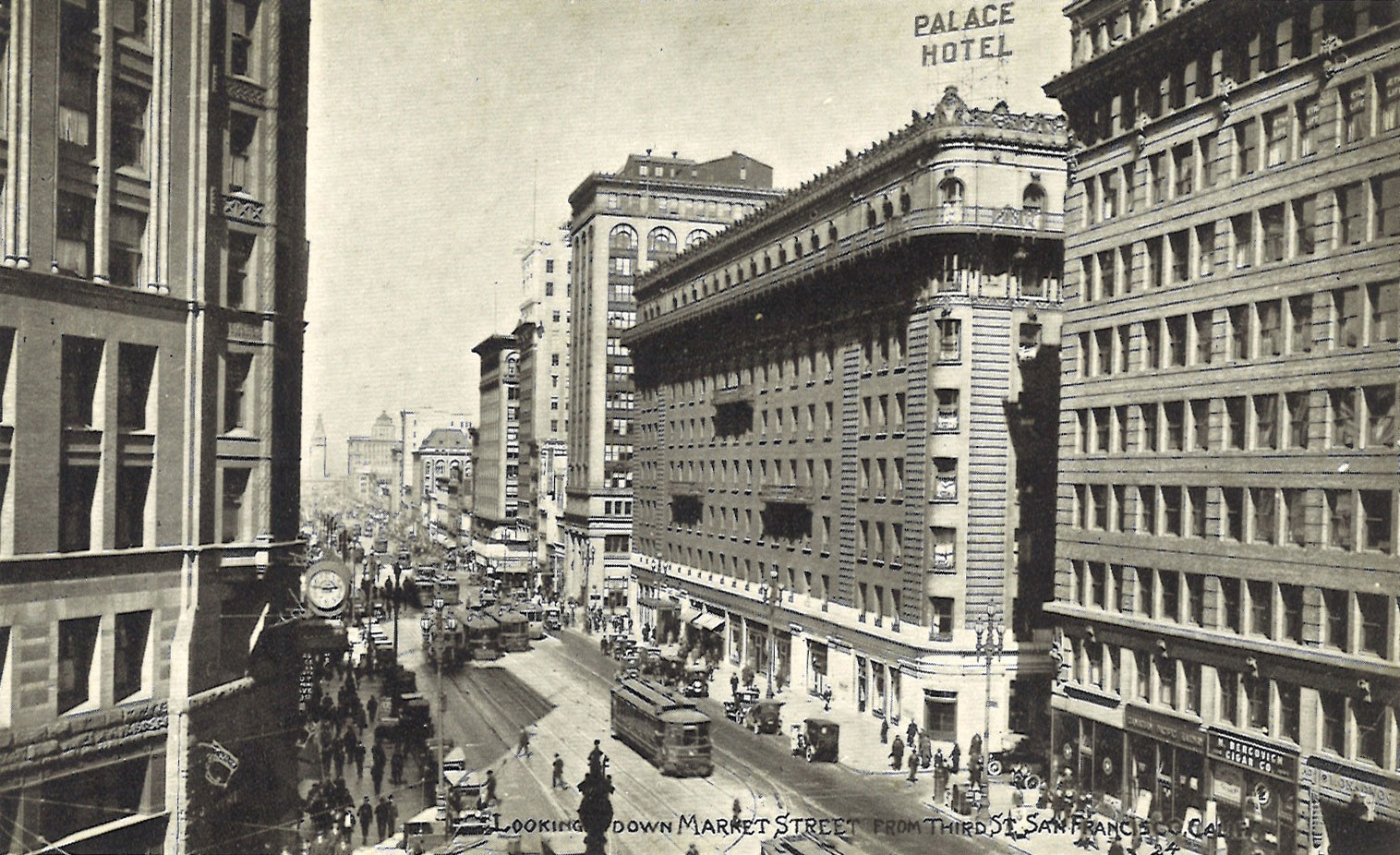
Highlights
- Interdisciplinary Analysis: Integrates literary analysis, historical context, and cultural studies.
- Comparative Study: Examines the similarities and differences between Poe’s portrayal of urban anonymity and Blake’s social critique.
- Layered Narratives: Investigates the symbolic use of palimpsest to reveal hidden identities in ‘The Man of the Crowd.’
I. Introduction
The rapid expansion of urban centers during the 19th century brought forward distinct literary genre explorations of modernity, alienation, and social critique. This proposal examines the concept of the flâneur as portrayed in Edgar Allan Poe’s “The Man of the Crowd” and William Blake’s “London.” While the former presents an enigmatic exploration of urban anonymity through the lens of an observant wanderer, the latter offers a poetic and somber reflection on social decay within the city. Additionally, the proposal delves into the technique of palimpsest in “The Man of the Crowd,” where the idea serves as a metaphor for layered identity and the vestiges of past narratives hidden beneath modern urban facades.
II. Research Background
A. The Flâneur in 19th-Century Literature
The flâneur represents a detached, observant figure often associated with the transformative urban landscapes of the 19th century. Coined by literary figures such as Charles Baudelaire, this archetype wanders through the city, absorbing its multiplicity of sensory and cultural details while remaining physically present yet emotionally removed. In “The Man of the Crowd,” Poe’s narrator becomes fascinated by one particular man whose elusive identity perpetuates an immersive study into the nature of urban anonymity and individuality. By contrast, Blake’s “London” presents a flâneur-type observer who is equally an ideological critic, deeply disturbed by the stark inequalities, social injustices, and the melancholic ambiance pervading the city.
B. The Concept of Palimpsest
Traditionally defined as a manuscript page that has been erased and reused, the palimpsest — in literary analysis — is used to illustrate layers of meanings, identities, and narratives that exist parallelly. In “The Man of the Crowd,” the notion of palimpsest is employed to suggest that beneath the surface of the bustling crowd lie layers of untold stories and concealed identities. These layers reflect both the individual’s fragmented self and the complexity of the urban environment, creating a dynamic interplay between appearance and hidden substance.
III. Research Objectives
This research aims to achieve the following objectives:
- Objective 1: Analyze how Poe’s “The Man of the Crowd” and Blake’s “London” utilize the figure of the flâneur to mirror 19th-century urban life and its inherent social and cultural contradictions.
- Objective 2: Explore the literary and symbolic implications of palimpsest in “The Man of the Crowd,” focusing on its capacity to unveil obscured narratives and layered identities within the urban milieu.
- Objective 3: Conduct a comparative study to determine the differing perspectives and thematic concerns addressed by Poe and Blake regarding urban space, alienation, and societal critique.
- Objective 4: Contextualize the findings within broader urban studies and modernity debates, linking the historical narrative to contemporary interpretations of urban life.
IV. Literature Review
A. Primary Text Analysis
Poe’s “The Man of the Crowd” invites readers into an intricate exploration of individuality amidst anonymity in urban settings. The protagonist, a flâneur, is driven by a compulsive desire to follow an unidentifiable figure, symbolizing the elusive search for meaning within the sprawling crowd. Critical interpretations emphasize how this seemingly mundane pursuit is embedded with existential inquiry and a reflection upon modernity’s inherent isolation.
William Blake’s “London,” conversely, extends the concept of the urban observer into the realm of socio-political criticism. Through evocative imagery of misery, oppression, and societal decay, Blake encapsulates the suffering of the urban poor and the psychological impact of industrialization. The tone of despair and disillusionment creates a fabric of collective memory that resonates with the experience of embodied urban space.
B. Secondary Sources and Theoretical Frameworks
The research will integrate scholarly interpretations from literary theorists and urban studies scholars. Sources include critical discussions on the evolution of the flâneur, the socio-cultural readings of urban texts, and modern applications of the concept of palimpsest. These theoretical frameworks help unravel the multiplicity of urban layers as presented by Poe and Blake, bringing into focus how literary techniques intersect with historical and cultural transformations.
V. Methodology
A. Literary and Comparative Analysis
The research will primarily adopt a comparative literary analysis approach. A detailed close reading of “The Man of the Crowd” and “London” will be undertaken to extract themes, motifs, and symbolic elements. Specific focus will be given to:
- Characterization of the Flâneur: Evaluate how the protagonists in both texts observe and engage with their urban surroundings.
- Symbolism and Imagery: Analyze visual and textual symbols that reflect the multi-layered urban experience, such as the recurring motifs of crowd, anonymity, and urban decay.
- Palette of Palimpsest: Investigate the usage of layered narrative techniques in “The Man of the Crowd” to articulate the presence of hidden histories and identities.
B. Historical and Cultural Contextualization
Understanding the socio-historical backdrop is crucial to the analysis. This will involve:
- Historical Reconstruction: Chart the impact of industrialization and urban expansion on 19th-century society, focusing on the transformation of city life in London.
- Cultural Critique: Examine contemporary responses to urban change, including debates about modernity, social alienation, and the evolution of public space.
C. The Role of Palimpsest in Literary Interpretation
Special attention will be placed on the concept of palimpsest in “The Man of the Crowd.” The research will consider how the text itself, like a manuscript that has been reused, reveals layers of meaning that complicate the reader’s understanding of identity and anonymity. This metaphor will be critically analyzed by:
- Textual Markers: Identifying passages where previous identities or narratives remain visible beneath the surface, akin to a script that has been overwritten.
- Narrative Layers: Investigating how these overlapping layers contribute to a fragmented sense of self in the urban context.
VI. Expected Outcomes
A. Enhancing Literary and Urban Discourse
The proposed research is expected to provide several contributions to the fields of literary studies and urban humanities:
- Deepened Understanding of the Flâneur: By examining Poe and Blake, the study will refine our understanding of the flâneur as an observer of urban life, emphasizing both its aesthetic and social dimensions.
- New Insights on Palimpsest: The critical examination of palimpsest in “The Man of the Crowd” will shed light on how layered identities manifest in literature, offering a nuanced reading of modern urban experiences.
- Comparative Perspectives: The cross-textual study will highlight differing attitudes towards urban life and modernity, linking historical context with contemporary reflections on anonymity and socio-political critique.
B. Broader Academic and Cultural Contributions
The findings are anticipated to stimulate broader discussions about the nature of urban identity, the role of the observer in densely populated environments, and the transmission of cultural memory across time. The interplay between literary analysis and urban studies in this research can serve as a model for interdisciplinary approaches, enriching debates on modernity both within academia and in public discourse.
VII. Research Timeline
A. Timeline Overview
| Phase | Description | Time Frame |
|---|---|---|
| Literature Review | Survey primary texts and relevant secondary sources. | March 18 - April 7, 2025 |
| Textual Analysis | Conduct close readings and comparative analysis of both texts. | April 8 - May 15, 2025 |
| Contextual Research | Examine historical and cultural backgrounds impacting urban narratives. | May 16 - June 5, 2025 |
| Critical Framework Development | Develop analytical models for assessing literary symbols and palimpsest elements. | June 6 - June 20, 2025 |
| Drafting and Revision | Prepare the research paper draft, incorporate feedback, and finalize the study. | June 21 - July 15, 2025 |
VIII. Data Analysis and Interpretation
A. Analytical Approach
Utilizing a mix of qualitative literary analysis and contextual historical research, the study will systematically correlate textual evidence, imagery, and symbolic resonances. The analysis will incorporate:
- Thematic Mapping: Identifying recurring themes and patterns in both texts that denote urban alienation, social decay, and layered identity.
- Comparative Synthesis: Cross-referencing the observations made in Poe’s narrative with the visual and emotional contrasts presented in Blake’s poetry.
- Palimpsestic Reading: Dissecting the narrative structure of “The Man of the Crowd” to reveal residual layers of meaning, which, like a physical palimpsest, guide readers through multiple levels of identity.
B. Interpretative Framework
The interpretative approach will employ theories from postmodern literary criticism and urban studies. By synthesizing these disciplinary insights, the research aims to illustrate how the texts not only document the physical manifestations of urban life but also serve as repositories for the cultural and psychological imprints of 19th-century society.
IX. Resources and References
Key primary and secondary resources that will inform this study include critical essays, historical accounts of 19th-century London, and comprehensive analyses of both literary works. The reference list includes academic databases, institutional archives, and established scholarly websites, ensuring a multifaceted insight into the urban representations developed by Poe and Blake.
- Palimpsest - Wikipedia
- The Man of the Crowd - Edgar Allan Poe
- The Man of the Crowd - Wikipedia
- Contextual Analysis of The Man of the Crowd
- Flâneur in Modern Art
X. Recommended Queries for Further Exploration
 wtlh18.wordpress.com
 sbeldenblog.wordpress.com
 arcadesprojectproject.wordpress.com
 themanofthecrowd.blogspot.com
Last updated March 18, 2025