
Flavonoids and Phenolic Compounds as Antibacterial Agents Against MRSA
Harnessing Natural Compounds to Combat Antibiotic-Resistant Infections
Key Takeaways
- Diverse Mechanisms: Flavonoids and phenolic compounds employ multiple strategies, including cell membrane disruption and enzyme inhibition, to combat MRSA.
- Synergistic Potential: These natural compounds enhance the efficacy of conventional antibiotics, reducing required doses and mitigating resistance.
- Ongoing Challenges: Improving bioavailability and conducting comprehensive in vivo studies are essential for clinical application.
Introduction
Methicillin-resistant Staphylococcus aureus (MRSA) poses a significant challenge in both healthcare and community settings due to its resistance to commonly used antibiotics. This resistance leads to persistent infections, increased healthcare costs, and higher mortality rates. The search for effective alternatives has spotlighted natural compounds such as flavonoids and phenolic compounds, derived from various plants and food sources. These compounds exhibit promising antibacterial properties against MRSA through diverse mechanisms of action, offering potential therapeutic benefits either as standalone agents or in combination with traditional antibiotics.
Flavonoids: Natural Antibiotics
Antibacterial Activity of Flavonoids
Flavonoids are a diverse group of polyphenolic compounds found in many fruits, vegetables, and medicinal plants. Their broad-spectrum antibacterial activity against MRSA has been well-documented, attributed to their ability to disrupt bacterial cell membranes, inhibit vital enzymes, and impede biofilm formation.
Mechanisms of Action
- Cell Membrane Disruption:
Flavonoids integrate into the lipid bilayer of bacterial cell membranes, increasing permeability and causing leakage of cellular contents. This disruption leads to the loss of membrane potential, ion imbalance, and eventual cell death. Prenylated flavonoids, such as 7-O-butyl naringenin, demonstrate enhanced lipophilicity, facilitating deeper membrane penetration and more effective disruption compared to their non-prenylated counterparts.
- Enzyme Inhibition:
Flavonoids target specific bacterial enzymes crucial for MRSA survival. Notably, they interact with penicillin-binding protein 2a (PBP2a), which is responsible for MRSA's resistance to β-lactam antibiotics. By inhibiting PBP2a, flavonoids can restore the efficacy of β-lactam antibiotics against MRSA. Additionally, certain flavonoids inhibit DNA gyrase and topoisomerase IV, enzymes essential for DNA replication and repair, thereby impeding bacterial proliferation.
- Biofilm Inhibition:
MRSA's ability to form biofilms significantly contributes to its resistance and persistence in hostile environments. Flavonoids like ellagic acid disrupt biofilm formation by interfering with quorum sensing, a communication system that bacteria use to coordinate biofilm development and maintenance. By inhibiting the synthesis of biofilm-associated proteins, flavonoids weaken the structural integrity of biofilms, making MRSA more susceptible to antibiotics and the host immune response.
- Reactive Oxygen Species (ROS) Generation:
Some flavonoids induce the production of reactive oxygen species (ROS) within bacterial cells. Elevated ROS levels cause oxidative stress, leading to damage of proteins, DNA, and lipids. This oxidative damage compromises essential cellular functions and ultimately results in bacterial cell death.
Notable Flavonoids Active Against MRSA
- Quercetin: Exhibits broad antibacterial activity, including the inhibition of PBP2a, thereby restoring the effectiveness of β-lactam antibiotics against MRSA.
- Luteolin and Myricetin: Effective against MRSA biofilms and possess anti-inflammatory properties beneficial for infection control by reducing inflammation at infection sites.
- Catechins (from Green Tea): Display antibacterial activity and enhance the efficacy of β-lactam antibiotics, making them valuable in combination therapies.
- Glabrol (from Licorice): Potent membrane disruptor and biofilm inhibitor with low resistance development, showing efficacy in both in vitro and in vivo models.
- Naringenin: Enhances antibacterial activity when combined with antibiotics, demonstrating potential as an adjuvant in antibiotic therapies.
- Synthetic Flavonoid Derivatives (e.g., Flavonoid K15): Show high potency against MRSA at low minimum inhibitory concentrations (MICs), outperforming some traditional antibiotics in biofilm and systemic infection models.
- Halogen Substituted Tricyclic Flavonoids: Synthetic modifications with halogen and lipophilic groups enhance antibacterial potency against MRSA, offering promising avenues for future drug development.
Phenolic Compounds: Multifaceted Antibacterials
Antibacterial Activity of Phenolic Compounds
Phenolic compounds, including phenolic acids and derivatives, are renowned for their antimicrobial properties. They exhibit significant activity against MRSA by targeting various cellular processes and structural components, thereby inhibiting bacterial growth and survival.
Mechanisms of Action
- Disruption of Cell Wall Formation:
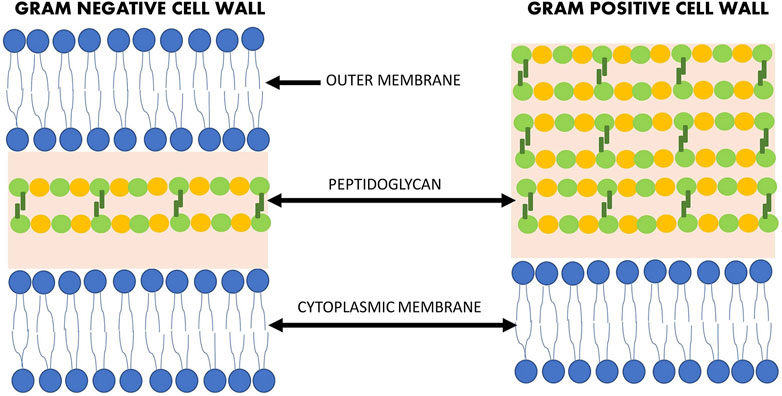
Phenolic acids interfere with the synthesis of peptidoglycan, a vital component of the bacterial cell wall. Disruption in peptidoglycan synthesis leads to weakened cell walls, making bacteria more susceptible to osmotic stress and eventual lysis.
- Efflux Pump Inhibition:
MRSA employs efflux pumps to expel antibiotics and other toxic substances from bacterial cells, contributing to antibiotic resistance. Phenolic compounds like gallic acid and caffeic acid inhibit these efflux pumps, thereby increasing the intracellular concentration of antibiotics and enhancing their antibacterial efficacy.
- Biofilm Control:
Similar to flavonoids, phenolic compounds inhibit the formation and persistence of biofilms. By preventing biofilm development, these compounds reduce MRSA’s ability to protect itself from antibiotics and the host immune system, thereby lowering infection severity.
- Synergistic Effects with Antibiotics:
Phenolic compounds often work synergistically with conventional antibiotics, enhancing antimicrobial activity and reducing the likelihood of resistance development. This synergy can lead to lower required doses of antibiotics, minimizing side effects and slowing the emergence of resistant strains.
Key Phenolic Compounds Active Against MRSA
-
Gallic Acid: Exhibits direct antibacterial effects and synergizes with traditional antibiotics to combat MRSA effectively.
-
Caffeic Acid: Induces cell membrane damage and disrupts aerobic metabolism pathways in MRSA, leading to impaired bacterial growth.
-
Curcumin: A curcuminoid that inhibits MRSA biofilm formation and demonstrates potent antibiofilm and antihemolytic activities, making it a promising candidate for adjunct therapy.
-
Hydroquinone: Among phenolic compounds, hydroquinone shows the most potent antibacterial activity against MRSA, outperforming several other phenolics in efficacy.
-
Galangin: Reduces S. aureus colony counts significantly, displaying strong antibacterial properties with a potential to control MRSA infections.
-
Cinnamic Acid and Ferulic Acid: Contribute to the inhibition of S. aureus growth and disruption of cell wall integrity, enhancing their antibacterial effects.
-
Ellagic Acid: Inhibits biofilm formation by interfering with quorum sensing, thereby reducing MRSA’s defensive capabilities.
Synergistic Potential with Conventional Antibiotics
One of the most promising aspects of flavonoids and phenolic compounds is their ability to act synergistically with traditional antibiotics. This synergy can enhance the efficacy of antibiotics, often allowing for lower dosages and reduced side effects. For example, flavonoids can inhibit efflux pumps and enzymes like PBP2a, which are responsible for antibiotic resistance, thereby restoring the effectiveness of β-lactam antibiotics against MRSA.
| Compound | Antibiotic Partner | Enhancement Mechanism | Effect on MRSA |
|---|---|---|---|
| Quercetin | β-lactams | Inhibits PBP2a | Restores β-lactam efficacy |
| Catechins | β-lactams | Enhance antibiotic penetration | Increase bacterial susceptibility |
| Gallic Acid | Vancomycin | Inhibit efflux pumps | Boost vancomycin activity |
| Flavonoid K15 | Various antibiotics | Low MICs disrupt biofilms | Improve antibiotic access to bacteria |
| Curcumin | Oxacillin | Inhibits biofilm formation | Enhances oxacillin efficacy against MRSA |
Challenges and Limitations
Bioavailability and Stability
Despite their promising antibacterial properties, flavonoids and phenolic compounds often suffer from poor bioavailability and stability. These compounds may undergo rapid metabolism and excretion, limiting their therapeutic efficacy. Structural modifications, such as prenylation or glycosylation, are necessary to enhance their pharmacokinetic profiles and ensure effective delivery within the human body. Additionally, formulation strategies like encapsulation in liposomes or nanoparticles are being explored to improve stability and target delivery.
Emerging Resistance
While resistance against natural compounds like flavonoids and phenolics is not yet widespread, bacteria’s ability to adapt necessitates cautious use. Continuous monitoring and responsible application are essential to mitigate the risk of developing resistance. Rotating the use of different antibacterial agents and combining multiple compounds with distinct mechanisms can help in preventing the emergence of resistant strains.
In Vivo Efficacy
Most studies on the antibacterial activity of flavonoids and phenolic compounds against MRSA are conducted in vitro. Comprehensive in vivo research and clinical trials are required to validate their safety, efficacy, and therapeutic potential in human subjects. Factors such as dosage optimization, toxicity, and long-term effects need thorough investigation to translate these findings into clinical applications successfully.
Future Directions
To fully realize the potential of flavonoids and phenolic compounds as antibacterial agents against MRSA, future research should focus on:
- Structural Optimization: Enhancing the bioavailability and stability of these compounds through chemical modifications and advanced formulation techniques.
- Mechanistic Studies: Further elucidating the molecular interactions and pathways affected by these compounds within bacterial cells to identify novel therapeutic targets.
- Clinical Trials: Conducting extensive in vivo studies to assess the safety, efficacy, and optimal dosing regimens in humans.
- Combination Therapies: Exploring the synergistic effects of natural compounds with a broader range of antibiotics to develop effective combination therapies that can overcome antibiotic resistance.
- Drug Delivery Systems: Developing targeted delivery mechanisms, such as nanoparticles or liposomes, to ensure the effective concentration of these compounds at infection sites, thereby enhancing their antibacterial efficacy.
- Regulatory and Standardization Efforts: Establishing standardized protocols for the extraction, purification, and quality control of flavonoids and phenolic compounds to ensure consistency and reliability in their antibacterial applications.
Conclusion
Flavonoids and phenolic compounds exhibit significant potential as antibacterial agents against MRSA through their multifaceted mechanisms of action. Their ability to disrupt cell membranes, inhibit essential enzymes, prevent biofilm formation, and synergize with conventional antibiotics makes them valuable candidates for combating antibiotic-resistant infections. However, challenges related to bioavailability, stability, and the need for comprehensive in vivo studies must be addressed to translate these findings into clinical applications. Continued research and development will be crucial in harnessing the full therapeutic potential of these natural compounds in the fight against MRSA.
References
- https://pubmed.ncbi.nlm.nih.gov/32878266/
- https://www.sciencedirect.com/science/article/abs/pii/S0223523424002812
- https://www.sciencedirect.com/science/article/pii/S0882401016304119
- https://www.mdpi.com/1420-3049/27/2/574
- https://pubmed.ncbi.nlm.nih.gov/38833551/
- https://www.mdpi.com/1420-3049/28/18/6742
- https://pmc.ncbi.nlm.nih.gov/articles/PMC6211117/
- https://www.mdpi.com/1420-3049/21/8/1084
- https://pmc.ncbi.nlm.nih.gov/articles/PMC10535414/
- https://www.nature.com/articles/s41598-023-28859-8
- https://www.mdpi.com/1424-8247/17/10/1276
- https://www.frontiersin.org/journals/microbiology/articles/10.3389/fmicb.2019.02489/full
- https://pubs.acs.org/doi/10.1021/acsomega.9b00077
- https://www.mdpi.com/2079-6382/12/4/645
- https://www.frontiersin.org/journals/microbiology/articles/10.3389/fmicb.2019.00829/full
- https://www.frontiersin.org/journals/microbiology/articles/10.3389/fmicb.2019.00911/full
- https://www.mdpi.com/2673-9879/2/4/30
Last updated January 27, 2025