
Comprehensive Guide to Eliminating Flea Infestation in San Antonio, Texas
Effective Strategies to Protect Your Grandma’s Home and Outdoor Dog from Fleas
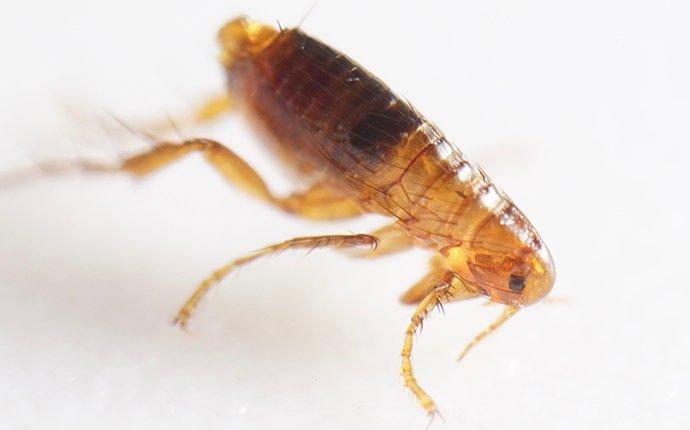
Key Takeaways
- Treat the Source: Start by addressing the outdoor dog with effective flea treatments.
- Comprehensive Cleaning: Thoroughly clean the indoor environment to eliminate all flea life stages.
- Yard Maintenance: Maintain the yard to prevent fleas from breeding and returning.
1. Treat the Dog
a. Oral Medications
Oral flea preventatives are a cornerstone in controlling flea populations. Medications such as NexGard and Bravecto are highly effective, providing protection against fleas and ticks for up to three months. These treatments are available through local veterinary clinics in San Antonio and should be administered as per veterinary guidance to ensure safety and effectiveness.
b. Topical Treatments
Topical treatments like Frontline and Advantage are applied directly to the dog’s skin, typically between the shoulder blades. These treatments not only kill existing fleas but also prevent new infestations by disrupting the flea life cycle. It is crucial to follow the application instructions meticulously to maximize efficacy and minimize any potential side effects.
c. Flea Baths
Regularly bathing the dog with a medicated flea shampoo can help eliminate adult fleas. For severe infestations, a flea dip may be necessary after the bath to ensure all parasites are eradicated. Following each bath, use a flea comb to remove any remaining fleas and eggs from the dog’s fur.
d. Preventative Measures
In addition to treating the dog, it’s essential to maintain ongoing flea prevention. Consider using a Seresto collar, which provides continuous protection against fleas for up to eight months. Regular use of these preventive measures ensures that fleas do not return to the household.
2. Treat the Indoor Environment
a. Vacuuming
Frequent and thorough vacuuming is vital in removing fleas at all life stages. Focus on high-traffic areas such as carpets, rugs, upholstered furniture, and cracks in flooring. After vacuuming, immediately dispose of the vacuum bag or empty the canister outdoors to prevent fleas from re-entering the home.
b. Washing Fabrics
Wash all pet bedding, blankets, and any fabric items the dog frequently contacts in hot water. Drying these items on the highest heat setting ensures that any remaining fleas, eggs, or larvae are killed during the process.
c. Flea Sprays and Foggers
Utilize flea sprays or foggers that are specifically designed for indoor use. These products typically contain insect growth regulators (IGRs) which disrupt the flea life cycle by preventing eggs and larvae from developing into adults. Ensure that the house is vacated during treatment and follow all safety instructions provided by the manufacturer.
d. Steam Cleaning
Steam cleaning carpets and upholstery is an effective way to kill flea eggs and larvae that might be hidden deep within fibers. The high temperatures reached during steam cleaning are lethal to all stages of flea development, providing a deeper level of cleaning than standard vacuuming.
e. Professional Cleaning Services
If the infestation is particularly severe, consider hiring a professional cleaning service that specializes in pest eradication. Professionals have access to more potent treatments and advanced equipment that can effectively eliminate fleas from the indoor environment.
3. Treat the Outdoor Environment
a. Yard Maintenance
Maintaining the yard is crucial in preventing fleas from breeding and migrating back into the home. Keep the grass trimmed short to reduce shady, damp areas where fleas thrive. Regularly remove leaf litter, debris, and organic material that can serve as flea habitats.
b. Outdoor Flea Treatments
Apply outdoor flea sprays or granules designed for yard use. These products often contain IGRs which help to prevent fleas from reproducing. Focus treatment on shaded areas, around dog resting spots, and under shrubs or bushes where fleas are likely to hide.
c. Beneficial Nematodes
Introducing beneficial nematodes into the soil can naturally control flea populations. These microscopic worms prey on flea larvae, helping to reduce the overall flea population in the yard without the use of chemical pesticides.
d. Limiting Wildlife Exposure
Wildlife such as raccoons and squirrels can introduce fleas into the yard. Implementing fencing or other deterrents can help keep these animals away, thereby reducing the chances of fleas being brought into the outdoor environment.
4. Prevent Future Infestations
a. Regular Flea Prevention for Pets
Consistently using monthly flea preventatives for all pets in the household is essential. Topical treatments, oral medications, or flea collars should be part of a routine preventive regimen to ensure that fleas do not reinfest the home.
b. Routine Cleaning and Maintenance
Maintain a regular cleaning schedule that includes vacuuming carpets and upholstery, washing pet bedding, and decluttering the home. Regular maintenance helps to catch any new fleas before they can establish a significant population.
c. Yard Upkeep
Continue to keep the yard well-maintained by mowing the lawn, removing debris, and treating outdoor areas as needed. A well-kept yard is less hospitable to fleas and reduces the risk of reinfestation.
d. Monitor for Signs of Reinfestation
Regularly inspect pets and the home for any signs of fleas. Early detection allows for prompt action to prevent a full-blown infestation from occurring.
5. When to Contact Professionals
If over-the-counter treatments and diligent home cleaning efforts do not resolve the flea infestation within a few weeks, it may be time to seek professional pest control services. Professional exterminators have access to more powerful treatments and can implement comprehensive plans to eradicate fleas from both indoor and outdoor environments.
a. Signs You Need Professional Help
-
Persistent flea problems despite home treatments.
-
Severe allergic reactions to flea bites.
-
Difficulty in treating the yard adequately.
-
Time constraints or inability to perform thorough cleaning and treatments.
6. Professional Flea Control Services in San Antonio
San Antonio offers a variety of professional pest control services specializing in flea eradication. Here are some reputable options to consider:
| Service Provider | Services Offered | Contact Information |
|---|---|---|
| ABC Home & Commercial Services | Comprehensive indoor and outdoor flea treatments, follow-up appointments | Visit Website |
| Apple Pest Control | Comprehensive flea and tick treatments, home sanitization guides | Visit Website |
| Romney Pest Control | Year-round flea and tick extermination, tailored treatments | Visit Website |
| BUGCO Pest Control | Indoor and outdoor flea treatments, safe practices for pets and children | Visit Website |
| Witten Pest Control | Tailored flea control services, thorough inspections, long-term protection | Visit Website |
7. Creating a Long-Term Flea Control Plan
Eliminating a flea infestation requires a sustained effort and a comprehensive approach. Here’s how to create a long-term plan to ensure fleas do not return:
a. Integrated Pest Management (IPM)
Implementing an Integrated Pest Management approach involves combining multiple strategies for maximum effectiveness. This includes chemical treatments, biological controls, and environmental modifications tailored to the specific conditions of your grandma’s home and yard.
b. Regular Monitoring
Set up a routine to monitor for fleas, such as using flea traps or regularly checking the dog’s coat. Early detection can prevent minor issues from escalating into major infestations.
c. Education and Awareness
Educate all household members about the life cycle of fleas and the importance of diligent preventive measures. Understanding how fleas reproduce and survive makes it easier to implement effective control strategies consistently.
d. Seasonal Adjustments
Adjust flea control measures according to seasonal changes. Fleas are more prevalent during warmer months, so intensify treatments and outdoor maintenance during these periods to keep flea populations in check.
Conclusion
Addressing a flea infestation in San Antonio, Texas involves a multi-faceted approach that includes treating the primary host—the outdoor dog—alongside comprehensive cleaning and maintenance of both indoor and outdoor environments. By following the outlined strategies and utilizing professional services when necessary, your grandma can effectively eliminate the flea problem and safeguard her home and beloved pet from future infestations.
References
Last updated January 26, 2025