
Unraveling Floods' Profound Impacts
Explore how floods reshape economies and societies worldwide
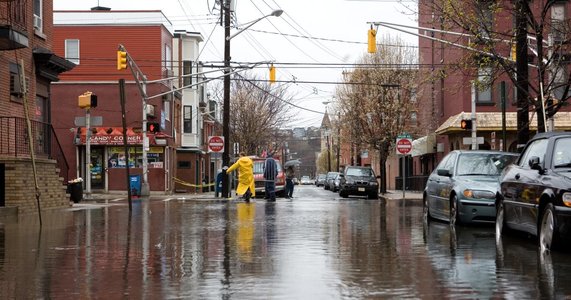
Key Highlights
- Extensive Economic Damage: Floods cause extensive damage to property, infrastructure, and disrupt commerce.
- Deep Social Repercussions: Flood-related displacement, mental health issues, and community disruption affect vulnerable groups disproportionately.
- Mitigation and Resilience Necessity: Effective measures including structural upgrades, forecasting, and robust policies are essential to mitigate impacts.
Overview
Flooding is one of the most devastating natural disasters, characterized by its abrupt onset and wide-scale effects. Economically, floods inflict severe damage on property, infrastructure, agricultural systems, and disrupt business operations. Socially, the consequences include displacement, loss of community cohesion, mental health complications, and exacerbation of existing inequalities. The impacts vary regionally but the universal disruption of daily life as well as long-term economic burdens are undeniable.
Economic Impacts of Floods
Direct and Indirect Economic Losses
The economic repercussions of flooding are both immediate and enduring. Immediate effects include direct damage to private and public assets, while indirect impacts involve interruptions in supply chains and business operations. Economic losses are not only confined to the short-term repair and replacement costs but also manifest through long-term declines in productivity and overall economic growth.
Property and Infrastructure Damage
Flood events often lead to widespread destruction of property. Homes, commercial buildings, roads, bridges, and utilities such as power lines suffer significant damage. As a result, repair and reconstruction efforts place a heavy financial burden on both individuals and governments. For instance, recent assessments have estimated that in the United States alone, the overall cost of flood damage can range from $179.8 to $496 billion annually.
Disruption to Business and Supply Chains
Flooding interrupts normal business operations by damaging facilities and disrupting logistics networks. This leads to lost revenue and increased recovery costs. For example, during the 2021 flooding in Belgium, directly affected companies experienced an average 15% decline in sales. Beyond immediate losses, these business interruptions can lead to long-term reductions in economic productivity and deter future investments.
Agriculture and Healthcare Strains
The agricultural sector is particularly vulnerable to flooding. Crop destruction and livestock losses result in diminished food supply and potential spikes in consumer prices. Additionally, the contamination of water supplies by floodwaters can lead to the outbreak of waterborne diseases, further straining healthcare resources and affecting community productivity.
Infrastructure Investments and Broader Economic Trends
In the aftermath of significant floods, investments in infrastructure—especially flood defenses and drainage systems—become paramount. However, these projects require substantial financial outlays, estimated sometimes to reach between $68.9 and $344.5 billion. Recurrent flooding discourages long-term investments, stalling economic growth in vulnerable regions as financial resources are redirected from development to recovery and mitigation.
Social Impacts of Floods
Community Displacement and Loss
One of the most immediate social consequences of flooding is the displacement of communities. Floodwaters force residents to evacuate, often resulting in temporary or long-term homelessness. The loss of housing invariably leads to the disintegration of community structures and networks, creating lasting social disruption. People are not only forced to leave their homes but also lose a sense of identity and communal support that is vital for societal wellbeing.
Psychological and Health Consequences
Beyond physical displacement, floods impact mental health significantly. Survivors frequently experience long-term psychological distress, including post-traumatic stress disorder (PTSD), anxiety, and depression. The trauma experienced from losing one's home, personal belongings, and community ties leads to lasting cognitive and emotional repercussions. Additionally, exposure to contaminated water and unsanitary conditions post-flood can trigger physical health problems, further compounding mental health struggles.
Reinforcement of Social Inequities
Flooding often magnifies existing social inequalities. Vulnerable and marginalized communities, such as low-income households, disabled individuals, and rural populations, tend to suffer disproportionately. These groups frequently lack access to essential resources for recovery and reconstruction, thereby deepening the cycles of poverty and social disadvantage. The inequitable distribution of aid and recovery resources highlights the need for more focused policy interventions and community support systems in post-disaster scenarios.
Broader Community and Societal Consequences
The erasure of community centers, educational institutions, and social gathering spaces during flood events can have pronounced long-term effects on community cohesion. The breakdown of these networks leads to social isolation and long-lasting disruption to communal life. Moreover, frequent flooding forces communities into a state of precariousness, where rebuilding efforts are continuously under threat from recurring natural disasters.
Mitigation, Policy, and Adaptation Strategies
Structural and Non-Structural Approaches
Mitigation strategies designed to lessen flood risks and impacts involve a combination of structural measures (like the construction of levees and improved drainage systems) and non-structural approaches (including early warning systems, zoning regulations, and community education programs). Effective flood risk management involves integrating both approaches to create resilient and adaptive communities.
Enhancing Infrastructure and Early Warning Systems
Investment in robust infrastructure is essential for reducing the damage inflicted by floods. Upgrading drainage and building flood defenses help protect key areas from inundation. Equally important are early warning systems that leverage advanced meteorological technology to predict flooding events, allowing for timely evacuation and emergency response measures.
Policy Initiatives and Financial Instruments
A critical component of flood risk reduction is the implementation of public policy and financial mechanisms. Increasing insurance coverage among at-risk populations, providing government subsidies for rebuilding, and employing tax incentives for businesses that invest in flood-resistant infrastructure are all ways to mitigate long-term economic losses. These policies not only assist with immediate recovery but also help reduce future vulnerabilities by fostering investment in resilience and preparedness.
Civic Engagement and Community Preparedness
Effective community response to floods relies heavily on robust civic engagement and preparedness training. Communities that are well-informed about flood risks and equipped with strategic response plans tend to experience less severe social and economic repercussions. This preparedness involves public education initiatives, community drills, and the establishment of support networks to provide psychological and logistical assistance during recovery periods.
Economic and Social Impact Summary Table
| Impact Category | Key Effects | Measures/Strategies |
|---|---|---|
| Property & Infrastructure | Flood damage to homes, businesses, roads, and utilities; costly repairs and reconstruction | Investment in flood defenses, upgraded drainage systems, resilient infrastructure design |
| Business Disruptions | Lost revenue, interrupted supply chains, long-term productivity declines | Enhanced emergency plans, improved logistics, disaster recovery funds |
| Agriculture & Healthcare | Crop destruction, livestock losses, waterborne disease outbreaks, increased healthcare costs | Risk management in agriculture, improved water treatment, public health initiatives |
| Social and Community | Displacement, homelessness, mental health issues including PTSD, loss of community cohesion | Community education, mental health support services, inclusive reconstruction policies |
| Social Inequities | Exacerbation of inequalities, marginalization of vulnerable groups | Equitable aid distribution, targeted community investment, regulatory reforms |
Additional Insights
Understanding the Full Scope
Flooding does not simply represent a natural hazard confined to an isolated event; it is a continuous cycle of damage and recovery that affects economic stability, public health, and the integrity of communities. From the moment a flood occurs, there are cascading effects that ripple through economic systems and community life. The disruption of supply chains and the damage to infrastructure lead to a decrease in productivity that can impact not only the directly affected areas but also the national economy at large.
The Role of Climate Change
As climate change intensifies, the frequency and severity of floods are expected to increase. This escalation places additional stress on economic systems and exacerbates social vulnerabilities. The interplay between climate change and flooding reinforces the need for adaptive strategies that not only address immediate recovery but also integrate long-term resilience planning into public policy and community initiatives.
Learning from Past Events
Historical flood events, ranging from Superstorm Sandy in New York to recent floods in European countries and other regions of the world, provide critical lessons. Such events have underscored the importance of comprehensive flood management practices, early warning systems, and community-based preparation programs. Detailed after-action reviews and impact assessments help policymakers and stakeholders develop better strategies to minimize future risk.
References
- European Central Bank - ECB Economic Bulletin
- JEC Senate Report - JEC
- SpringerLink Article - Springer
- University of Sydney News - Sydney
- NCCEH Report - NCCEH
Recommended Further Exploration
Last updated March 26, 2025