
Flower Strips: Empowering Insect Predators for Sustainable Pest Control
Harnessing nature's allies through strategic floral landscapes
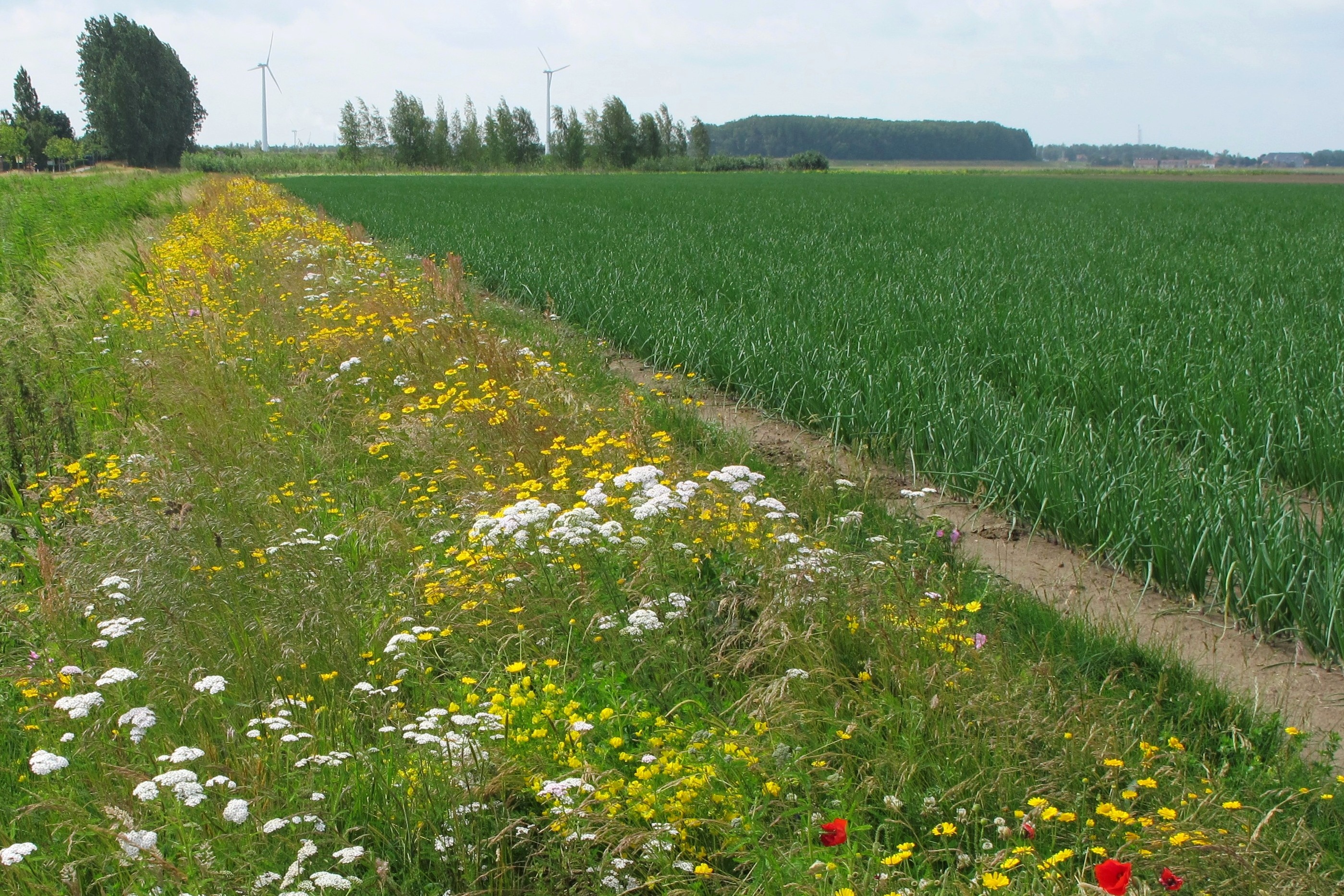
Key Takeaways
- Enhanced Biological Pest Control: Flower strips attract and support a diverse range of beneficial insect predators, reducing the reliance on chemical pesticides.
- Continuous Resource Provision: By selecting a variety of flowering plants that bloom at different times, flower strips ensure a steady supply of nectar and pollen, sustaining predator populations year-round.
- Ecosystem Diversification: Incorporating native and diverse plant species in flower strips fosters a resilient ecosystem, promoting overall agricultural health and productivity.
Understanding Flower Strips in Enhancing Insect Predator Functions
Introduction
Flower strips are strategically planted sections of various floral species integrated into agricultural landscapes to attract and sustain beneficial insects, particularly natural predators of common pests. By fostering an environment rich in floral diversity, flower strips play a pivotal role in biological pest control, enhancing crop health and yield while minimizing the need for synthetic pesticide applications.
How Flower Strips Support Insect Predators
Attracting Natural Enemies
Flower strips act as lures for a wide array of natural enemies, including ladybugs, lacewings, hoverflies, parasitic wasps, and ground beetles. These beneficial predators are instrumental in controlling pest populations such as aphids, mites, and caterpillars. By providing a hospitable habitat rich in nectar and pollen, flower strips ensure these predators are present and active within agricultural fields.
Providing Shelter and Food
The flowers within these strips offer essential resources that support the survival and reproduction of beneficial insects. Nectar and pollen serve as vital energy sources, particularly when prey availability is low. Additionally, the structural complexity of diverse plant species provides shelter and breeding grounds, enabling predators to thrive and maintain their populations.
Enhancing Predator Populations
Integrating flower strips into crop systems has been shown to significantly increase the abundance and longevity of beneficial predators. Studies indicate that areas with established flower strips experience a more stable and robust predator population, which contributes to effective and sustainable pest management. This natural augmentation reduces the vulnerability of crops to pest outbreaks.
Creating a Complex Ecosystem
Flower strips introduce a level of biodiversity that fosters a balanced and resilient ecosystem. This complexity not only supports a broader range of beneficial insects but also minimizes negative interactions such as intraguild predation. A diverse ecosystem enhances overall biological control efficacy, ensuring that pest populations remain suppressed through multiple natural mechanisms.
Beneficial Flowers for Insect Predators
| Flower | Beneficial Predators Attracted | Key Features |
|---|---|---|
| Yarrow (Achillea millefolium) | Hoverflies, ladybugs, parasitic wasps | Long-lasting blooms providing ample nectar and pollen |
| Dill (Anethum graveolens) | Lacewings, parasitic wasps | Umbel-shaped flowers offering accessible nectar |
| Sweet Alyssum (Lobularia maritima) | Hoverflies | Low-growing habit with continuous blooming |
| Sunflowers (Helianthus spp.) | Hoverflies, minute pirate bugs | Large inflorescences attracting pollen-loving insects |
| Coriander (Coriandrum sativum) | Hoverflies, parasitic wasps | Fragrant flowers attracting diverse predators |
| Lavender (Lavandula spp.) | Hoverflies, predatory wasps | Aromatic blooms providing nectar and deterring certain pests |
| Fennel (Foeniculum vulgare) | Ladybugs, parasitic wasps | Feather-like flowers offering abundant nectar |
| Buckwheat (Fagopyrum esculentum) | Hoverflies, parasitic wasps | Rapid growth with continuous flowering |
| Creeping Thyme (Thymus serpyllum) | Lacewings, hoverflies | Ground cover providing shelter and nectar |
| Echinacea (Echinacea spp.) | Predatory beetles, parasitic wasps | Tall flowers attracting a variety of beneficial insects |
Integration into Agricultural Practices
Flower strips can be seamlessly integrated into existing agricultural landscapes, whether alongside field margins, between crop rows, or in dedicated sections of orchards and plantations. The strategic placement ensures that beneficial insects can easily migrate between flower strips and crop areas, maximizing their pest control potential. Additionally, flower strips can be tailored to specific crop needs and local ecological conditions, enhancing their effectiveness across diverse farming systems.
Flower Strip Design Considerations
Flower Selection
Selecting the appropriate flower species is crucial for attracting the desired beneficial insects. Opt for a mix of open and shallow flowers, such as those in the Umbelliferae family, which are highly attractive to parasitic wasps and lacewings. Incorporating native plants can also enhance local predator populations, as they are often better adapted to the regional pest dynamics.
Blooming Periods
To ensure a continuous supply of resources, choose a variety of plants that bloom at different times throughout the growing season. This temporal diversity sustains predator populations by providing ongoing access to nectar and pollen, thereby maintaining their activity and effectiveness in pest control.
Plant Diversity
A diverse mix of plant species within flower strips promotes a resilient ecosystem. Diversity not only attracts a broader range of beneficial insects but also reduces the risk of pest resurgence by preventing monoculture vulnerabilities. Including both flowering and non-flowering plants can further enhance habitat complexity.
Challenges and Best Practices
While flower strips offer significant benefits, their success depends on proper implementation and management. Challenges such as selecting the right plant species, ensuring adequate spacing, and preventing invasive species from establishing can be addressed through careful planning. Adopting best practices like regular monitoring, adaptive management, and integrating flower strips with other sustainable farming techniques can optimize their effectiveness and longevity.
Conclusion
Flower strips represent a powerful tool in the arsenal of sustainable agriculture, harnessing the natural behaviors of insect predators to maintain ecological balance and control pest populations. By thoughtfully designing and integrating flower strips into farming systems, growers can enhance biological pest control, reduce dependency on chemical inputs, and promote a healthier, more resilient agricultural ecosystem. The strategic use of floral diversity not only benefits crop productivity but also contributes to broader environmental stewardship.
References
Last updated January 27, 2025