
When Flower Strips Fail to Enhance Natural Enemy Populations at Landscape Scale
Exploring the Challenges in Biodiversity Support Through Agricultural Practices
Key Takeaways
- Species Selection is Crucial: The choice of flower species significantly impacts the ability of flower strips to support natural enemies.
- Landscape Context Matters: The surrounding environment and landscape complexity influence the effectiveness of flower strips.
- Management Practices Affect Success: Annual vs. perennial management and agricultural practices can either support or hinder natural enemy populations.
Introduction
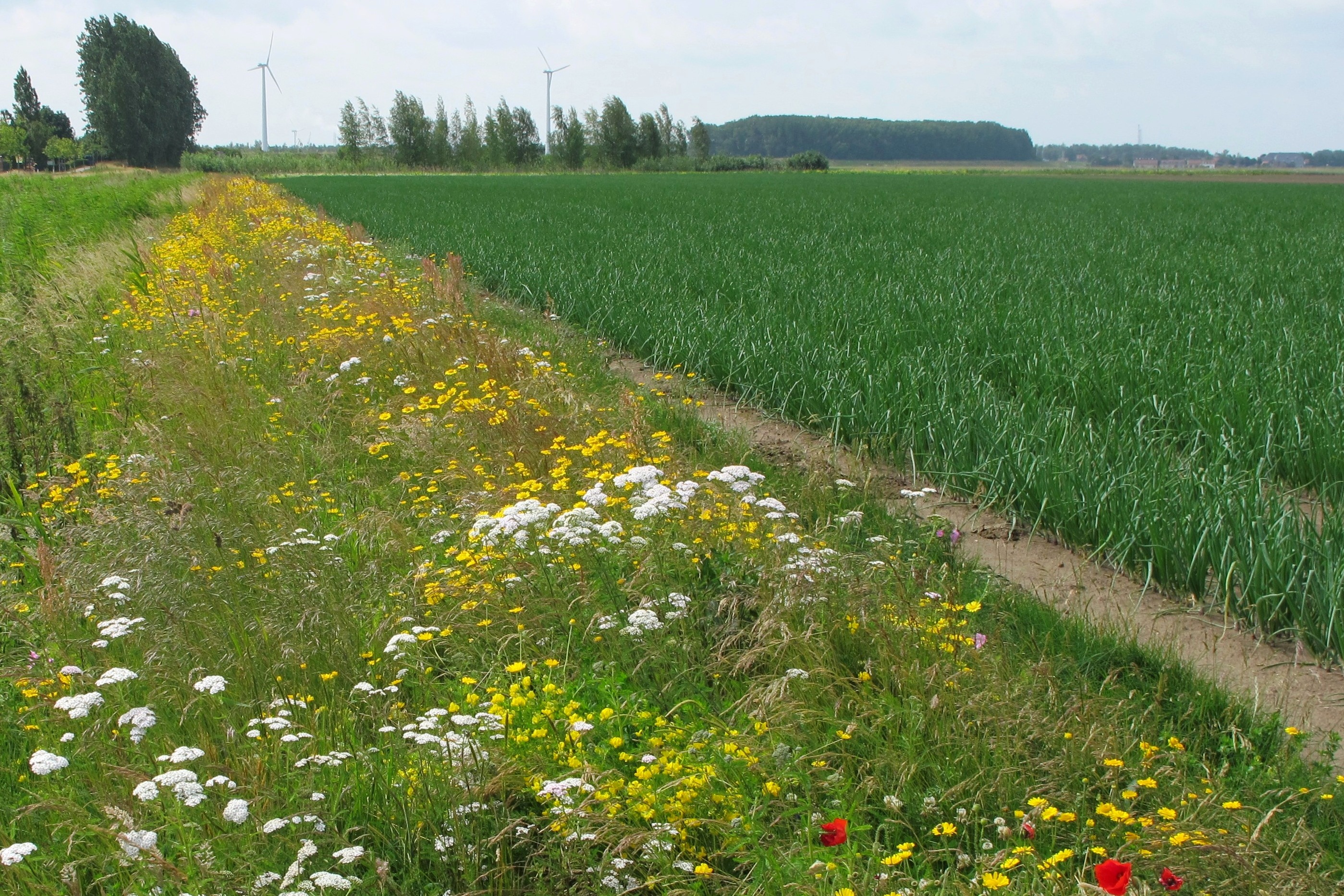
Flower strips are a widely adopted agroecological practice aimed at enhancing biodiversity within agricultural landscapes. By providing floral resources and habitats, these strips are intended to support natural enemies such as predators and parasitoids, which contribute to natural pest control. However, the effectiveness of flower strips in increasing natural enemy populations at a landscape scale is not universally guaranteed. Various factors, including plant species selection, management practices, and the broader landscape context, play pivotal roles in determining their success. This comprehensive analysis delves into the conditions under which flower strips may fail to bolster natural enemy populations, drawing insights from recent research and expert evaluations.
Factors Limiting the Effectiveness of Flower Strips
Inappropriate Flower Species Selection
One of the primary reasons flower strips may fail to enhance natural enemy populations is the selection of non-functional or inappropriate flower species. Natural enemies rely on specific floral resources, such as nectar and pollen, to sustain their populations. If the chosen species do not provide these essential resources, the strips will not attract or support beneficial insects effectively.
For instance, ornamental flowers that produce minimal nectar or pollen can attract pollinators but fail to support predatory insects and parasitoids. Additionally, selecting flower species that do not align with the dietary preferences or habitat requirements of target natural enemies can result in limited population growth and reduced pest control efficacy.
Annual vs. Perennial Flower Strips
The management strategy of flower strips, particularly the choice between annual and perennial species, significantly influences their ability to support natural enemies. Annual flower strips, which are ploughed and reseeded each year, can disrupt the life cycles of beneficial insects. This repetitive disturbance may prevent natural enemies from establishing stable populations, leading to a gradual decline over time.
Conversely, perennial flower strips offer more stable habitats, providing continuous floral resources and shelter. Perennial strips are less disruptive and can support overwintering sites, fostering sustained populations of natural enemies. The stability provided by perennial management is crucial for the long-term effectiveness of flower strips in enhancing biodiversity.
Landscape Context and Complexity
The broader landscape context plays a vital role in determining the success of flower strips. In landscapes that are highly fragmented or lack sufficient non-crop habitats, flower strips may not provide enough resources to support natural enemy populations effectively. The absence of connected semi-natural habitats limits the dispersal and establishment of beneficial insects across the landscape.
In structurally simple landscapes, such as those dominated by monoculture crops, flower strips can be more effective due to the scarcity of alternative habitats. However, in landscapes already rich in semi-natural habitats like forests and hedgerows, the marginal benefits of additional flower strips may be reduced, resulting in a dilution effect where insect populations are spread thinly across multiple habitats.
Ecological Traps
Flower strips can sometimes act as ecological traps, attracting natural enemies without providing sufficient resources or exposing them to higher predation risks. In such scenarios, the presence of flower strips may lure beneficial insects away from more productive areas, leading to reduced effectiveness in pest control. Ecological traps undermine the intended benefits by creating misleading cues that do not enhance the survival and reproduction of natural enemies.
Pest Population Dynamics
The dynamics of pest populations within the landscape also influence the impact of flower strips on natural enemies. If pest populations are either too low or excessively high, the ability of natural enemies to control them can be compromised. Low pest densities may not provide sufficient prey for predators and parasitoids, leading to a decline in their populations. Conversely, very high pest densities can overwhelm natural enemies, making biological control efforts less effective.
Poor Ecological Quality of Surrounding Habitats
The quality of surrounding habitats is crucial for the sustainability of natural enemy populations supported by flower strips. If adjacent semi-natural habitats lack botanical and structural diversity, they may not contribute additional resources necessary for the survival and proliferation of beneficial insects. Low ecological quality can limit the establishment of diverse species pools, reducing the overall effectiveness of flower strips in pest management.
Interference from Agricultural Practices
Intensive agricultural practices such as frequent mowing, plowing, or the use of insecticides can negate the benefits of flower strips. Regular disturbance through mowing can destroy floral resources and habitat structures essential for natural enemies. The application of insecticides, even if targeted, can inadvertently harm beneficial insect populations, diminishing their ability to control pests effectively.
Lack of Overwintering Sites
Natural enemies require suitable overwintering sites to survive seasonal changes and maintain population stability. Flower strips that do not provide adequate shelter or resources for overwintering can lead to population declines during unfavorable conditions, limiting their effectiveness in pest control across multiple growing seasons.
Best Practices for Effective Flower Strips
Selecting Appropriate Plant Species
To maximize the benefits of flower strips, it is essential to select plant species that provide abundant nectar, pollen, and shelter tailored to the needs of target natural enemies. Incorporating a diverse mix of perennial and nectar-rich flowers can enhance the attractiveness and utility of the strips. Species should be chosen based on local ecological conditions and the specific requirements of beneficial insects prevalent in the region.
Ensuring Landscape Connectivity
Establishing a network of connected semi-natural habitats, including perennial flower strips, can facilitate the movement and establishment of natural enemies across the landscape. Connectivity ensures that beneficial insects can disperse between habitats, enhancing genetic diversity and population resilience. This approach mitigates the fragmentation effects and supports sustained pest control services.
Managing Flower Strip Traits
Maintaining high flower coverage and diversity within strips is critical for providing continuous resources to natural enemies. Avoiding excessive disturbance, such as infrequent mowing, allows for the establishment of robust floral habitats. Additionally, incorporating structural diversity through varying plant heights and nesting sites can further support a wide range of beneficial insects.
Minimizing Agricultural Interferences
Reducing the use of broad-spectrum insecticides and minimizing mowing frequency in and around flower strips can preserve the integrity of beneficial insect populations. Implementing integrated pest management (IPM) practices that prioritize biological control can enhance the synergy between flower strips and natural enemies, leading to more effective pest suppression.
Conclusion
While flower strips are a promising strategy for enhancing biodiversity and supporting natural enemies in agricultural landscapes, their effectiveness at a landscape scale is contingent upon several critical factors. Inappropriate species selection, disruptive management practices, and unsuitable landscape contexts can significantly limit the ability of flower strips to increase natural enemy populations. To overcome these challenges, a comprehensive approach that includes selecting functional plant species, ensuring landscape connectivity, maintaining high floral diversity, and minimizing harmful agricultural practices is essential. By addressing these factors, flower strips can more effectively contribute to sustainable pest management and ecological resilience within agricultural ecosystems.
References
Last updated January 27, 2025