
Introduction to Fluid Properties in Agricultural and Biosystem Engineering
Exploring Fluid Behavior, Safety Protocols, and Experimental Methodologies
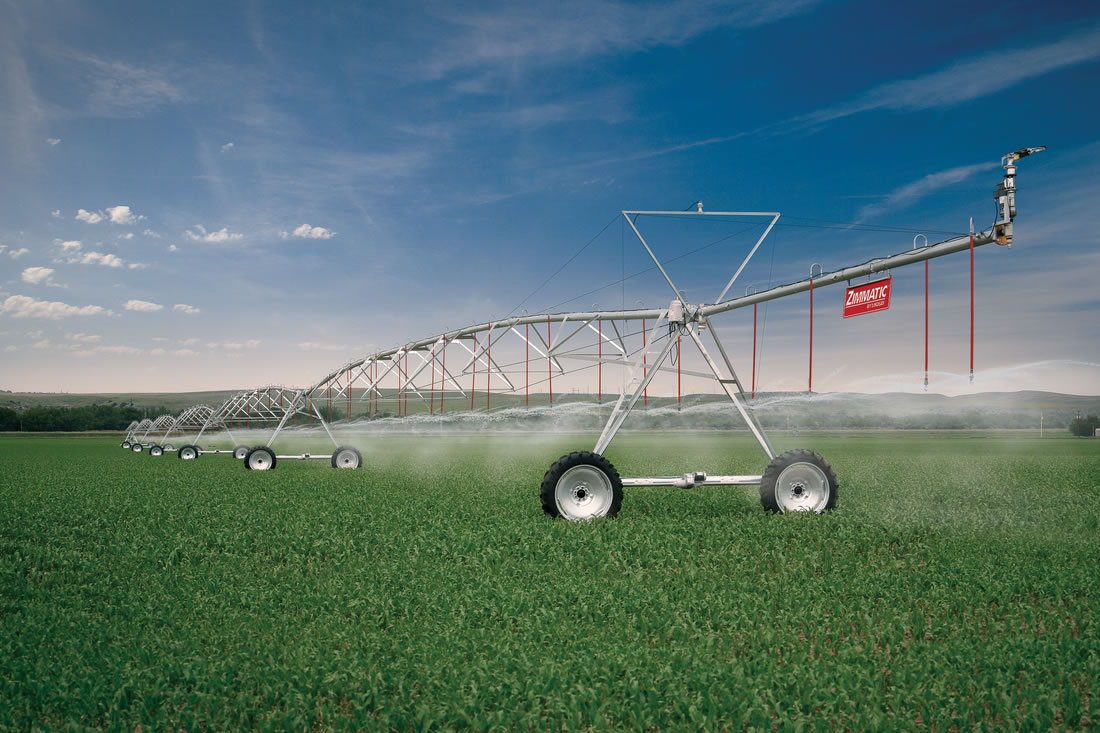
Highlights
- Essential Fluid Properties: Density, viscosity, surface tension, and capillarity play pivotal roles in agricultural systems.
- Safety First: Adhering to comprehensive safety guidelines is critical for successful experimental procedures.
- Practical Experiments: Hands-on experiments such as measuring density, observing viscosity, demonstrating surface tension, and exploring capillarity provide key insights into fluid behavior.
1. Introduction to Fluid Properties
Fluid mechanics is a cornerstone of agricultural and biosystem engineering, integrating theoretical frameworks and practical experimentation to understand how fluids behave under various conditions. In this field, fluids include liquids and gases that exhibit continuous deformation under shear stress. They are essential for a variety of applications—from the design of efficient irrigation systems and water management strategies to the processing of food products and the handling of biological materials.
Understanding Fluid Characteristics
Fluid properties such as density, viscosity, surface tension, and capillarity are fundamental to analyzing how fluids interact with their environments. These properties allow engineers to predict the movement, mixing, and separation of substances in numerous engineering processes, thereby optimizing system design and operational efficiency. Fluid density, for example, measures the mass per unit volume and is crucial for assessing buoyancy and separation processes. Viscosity, on the other hand, quantifies a fluid's resistance to flow, directly influencing pumping systems, pipeline design, and natural flow dynamics in agricultural setups. Surface tension describes the cohesive forces at a fluid's surface, impacting droplet formation and the behavior of fluids in micro-environments. Lastly, capillarity explains a fluid’s tendency to rise or fall in narrow spaces due to adhesive and cohesive forces, a phenomenon that is critical in soil water dynamics and irrigation management.
Real-World Examples in Agriculture
In agricultural settings, these properties manifest in everyday operations. For instance, the separation of seeds from impurities often employs differences in density, while tubing systems in irrigation require careful consideration of fluid viscosity to maintain an even flow. Surface tension plays a role in pesticide dispersion and water retention on foliage, and capillarity explains how water moves through soil, directly affecting crop hydration levels. These examples highlight the imperative for agricultural engineers to deeply understand and accurately measure fluid properties.
2. Safety Guidelines
When conducting experiments involving fluid properties, meticulous attention to safety cannot be overemphasized. Maintaining a safe laboratory environment encompasses proper personal protective equipment, organized workspaces, and clearly defined protocols.
Key Safety Measures
The following safety guidelines are recommended for any laboratory work involving fluids:
- Wear Appropriate PPE: Always utilize gloves, safety glasses, lab coats, and closed-toe shoes to protect against chemical splashes and accidental spills.
- Maintain a Hazard-Free Environment: Ensure the laboratory area is clean, free from unnecessary clutter, and has safety signage posted. Wet floors should be marked and cleaned immediately to prevent slip hazards.
- Proper Equipment Handling: Familiarize yourself with the operation and control manuals for all instruments. Avoid unauthorized or unsupervised experiments, and ensure that all experimental setups are reviewed by an experienced instructor or supervisor.
- Emergency Preparedness: Keep a well-stocked first aid kit and eye-wash stations nearby. Familiarize yourself with emergency procedures and protocols for rapid incident management.
Importance of Lab Safety
Safety protocols are not only vital for the well-being of personnel but also for maintaining the integrity of experimental data. Accurate measurement and observation are only possible in a controlled and secure environment, making adherence to these guidelines crucial for successful experimentation in agricultural and biosystem engineering.
3. Experiment 1: Measuring Fluid Density
The measurement of fluid density is among the most fundamental experiments in fluid mechanics. Density, defined as mass per unit volume, is a direct indicator of how substances will interact within a mixture or environment, particularly in separation processes such as those found in agricultural processing.
Experimental Procedure
To measure the density of a fluid, engineers commonly use instruments such as hydrometers or pycnometers. The standard formula applied is:
ρ = m/V
Where ρ (rho) is the density, m is the mass of the fluid, and V is its volume. This experiment is often performed using liquids like water, oil, or specialized agricultural fluids to compare their densities.
Application in Engineering Design
Density measurements are crucial not only for determining the properties of individual fluids but also for designing separation processes. For example, in seed-cleaning operations, engineers rely on density differences to separate seeds from chaff, thereby improving the efficiency of agricultural processing.
Data Collection and Analysis
Results from fluid density experiments are typically tabulated to allow for easy comparison. The following table illustrates a sample dataset of density measurements for different fluids:
| Fluid Type | Mass (g) | Volume (cm³) | Density (g/cm³) |
|---|---|---|---|
| Water | 100 | 100 | 1.00 |
| Vegetable Oil | 92 | 100 | 0.92 |
| Glycerol Solution | 115 | 100 | 1.15 |
This tabular representation not only aids in visualizing the experimental data but also helps in benchmarking values for various fluids, thereby serving as a foundational tool for further studies into fluid behavior in agricultural applications.
4. Experiment 2: Observing Viscosity
Viscosity is a key property that characterizes a fluid's resistance to flow. It is critically important in the design of systems that transport fluids through pipes and channels, as well as in the formulation of products that must flow reliably under varying temperatures and pressures.
Methods for Measuring Viscosity
Several experimental techniques are available for measuring viscosity. One common method is the use of a viscometer. In a typical viscometer experiment, fluid is allowed to flow through a capillary tube or along a measured path, and the time taken for this flow is recorded. An alternative method involves the dropping of a sphere (or marble) through a column of fluid where the time taken for the sphere to traverse a set distance is measured.
Interpreting Viscosity Data
In both approaches, viscosity can be indirectly calculated by comparing the flow behavior to standard references. Engineers use this data to predict how fluids will behave under different conditions such as changes in temperature or concentration. For example, fluids with high viscosity might require specialized pumping systems or heating units to manage flow, while low viscosity fluids may necessitate stabilization techniques to prevent turbulent flow.
The application of viscosity measurements is particularly relevant in agricultural systems like the processing of honey, molasses, or other viscous organic fluids used in production and irrigation systems. Understanding the resistance to shear stress is crucial for designing systems that are both efficient and durable.
5. Experiment 3: Demonstrating Surface Tension
Surface tension is the property that enables the surface of a liquid to resist external force, appearing as an elastic membrane. It is a direct consequence of the cohesive forces between fluid molecules and is demonstrated in common phenomena such as the ability of certain objects to float on water despite being denser than it.
Practical Demonstration of Surface Tension
A simple experiment to demonstrate surface tension involves carefully placing a small, lightweight object—like a needle or a paperclip—on the surface of water. Despite the metal’s inherent density, due to the force of surface tension, the object remains afloat. To further explore surface tension, one can add surfactants or detergents to the water and observe the change in behavior as the surface “elasticity” diminishes.
Agricultural Applications
This experimental insight is significant for agricultural applications, such as in the formulation of pesticides and herbicides, where the spreading of liquid over plant surfaces depends critically on the balance of surface tension forces. Moreover, the knowledge of surface tension assists in designing advanced irrigation techniques that ensure efficient water spreading and retention on crops.
6. Experiment 4: Exploring Capillarity
Capillarity is the unique phenomenon where a liquid moves through narrow spaces without the assistance of external forces. This behavior is driven by adhesive forces between the liquid and a surrounding solid surface, along with cohesive forces within the liquid.
Experimental Setup for Capillary Action
In a standard experiment, capillary tubes of different diameters are immersed in the fluid, and the height to which the liquid rises is recorded. The rate and extent of capillary rise depend on the interaction between the liquid and the tube material as well as the liquid’s inherent properties, such as surface tension and viscosity.
Capillarity in Soil and Irrigation
Understanding capillarity is pivotal for agricultural engineering, especially in soil science. The capillary action in the soil matrix influences water distribution and retention near plant roots. Engineers can optimize irrigation systems by leveraging insights from capillarity experiments, thereby enhancing water usage efficiency and promoting sustainable farming practices.
Moreover, by applying capillary theory, engineers can develop better drainage systems and soil amendments that optimize the water availability for crops, reducing the risks of both waterlogging and drought stress.
Integrating Theory and Practice in Agricultural Engineering
The comprehensive understanding of fluid properties through these experiments underscores their significant role in agricultural and biosystem engineering. By combining a robust theoretical base with precise experimental techniques, engineers can design advanced systems that are both efficient and reliable. Whether it’s in the separation of materials using density differences, optimizing flow through an understanding of viscosity, or leveraging surface tension and capillarity to improve irrigation practices, each aspect of fluid mechanics contributes to enhanced agricultural productivity and sustainability.
Synergy of Experimental Data and Practical Applications
The integration of these experimental methods into a single framework offers engineers a detailed view of the fluid behavior essential in many agricultural applications. For instance, accurate density measurements can ensure that separation processes in seed cleaning are efficient, while detailed viscosity studies inform the design of fluid transport systems that minimize energy losses. Demonstrations of surface tension and capillarity reveal critical natural phenomena that can be harnessed to better manage water distribution in crops. Together, these insights facilitate innovations that improve crop yield, resource management, and overall system resilience in the agricultural sector.
Conclusion and Final Thoughts
In conclusion, fluid mechanics forms the backbone of agricultural and biosystem engineering by providing essential insights into the behavior of liquids and gases. The introduction and synthesis of fluid properties—density, viscosity, surface tension, and capillarity—coupled with stringent safety guidelines and practical experiments, equip engineers with the tools needed to optimize operations ranging from irrigation and crop processing to soil water management. By integrating theory with hands-on experimentation, agricultural engineers can bridge the gap between laboratory research and real-world applications, thereby enhancing efficiency and sustainability in agricultural practices.
This systematic approach not only ensures rigorous scientific inquiry but also contributes to the overall advancement of technology in agriculture. Embracing these fluid properties through laboratory experimentation supports the development of systems that are both innovative and responsive to the complex challenges faced in modern agriculture. As agricultural and biosystem engineers continue to explore the nuances of fluid behavior, their ability to design robust and efficient systems will undoubtedly lead to a more sustainable and productive future in the agricultural sector.
References
-
Introduction and Fluid Properties - SFU
- Fundamental Properties of Fluids - ERAU Eagle Pubs
- Fluid Properties - PSU
- Fluid Mechanics Lab Manual - Course Hero
- Engineering Lab Manual - Course Hero
- Lab Safety Guidelines - Lab Manager
Recommended Queries for Further Insight
Last updated February 21, 2025