
Long-Term Food Storage: Essential Foods and Strategies
Comprehensive guide to selecting and storing long-lasting food staples
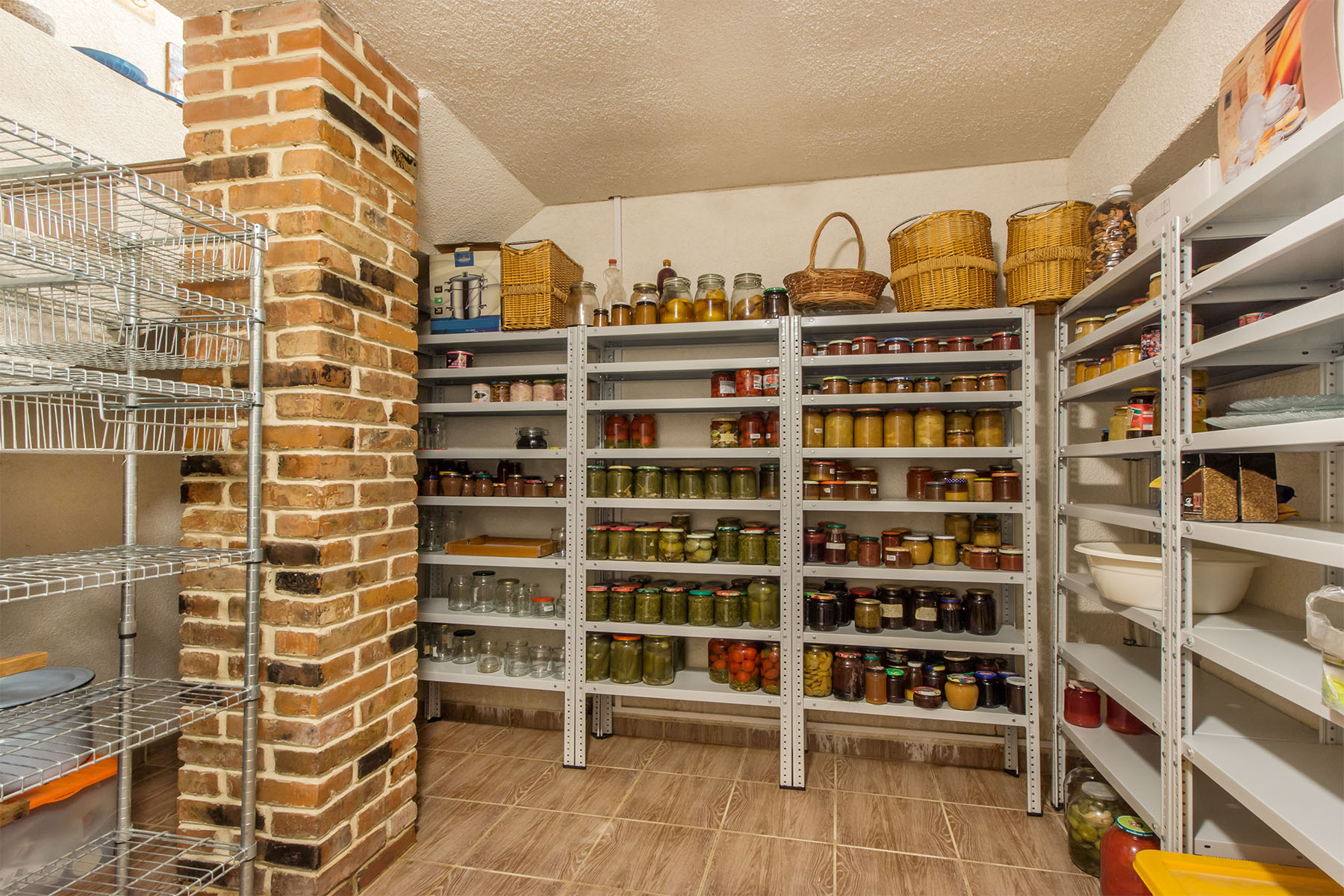
Key Highlights
- Essential Staples: Grains, legumes, and canned goods offer longevity and nutrition.
- Proper Storage Techniques: Using airtight containers, cool, dry environments, and rotation methods ensures optimal shelf life.
- Diversified Nutrient Sources: Including dried fruits, freeze-dried products, and powdered dairy supports a balanced emergency food supply.
Introduction
Planning for long-term food storage is a critical aspect for those who wish to have a reliable food supply during emergencies, natural disasters, or unforeseen disruptions. Choosing the right combination of foods not only ensures that you have sufficient calories but also that you receive necessary nutrients. This comprehensive guide explores the best foods for long-term storage and shares essential tips regarding packaging, storage conditions, and periodic maintenance.
Categories of Long-Term Storage Foods
Dry Staples
Dry staples form the foundation of any long-term storage plan. They provide a primary calorie source, are versatile for a variety of recipes, and usually can be stored for decades if kept under the right conditions. Among these, grains and legumes are the most common choices.
Grains
Grains such as white rice, wheat, oats, barley, and cornmeal are well-known for their longevity. For instance, white rice can have a shelf life of up to 30 years when stored in airtight containers in a cool, dry, and dark space. Wheat and oats, when packaged properly with oxygen absorbers and kept at room temperature or lower, can similarly last for decades. These grains are not only energy-dense but are also fundamental in many recipes, making them essential for a sustained food supply.
Legumes
Legumes—including dried beans, lentils, and peas—are equally critical for long-term food storage. Their indefinite shelf life, when stored in an airtight environment, makes them a reliable protein source. They are a crucial component for both caloric intake and providing essential amino acids. As legumes are versatile, they may be used in soups, stews, or as independent protein dishes.
Canned and Preserved Foods
Canned foods serve as an immediate, nutrient-rich option that complements dry staples. They are pre-cooked, sealed, and often fortified, meaning they require minimal additional preparation compared to dry stored foods.
Canned Goods
Canned foods range from fruits and vegetables to meats and dairy products. When sealed properly, these goods are impervious to contamination and can maintain safe storage for several years. It is, however, crucial to inspect cans for signs of damage, such as bulging lids or rust, which may indicate compromised storage conditions. For those planning for the long term, it is advisable to include a variety of canned items to ensure a balanced diet and maintain essential vitamins and minerals during emergencies.
Dehydrated and Freeze-Dried Foods
Dehydrated and freeze-dried items offer another layer of longevity to your storage plans. Freeze-dried fruits, vegetables, and complete meals are popular because they retain most of their nutritional content and can be stored for 25–30 years in vacuum-sealed packaging. These products require minimal preparation; rehydration with boiled water turns them into nearly fresh food. Additionally, these foods are lightweight and easy to store, ensuring they can be incorporated effectively even in limited storage spaces.
Dairy Alternatives and Nutritious Extras
While dairy products are perishable in their fresh form, there are several alternatives that lend themselves well to long-term storage.
Powdered and Evaporated Milk
Powdered milk and evaporated milk provide essential dairy nutrients while boasting impressive shelf lives—up to 20 years for powdered milk in optimal conditions. These alternatives are essential for maintaining a supply of calcium and vitamin D, which are often sought from dairy products.
Honey
Honey is another indispensable item in your long-term supply. Its natural preservation properties mean that it does not spoil, even after many years of storage. In addition to being a natural sweetener, honey possesses antibacterial properties, which can be beneficial during health emergencies.
Sugar and Salt
Basic seasonings such as sugar and salt are two of the few items with, in most cases, an indefinite shelf life. Sugar acts as both a flavor enhancer and a preservative, while salt is pivotal for food preservation processes and is integral to maintaining balance in food recipes.
Other Notable Long-Lasting Foods
Beyond grains, legumes, and canned dairy, several other food symbols contribute significant nutritional value while boasting long shelf lives. These items ensure a diverse nutritional intake and pleasant flavors during extended periods without fresh food supplies.
Pasta
Pasta, when stored properly in airtight containers in a cool and dry environment, can provide a robust carbohydrate source over several years. It makes up a versatile base for numerous recipes and is easy to prepare.
Jerky and Dried Meats
Jerky and other types of dried meats are excellent sources of protein and can add variety to a long-term food supply. Typically, these foods can last up to two years, though freeze-dried versions might last considerably longer. Their high-protein nature is ideal for sustaining energy and muscle mass when fresh meat supplies are unavailable.
Dark Chocolate
Besides being a treat, dark chocolate—when stored properly—can last for many years. Its antioxidants and small caloric content make it a pleasant and healthy addition to your storage, especially when needing a morale boost during crises.
Practical Storage Techniques
Optimal Storage Conditions
Ensuring the longevity of stored food is as important as selecting the right items. Proper packaging and storage conditions can dramatically extend the life of food supplies.
Airtight Containers and Oxygen Absorbers
Using airtight containers is vital for preventing moisture, pests, and oxygen from compromising food items. Oxygen absorbers can further extend the life of stored products by reducing oxidation, thereby preserving both flavor and nutrients. For dry foods like grains and legumes, these additional storage accessories help in maintaining the items over decades.
Temperature Control
Maintaining an environment that is cool, dry, and dark is typically recommended for food storage. Ideally, room temperatures should be kept at or below 75°F (24°C). Excessive heat or fluctuating temperatures can lead to condensation and spoilage. Simple methods include using climate-controlled storage areas or basements to reduce ambient temperature and humidity.
Proper Rotation Practices
The FIFO (First In, First Out) method is crucial in ensuring you utilize stored foods while they are still at peak quality. This method prevents items from aging out and reduces waste by always consuming the products that were stored first. A systematic approach to inventory management minimizes the risks of spoilage and ensures balanced nutrition over time.
Organizing Your Food Storage
An organized storage system not only improves accessibility but also enhances the efficiency of your long-term food management plan.
Labeling and Inventory
Labeling each container with essential information including the purchase date, expiration date, and contents can help in easy rotation and tracking usage. An updated inventory list enables you to assess your food supplies regularly and strategically plan your consumption, thereby preventing shortages.
Integration of Multiple Food Categories
Combining dry staples, canned goods, and special items in your storage allows you to prepare balanced meals even in stressful situations. For instance, a meal can consist of high-energy carbohydrates from grains, protein and fiber from legumes, and texture variety from canned or dehydrated vegetables. This diversity in your food storage ensures that your nutritional needs are met comprehensively.
Analyzing Nutritional Balance
Macronutrients and Caloric Intake
One of the primary considerations when planning for long-term food storage is achieving a balance among carbohydrates, proteins, and fats. Foods like grains and pasta provide a constant source of carbohydrates, while legumes, dried meats, and canned meats ensure adequate protein intake. While naturally low in fats, some preserved food items, including peanut butter and dried nuts, can supplement your diet with essential fatty acids.
Micronutrients and Vitamins
Although long-term storage foods focus on macronutrients, ensuring an adequate supply of vitamins and minerals is also crucial. Canned fruits and vegetables retain significant amounts of vitamins and antioxidants, while fortified powdered milk supplies essential vitamins like vitamin D and calcium. Moreover, some freeze-dried meals are specifically designed to retain micronutrients, thus bridging the nutritional gap during extended periods of storage.
Exploring a Balanced Menu
A balanced long-term storage menu draws from diverse food groups. Consider incorporating the following variety to ensure both energy and nutrition:
| Food Category | Examples | Shelf Life & Tips |
|---|---|---|
| Grains | White Rice, Wheat, Oats | Up to 30 years when stored airtight in cool, dry places |
| Legumes | Beans, Lentils, Peas | Indefinite lifespan with proper storage |
| Canned Goods | Canned Meats, Vegetables, Fruits | Typically 2-6 years; inspect regularly for damage |
| Dried/Freeze-Dried Foods | Freeze-dried Meals, Fruits, Vegetables | Lasts 25-30 years if vacuum sealed |
| Dairy Alternatives | Powdered Milk, Evaporated Milk | Usually 10-20 years when stored correctly |
| Others | Honey, Sugar, Salt, Dark Chocolate | Indefinite or several years with ideal conditions |
Special Considerations for Long-Term Storage
Food Preparation and Usage
Long-term storage shouldn’t stop with merely stockpiling foods; it also involves planning for how these foods will be used. Rotating your food supply by incorporating older items into your regular meal plans helps prevent waste and ensures that your stored food keeps pace with natural degradation. Meal preparation in an emergency may differ slightly from regular cooking, so having recipes that accommodate the use of these ingredients is a sound strategy.
Storage Environment and Safety
Beyond the foods themselves, the environment in which foods are stored plays an important role in prolonging their shelf life. Maintaining a consistent temperature, avoiding exposure to sunlight, and ensuring that storage areas are free from excessive humidity or pests are key factors in effective long-term storage. Regularly inspecting food supplies and replacing compromised containers also help protect your investment.
Budget and Scalability
Long-term food storage is an investment that must be balanced with financial constraints. Beginning with essential items that provide the greatest bang for the buck—such as dry grains and legumes—is advisable. Over time, as your budget permits, you can diversify your supply with more specialty items like freeze-dried meals, canned items, and dairy alternatives. A phased approach helps maintain a balanced storage strategy without overextending resources.
Innovative Technologies and Trends in Food Storage
Advancements in Packaging
Recent technological advancements have revolutionized the way foods are stored. Modern packaging techniques, such as vacuum sealing and the integration of advanced oxygen absorber packets, have increased the longevity of stored items significantly. These innovations help stabilize flavors, nutrients, and energy content by minimizing exposure to spoilage agents such as oxygen and moisture.
Emerging Products for Long-Term Storage
The market now offers a growing range of products specifically designed for long-term emergencies. Commercially prepared freeze-dried or air-dried meals maintain a high nutrient profile and are designed to be reconstituted quickly. Similarly, pasteurized cheese spreads and powdered cheese, along with various bouillon cubes and stock formulations, provide both convenience and taste. Their inclusion offers both diversity and ease of preparation when facing long shelf-life requirements.
Conclusion
Long-term food storage is a dynamic discipline that requires planning, resourcefulness, and a clear understanding of food properties and storage conditions. By focusing on a diversified portfolio of foods—including dry staples like grains and legumes, canned and freeze-dried goods, dairy alternatives, and nutrient extras—you can create a resilient and nutritious food reserve. Essential storage principles such as using airtight containers, temperature control, proper rotation via the FIFO method, and regular inspection further enhance the longevity and utility of your stored food.
This comprehensive guide outlines not only which foods offer the best shelf life but also delves deep into storage strategies and techniques that help in maintaining food quality. Whether you are preparing for an emergency or simply looking to manage a cost-effective and sustainable pantry, integrating these practices into your planning ensures that you are well-prepared for a variety of scenarios. Ultimately, the key to successful long-term storage lies in balancing nutritional needs, ease of use, and shelf stability, allowing you to maintain a healthy diet even when fresh supplies are limited.
References
- Long-Term Food Storage Staples That Last Forever - Taste of Home
- How to Safely Store Food Long Term - Azure Farm Life
- Longer Term Food Supply - The Church of Jesus Christ of Latter-day Saints
- Preparing an Emergency Food Supply: Long-Term Food Storage - University of Georgia
- Guide to Long-Term Food Storage - Mira Safety
Recommended Queries
Last updated February 26, 2025