
Exercises and Strategies for Managing Foot Pain
Relieving Peroneal Tendinopathy and Enhancing Foot Health
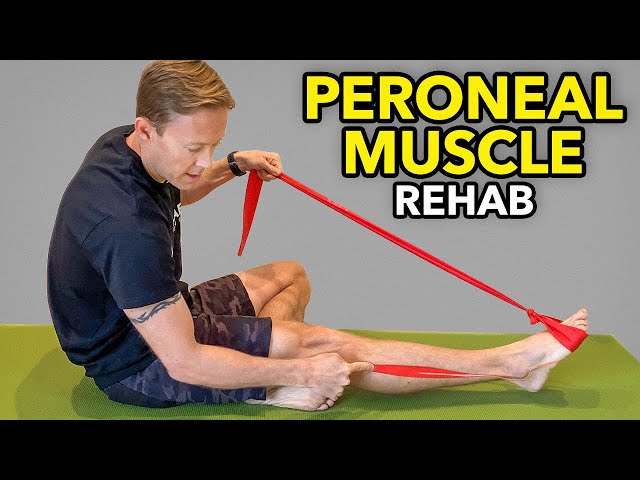
Based on your symptoms of pain in the bottom rear part and the outer side of your foot after running, and the absence of fractures as confirmed by your doctor, it is possible that you are experiencing Peroneal Tendinopathy. This condition involves the inflammation or degeneration of the peroneal tendons, which are essential for stabilizing the foot and ankle. Below, we will delve into a comprehensive set of exercises and strategies designed to alleviate your pain and facilitate recovery.
Key Insights for Recovery
- Warm-Up and Cool-Down: Initiate your exercise routine with a gentle warm-up to prepare your muscles and conclude with icing to reduce inflammation.
- Gradual Progression: Start exercises slowly and gradually increase intensity to prevent further aggravation of the condition.
- Balanced Approach: Incorporate a mix of stretching, strengthening, and balance exercises to comprehensively address the issue.
Understanding Peroneal Tendinopathy
Peroneal Tendinopathy, also known as Peroneal Tendonitis, is an overuse injury affecting the tendons that run along the outer side of the ankle and foot. This condition often results from repetitive stress or sudden increases in activity, leading to pain, swelling, and difficulty in movement.
Symptoms and Diagnosis
The primary symptoms of Peroneal Tendinopathy include pain on the outer side of the foot, particularly the bottom rear part, which you have described. The pain often worsens with activity and may be accompanied by swelling or a feeling of instability in the ankle. Your doctor's confirmation of no fractures through an X-ray helps to narrow down the possible causes to soft tissue injuries like tendinopathy.
Exercises for Alleviating Peroneal Tendinopathy
The following exercises are designed to stretch, strengthen, and improve the stability of your ankle and foot, targeting the peroneal tendons and surrounding muscles.
Warm-Up and Cool-Down Exercises
Before engaging in any specific exercises, it's crucial to warm up your muscles to enhance blood flow and reduce the risk of further injury. A few minutes of light activity, such as a gentle walk, can serve as an effective warm-up.
Ankle Circles
Sit in a chair and lift your affected foot off the ground. Rotate your ankle in circular motions, first clockwise and then counterclockwise. Perform 10 circles in each direction to gently mobilize the ankle joint.
Toe Points and Flexes
While seated, extend your affected leg and point your toes away from you, then flex them towards you. Repeat this motion 10 times to warm up the foot muscles.
Gentle Foot Rolls
Stand barefoot and slowly roll your foot from heel to toe, then back again. Do this for 30 seconds to increase circulation in your foot.
Stretching Exercises
Stretching is vital for maintaining flexibility and reducing tension in the peroneal tendons and surrounding muscles.
Towel Stretch
Sit on a hard surface with your injured leg stretched out in front of you. Loop a towel around the ball of your foot and gently pull the towel towards you while keeping your leg straight. Hold the stretch for 15 to 30 seconds and repeat 2 to 4 times.
Standing Calf Stretch
Face a wall with one leg back, keeping the heel of the back leg on the ground while gently leaning forward. Hold for 20-30 seconds and repeat a few times on each side. This stretch targets the calf muscles, which can influence foot and ankle stability.
Soleus Stretch
Similar to the calf stretch, but with the back foot slightly turned inward. This targets the deeper calf muscle, which is also connected to the foot's stability.
Peroneal/Tendon Stretch
Sit down, cross the affected leg over the opposite knee, and rotate your foot inward slightly until you feel a gentle stretch along the outer side. Hold for around 20-30 seconds. Be gentle while stretching to avoid further aggravating the tendon.
Strengthening Exercises
Strengthening the muscles around the peroneal tendons can help in stabilizing the ankle and foot, reducing the likelihood of further injury.
Ankle Alphabet
While seated, lift your injured foot off the ground and use your ankle to "write" the letters of the alphabet in the air. This exercise helps improve ankle mobility and strength, targeting the peroneal muscles and other ankle stabilizers.
Resistance Band Exercises
Use a resistance band to perform exercises that strengthen the peroneal muscles. Sit with your leg straight and loop the band around your foot. Move your foot outward against the resistance of the band. Aim for 2-3 sets of 10 repetitions.
Heel Raises
Stand on the edge of a step with your heels hanging off. Slowly raise your heels as high as possible, then lower them below the level of the step. This exercise helps strengthen the muscles around the ankle and foot, including the peroneal tendons.
Toe Raises
Stand and raise your toes while keeping your heels on the ground. This targets the muscles on the bottom of your foot, which are connected to the peroneal tendons.
Ankle Inversion and Eversion
Sit with your legs straight and move your foot inward (inversion) and then outward (eversion). Perform 10 repetitions of each to strengthen the peroneal muscles and improve ankle stability.
Single Leg Calf Raises
Stand on your affected foot and raise your heel off the ground. Perform 10 repetitions to strengthen the calf and peroneal muscles.
Balance and Proprioception Exercises
Improving balance and proprioception can enhance the stability of your ankle and foot, reducing the risk of further injury.
Single Leg Stance
Stand on your affected foot and hold for 30 seconds, gradually increasing the duration as your stability improves. For a more challenging exercise, try this with your eyes closed or on a foam pad.
Lateral Steps and Hops
Once pain has decreased, engage in gentle lateral (side-to-side) stepping exercises or small hops to build strength and improve control around your ankle.
Additional Recovery Strategies
In addition to exercises, the following strategies can aid in your recovery from Peroneal Tendinopathy:
Rest, Ice, Compression, and Elevation (RICE)
Rest your foot to prevent further aggravation, apply ice to reduce inflammation, use compression to minimize swelling, and elevate your foot to reduce blood flow to the area.
Gradual Return to Activity
As you feel improvements, gradually reintroduce low-impact activities like cycling or swimming. When returning to running, consider a gradual "walk-to-run" program and pay close attention to any pain signals.
Anti-Inflammatory Medications
Over-the-counter anti-inflammatory medications can help manage pain and reduce inflammation, but consult your doctor before starting any medication.
Proper Footwear
Ensure you are wearing appropriate running shoes that provide adequate support. Consider orthotics if recommended by your healthcare provider to reduce strain on the tendon.
Monitoring Progress and Seeking Further Help
It's important to monitor your progress and adjust your exercise routine accordingly. If your symptoms persist or worsen after 6-8 weeks of rehabilitation, consider consulting a physical therapist or a sports medicine specialist for personalized advice and treatment.
Conclusion
In summary, managing Peroneal Tendinopathy involves a comprehensive approach that includes warm-up and cool-down exercises, stretching, strengthening, and balance exercises, as well as additional recovery strategies like RICE, gradual return to activity, and proper footwear. It's crucial to start slowly, listen to your body, and seek professional guidance if needed. With consistent and careful management, most individuals can expect improvement within 3 months, though full recovery may take up to a year.
References
- Exercises to help relieve peroneal tendonitis - Medical News Today
- Peroneal Tendonitis Exercises - Somers Foot and Ankle
- Exercises for Peroneal Tendinopathy - ProHealth Prolotherapy Clinic
- 26 Best Exercises for Peroneal Tendinitis - Mobile Physio
- Peroneal Tendinopathy - NHS Lanarkshire
- Peroneal Tendonitis Stretches - Healthline
- Peroneal Tendonitis Exercises - ProHealth Clinic
- Exercise Program for Peroneal Tendonitis - Saint Luke's
Recommended Further Reading
Last updated February 20, 2025