
Foreign Studies on the Impact of School Climate on Elementary Learners' Well-being
A Comprehensive Analysis of Recent International Research Findings
Key Takeaways
- Positive school climate significantly enhances elementary pupils’ well-being and engagement.
- Supportive relationships, safety, and connectedness are critical components of effective school climate.
- Longitudinal and cross-cultural studies underscore the lasting and universal benefits of a positive school climate.
Introduction
The concept of school climate encompasses the quality and character of school life, including the social and physical environments that influence students' experiences. Recent foreign studies conducted from 2019 onwards have extensively explored how school climate affects the well-being of elementary learners. This comprehensive analysis synthesizes findings from various international research endeavors, highlighting the pivotal role that a positive school climate plays in fostering the mental, emotional, and social well-being of young students.
Defining School Climate
Components of a Positive School Climate
School climate is multifaceted, comprising several elements that collectively contribute to a nurturing educational environment. Key components include:
Supportive Relationships
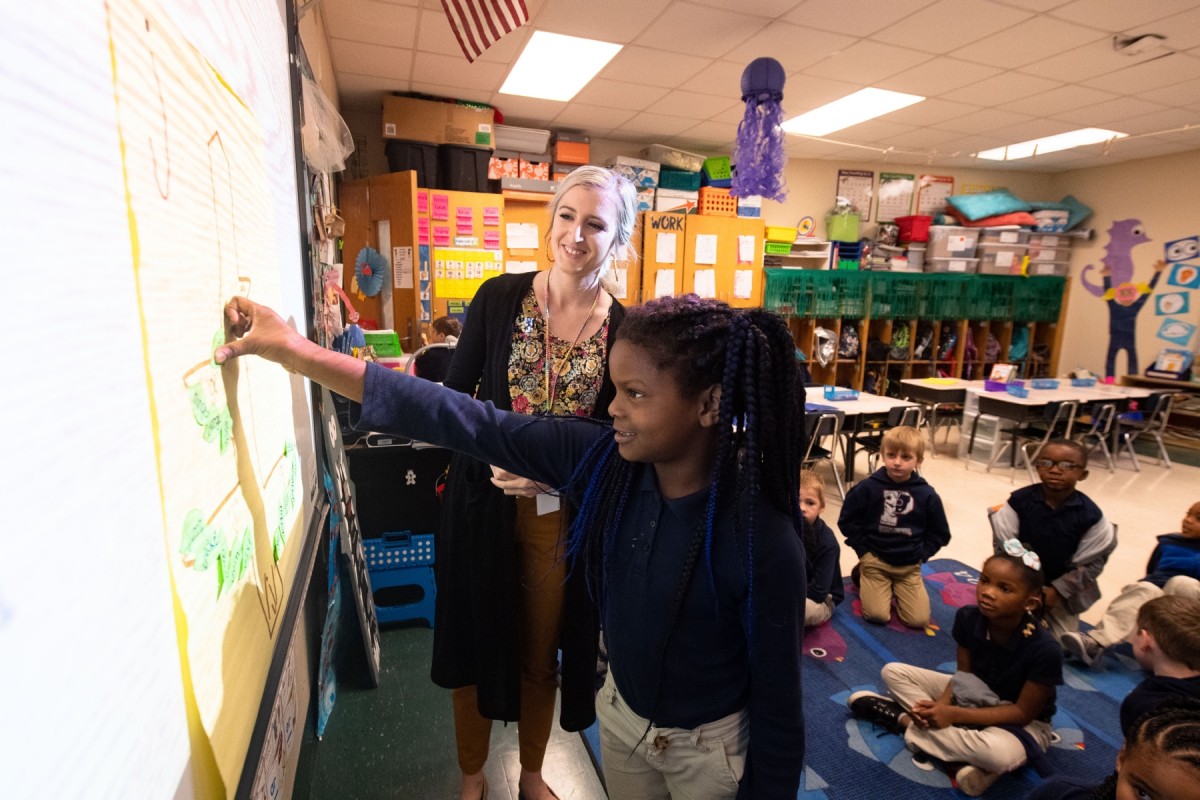
Positive interactions between teachers, students, and peers are fundamental to a healthy school climate. Supportive teacher-student relationships promote trust and respect, which are essential for students' emotional and academic growth.
Safety and Security
A sense of safety is crucial for students to thrive. This includes both physical safety, free from bullying and violence, and emotional safety, where students feel secure to express themselves without fear of judgment.
Connectedness and Belonging
Feeling connected to the school community fosters a sense of belonging among students. This connection enhances engagement and reduces feelings of isolation, contributing to overall well-being.
Impact of School Climate on Well-being
Enhanced Well-being and Engagement
Multiple studies have demonstrated that a positive school climate is strongly associated with higher levels of student well-being and engagement. Students in supportive environments exhibit better emotional health, reduced anxiety and depression, and increased academic participation.
Academic and Social Benefits
Beyond emotional well-being, a positive school climate contributes to improved academic performance and social functioning. Students in harmonious school environments are more likely to engage actively in learning and exhibit pro-social behaviors.
Mitigating Socioeconomic Disparities
Research indicates that a positive school climate can help mitigate some of the academic performance disparities associated with socioeconomic status. By providing an inclusive and supportive environment, schools can enhance the academic outcomes of students from diverse backgrounds.
Research Methodologies and Findings
Multilevel Analyses
Studies utilizing multilevel analytic techniques have explored how individual, classroom, and school-wide factors interact to influence student well-being. Findings suggest that supportive teacher-student relationships combined with a positive overall school culture can buffer stress and enhance well-being.
Longitudinal Studies
Longitudinal research has provided insights into the enduring effects of school climate on student well-being. These studies track changes over time, establishing causal pathways that demonstrate how sustained improvements in school climate lead to enhanced well-being and academic success.
Cross-Cultural Comparisons
Comparative studies across different cultural contexts reveal that while the benefits of a positive school climate are universal, the underlying mechanisms can vary. Cultural factors, such as community involvement and educational expectations, play significant roles in shaping the impact of school climate on student well-being.
Intervention and Policy Studies
Research focused on interventions, such as anti-bullying programs and social-emotional learning initiatives, underscores the effectiveness of systemic approaches in improving school climate. These interventions not only enhance the immediate school environment but also lead to long-term benefits in student well-being and academic performance.
Key Components Enhancing Well-being
| Component | Impact on Well-being | Supporting Findings |
|---|---|---|
| Supportive Teacher-Student Relationships | Increases trust, reduces anxiety | Studies indicate higher well-being and engagement |
| Safety and Security | Creates a secure environment for learning | Reduced bullying and violence correlate with better emotional health |
| Connectedness and Belonging | Fosters a sense of community | Enhanced engagement and reduced feelings of isolation |
| Inclusive Policies | Promotes equity and fairness | Mitigates socioeconomic disparities in academic performance |
| Effective Leadership | Shapes and maintains a positive climate | Leaders' practices influence collective efficacy and school culture |
Cultural and Contextual Considerations
Global Perspectives
International studies emphasize that while the core benefits of a positive school climate are consistent, cultural nuances significantly influence its implementation and effectiveness. For instance, studies in East Asia highlight the role of community and familial expectations, whereas Southern European research underscores the importance of local policies and parental involvement.
Adaptation to Local Contexts
Effective adaptation of school climate initiatives to align with local cultural and societal norms enhances their success. Understanding regional educational expectations and community dynamics is essential for designing interventions that resonate with students and educators alike.
Role of Leadership and Policy
Effective School Leadership
Leadership practices are pivotal in cultivating and sustaining a positive school climate. Principals and school administrators who prioritize inclusivity, equity, and connectedness set the tone for the entire school community, thereby fostering an environment conducive to student well-being.
Policy Implementation
The implementation of well-crafted policies, such as anti-bullying regulations and social-emotional learning curricula, plays a significant role in enhancing school climate. These policies provide a framework for consistent and systematic improvements, ensuring that the benefits of a positive climate are realized across all facets of the school environment.
Conclusion
The body of foreign research conducted since 2019 consistently underscores the profound impact of school climate on the well-being of elementary learners. A positive school environment, characterized by supportive relationships, safety, and a sense of belonging, not only enhances emotional and social well-being but also bolsters academic engagement and performance. Longitudinal and cross-cultural studies further affirm that these benefits are both enduring and universally applicable, albeit influenced by cultural contexts and effective leadership. As schools worldwide continue to navigate the complexities of educational environments, prioritizing the cultivation of a positive school climate emerges as a critical strategy for fostering holistic student development and well-being.
References
Last updated February 11, 2025