
Valuation of Forestry Projects in Nepal
A Comprehensive Analysis of Economic, Environmental, and Social Assessment Tools
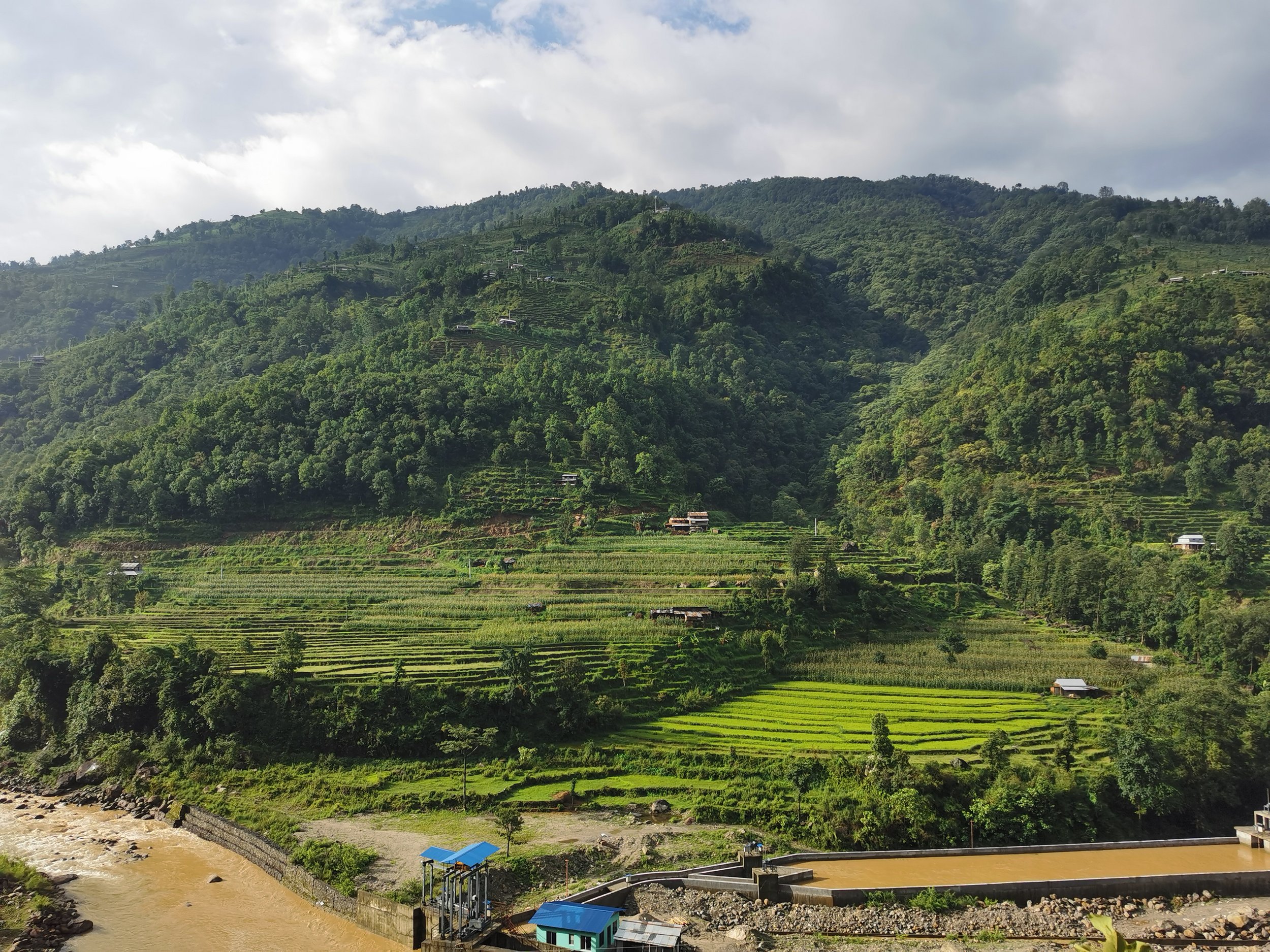
Key Highlights
- Integrated Approach: Evaluation encompasses economic, environmental, and social dimensions.
- Official Methodologies: Recognized tools such as CBA, NPV, EIA, and SIA are extensively used.
- Stakeholder Engagement: Participation of local communities is crucial in decision-making processes.
Introduction
Forest management in Nepal is supported by a multifaceted framework that combines economic, environmental, and social analysis tools. The objective of such evaluations is to ensure that forestry projects not only yield financial returns but also promote sustainable development and social well-being. Nepal's approach involves rigorous valuation using methodologies that have been adopted and endorsed by official bodies and international agencies. These methodologies allow policy makers, forest managers, and local stakeholders to better understand and enhance the viability and sustainability of forestry initiatives.
Economic Analysis Tools
A critical first step in assessing any forestry project is the economic evaluation. In Nepal, several financial performance tools are commonly applied to determine the profitability, financial sustainability, and overall viability of forestry projects. These include:
Cost-Benefit Analysis (CBA)
Cost-Benefit Analysis (CBA) is a comprehensive method that compares all the expected costs against the anticipated benefits over the lifespan of a project. The technique is used for evaluating:
- The direct revenues from timber and non-timber forest products.
- The indirect benefits such as carbon sequestration credits and recreational opportunities.
- Costs related to project implementation, maintenance, and any potential negative externalities.
Official sources such as the Government of Nepal’s Ministry of Forests and Environment (2019) and assessments by the Asian Development Bank (2018) endorse CBA in forest project valuation across the region.
Net Present Value (NPV) Analysis
Net Present Value (NPV) analysis is another predominant tool that calculates the present worth of future cash flows generated by forestry projects, after accounting for the initial investment. This is pivotal in projects where benefits accrue over an extended period.
According to official documents such as those by the World Bank (2017) and Asian Development Bank (2018), the technique is instrumental in determining a project's economic feasibility. Additionally, NPV helps forest managers correlate the anticipated income streams from sustainably managed forests with their upfront expenditures.
Internal Rate of Return (IRR)
The Internal Rate of Return (IRR) offers insights into the percentage rate earned on the invested capital for forest projects. This metric is used to evaluate the efficiency of an investment by comparing the IRR value with the required rate of return.
Published by the World Bank (2017), this tool aids decision-makers in benchmarking multiple projects to decide which ones offer financially lucrative returns.
Profitability Index (PI)
The Profitability Index represents the ratio of the present value of cash inflows to the initial investment outlay. It provides a straightforward indicator of the relative profitability of different projects.
Although similar to NPV and IRR, this index is specifically useful when allocating capital across a range of projects with limited budgets, ensuring that the selected projects offer the highest returns relative to their costs.
Contingent Valuation Method (CVM)
The Contingent Valuation Method is employed to gauge the economic value of ecosystem services provided by forests. This approach focuses on the willingness-to-pay among local communities and other stakeholders for non-market benefits, including beauty, biodiversity conservation, and recreational services.
Academic research and case studies, including those from community forests in Nepal, have validated its application in capturing comprehensive socio-economic benefits.
Environmental Analysis Tools
Environmental assessment is integral in ensuring that forestry projects maintain and enhance ecological balance. Several tools are used in this regard:
Environmental Impact Assessment (EIA)
The Environmental Impact Assessment (EIA) method systematically evaluates the potential environmental repercussions before the initiation of any forestry project. This includes analysis of:
- Effects on biodiversity, including flora and fauna conservation.
- Impacts on soil and water resources due to deforestation or land-use changes.
- Air quality changes resulting from project-related activities.
The Government of Nepal, Ministry of Forests and Environment (2019) mandates EIA as an essential step in granting project approvals, ensuring that environmental standards are met.
Life Cycle Assessment (LCA)
Life Cycle Assessment (LCA) is particularly useful in evaluating the environmental footprints of forestry products—from harvesting through processing and eventual disposal. LCA considers all stages of a product’s life, thereby providing a holistic view of its sustainability.
Endorsed by the Food and Agriculture Organization (FAO, 2018), this method is essential for understanding and minimizing long-term environmental impacts in forestry projects.
Carbon Footprint Analysis
With growing global concerns over climate change, Carbon Footprint Analysis has become crucial. In forestry projects, this method quantifies the net greenhouse gas emissions or sequestration benefits resulting from project activities.
The United Nations Framework Convention on Climate Change (2019) recognizes this analysis as critical for monitoring and mitigating the overall impact of forestry projects on carbon emissions. In initiatives such as REDD+ (Reducing Emissions from Deforestation and Forest Degradation), such assessments help determine the carbon credits and financial incentives for sustainable forest management.
Social Analysis Tools
Social considerations in forestry valuation ensure that projects support community well-being, cultural values, and inclusive development. Social analysis tools integrate qualitative and quantitative approaches to assess community impacts and stakeholder engagement.
Social Impact Assessment (SIA)
Social Impact Assessment (SIA) evaluates the influence of forestry projects on local communities, including aspects of social equity, livelihood improvement, and cultural preservation. This method examines:
- The impact on traditional practices and local heritage.
- Potential displacement or changes in land use that affect livelihoods.
- Community health, education, and overall living conditions.
This assessment is strongly supported by official guidelines from the Government of Nepal (2019), ensuring that project plans are socially inclusive and sensitive to local needs.
Stakeholder Analysis
Stakeholder Analysis is a participatory tool that identifies all parties involved or affected by forestry projects. This includes local communities, governmental bodies, non-governmental organizations, and private sector stakeholders.
By mapping out the interests and influence of each group, decision-makers can tailor project initiatives to address concerns and maximize local benefits. World Bank guidelines (2017) and various community forestry studies in Nepal illustrate the efficacy of robust stakeholder engagement.
Participatory Rural Appraisal (PRA)
Participatory Rural Appraisal (PRA) involves local communities directly in the decision-making process. Through methods like workshops, focus group discussions, and surveys, PRA collects valuable local knowledge and perceptions about forestry initiatives.
This tool not only empowers communities but also contributes to more sustainable and acceptable forestry management practices. It aligns well with the community-centric approach recognized in the Nepalese forestry model.
Comparison of Analysis Tools
The following table provides a side-by-side comparison of the primary economic, environmental, and social analysis tools used in forestry project valuation in Nepal along with their official sources.
| Category | Tool | Description | Official Sources |
|---|---|---|---|
| Economic | Cost-Benefit Analysis (CBA) | Compares total costs and benefits over the project lifecycle | Government of Nepal (2019), Asian Development Bank (2018) |
| Net Present Value (NPV) | Calculates the present value of future cash flows | World Bank (2017), Asian Development Bank (2018) | |
| Internal Rate of Return (IRR) | Assesses the rate of return over the project's life | World Bank (2017) | |
| Profitability Index (PI) | Measures the ratio of present value to initial investment | Referenced in financial feasibility studies | |
| Contingent Valuation Method (CVM) | Evaluates willingness-to-pay for ecosystem services | Case studies in community forests | |
| Environmental | Environmental Impact Assessment (EIA) | Assesses potential environmental effects pre-implementation | Government of Nepal (2019) |
| Life Cycle Assessment (LCA) | Evaluates overall environmental footprint from production to disposal | FAO (2018) | |
| Carbon Footprint Analysis | Measures greenhouse gas emissions or sequestration benefits | UNFCCC (2019) | |
| Social | Social Impact Assessment (SIA) | Analyzes effects on local communities’ social conditions | Government of Nepal (2019) |
| Stakeholder Analysis | Identifies and maps relevant stakeholder interests | World Bank (2017) | |
| Participatory Rural Appraisal (PRA) | Engages local communities through participatory methods | FAO (2018) |
Integrating Analysis Tools for Sustainable Forestry
The integration of economic, environmental, and social analysis tools is not merely a technical exercise; it reflects a broader commitment to sustainable and inclusive forestry management. By using these methods in tandem, decision-makers in Nepal can:
Enhance Project Viability
Economic tools such as CBA, NPV, IRR, and PI provide a quantitative foundation to measure financial feasibility, ensuring that forestry projects generate sufficient returns to justify the investment. The application of these tools, as endorsed by official entities like the World Bank and the Asian Development Bank, guarantees that only projects meeting strict profitability benchmarks are advanced.
Promote Environmental Stewardship
Through the mandatory use of Environmental Impact Assessments (EIA) and Life Cycle Assessments (LCA), forestry projects are designed to minimize adverse environmental impacts. Further, Carbon Footprint Analyses assist stakeholders in understanding and mitigating climate-related risks by quantifying emissions and sequestration. These assessments ensure that sustainable forest management not only conserves natural habitats but also supports international climate commitments.
Strengthen Community Involvement
Social Equity is ensured by employing Social Impact Assessments, Stakeholder Analyses, and Participatory Rural Appraisals. These tools empower local communities, giving them a voice in the planning and operational phases of forestry projects. Official guidance from Nepal’s government underscores the importance of these participatory approaches, aiming to align forest management with local interests and cultural values.
Application in Official Forestry Policy
Nepal’s forestry policies integrate the discussed tools to support a range of initiatives from community forest management to large-scale forest conservation projects. For instance, REDD+ projects in Nepal leverage rigorous environmental assessments alongside economic certificates like NPV, and community-inclusive methods such as PRA, ensuring that results translate into tangible benefits for both nature and society.
Additionally, the government’s Forest Policy (2019) and related documents prescribe the use of these analysis tools not only for feasibility studies but also for monitoring and evaluation phases. This systemic approach facilitates continuous improvement in forest management practices by integrating feedback loops from both economic performance and environmental sustainability indicators.
Further Insights and Official Sources
A number of official resources provide additional details on the implementation of these tools in various forestry projects in Nepal. These documents underscore the importance of combining multiple methods to capture the multifaceted benefits of forests, from financial profitability to ecological integrity and social inclusivity.
Selected Official Documents
- Forest Policy of Nepal, Ministry of Forests and Environment (2019)
- Nepal: Forestry Sector Review, Asian Development Bank (2018)
- Nepal: Forest Sector Review, World Bank (2017)
- Sustainable Forest Management in Nepal, FAO (2018)
- National Forest Monitoring System for Nepal, UNFCCC (2019)
References
- Forest Resource Assessment Manual - ResearchGate
- Nepal Forests for Prosperity Project - World Bank
-
Economic Contribution of the Forestry Sector - BioOne
- Opportunity Costs of Forest Conservation - Frontiers
- Forest Resource Assessment - Government of Nepal
Recommended Further Queries
Last updated March 21, 2025