
Formulations with Acronal EDGE 6283
Comprehensive Guide to Designing Effective Coating Formulations
Highlights
- Versatile Binder – Acronal EDGE 6283 is an aqueous, self-crosslinking acrylic copolymer ideal for diverse wood and architectural coatings.
- Tailor-Made Applications – Formulations can be customized for wood paints, stains, glossy/satin latex paints, primers, and joinery coatings.
- Optimized Performance – Achieve superior adhesion, durability, water barrier properties, and elasticity at low temperatures with the right additives.
Introduction
Acronal EDGE 6283 is a self-crosslinking aqueous dispersion of an acrylic copolymer that has become a key ingredient in modern coating formulations. Its unique properties, including fine particle size, multi-phase morphology, low coalescent demand, and excellent adhesion capabilities, make it an ideal binder across multiple coating applications. From wood paints and stains to primers and joinery coatings, formulating with Acronal EDGE 6283 allows manufacturers to create products that not only deliver superior performance but also meet contemporary environmental and durability standards.
Formulation Fundamentals
Key Characteristics of Acronal EDGE 6283
Before delving into individual formulations, it is critical to understand the cornerstone properties that make Acronal EDGE 6283 a popular choice in coating formulations:
Core Properties
Acronal EDGE 6283 is valued for its self-crosslinking nature, which offers robust film formation even in challenging conditions. Its advanced surfactant-reduced rheology-controlled (RC) technology yields very fine particles with a multiphase morphology that along with its double wet adhesion functionality significantly contributes to its overall performance. Additionally, its low minimum film formation temperature (MFFT) below 3°C ensures that coatings perform well even in colder environments. Beyond these, the product is APEO-free, ensuring adherence to environmental safety regulations.
Primary Application Areas
Due to its versatile nature, Acronal EDGE 6283 can be incorporated into various formulations aimed at different end-use applications. Key sectors include:
- Wood Coatings: Including wood paints, stains, and transparent or opaque systems applied to wood deco, cladding, and decorative surfaces.
- Architectural Coatings: Suitable for primers, gloss and satin latex paints, as well as specialized formulations for exterior joinery such as windows and doors.
- Specialty Coatings: When combined with other additives, it can also be featured in highly durable and low-odor systems for both indoor and exterior applications.
Developing Coating Formulations
General Guidelines for Formulation
Formulating an effective coating involves more than just combining ingredients; it requires an understanding of the role each component plays and how interactions influence overall performance. Here are the basic guidelines for developing a formulation with Acronal EDGE 6283:
Establishing the Base
The initial step involves setting up a base formulation where Acronal EDGE 6283 serves as the primary binder. This base includes water to adjust the viscosity and may also incorporate surfactants or defoamers to ensure uniform wetting and reduced foam formation. In some cases, thickeners such as associative polymers or rheology modifiers (e.g., Rheovis series) are used to achieve the desired rheological properties.
Incorporation of Additives
Depending on the required performance characteristics, a range of additives can be mixed into the base formulation:
- Pigments: Such as titanium dioxide for opacity or other pigments for color, which are key in altering visual properties.
- UV Stabilizers: To provide enhanced UV resistance, especially in exterior applications.
- Coalescents: Although Acronal EDGE 6283 demands low coalescent levels, these may still be used in minimal amounts to optimize film formation.
- Fillers: Added to improve volume, cost efficiency, and sometimes modify the final texture of the coating.
Optimizing for Specific Applications
While a general formulation provides a starting point, tailoring the formulation for a target application requires fine-tuning the ratio and interaction of each component. Below are overviews of formulations for various applications:
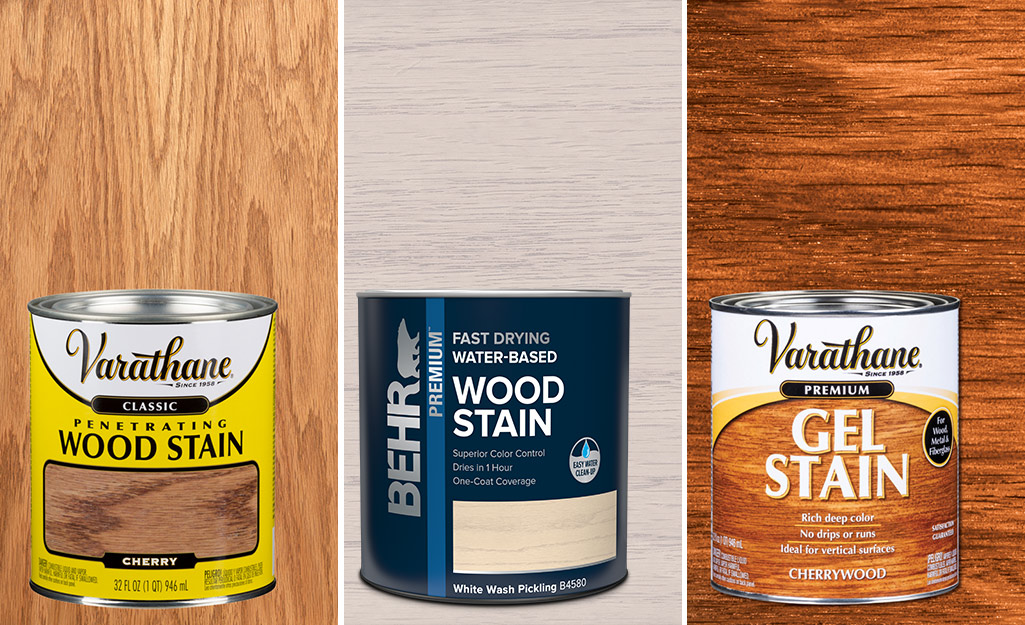
Wood Paints and Stains
In wooden surface applications, durability is paramount. Formulations designed for wood coatings need to combat issues brought by environmental exposure while ensuring aesthetic longevity. In these formulations, Acronal EDGE 6283 is combined with hard modifiers and performance enhancers to optimize performance.
Typically, a formulation for wood paints and stains might include:
- Binder: Acronal EDGE 6283 forms the base providing adhesion and film integrity.
- Hard Modifier: Such as a related hard version that increases the hardness of the film, ensuring resistance to mechanical wear and chemical attack.
- Dispersion Enhancers: Additives like specific dispersants (e.g., Dispex formulations) improve pigment dispersion and consistency.
- UV Stabilizers and Anti-Fungal Agents: To further extend the life of the finish in outdoor settings.
Gloss and Satin Latex Paints
For applications where a high-performance finish with excellent color development is desired, such as gloss and satin latex paints, key priorities include film formation, low volatile organic compound (VOC) profiles, and large workability range. In these systems, Acronal EDGE 6283 contributes by forming a robust film even at low coalescent levels. Additional formulation components can include:
- Film Enhancers: To ensure smooth and continuous film formation.
- Low-Odor Additives: For indoor environments.
- Surfactant Systems: That balance the need for thorough wetting without compromising film uniformity.
Primers and Joinery Coatings
In primer formulations, the primary goal is to create a sticky, durable base that ensures the adhesion of subsequent layers. Acronal EDGE 6283 lends itself well to these formulations due to its excellent adhesive properties and water resistance. Joinery coatings also benefit from these characteristics, as they are subjected to frequent handling and exposure to environmental changes. Typical components include:
- Binder: Acronal EDGE 6283 for its robust crosslinking and adhesion capabilities.
- Thickeners: To achieve the necessary viscosity for optimal application on wood surfaces.
- Blocking Resistance Additives: To reduce the tendency of the coating to stick to adjacent surfaces, preventing film damage.
- UV Stabilizers: For enhanced durability in outdoor and high-exposure settings.
Example Formulations
Wood Coating Formulation
The following table details a sample formulation for a wood paint or stain leveraging the capabilities of Acronal EDGE 6283. This formulation is designed for superior adhesion, durability, and aesthetic finish:
| Component | Function | Percentage by Weight (%) |
|---|---|---|
| Acronal EDGE 6283 | Binder/Film Former | 30 |
| Acronal Hard Modifier (e.g., Acronal 6327) | Enhances mechanical strength | 10 |
| Dispersant (e.g., Dispex CX 4231) | Improves pigment dispersion | 2 |
| UV Stabilizer | Prevents degradation from UV exposure | 1 |
| Titanium Dioxide (Pigment) | Provides opacity and color | 10 |
| Water | Solvent, adjusts viscosity | 40 |
| Surfactant/Defoamer | Improves wetting and reduces foam | 1 |
| Thickener (e.g., Rheovis HS) | Controls viscosity | 1 |
| Fillers (e.g., silica) | Cost reduction and texture modulation | 5 |
This formulation is a balance of durability, film formation, and environmental resistance. Adjustments can be made based on specific substrate requirements and climatic conditions.
Gloss and Satin Latex Paint Formulation
For a gloss or satin finish paint that demands a smooth, uniform film and excellent color fidelity, the following framework can be effective:
- Binder: Utilize Acronal EDGE 6283 to provide strong film formation with low coalescent requirements.
- Film Enhancers: Incorporate additives designed to minimize volatilization while maintaining an even, glossy finish.
- Low-Odor Additives: Ensuring the final product remains user-friendly for indoor applications.
- Surfactant Systems: Balanced systems that maintain pigment dispersion without interfering with the smooth finish.
Primer and Joinery Coating Formulation
Primers require a different balance since their main function is to ensure strong adhesion for subsequent layers. A primer formulation using Acronal EDGE 6283 might be structured as follows:
- Primary Binder: Acronal EDGE 6283 for excellent crosslinking, durability, and moisture protection.
- Thickeners: Adjust viscosity to provide adequate sag resistance while ensuring ease of application.
- Blocking Agents: To improve performance on surfaces that may otherwise stick together.
- UV Stabilizers: To reduce degradation past the primer stage, particularly for exterior joinery applications.
These elements ensure that the primer delivers optimal adhesion, setting a stable foundation for the final decorative layers.
Advanced Considerations in Formulation
Enhancing Durability and Resistance
For coatings exposed to rigorous environmental conditions, enhancing the durability further is critical. Special attention must be paid to the following:
- Chemical Resistance: Incorporate reactive acrylic resins or additional hard modifiers to improve the chemical resilience of the film.
- Elasticity at Low Temperatures: Acronal EDGE 6283 is already effective at low temperatures, but formulation adjustments such as additional plasticizers or elasticity modifiers can be used to further improve crack-bridging properties.
- Water Barrier Properties: Ensuring adequate water resistance without compromising the breathability of the coating requires precision in the balance of hydrophilic and hydrophobic constituents. This is often achieved by optimizing the binder-to-water ratio and supplementing with specific water-repellent additives.
Environmental Considerations
Acronal EDGE 6283 is compliant with modern environmental standards, particularly as it is APEO-free, thereby reducing potential ecological impact. Efficient formulation practices also take into account low VOC emissions. By carefully choosing coalescents, surfactants, and solvents that minimize volatile content, formulators can develop coatings that are both highly effective and environmentally friendly.
Quality Control and Testing
A key component in any formulation process is rigorous testing. Each development phase should include standard assessments:
- Film Formation and Adhesion Tests: To ensure that the binder delivers the expected performance on various substrates.
- Durability and Weathering Studies: Long-term exposure conditions must be simulated to verify that the coating remains intact and resilient over time.
- Viscosity and Stability Assessments: To detect any phase separation or sedimentation issues that could affect application properties.
Practical Steps for Successful Formulation
Step-by-Step Process
Creating a successful formulation begins with a systematic approach. The following steps outline the process:
1. Define Application Needs
Identify the specific performance requirements (e.g., durability, appearance, environmental resistance) based on the intended substrate and climatic conditions.
2. Establish Formulation Variables
Decide on the ratio of binder, solvents, additives, and pigments. Pay special attention to the interaction between these components to ensure synergy. The table above is a foundational guide that can be adapted to specific requirements.
3. Mix and Adjust
Begin with a small batch to test the viscosity, film formation, and overall stability. Adjust with thickeners or water as needed, and incorporate specific additives gradually.
4. Laboratory Testing
Conduct qualitative and quantitative tests including adhesion, durability, and weathering assessments. Evaluate whether the formulation meets all designated performance indicators before scaling up.
5. Scale-Up and Field Trials
Once the formulation proves satisfactory in laboratory conditions, produce a pilot batch for field testing. Real-world application insights might necessitate slight adjustments for optimal performance.
Challenges and Mitigation Strategies
Potential Formulation Hurdles
While Acronal EDGE 6283 offers excellent properties for coating formulations, formulators often face several challenges during development. These may include:
- Achieving Homogeneous Pigment Dispersion: Pigment aggregation can impact the uniformity and appearance of the final coating. Employing high-performance dispersants is essential to mitigate this issue.
- Balancing Viscosity and Application Ease: Coatings must strike a balance between a viscosity that allows for optimal application and one that guarantees film stability. Experimentation with various thickeners ensures that the final product meets these criteria.
- Ensuring Long-Term Durability: Exposure to varying environmental conditions requires enhanced formulations. This includes integrating UV stabilizers and corrosion inhibitors to enhance the lifespan of the coating.
By addressing these challenges during the formulation stage, manufacturers can produce products that continue to perform reliably even under severe conditions.
Customization and Future Trends
Evolving Formulation Needs
As the coatings industry evolves, there is a growing demand for eco-friendly, low VOC formulations that do not compromise performance. Acronal EDGE 6283’s unique properties make it particularly suited for future developments emphasizing sustainability alongside high durability. Ongoing research and development are likely to focus on:
- Simplified Formulation Systems: Reducing the number of additives by leveraging multifunctional components that deliver several performance benefits simultaneously.
- Integration of Nanotechnology: Harnessing nano-scale additives to enhance the mechanical properties of coatings offers promising avenues for improved performance.
- Smart Coatings: Innovations that allow coatings to respond to environmental changes or self-heal minor damages, extending the life of the finish.
Optimizing for Sustainability
The drive for sustainability involves not only lowering environmental impact during production but also ensuring that coatings are durable, reducing the need for frequent reapplications. Through improved energy efficiency in formulation processes and the careful selection of additives that minimize VOC emissions, formulators can meet these evolving standards effectively. Acronal EDGE 6283, being APEO-free, already provides a strong foundation for environmentally conscious formulation efforts.
Conclusion
To synthesize, formulations with Acronal EDGE 6283 encompass a broad range of potential applications, from durable wood coatings and wood stains to high-performance gloss and satin latex paints, primers, and joinery coatings. The formulation process involves understanding the binder’s inherent properties, such as self-crosslinking capabilities, low minimum film formation temperatures, robust adhesion, and excellent elasticity at low temperatures. Using these properties effectively, formulators can design coating systems that meet specific requirements by adjusting the balance of additives, pigments, thickeners, and water content.
Whether targeting the aesthetics of decorative wood surfaces or the resilience required for exterior applications, comprehensive testing and iterative adjustments are critical. From establishing a solid base formulation to incorporating modern additives that enhance durability, water resistance, and UV stability, each component plays a vital role in the final performance. Additionally, the advancement towards sustainable formulations positions Acronal EDGE 6283 as an excellent choice for environmentally friendly coatings that do not compromise on quality.
As the market trends shift towards multifaceted performance parameters and eco-conscious solutions, the strategies detailed above provide a robust framework for developing cutting-edge coating systems. With the continued evolution in materials science, future formulations will likely lean on innovations such as nanotechnology and smart coatings, ensuring that products remain at the forefront of durability, aesthetics, and environmental compatibility.
References
- Acronal EDGE 6283 - BASF Coatings
-
Acronal EDGE 6283 NB Polymer Dispersions for Architectural Coatings - BASF
- Wood Coatings - BASF
- Acronal EDGE 6283 on BestChem Hungária Kft
- Technical Data Sheet - Acronal EDGE 6283
Recommended
Last updated February 24, 2025