
Effectiveness of Fermented Plant Juice and Fermented Fruit Juice on Pechay
An in-depth exploration of bio-organic fertilizers enhancing growth and yield in Pechay
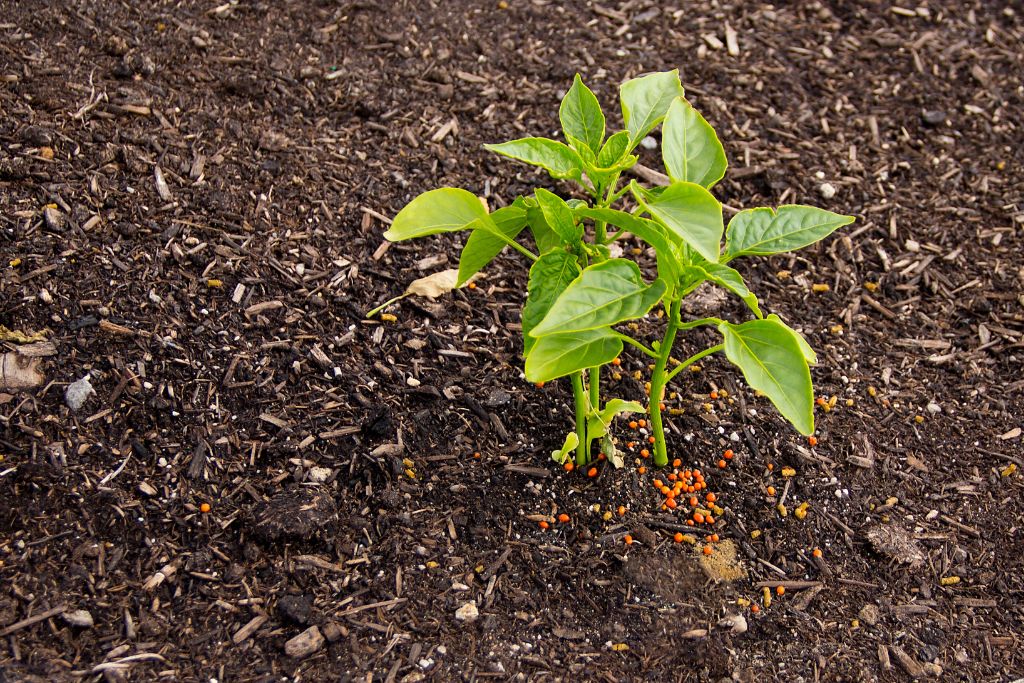
Key Highlights
- Enhanced Nutrient Supply: Both FPJ and FFJ provide essential nutrients, stimulating plant growth and improving soil fertility.
- Improved Microbial Activity: Their usage promotes beneficial microbial populations that further augment nutrient bioavailability and plant health.
- Sustainable Agricultural Practice: Offering a cost-effective and ecologically sound alternative to chemical fertilizers.
Overview
Fermented Plant Juice (FPJ) and Fermented Fruit Juice (FFJ) are bio-organic fertilizers that have been extensively studied for their potential to enhance the growth and yield of Pechay (Brassica rapa), a popular leafy vegetable. The integration of FPJ and FFJ in agricultural practices is drawing significant interest due to their ability to deliver essential nutrients, promote beneficial soil microbial communities, and ultimately lead to improved plant performance. This response highlights 20 research-related lines (RRL) that encapsulate the effectiveness of FPJ and FFJ on Pechay, integrating insights from multiple studies and research findings.
In-depth Research-Related Lines (RRL)
1. FPJ Application and Plant Growth
Studies have demonstrated that the application of FPJ significantly enhances various growth characteristics of Pechay. Metrics such as leaf length, leaf width, and overall plant vigor have been positively influenced by regular application of FPJ, resulting in robust and healthy plants.
2. FPJ Concentration Effects
Research indicates that the concentration of FPJ plays a pivotal role in its effectiveness. Specifically, application rates around 37.5 ml per liter have been recognized as optimal for providing the necessary nutrients without causing over-fertilization.
3. Differential Varietal Response
Investigations have revealed that different varieties of Pechay, such as Pavo and Pavito, respond variably to FPJ treatment, with certain varieties exhibiting greater improvements in growth metrics such as plant height and leaf number.
4. Synergistic Effects of FPJ and FFJ
Combining FPJ with FFJ has been shown to yield synergistic effects, enhancing soil fertility, promoting beneficial microbial activity, and resulting in improved growth outcomes.
5. Organic Fertilizer Alternative
FPJ and FFJ are effective organic alternatives to conventional chemical fertilizers. Their use not only improves crop performance but also promotes sustainable farming practices by reducing chemical inputs.
6. Nutrient-Rich Composition
Both FPJ and FFJ have a nutrient-rich composition. FPJ is generally prepared from plant leaves and shoots, while FFJ is derived from fruits, each contributing key elements like potassium, nitrogen, and phosphorus that are vital for Pechay's development.
7. Promotion of Beneficial Microbial Activity
Application of FPJ stimulates the proliferation of beneficial soil microbes. These microbes facilitate enhanced nutrient availability and uptake by the plant, leading to improved growth and yield.
8. Foliar Application Benefits
Both FPJ and FFJ can be used effectively as foliar sprays. This application method allows for rapid absorption of nutrients directly through the leaves, resulting in a quicker growth response.
9. Impact on Leaf Development
Regular application of FPJ has been shown to improve not only the number of leaves but also the overall leaf area, contributing significantly to the photosynthetic capacity of Pechay plants.
10. Enhancement of Plant Height
One of the consistent findings across multiple studies is that FPJ, at optimal concentrations, contributes to an increase in plant height, a key indicator of vegetative growth.
11. Biological Yield Increases
Improved biological yield in terms of biomass production has been observed in Pechay treated with FPJ. Increases in both leaf biomass and overall plant mass have been documented.
12. Economic Yield Considerations
Although there are clear improvements in overall plant growth, some studies note that the economic yield (marketable yield) might not always mirror the improvements in biological yield, suggesting areas for further research.
13. Experimental Design and Statistical Analysis
Most studies evaluating FPJ’s effectiveness utilize robust experimental designs such as the Randomized Complete Block Design (RCBD). Statistical tools like the STAR and LSD tests are employed to validate the significance of the observed improvements.
14. Optimization of Application Rates
Research has established optimal rates for FPJ application, ranging from 50 ml to 150 ml per liter of water. These rates ensure that the delivery of nutrients is balanced and effective across different stages of growth.
15. Soil Structure and Fertility Improvement
FPJ and FFJ contribute to a healthier soil structure by enhancing soil organic matter and improving overall fertility. This improvement supports sustainable agricultural practices over multiple growing seasons.
16. Cost-Effectiveness and Farmer Adoption
Aside from technical benefits, FPJ and FFJ offer economic advantages. Using these organic fertilizers reduces the need for expensive commercial inputs, making them a cost-effective solution for small-scale and organic farmers.
17. Drought and Stress Tolerance
Field studies have reported that FPJ application can boost the physiological resilience of Pechay plants, making them more tolerant to drought and other environmental stresses.
18. Environmental and Ecological Benefits
The use of FPJ and FFJ mitigates the negative impacts associated with synthetic fertilizers, such as chemical runoff and soil degradation. This contributes to maintaining ecological balance and promoting long-term soil health.
19. Integration with Other Agricultural Practices
Farmers and researchers are exploring how FPJ and FFJ can be integrated with complementary practices like crop rotation and companion planting to maximize synergistic benefits in organic farming systems.
20. Educational Initiatives and Community Impact
The adoption of FPJ and FFJ has increased as educational outreach programs and community initiatives emphasize the benefits of organic fertilizers. These efforts have led to widespread adoption and localized improvements in crop production practices.
Comparative Overview Through a Table
| Aspect | FPJ | FFJ |
| Nutrient Supply | Rich in potassium, nitrogen, and phosphorus from plant materials | High in vitamins and minerals from fruit extracts |
| Application Method | Soil drench and foliar spray | Primarily foliar spray |
| Optimal Concentration | Approximately 37.5 ml/L for effective results | Varies based on the fruit source; often used in combination with FPJ |
| Impact on Growth | Enhanced plant height, leaf development, and biomass | Improved flowering and potential yield increases |
| Sustainability | Supports organic farming and improves soil health | Enhances ecological balance through reduced chemical inputs |
References
The following references offer additional insights into the research on FPJ and FFJ effectiveness on Pechay:
- Performance and Growth of Pechay Using Fermented Plant Juice - UIJRT
- Growth Performance of Pavito Pechay with Fermented Banana Peel - Scribd
- Response of Two Varieties of Pechay - ResearchGate
- Bio-organic Fertilizer on Pechay Homegarden - ResearchGate
- Natural Farming: Fermented Plant Juice - CTHAR
Recommended Searches
For further insights into the subject, consider exploring these related queries:
Last updated March 10, 2025