
Exploring the Dynamics of Fragmentation
An in-depth analysis of how unity disintegrates across disciplines
Highlights
- Multidisciplinary Nature: Fragmentation is a phenomenon that spans multiple fields such as technology, biology, psychology, sociology, literature, and business.
- Impact on Cohesion: It marks the decline of unified structures, leading to the emergence of separate parts that may cause inefficiencies or contribute to resilience depending on context.
- Varied Consequences: The results of fragmentation vary widely, ranging from performance issues in computing to significant societal and ecological challenges.
Understanding Fragmentation
Fragmentation refers to the process whereby a unified whole disintegrates into distinct and disconnected parts. This disintegration results in gaps, divisions, and a general loss of cohesion among its components. The concept is extensively utilized across a broad spectrum of disciplines, each applying its own context and implications to the idea, yet all acknowledging that fragmentation fundamentally represents a breakdown of unity.
Conceptual Overview
At its core, fragmentation involves taking something that once functioned or appeared as a unified and coherent system and dividing it into multiple elements. When viewed abstractly, the notion of fragmentation can be described as the loss of a central organizing principle, leaving behind isolated parts that may no longer effectively interact or communicate with one another. Whether in the realms of technology, biology, sociology, or arts, fragmentation results in systems that are harder to manage, comprehend, or utilize in their original integrated form.
Fragmentation Across Disciplines
The concept of fragmentation manifests distinctively across different fields. Although the specific implications and outcomes may differ, a common theme is the inherent challenge posed by the disintegration of unity. Below, we outline how fragmentation applies in several major areas:
Theoretical and General Aspects
Defining Fragmentation
In its broadest sense, fragmentation describes the process where a whole entity breaks into smaller parts. This process is observed not only in physical or material systems but also in abstract or conceptual ones. When a system fragments, the original coherence is lost, leading to separate segments that may function independently but lack the inherent synergy of the original unit.
Under this framework, the process of fragmentation is critical for understanding phenomena in fields as varied as psychology, where internal experiences are compartmentalized, and computing, where data storage may become inefficient. The broad applicability of fragmentation demonstrates its importance as a fundamental concept in the analysis and management of complex systems.
Fragmentation in Technology
Computing and Data Storage
In computer science, fragmentation typically refers to the inefficient use of storage space on hard drives or memory. When files are stored non-contiguously, they become scattered across different parts of the disk. This fragmentation can slow down system performance since the read/write head must traverse scattered areas to access the complete file.
The inefficiencies introduced by data fragmentation make maintaining optimal system performance challenging. Operating systems often include disk defragmentation utilities to reorganize data so that related pieces are placed consecutively, thus reducing access times and improving overall performance.
Impacts on Software Efficiency
Aside from storage, fragmentation in software design refers to code that is split into non-cohesive modules. While modular design can have benefits, excessive fragmentation may lead to difficulties in integration, maintenance, and debugging. The balance between modularity and cohesion is crucial in software engineering; too little cohesion may lead to “spaghetti code” and inefficiencies that compromise reliability and scalability.
Fragmentation in Biology
Asexual Reproduction Through Fragmentation
In biological contexts, fragmentation is recognized as a form of asexual reproduction. Many organisms, such as certain plants, fungi, sea stars, and sponges, can reproduce by dividing their physical body into multiple parts, each capable of growing independently into a complete organism. This process not only ensures survival in the absence of sexual reproduction but can be advantageous in rapidly colonizing environments.
Despite its benefits, biological fragmentation also brings challenges. It may result in a decrease in genetic diversity, which can affect the resilience of populations to diseases and changing environmental conditions. In ecosystems, fragmentation of habitats due to natural or human-induced causes can exacerbate these issues by isolating populations and reducing gene flow.
Fragmentation in Social and Cultural Contexts
Sociological Fragmentation
Sociological fragmentation occurs when previously unified social structures break down into segregated, often competing, groups or communities. This can result from various factors including cultural, economic, and political differences. As societies face rapid changes, traditional bonds may weaken, leading to increased stratification and even social unrest.
The impact of sociological fragmentation may be observed in urban environments, where neighborhoods become sharply divided based on income, ethnicity, or other demographic markers. Such divisions can create significant barriers to communication and cooperation, contributing to a loss of trust and a decrease in social capital.
Fragmentation in Media and Literature
In literature and media, fragmentation often refers to narrative styles where traditional linear storytelling is replaced by a collage of disjointed scenes or perspectives. This style reflects the experience of modernity, where multiple viewpoints create a complex, multifaceted reality. Rather than presenting a singular, unified narrative, fragmented literature compels readers to assemble meanings from varied and seemingly disconnected fragments.
Similarly, media fragmentation is the division of audiences across various specialized platforms and channels. Instead of mass media serving as a common point of reference, consumers now access tailored content from an assortment of niches, resulting in less shared cultural experience. This multiplicity challenges traditional norms of public discourse and collective understanding.
Fragmentation in Business and Markets
Market and Supply Chain Fragmentation
In business, fragmentation describes the situation where industries or markets consist of numerous small players rather than a few dominant entities. Market fragmentation can foster a competitive environment with benefits such as innovation and niche specialization. However, it might also lead to inefficiencies in the supply chain, challenges in quality control, and difficulties in scaling operations.
Additionally, fragmentation can occur within the supply chains themselves. For instance, companies may outsource various components of production to multiple suppliers across different regions. While this strategy can reduce costs through specialization, it can also introduce vulnerabilities. Disruptions in one segment of a fragmented supply chain can have cascading effects on the final product's quality and availability.
Comparative Overview in a Structured Format
To better understand the nuances of fragmentation across different fields, refer to the table below, which summarizes the key aspects and impacts observed in various disciplines.
| Discipline | Description | Consequences |
|---|---|---|
| Computing | Data split across storage media, inefficient use of space | Slower file access, degradation in system performance |
| Biology | Reproduction via physical division, habitat fragmentation | Rapid reproduction; potential loss of genetic diversity |
| Psychology | Division of identity, memories, or emotions | Coping mechanism for trauma; possible challenges in integration |
| Sociology | Breakdown of social cohesion within communities | Increased social stratification and potential conflict |
| Media & Literature | Disjointed narrative structures and niche content segmentation | Challenges to unified cultural experience and shared narratives |
| Business | Fragmented markets and dispersed supply chains | Inefficiencies, increased competition, vulnerabilities in production |
Deeper Insights into Fragmentation's Implications
Psychological Dimension
Fragmentation as a Defense
In psychology, fragmentation is often understood as a defense mechanism whereby an individual's identity, memories, or emotions split into compartmentalized parts. This division can be a response to overwhelming stress or trauma, enabling a person to compartmentalize difficult experiences. While this approach can provide temporary relief from overwhelming emotional inputs, sustained fragmentation may lead to long-term difficulties in forming a cohesive self-identity.
Therapies aimed at integrating these fragmented parts often focus on building a unified narrative, thus fostering better mental health outcomes. The ultimate goal is to restore coherence, allowing individuals to draw strength and resilience from a stable sense of self.
Sociological and Urban Implications
Emergence of Distinct Communities
In societal terms, fragmentation can lead to the emergence of distinct communities that operate independently of each other. Urban spaces, for example, may become segregated by socioeconomic status, cultural differences, or even geographic boundaries. This kind of socio-spatial fragmentation can undermine community solidarity, often making it difficult for governments and civic institutions to foster inclusive and harmonious societies.
Urban planners and policymakers must recognize and address the consequences of such fragmentation through initiatives that promote integration and connectivity. By bridging divides, communities might regain some measure of unity and shared cultural experiences, mitigating some of the adverse effects of fragmentation.
Economic and Business Fragmentation
Managing a Fragmented Market
In the realm of business, fragmentation exerts a dual influence. While a highly fragmented market may encourage innovative competition, it can also create inefficiencies when too many small actors work in isolation. The challenges associated with supply chain fragmentation are especially significant in today’s globalized economy, where the production process can be spread across numerous geographic locales.
Strategies such as consolidating suppliers or focusing on integrated production processes can help mitigate the downsides of fragmentation without sacrificing the benefits of diversified competition. Companies seeking to optimize their operations must evaluate whether achieving cohesive integration outweighs the cost-saving benefits of a fragmented approach.
Ecological and Environmental Fragmentation
Habitat Fragmentation Effects
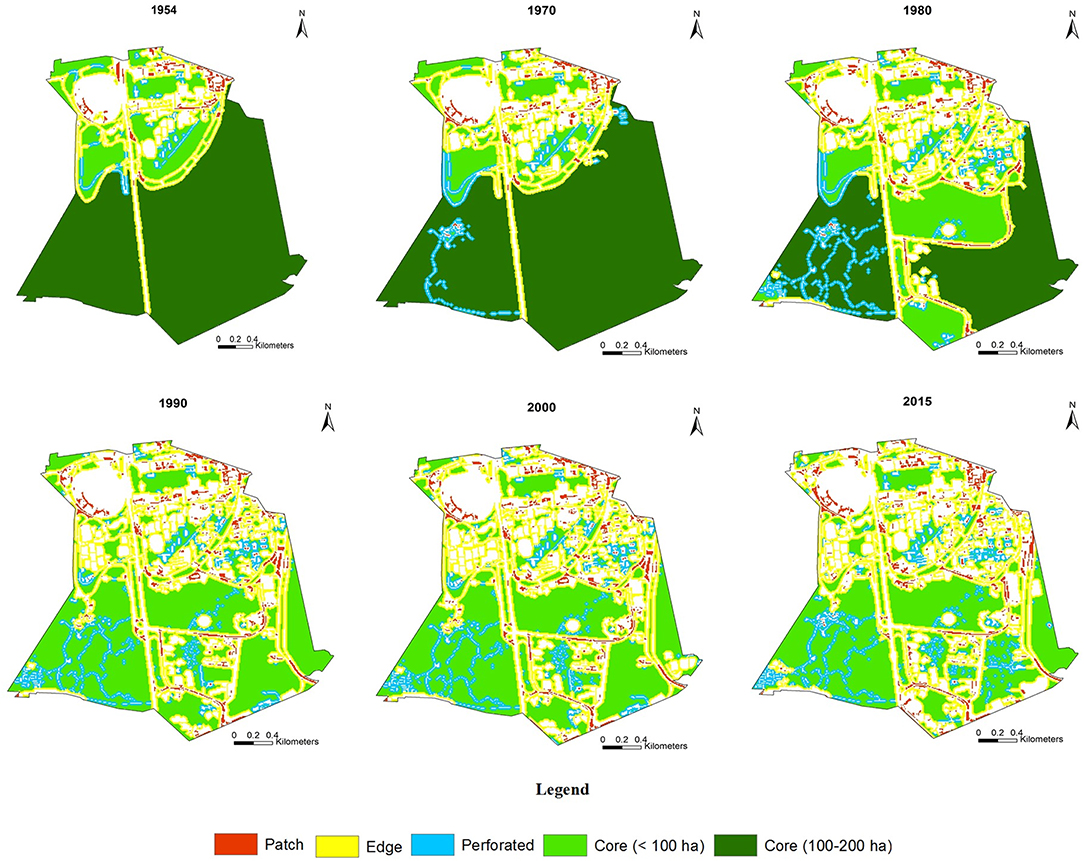
In ecology, fragmentation often refers to habitat fragmentation—where continuous natural environments are broken up into isolated patches. This disruption has far-reaching consequences for biodiversity, as isolated populations become more susceptible to inbreeding, genetic drift, and reduced resilience against environmental changes.
Conservation efforts typically focus on reconnecting these fragmented habitats through wildlife corridors and restoration projects. Such measures are essential for maintaining ecosystem integrity and ensuring that species can thrive in their natural environments.
Integrative Perspectives: Bridging Theory and Practice
An integrative perspective on fragmentation reveals that while the disintegration of unity can be problematic, it sometimes also creates opportunities. For example, the modularity in software design derived from fragmentation can enable more agile development practices when managed effectively. Similarly, in biology, fragmentation in reproduction allows for rapid adaptation to environmental pressures.
Recognizing these opportunities while mitigating the negative impacts requires a balanced approach. In fields as varied as sociology and business, reconciling the benefits of diversity with the need for a cohesive system is crucial. Strategies may include fostering communication and collaboration between otherwise isolated segments or implementing technologies that realign fragmented processes.
Integrated Strategies Across Fields
Addressing Data Fragmentation
In computing, managing fragmentation is often achieved through techniques like defragmentation and improved file system designs. These strategies aim to reorganize data so that related segments remain connected, thereby enhancing system efficiency.
Similarly, in business and social planning, developing integrative strategies—such as creating platforms that unify disparate market actors or community-building initiatives—can help reduce the adverse effects of fragmentation. The guiding principle across these fields is to re-establish connections that promote both efficiency and unity.
Ultimately, whether the focus is on defragmenting digital data, bridging socioeconomic divides in a city, or reintegrating fragmented narratives in literature, the goal remains the same: to overcome the challenges imposed by separation and restore a sense of interconnectedness.
References
- Introduction to Fragmentation - Fiveable
- Fragmentation Definition - Merriam-Webster
- Fragmentation Psychology - Psychology Fanatic
- Fragmentation in Computing - Wikipedia
-
Habitat Fragmentation - ScienceDirect
Recommended for Further Exploration
Last updated March 12, 2025