
From Gothic Labs to Hawkins: How Isolation Shapes Monsters and Heroes
A comparative look at alienation in Mary Shelley's *Frankenstein* and Netflix's *Stranger Things* Season 1.
Essential Insights
- Isolation as a Catalyst: Both *Frankenstein* and *Stranger Things* S1 use profound isolation, whether self-imposed, societal, or circumstantial, as a central driving force shaping character identity and narrative conflict.
- Contrasting Responses to Exclusion: While the Creature's rejection fuels a cycle of vengeance, Eleven's ostracization, countered by newfound friendship, fosters resilience and heroic action against shared threats.
- The Power of Community: *Stranger Things* highlights the redemptive power of friendship and chosen family in combating isolation, offering a more hopeful counterpoint to the tragic consequences of alienation depicted in *Frankenstein*.
Defining the Experience: Portrayals of Isolation
Isolation serves as a foundational and deeply resonant theme in both Mary Shelley's groundbreaking 1818 novel *Frankenstein* and the Duffer Brothers' 2016 nostalgic hit, *Stranger Things* Season 1. It manifests in various forms – physical, emotional, social, and psychological – profoundly impacting the central characters and driving the narrative arcs. Both works explore how detachment from society, family, and connection can lead to suffering, misunderstanding, and transformation, though the ultimate outcomes diverge significantly.
The Solitude of the Creator and the Created in *Frankenstein*
In *Frankenstein*, isolation is a multi-faceted affliction touching both creator and creation. Victor Frankenstein actively chooses solitude, retreating to his "solitary chamber, or rather cell," consumed by his obsessive ambition to unlock the secrets of life. This self-imposed exile detaches him from his loving family and friends, warping his sense of responsibility and ultimately contributing to his downfall. His creation, the nameless Monster, endures an even more harrowing form of isolation. Abandoned at birth by Victor and subsequently reviled by society purely based on his grotesque appearance, the Creature is forced into an involuntary solitude. He experiences the world as an outcast, observing human connection from afar, acutely aware of his otherness. His lament of being "dependent on none and related to none" underscores the profound despair born from complete societal exclusion, presented in the novel as potentially the "worst imaginable fate." This enforced loneliness shapes his identity, initially fostering a desire for connection but eventually twisting into bitterness and rage when that need remains unmet.
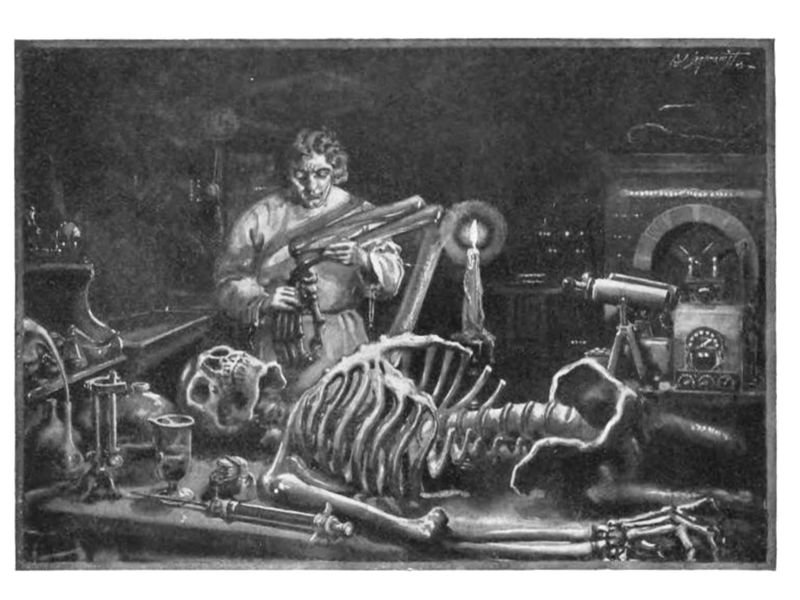
The Creature's form evokes immediate fear and rejection, central to his isolation.
Alienation in Hawkins: The Upside Down and the Lab
Season 1 of *Stranger Things* translates themes of isolation into a 1980s suburban setting infused with supernatural horror. Physical isolation is starkly represented by Will Byers's entrapment in the Upside Down – a terrifying, parallel dimension mirroring Hawkins but desolate and dangerous. His separation from family and friends creates a palpable sense of dread and vulnerability. Meanwhile, Eleven (El) embodies institutional and social isolation. Having spent her life confined within the sterile, abusive environment of Hawkins Lab, subjected to experiments exploiting her psychokinetic abilities, she enters the world socially inept, fearful, and marked as different. Her initial experiences outside the lab are fraught with misunderstanding and fear from the wider community. Even the core group of friends – Mike, Dustin, and Lucas – experience a degree of social ostracization, perceived as "nerds" or outsiders by their peers, which strengthens their internal bond but highlights their difference within the school's social hierarchy. The show utilizes visual techniques, like strategic camera angles and contrasting lighting between the warmth of the Wheeler basement and the cold emptiness of the Upside Down or the Lab's sensory deprivation tank, to emphasize these feelings of separation and loneliness.
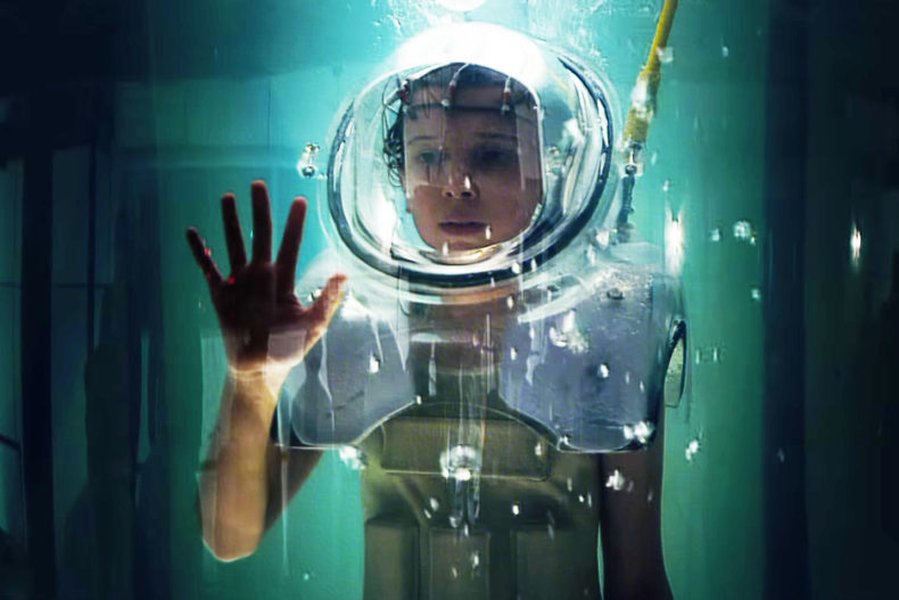
Eleven's isolation is visually represented through scenes like her time in the makeshift sensory deprivation tank.
The Quest for Connection: Seeking Belonging
Despite the pervasive nature of isolation in both narratives, key characters exhibit a powerful, innate drive towards social inclusion and belonging. Their attempts to forge connections, though met with varying degrees of success, underscore the fundamental human (or humanoid) need for companionship, understanding, and acceptance.
The Creature's Yearning in *Frankenstein*
Frankenstein's Monster, despite his frightening appearance, initially possesses a benevolent nature and a deep yearning for connection. His most significant attempt at social inclusion involves secretly observing the De Lacey family in their cottage. Through them, he learns language, complex emotions, and the nuances of human relationships, particularly the beauty of familial love. He develops empathy and hopes that, by demonstrating his gentle nature and intelligence (initially to the blind patriarch), he might overcome the prejudice his appearance invites. This poignant episode highlights his desperate desire to be accepted into the human community he observes. His later demand that Victor create a female companion for him is another manifestation of this desperate need, arguing that shared existence with someone like himself could alleviate his profound loneliness and potentially curb his destructive impulses. These attempts tragically underscore his plight – a being capable of love and connection, repeatedly denied it.
Forging Bonds in *Stranger Things*
*Stranger Things* S1 offers a more optimistic portrayal of finding belonging amidst exclusion. The cornerstone of this theme is the immediate and unwavering acceptance of Eleven by Mike Wheeler, soon followed by Dustin and Lucas. Despite her mysterious origins, strange abilities, and initial inability to communicate effectively, the boys offer her shelter, friendship, and integrate her into their group. Mike's simple act of offering her a place in his home is a powerful symbol of inclusion, directly contrasting the rejection Eleven faced in the lab and the fear she encounters elsewhere. Their bond, built on shared secrets, Dungeons & Dragons analogies, and mutual protection, forms the emotional core of the season. This chosen family becomes a source of strength and resilience. Furthermore, the series depicts other emerging connections forged in crisis: Joyce Byers and Police Chief Jim Hopper, initially isolated by their respective grief and trauma, unite in their desperate search for Will. Jonathan Byers and Nancy Wheeler, both somewhat outsiders in their respective social spheres, find understanding and connection through their shared investigation into the strange occurrences in Hawkins. These relationships demonstrate how shared adversity can break down pre-existing barriers and foster powerful bonds, offering a counter-narrative to the destructive potential of isolation.

The friendship between Mike, Eleven, Dustin, and Lucas forms a powerful counterpoint to isolation.
The Sting of Rejection and Its Aftermath
The response to rejection serves as a critical divergence point between the two narratives. How characters react when their attempts at belonging are violently or definitively rebuffed shapes their subsequent actions and the ultimate trajectory of their stories, leading either to destructive vengeance or determined resistance.
Violence Born from Pain: The Creature's Revenge
In *Frankenstein*, the Creature's experiences are defined by consistent, brutal rejection. From Victor's initial abandonment to the villagers' attacks and the De Lacey family's horrified reaction upon seeing him, every attempt at connection is met with fear and violence. This relentless social exclusion, stemming purely from his physical appearance, extinguishes his initial benevolence. The rejection transforms his yearning for love into a consuming rage and desire for revenge, primarily directed at his creator but extending to humanity. His famous declaration, "I am malicious because I am miserable," explicitly links his suffering due to isolation to his subsequent violent acts – the murders of William, Clerval, and Elizabeth. The narrative presents this transformation as a tragic consequence of societal prejudice and a failure of empathy, particularly on Victor's part. Rejection doesn't just hurt the Creature; it molds him into the monster society perceives him to be, fulfilling a tragic, self-perpetuating cycle.
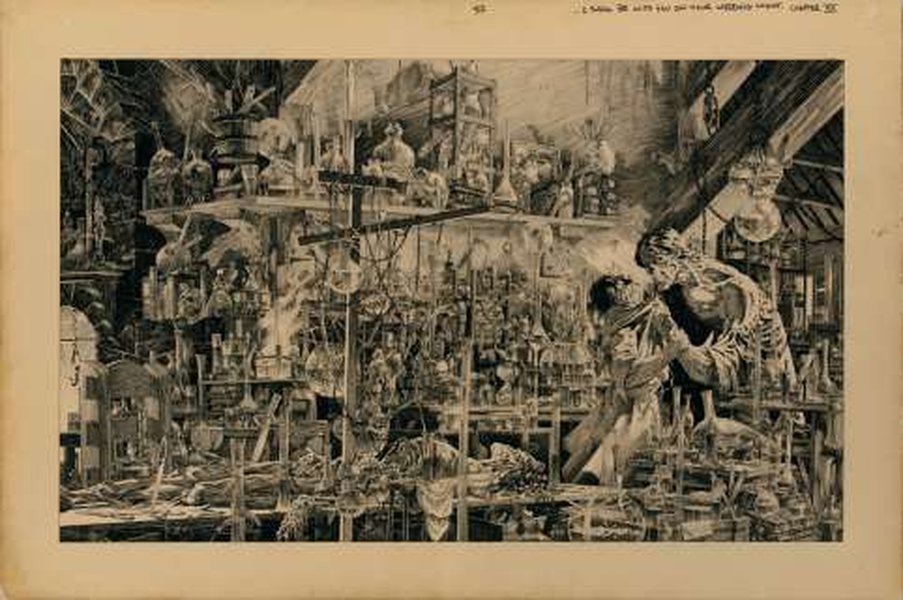
Consistent rejection fuels the Creature's transformation towards vengeance.
Resilience and Resistance in Hawkins
*Stranger Things* S1 presents a different response to rejection and threat. While Eleven is hunted by the government (Dr. Brenner and his agents) who represent institutional rejection and exploitation, and faces fear from some members of the Hawkins community, her core experience is defined by the acceptance she finds with Mike, Dustin, and Lucas. This crucial difference – the presence of a supportive community – channels her response away from pure vengeance. Though she possesses immense destructive power, often unleashed defensively or protectively, her actions are primarily motivated by loyalty to her friends and a desire to fight the common enemy (the Demogorgon and the sinister forces of Hawkins Lab). The rejection she faces galvanizes her and her friends into resistance rather than despair. Her eventual self-sacrifice (though temporary) is an act of protection for the community that embraced her. The narrative suggests that while exclusion and trauma are damaging, the presence of belonging and friendship provides a pathway towards resilience, agency, and even heroism, rather than the inescapable spiral into violence seen in *Frankenstein*.
Contextual Echoes: Societal Anxieties and Commentary
Both *Frankenstein* and *Stranger Things* S1 are deeply embedded in their respective historical and cultural contexts, using the themes of isolation and exclusion to comment on prevailing societal anxieties, scientific ethics, and the nature of community.
Romanticism, Science, and Prejudice in *Frankenstein*
Written during the Romantic era, a period marked by fascination with nature, emotion, and individualism, but also grappling with the rapid advancements of the Industrial Revolution and Enlightenment science, *Frankenstein* serves as a profound cautionary tale. It critiques unchecked scientific ambition pursued in isolation, warning against the hubris of "playing God" without considering the ethical and social responsibilities that come with creation. Victor's downfall is linked to his solitary pursuit of knowledge, neglecting human connection and moral guidance. The novel also powerfully condemns societal prejudice, showing how judging individuals based on appearance leads to the tragic ostracization and suffering of the Creature, who was initially benevolent. Shelley explores the essential need for community, family, and empathy as antidotes to the destructive potential of solitude and alienation, reflecting Romantic ideals about the importance of emotional bonds.
Nostalgia, Conspiracy, and Community in *Stranger Things*
*Stranger Things* S1 leverages its meticulously crafted 1980s setting not just for nostalgic appeal but also to explore anxieties relevant to both that era and contemporary times. The backdrop of the Cold War informs the themes of government conspiracy, secret experiments (like MKUltra, which partially inspired the show), and institutional overreach represented by Hawkins Lab. The small-town setting highlights both the potential for community connection and the dangers of suburban complacency and hidden darkness. Unlike the more solitary focus in *Frankenstein*, *Stranger Things* emphasizes the strength found in collective action, particularly the power of friendship and family (both biological and chosen) to combat external threats and overcome personal trauma. While acknowledging the pain of isolation (Will in the Upside Down, Eleven's past), the show ultimately offers a more hopeful commentary, suggesting that community bonds, loyalty, and courage can provide refuge and strength against alienation and the monstrous unknown.
Thematic Resonance: A Comparative Radar
This chart offers a visual comparison of how central thematic elements related to isolation and exclusion manifest in *Frankenstein* and *Stranger Things* Season 1. The scores (out of 10) represent the relative emphasis or nature of each theme within the respective work, based on the preceding analysis. A higher score indicates a stronger presence or a more defining role for that theme.
The chart highlights *Frankenstein*'s stronger emphasis on the severity and destructive consequences of isolation and societal rejection, alongside a significant focus on self-imposed isolation (Victor's) and the deep psychological impact. *Stranger Things* S1 scores higher on the power of community/friendship as a counterforce and presents a more hopeful outlook regarding the possibility of overcoming exclusion, while still strongly critiquing institutional overreach and depicting significant protagonist isolation.
Mindmap: Intertwined Themes of Alienation
This mindmap illustrates the core concepts of isolation and exclusion as they manifest in both *Frankenstein* and *Stranger Things* Season 1, showing the connections between characters, types of isolation, and outcomes.
(Self-Imposed Isolation,
Creator's Guilt)"] Creature["The Creature
(Societal Rejection,
Forced Isolation)"] Types_F["Types of Isolation"] Solitude_F["Obsessive Solitude
(Scientific Pursuit)"] Otherness_F["Based on Appearance
(Prejudice)"] Abandonment_F["Creator's Neglect"] Consequences_F["Consequences"] Misery_F["Psychological Suffering"] Vengeance_F["Cycle of Violence"] Tragedy_F["Mutual Destruction"] Connection_F["Attempts at Connection"] DeLacey["De Lacey Family
(Observation, Hope)"] Companion["Demand for Companion
(Need for Kinship)"] StrangerThings["Stranger Things S1 (Series)"] Characters_ST["Characters"] Eleven["Eleven (El)
(Institutional Isolation,
Social Awkwardness)"] Will["Will Byers
(Physical Isolation -
Upside Down)"] Kids["Mike, Dustin, Lucas
(Social Outsiders,
Group Identity)"] Types_ST["Types of Isolation"] Confinement_ST["Lab Confinement
(Experimentation)"] Dimensional_ST["Dimensional Separation
(Supernatural)"] Social_ST["Social Awkwardness/
'Weirdness'"] Consequences_ST["Consequences"] Trauma_ST["Psychological Trauma"] Resilience_ST["Finding Strength"] Heroism_ST["Protective Actions"] Connection_ST["Attempts at Connection"] Friendship_ST["Core Friend Group
(Acceptance, Loyalty)"] Alliances_ST["Joyce & Hopper
(Shared Goal)"] ChosenFamily["Finding Chosen Family"]
The mindmap visualizes how the central theme branches out into specific character experiences, forms of isolation, the resulting consequences (ranging from vengeance to resilience), and the crucial attempts made by characters to find belonging within their respective worlds.
Aesthetic Choices and Stylistic Emphasis
Both Mary Shelley and the Duffer Brothers employ distinct aesthetic and stylistic techniques appropriate to their medium and era to immerse the audience in the experiences of isolation and exclusion, enhancing the emotional and thematic weight of their narratives.
Gothic Literature and Desolate Landscapes
*Frankenstein*'s power derives significantly from its Gothic literary style. Shelley utilizes an epistolary frame narrative (letters from Walton) enclosing nested first-person accounts (Victor's and the Creature's). This structure inherently emphasizes subjective experience and isolated perspectives, drawing the reader into the psychological turmoil of the characters. The prose is rich with evocative descriptions of sublime yet desolate landscapes – the icy Arctic wastes, the remote Orkney Islands, the stormy peaks of the Alps. These settings are not mere backdrops; they mirror the internal desolation, loneliness, and alienation of Victor and his creation. The overall atmosphere is one of dread, solitude, and introspection, amplifying the themes of isolation and the tragic consequences of unchecked ambition and societal rejection.
Cinematic Nostalgia and Genre Blending
*Stranger Things* S1 masterfully uses cinematic language and a carefully curated 1980s aesthetic to convey its themes. The Duffer Brothers blend elements of sci-fi, horror, and coming-of-age adventure, drawing heavily on the visual and narrative tropes of films by Spielberg, Carpenter, and King. This nostalgic aesthetic creates a sense of familiarity while simultaneously highlighting the extraordinary and alienating events unfolding in Hawkins. Cinematography plays a crucial role: strategic camera angles evoke confinement or vast emptiness (like shots of the Upside Down or Eleven in the void); lighting contrasts the warm, cluttered spaces of friendship (like the Wheeler's basement) with the cold, sterile blues and greys of the lab or the shadowy dread of the Upside Down. The iconic synthesizer score contributes significantly to the atmosphere, evoking mystery, wonder, and suspense. These stylistic choices work together to create an immersive experience, making the characters' isolation palpable while also celebrating the warmth and strength found in their connections.
Video Insight: Recreating Isolation
The concept of sensory deprivation, used experimentally on Eleven in Hawkins Lab, is a powerful real-world technique linked to altering perception and, in the show's narrative, enhancing psychic abilities. It represents a forced, controlled isolation designed to access hidden potential, but at great personal cost. The video below explores a real-life attempt to recreate the sensory deprivation ("isolation") tank from *Stranger Things*, offering a tangible link to the methods used to isolate and manipulate Eleven in the series.
This experiment, while conducted for entertainment, touches upon the show's themes of pushing boundaries, the potential dangers of isolation (even self-imposed in a controlled environment), and the blurred lines between scientific exploration and psychological manipulation depicted in Eleven's backstory.
Comparing Key Aspects: Frankenstein vs. Stranger Things S1
This table summarizes the core comparative points regarding isolation and exclusion in Mary Shelley's novel and the first season of the series.
| Aspect | *Frankenstein* (Novel, 1818) | *Stranger Things* Season 1 (Series, 2016) |
|---|---|---|
| Nature of Primary Isolation | Victor: Self-imposed, driven by ambition. Creature: Societal rejection based on appearance, involuntary. |
Eleven: Institutional confinement, exploitation. Will: Physical separation (Upside Down), circumstantial. Kids: Social othering ('nerds'). |
| Attempts at Inclusion | Creature observes De Laceys, learns language, seeks acceptance; requests a companion. | Eleven finds acceptance within the friend group; Joyce/Hopper and Nancy/Jonathan form alliances. |
| Response to Rejection/Threat | Creature turns to vengeance and violence against creator and society. | Eleven and friends engage in resistance, protection, and fighting back against institutional and supernatural threats. |
| Role of Community | Largely absent or rejecting; lack of community fuels tragedy. Family ties are destroyed. | Central; friendship and family (chosen/biological) provide strength, refuge, and motivation for action. |
| Dominant Commentary | Dangers of unchecked science, consequences of prejudice, destructive nature of isolation, importance of empathy. | Government secrecy/conspiracy, power of friendship, finding strength in difference, nostalgia, resilience against trauma. |
| Overall Tone Regarding Isolation | Tragic, cautionary; isolation leads almost inevitably to suffering and destruction. | Threatening but ultimately counteracted by connection; emphasizes hope and resilience through community. |
| Aesthetic/Style | Gothic literature, epistolary/nested narratives, sublime/desolate landscapes, focus on internal monologue. | Cinematic, 80s nostalgia, genre blending (sci-fi/horror/coming-of-age), visual storytelling, synth score. |
Frequently Asked Questions
What is the core difference in how isolation is treated in *Frankenstein* vs. *Stranger Things* S1?
The core difference lies in the outcome and the role of community. In *Frankenstein*, isolation (both Victor's self-imposed and the Creature's forced exclusion) primarily leads to misery, psychological deterioration, and ultimately, cycles of revenge and destruction. Society and family fail to provide solace or integration. In *Stranger Things* S1, while isolation (Eleven's past, Will's predicament) is traumatic, the narrative strongly emphasizes the power of friendship and community (the kids' bond, Joyce and Hopper's alliance) as a redemptive force that allows characters to resist, find strength, and fight back against the sources of their isolation and fear. It offers a more hopeful perspective on overcoming alienation through connection.
How does the setting influence the themes in each work?
*Frankenstein*'s Romantic-era European settings (Geneva, Ingolstadt, the desolate Alps, Arctic) underscore themes of sublime nature, individual ambition, and the vast, lonely frontiers of science and geography, amplifying the sense of isolation and cosmic scale. *Stranger Things*' 1980s American suburbia (Hawkins) uses nostalgia to ground its supernatural elements but also explores the darkness beneath mundane surfaces, Cold War paranoia (government labs), and the dynamics of small-town community – both its supportive aspects (friendship) and its potential for exclusion or ignorance.
Are the "monsters" (Creature and Demogorgon/Eleven) truly monstrous?
Both works challenge the definition of "monster." In *Frankenstein*, the Creature is physically monstrous but initially possesses human emotions and desires; his monstrosity develops largely in response to societal rejection and his creator's abandonment. The novel questions whether Victor, through his ambition and neglect, is the true monster. In *Stranger Things* S1, the Demogorgon is a predatory creature from another dimension, fitting a more traditional monster role. However, Eleven, who possesses potentially destructive powers and is feared by the authorities, is depicted sympathetically. Her "monstrous" abilities are channeled for protection and connection, contrasting sharply with the human "monsters" like Dr. Brenner who exploit her. Both narratives explore the idea that monstrosity can arise from human actions (prejudice, abuse, ambition) as much as from non-human origins.
Why is friendship so central to *Stranger Things* S1's handling of exclusion?
Friendship, particularly the bond between Mike, Dustin, Lucas, and Eleven, serves as the emotional and thematic core of *Stranger Things* S1. It acts as the primary antidote to the isolation experienced by the characters, especially Eleven. This focus reflects the show's coming-of-age elements and its optimistic belief in the power of peer support and chosen family. Friendship provides acceptance where society or institutions offer rejection, creates a safe space for vulnerability, and fuels the collective courage needed to face extraordinary threats. It's the mechanism through which the narrative explores resilience and hope in the face of alienation.
What warning does *Frankenstein* offer about isolation?
*Frankenstein* delivers a stark warning about the dangers of both self-imposed and socially enforced isolation. It suggests that pursuing knowledge or ambition detached from human connection and ethical consideration (Victor's path) can lead to disaster. It also powerfully argues that denying connection and empathy to others based on prejudice or fear (the Creature's experience) can breed misery, resentment, and violence. The novel posits that connection, community, and family are essential for moral grounding and psychological well-being, and their absence can have devastating consequences for individuals and society.
References
- Family, Society, Isolation Theme Analysis - LitCharts
-
Frankenstein: Themes - SparkNotes
- Isolation in Frankenstein - eNotes.com
- Stranger Things: Season 1 - Rotten Tomatoes
- Dissecting the themes of Stranger Things - Dazed
- ‘Stranger Things’ Season 1 Recap - TheWrap
- Themes in Frankenstein - CliffsNotes
Recommended
Last updated April 23, 2025