
Navigating the French HVAC B2B Landscape: A Blueprint for Success in Social and Private Housing
Expert insights into optimizing HVAC service operations for public institutions and private housing associations in France.
For a company providing HVAC (Heating, Ventilation, and Air Conditioning) maintenance, repair, and replacement services in France, catering to both public social housing institutions and private housing associations presents a unique set of opportunities and challenges. Successfully navigating this B2B sector requires a robust and adaptable business process. Below is a detailed breakdown of such a process, highlighting operational mechanics, potential hurdles, complexity levels, and common pain points at each stage.
Key Highlights: Mastering the HVAC Service Cycle
- Regulatory Rigor vs. Private Flexibility: Successfully serving both social housing (subject to strict public procurement) and private housing associations demands distinct approaches in tendering, contract management, and compliance.
- Operational Excellence as a Cornerstone: Efficient service delivery, from initial customer contact to invoicing, hinges on skilled technicians, optimized logistics, and effective entitlement management to ensure profitability and client satisfaction.
- Data-Driven Strategy for Sustained Growth: Continuous profitability analysis and a structured "lessons learned" approach are vital for refining service offerings, optimizing tender strategies, and adapting to evolving market conditions in the French HVAC sector.
Phase 1: Sales and Retention – Securing and Nurturing Client Relationships
Building the Foundation for Long-Term Partnerships
This initial phase is critical for acquiring new contracts and fostering lasting relationships. The approach often differs significantly between the highly regulated public social housing sector and the more commercially-driven private housing associations.

Diverse HVAC systems require tailored service offerings.
1.a. Offer Preparation
How it Works: This involves a meticulous analysis of client requirements. For social housing, offers must align with public procurement laws, often emphasizing energy efficiency (e.g., for NetZero targets), social value, and detailed compliance with specifications in Requests for Proposals (RFPs). For private housing associations, proposals might focus more on cost-effectiveness, speed of service, and customization for specific property portfolios. The process includes site assessments (if feasible), cost estimation for preventive maintenance, repairs, and replacements, and the creation of a comprehensive bid package outlining services, pricing, Service Level Agreements (SLAs), and timelines.
Potential Challenges: Accurately estimating costs amidst fluctuating material prices and labor shortages. Balancing competitive pricing with service quality and sustainability commitments. Gathering precise data on existing, often aging, HVAC systems, particularly in large social housing stocks.
Complexity: High. Requires technical expertise to assess diverse HVAC systems (heat pumps, boilers, exchangers), deep understanding of French regulatory frameworks (including environmental standards and the Procurement Act 2023), and the ability to tailor offers to distinctly different client priorities.
Pain Points: Underestimation of project costs leading to unprofitable contracts. Difficulty in navigating the complex and often rigid requirements of public tenders. The administrative burden of preparing detailed, compliant offers, especially when balancing multiple bids simultaneously. Aligning offers to diverse client expectations (e.g., public bodies requiring extensive reporting versus private associations prioritizing responsiveness).
1.b. Tender Participation
How it Works: For social housing clients, this means formal submission of bids through designated public procurement portals, adhering strictly to deadlines and documentation requirements. These tenders are often evaluated on "best value" criteria, not solely price. For housing associations, the process might involve responding to private tenders or direct proposals, which can be less formalized but still highly competitive. Success requires demonstrating technical capability, financial stability, and often, commitment to social and environmental goals.
Potential Challenges: Intense competition, often driving prices down. The resource-intensive nature of preparing and submitting tenders with no guarantee of success. Navigating e-procurement platforms and ensuring ongoing compliance monitoring. Risk of disqualification due to minor technicalities in submissions.
Complexity: High, especially for public tenders governed by the Procurement Act 2023, which mandates transparency and allows for challenges to perceived unfair processes. Private tenders can also be complex, with varying rules and evaluation criteria.
Pain Points: Significant investment of time and resources in bid preparation. Pressure to submit low bids that can compromise profitability or service quality. Uncertainty due to lengthy evaluation periods or opaque decision-making in some processes. High administrative costs associated with formal tender submissions.
1.c. Contract Signature
How it Works: Following a successful bid or offer acceptance, this stage involves negotiating and finalizing the legal agreement. This includes defining the precise scope of work, payment terms, SLAs (detailing response times, resolution targets), contract duration, and clauses for performance monitoring, termination, and compliance with French regulations. Social housing contracts may incorporate specific clauses on social value deliverables and NetZero contributions, while housing association contracts might emphasize flexibility for ad-hoc service requests.
Potential Challenges: Lengthy negotiation periods, especially if terms are complex or highly contested. Ensuring all service aspects are clearly defined to prevent future disputes. Aligning contract terms with operational capabilities and profitability targets, especially under volatile market conditions (inflation, material costs).
Complexity: Moderate to High. Legal reviews are often necessary. The complexity increases with the scale of the contract, the number of properties involved, and the specificity of client requirements. Integrating sustainability requirements (e.g., retrofitting obligations) can add layers of complexity.
Pain Points: Disagreements over contract clauses leading to delays. Risk of signing unfavorable terms that impact long-term profitability or expose the company to undue liabilities. Administrative burden of managing contract documentation and ensuring compliance throughout the contract lifecycle. Misalignment over service scope or pricing structures leading to disputes later.
Phase 2: Lifecycle Services – Delivering on Promises
Ensuring Operational Efficiency and Client Satisfaction
This phase covers the ongoing delivery of contracted services, from initial customer interaction through to invoicing. It's where the company's operational capabilities are truly tested.
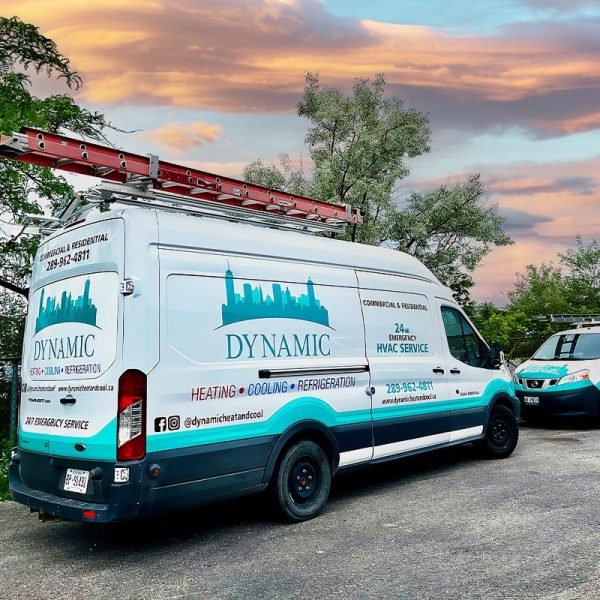
Efficient service delivery relies on skilled technicians and well-equipped vehicles.
2.a. Customer Contact
How it Works: A dedicated account management or customer service team serves as the primary point of contact. This involves managing service requests, scheduling maintenance, addressing inquiries, handling complaints, and providing regular updates. Communication channels can include phone, email, dedicated online portals, and potentially mobile apps for real-time interaction. For social housing, this may involve liaising with property managers, housing officers, and sometimes directly with residents (with appropriate protocols). For housing associations, contact is typically with property managers or association representatives.
Potential Challenges: Managing high volumes of inquiries and service requests efficiently. Ensuring clear and consistent communication across diverse stakeholder groups. Prioritizing urgent requests (e.g., heating failures in winter) effectively. Handling seasonal or unexpected demand spikes.
Complexity: Moderate. Requires robust CRM systems, well-defined communication protocols, and trained staff capable of handling diverse client needs and temperaments. Public institutions might have rigid communication protocols, while private associations may expect more personalized interaction.
Pain Points: Missed or delayed service requests leading to dissatisfaction. Communication breakdowns causing frustration for clients and residents. Difficulty in managing resident expectations, especially in sensitive social housing environments. Maintaining responsiveness, especially during emergency repair scenarios.
2.b. Service Delivery
How it Works: This is the core operational activity. Field technicians are dispatched to perform scheduled preventive maintenance, predictive maintenance (using data analytics to anticipate failures), emergency repairs, and system replacements. This requires skilled, certified technicians, appropriate tools and diagnostic equipment, a well-managed inventory of spare parts, and efficient scheduling and logistics to optimize routes and minimize travel time. Services must comply with French health, safety, and environmental regulations (e.g., refrigerant handling, energy efficiency standards).
Potential Challenges: Recruitment, training, and retention of skilled HVAC technicians. Managing inventory of diverse parts for various HVAC models and ages. Optimizing technician schedules across geographically dispersed sites. Ensuring consistent quality of work and adherence to safety protocols. Supply chain disruptions affecting availability of parts and materials. Access constraints in occupied properties, especially within social housing estates with vulnerable residents.
Complexity: High. Involves managing a mobile workforce, coordinating complex logistics, dealing with a wide variety of HVAC technologies, and ensuring compliance with numerous regulations. Balancing rapid response for emergency repairs with cost controls is a constant challenge.
Pain Points: Delays in service delivery or first-time fix rates being low, leading to repeat visits. High operational costs (fuel, labor, parts). Difficulty in sourcing specific parts, especially for older systems. Safety incidents or property damage during service. Unplanned downtime for clients, causing significant inconvenience.
2.c. Entitlement Management
How it Works: This crucial step involves verifying that requested services are covered under the existing contract terms and SLAs. It includes tracking warranty status for equipment, adherence to maintenance schedules, and ensuring that services provided fall within the agreed scope. This prevents "scope creep" and ensures fair billing. Differences in coverage between comprehensive social housing contracts and potentially more varied housing association agreements must be carefully managed.
Potential Challenges: Accurately tracking service entitlements across a large number of properties and diverse contract types. Resolving discrepancies or disputes regarding service coverage with clients. Integrating entitlement data with CRM, ERP, and field service management systems.
Complexity: Moderate. Requires a robust system (often software-based) for contract management and service tracking. Staff need to be trained to interpret contract terms accurately.
Pain Points: Providing services outside the agreed contract scope without proper authorization, leading to unbilled work and revenue loss. Disputes with clients over what is or isn't covered, damaging relationships. Administrative burden of manually tracking entitlements if systems are not integrated or efficient.
2.d. Invoicing
How it Works: Accurate and timely invoices are generated based on services rendered, parts used, and contract terms (e.g., fixed fees, time and materials, call-out charges). For social housing, invoices must often comply with specific public finance regulations and formats, with electronic invoicing (e.g., via Chorus Pro in France) being increasingly mandatory. Housing associations may have more flexible invoicing arrangements but still expect clarity and accuracy.
Potential Challenges: Ensuring complete accuracy in billing, especially with complex pricing structures or variable service elements. Managing different billing cycles and payment terms for public versus private clients. Handling disputes over invoiced amounts promptly and professionally. Complying with French tax laws and digital invoicing mandates.
Complexity: Moderate. Requires a reliable billing system integrated with service delivery and contract management data. Efficient accounts receivable processes are essential for cash flow management.
Pain Points: Invoicing errors leading to client disputes and payment delays. Slow payment cycles, particularly from some public bodies with strict budgetary approval processes, impacting cash flow. Administrative costs associated with chasing overdue payments and resolving billing discrepancies. Reconciliation challenges due to service variations or disputed charges.
Phase 3: Profitability Analysis and Decision Making – Steering the Business Forward
Leveraging Data for Strategic Advancement
This final phase focuses on evaluating performance, learning from experience, and using these insights to refine strategies for future growth and efficiency.
3.a. Profitability Analysis
How it Works: Regular analysis of revenues and costs associated with each contract, client type (social housing vs. housing association), and service category (maintenance, repair, replacement). This involves tracking direct costs (labor, materials, subcontractor fees) and indirect costs (overheads, administrative expenses) and comparing them against generated revenue. Key metrics include gross profit margin per contract, cost per service call, and customer lifetime value.
Potential Challenges: Accurately allocating indirect costs to specific contracts or services. Gathering comprehensive and timely financial and operational data from various systems. Identifying the true drivers of profitability or unprofitability, especially in complex service environments. Market volatility (inflation, energy costs) affecting margins.
Complexity: Moderate to High. Requires robust accounting, reporting, and business intelligence tools. Analytical skills are needed to interpret the data correctly and derive actionable insights.
Pain Points: Difficulty in identifying which contracts or client segments are most profitable. Inability to pinpoint areas of cost inefficiency or resource misallocation. Lack of timely financial insights hindering proactive decision-making. Accounting for indirect costs such as compliance, training, and administration can be challenging.
3.b. Lessons Learned
How it Works: A systematic process for capturing, analyzing, and disseminating insights from completed projects, successful tenders, lost bids, and operational experiences. This includes reviewing performance against SLAs, client satisfaction feedback, operational bottlenecks, and the effectiveness of different service strategies. Post-contract reviews and internal debriefs are common methods.
Potential Challenges: Establishing a consistent and structured process for collecting and analyzing lessons learned. Overcoming cultural or systemic reluctance to candidly address failures or shortcomings. Ensuring that insights are effectively shared across relevant departments (sales, operations, finance) and translated into actionable improvements.
Complexity: Moderate. Requires a commitment to continuous improvement and systems for knowledge capture and dissemination. Leadership support is crucial for fostering a learning culture.
Pain Points: Repeating past mistakes due to a lack of institutional memory. Failing to capitalize on successful strategies or replicate best practices. Difficulty in translating qualitative feedback into measurable process changes. Addressing systemic challenges like workforce shortages or extended procurement cycles effectively.
3.c. Strategy for Next Tender
How it Works: Insights from profitability analysis and lessons learned are used to inform and refine strategies for future sales efforts and tender participation. This includes adjusting pricing models, enhancing service offerings (e.g., incorporating more predictive maintenance, focusing on energy-efficient solutions), targeting specific client segments more effectively, and tailoring proposals to address identified client needs and pain points. It also involves anticipating regulatory changes, market trends (e.g., decarbonization initiatives, NetZero targets), and competitor activities.
Potential Challenges: Effectively translating analytical insights and past experiences into concrete, actionable strategies. Adapting quickly to changes in the dynamic French HVAC market and evolving regulatory landscape (e.g., updates to public procurement rules or environmental standards). Balancing competitive pricing with the need to maintain profitability, especially amidst inflation and labor shortages.
Complexity: High. Requires strategic thinking, market analysis, foresight, and the agility to adapt the business model and operational processes. Ensuring organizational alignment behind new strategic priorities is key.
Pain Points: Repeating unsuccessful tender strategies or pricing models. Failing to adapt to emerging client expectations (e.g., demand for smart HVAC solutions or enhanced sustainability reporting). Losing out on valuable opportunities due to an uncompetitive or undifferentiated offering. Difficulty in integrating evolving customer expectations, especially in the demanding social housing sector.
Comparative Analysis: Social Housing vs. Housing Associations
Key Distinctions in HVAC Service Delivery
The table below summarizes some ofলাইনে the key differences, challenges, and considerations when serving social housing (public institutions) versus housing associations (private entities) in the French HVAC B2B market.
| Aspect | Social Housing (Public Institutions) | Housing Associations (Private Entities) |
|---|---|---|
| Procurement Process | Formal public tenders, strict regulations (e.g., Procurement Act 2023), emphasis on social value and compliance. | Often private tenders or direct negotiations; more flexibility, focus on cost-effectiveness and tailored solutions. |
| Contractual Focus | Long-term contracts, detailed SLAs, NetZero targets, stringent compliance and reporting. | Can be shorter-term or framework agreements, customized SLAs, emphasis on responsiveness and value for money. |
| Key Challenges | Navigating complex bureaucracy, lengthy decision-making, strict adherence to tender rules, managing resident relations. | Price sensitivity, negotiating favorable terms, potentially more varied and less standardized property portfolios. |
| Decision Drivers | Regulatory compliance, budget constraints, social impact, energy efficiency, long-term asset management. | Cost savings, service reliability, minimizing disruption to owners/tenants, speed of resolution. |
| Pain Points for Provider | High bid costs, risk of disqualification on technicalities, slow payment cycles, managing diverse stakeholder expectations. | Intense price competition, potential for scope creep if not well-managed, balancing quality with cost pressures. |
Visualizing Process Complexity and Challenges
Radar Chart: Navigating HVAC Service Hurdles
The following radar chart illustrates the perceived levels of complexity and potential pain points across key stages of the HVAC service business process, comparing the typical experiences when dealing with social housing clients versus private housing associations. The scores (out of 10, where 10 is highest complexity/pain) are indicative and can vary based on specific circumstances. This visualization helps in understanding where strategic focus and resource allocation might be most needed.
Business Process Mindmap Overview
A Bird's-Eye View of the HVAC Service Workflow
This mindmap provides a visual representation of the entire HVAC service business process, from initial sales and retention efforts through lifecycle service delivery to profitability analysis and strategic decision-making. It highlights the interconnectedness of these stages and their respective sub-processes, offering a clear overview of the operational flow.
(Client Needs, Costing, Compliance)"] OPB["1.b. Tender Participation
(Public & Private Bids)"] OPC["1.c. Contract Signature
(Negotiation, Legal, SLAs)"] LS["2. Lifecycle Services"] LSA["2.a. Customer Contact
(Requests, Scheduling, Comms)"] LSB["2.b. Service Delivery
(Maintenance, Repair, Replacement)"] LSC["2.c. Entitlement Management
(Contract Scope, Warranty)"] LSD["2.d. Invoicing
(Accuracy, Payment Cycles)"] PA["3. Profitability Analysis & Decision Making"] PAA["3.a. Profitability Analysis
(Cost vs. Revenue, Margins)"] PAB["3.b. Lessons Learned
(Performance Review, Improvements)"] PAC["3.c. Strategy for Next Tender
(Pricing, Offerings, Market Adaptation)"]
Insights on Growing Your HVAC Business
Exploring Maintenance Contracts
The following video discusses strategies for implementing HVAC maintenance contract programs. While the context may not be exclusively French, the core principles of building a recurring revenue stream through maintenance agreements are highly relevant to the "Sales and Retention" and "Lifecycle Services" phases discussed. Such contracts are key to stabilizing income and building long-term client relationships in both social housing and private housing association sectors.
Developing a robust maintenance contract program can significantly enhance customer retention by providing ongoing value and predictable service. For social housing, this demonstrates a commitment to long-term asset care and operational efficiency. For housing associations, it offers peace of mind and budget predictability. The video explores practical ways to structure and market these contracts, which can be adapted to the specific nuances of the French B2B HVAC market.
Frequently Asked Questions (FAQ)
How does the French Procurement Act 2023 impact HVAC tenders for social housing?
The Procurement Act 2023, which took full effect in February 2025 in a UK context but reflects similar reforms across Europe including France's emphasis on transparent and value-based public procurement, significantly impacts HVAC tenders for social housing. It generally promotes more transparency, flexibility, and a focus on "best value" rather than just the lowest price. This means HVAC companies need to emphasize quality, sustainability (e.g., NetZero contributions, energy efficiency), social value, and innovation in their bids. It also strengthens mechanisms for challenging procurement decisions, requiring meticulous preparation and compliance from bidders. Companies must be prepared for detailed scrutiny of their technical capabilities, financial stability, and proposed service methodologies.
What are the key differences in service expectations between social housing and private housing associations?
Social housing institutions often prioritize long-term reliability, regulatory compliance, resident welfare, and achieving broader social goals like energy efficiency and decarbonization. Their contracts may be more prescriptive with detailed reporting requirements. Private housing associations, while also valuing reliability and efficiency, might place a stronger emphasis on cost-effectiveness, speed of response for repairs, minimizing disruption to property owners/tenants, and flexibility in service agreements. Communication with private associations may be more direct and commercially focused, whereas social housing involves navigating layers of administration and potentially direct resident interaction under strict protocols.
How can predictive maintenance improve profitability in the HVAC B2B sector?
Predictive maintenance, using sensors and data analytics to anticipate equipment failures before they occur, can significantly improve profitability. It allows for proactive servicing, reducing costly emergency repairs and unexpected downtime. This optimizes technician scheduling, minimizes overtime, and extends equipment lifespan. For clients, it means improved reliability and potentially lower energy consumption. By offering predictive maintenance, HVAC companies can differentiate their services, command better contract terms, and reduce their own operational costs associated with reactive, unplanned interventions. This is particularly valuable for large portfolios in social housing or extensive properties managed by housing associations.
What are effective strategies for retaining B2B HVAC clients in a competitive French market?
Effective client retention strategies include:
- Consistent High-Quality Service: Meeting or exceeding SLA commitments reliably.
- Proactive Communication: Keeping clients informed about service schedules, potential issues, and energy-saving opportunities.
- Value-Added Services: Offering services like predictive maintenance, energy audits, or advice on system upgrades.
- Strong Relationship Management: Building trust and understanding client-specific needs through dedicated account managers.
- Fair and Transparent Pricing: Ensuring invoices are accurate and pricing is competitive for the value delivered.
- Adaptability: Being flexible to accommodate evolving client needs and regulatory changes.
- Demonstrating ROI: Showing clients how your services contribute to cost savings, efficiency gains, or compliance.
Recommended Further Exploration
Delve Deeper into HVAC Service Optimization
- What are detailed strategies for navigating French public procurement regulations for HVAC services?
- How can technology and digitalization transform HVAC service delivery and customer management in France?
- What are the key performance indicators (KPIs) for measuring success in an HVAC B2B service company?
- How can one effectively manage skilled labor shortages and supply chain challenges in the French HVAC industry?
References
Sources and Further Reading
Last updated May 7, 2025