
Frenulum Breve: A Detailed Medical Overview
Understanding the Anatomy, Symptoms, and Treatment Options
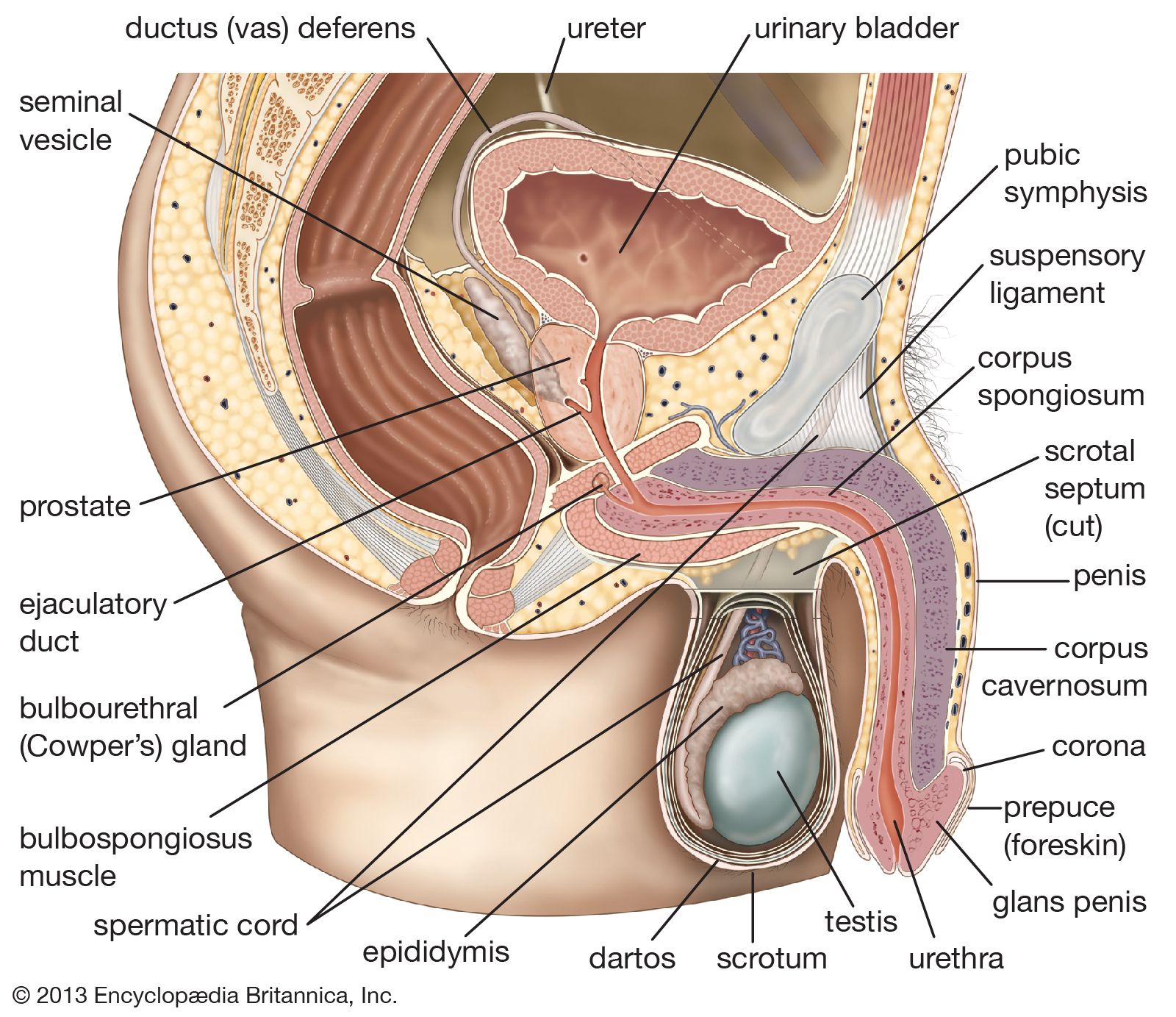
Highlights
- Anatomical Considerations: Frenulum breve is a congenital condition where the band of tissue under the glans penis is too short, affecting foreskin mobility.
- Symptoms & Impact: It can cause pain during erections, difficulty with retraction, and increase the risk of tearing during sexual activity.
- Treatment Options: Management includes conservative methods like stretching and topical steroids or surgical procedures such as frenuloplasty and circumcision.
Introduction
As a medical professional, it is important to explain that frenulum breve refers to a condition where the frenulum—a small band of elastic tissue that connects the foreskin to the underside of the glans penis—is abnormally short. This congenital condition can have several clinical implications and may affect sexual function, comfort, and overall penile health.
Anatomy and Physiology
Normal Anatomy of the Frenulum
The frenulum is a delicate structure that plays a crucial role in the movement of the foreskin. In a typical anatomical setup, it is long enough to allow smooth retraction of the foreskin during erections and sexual activity. This elasticity ensures that the foreskin can be moved away from the glans without causing undue tension or discomfort. Its main functions include:
- Facilitating the retraction of the foreskin.
- Maintaining the protective coverage of the glans when not erect.
- Allowing for normal sensory feedback during sexual stimulation.
What Happens in Frenulum Breve?
In individuals with frenulum breve, the elastic band (frenulum) is unusually short. As a result, it fails to properly accommodate the spreading or retraction of the foreskin, particularly during an erection. This abnormality can lead to increased tension on the tissue, which may cause a range of symptoms from discomfort to tearing. The condition is most often congenital, meaning that it is present from birth, but its manifestation becomes more evident as the individual reaches sexual maturity.
Clinical Presentation and Symptoms
Primary Symptoms
Patients with frenulum breve commonly present with a variety of symptoms that are directly linked to the short length of the frenulum. The main symptoms include:
- Pain During Erections: As the penis becomes erect, the tension on the short frenulum increases, potentially leading to significant discomfort or pain.
- Difficulty with Foreskin Retraction: The restricted movement of the foreskin may result in an inability to completely retract it over the glans, complicating both hygiene and sexual activities.
- Tearing and Bleeding: With repeated strain, the frenulum may tear, which can result in bleeding and may promote the formation of scar tissue that further exacerbates the condition.
- Premature Ejaculation: In some cases, the discomfort and tension associated with a short frenulum may contribute to an abnormal ejaculation reflex, leading to premature ejaculation.
- Ventral Deviation: The tethering effect of the short frenulum might cause the glans to deviate ventrally (downward), which could lead to additional discomfort during sexual activity.
Complications
If left untreated, frenulum breve can lead to a number of complications:
- Recurrent Tearing: Continuous strain on a short frenulum can lead to recurrent micro-trauma and tearing, thereby worsening the situation over time.
- Scar Formation: Each episode of tearing can initiate a healing response that may result in the formation of scar tissue. Scar formation may lead to further shortening and rigidity of the frenulum.
- Sexual Dysfunction: Pain and discomfort during sexual activity may lead to avoidance behavior, decreased sexual satisfaction, and consequent psychosocial stress.
- Hygiene Issues: Difficulty in retracting the foreskin can affect proper cleaning, potentially increasing the risk for infections.
Diagnosis
Clinical Examination
The diagnosis of frenulum breve is typically made through a thorough physical examination by a qualified healthcare professional. A urologist will assess the following during the examination:
- The length and elasticity of the frenulum.
- Degree of foreskin retractability.
- Evidence of micro-tears, bleeding, or scar tissue formation on the frenulum.
- Assessment of any associated conditions such as phimosis (a condition that also affects the retraction of the foreskin) to differentiate between related disorders.
Diagnostic Techniques
While the diagnosis of frenulum breve is mostly clinical, the healthcare provider may sometimes use additional techniques to assess the condition’s severity:
| Diagnostic Method | Description |
|---|---|
| Physical Examination | Evaluation of the length and flexibility of the frenulum along with other physical signs. |
| Patient History | Discussion of symptoms, sexual activity, and any history of pain or bleeding. |
| Imaging (Rarely Needed) | Ultrasound imaging might be used in complex cases to assess tissue structure. |
Differentiation from Other Conditions
It is imperative to differentiate frenulum breve from other related conditions such as phimosis. While both conditions involve problems with foreskin retraction, the primary issue in frenulum breve lies in the abnormal shortness of the frenulum. In contrast, phimosis involves a tight foreskin that is difficult to retract due to a constricted opening.
Treatment Approaches
Conservative Treatments
Topical Steroid Therapy
For mild cases of frenulum breve, a healthcare provider may recommend the use of topical steroid creams. These creams help by reducing inflammation and may aid in softening the frenulum tissue, which could allow for greater elasticity over time. Treatment typically involves:
- Application of a prescribed steroid cream to the affected area.
- Regular use during the period as advised by the physician.
- Concurrent implementation of stretching exercises to gradually elongate the frenulum.
Stretching Exercises
Alongside topical treatments, gentle stretching exercises are commonly prescribed. Description of these exercises involves:
- Manual extension of the foreskin, holding the frenulum in a stretched position for short periods.
- Sustained, consistent stretching over weeks or months can lead to gradual lengthening of the frenulum.
- The exercises are typically recommended to be performed multiple times per day.
Surgical Interventions
When conservative therapies do not yield sufficient improvement, or when the symptoms are severe, surgical treatment may be recommended. The main surgical options are:
- Frenuloplasty: This procedure involves surgically lengthening the frenulum by creating small incisions and then suturing the tissue in a way that extends its length. It is the preferred option for those who want to preserve the foreskin.
- Frenulectomy: In this surgery, the frenulum is partially or completely removed. While this can resolve the tension issues, it may alter the appearance and natural function of the frenulum.
- Circumcision: In some instances, circumcision may be recommended. Although this is a more radical option, it effectively eliminates issues related to frenulum breve by removing the problematic tissue altogether.
For patients undergoing surgical treatments, a period of recovery that typically lasts between four to six weeks is advised. During this healing period, it is recommended to avoid sexual activity to allow the surgical site to heal properly.
Pathophysiology and Etiology
Congenital Nature of the Condition
Frenulum breve is primarily regarded as a congenital condition, meaning that it is typically present at birth. The exact cause of this congenital anomaly is believed to be linked to variations in normal penile development. In some cases, genetic factors may play a role in determining the length and elasticity of the frenulum.
Mechanism of Symptom Development
The underlying mechanism of symptom development in frenulum breve is rooted in the mechanical stress exerted on the short frenulum during an erection. A normally mobile frenulum can stretch and accommodate the increasing size and rigidity of the penis; however, a short frenulum cannot adequately stretch, leading to accumulation of tension. Over time, this tension can result in micro-tears, which not only cause immediate pain but also lead to scar tissue formation. This scar tissue, being less elastic, further contributes to the cycle of limited mobility and increasing discomfort.
Psychosocial and Behavioral Aspects
Impact on Sexual Health
Beyond the physical discomfort, frenulum breve can have significant psychosocial ramifications. The psychological stress associated with recurrent pain, bleeding, and sexual dysfunction may lead to anxiety and reduced self-esteem. In some cases, these issues may result in a reluctance to engage in sexual activities, which could strain intimate relationships.
Addressing Concerns and Counseling
It is crucial for healthcare providers to address these concerns empathetically. Counseling regarding sexual health and offering reassurance about the effectiveness of the available treatment options are important steps. Involving a multidisciplinary team that may include psychologists or sex therapists can help patients and their partners navigate the emotional and psychological impact of the condition.
Case Management and Follow-Up
Initial Evaluation and Assessment
Patients who present with a suspected frenulum breve should undergo a thorough evaluation by a specialist, often a urologist. The initial evaluation will include a detailed medical history and a comprehensive physical examination. The assessment helps determine the severity of the condition, distinguishes it from similar conditions like phimosis, and assists in developing a personalized treatment plan tailored to the patient’s specific needs.
Long-Term Management
For patients managed with conservative therapies, continued follow-up is essential to assess the progress and effectiveness of treatment. Regular examinations can help monitor for any complications, such as the development of scar tissue or recurring symptoms that might necessitate a change in treatment strategy. For those undergoing surgical intervention, postoperative follow-ups ensure proper healing and address any complications that could arise during recovery.
Patient Education and Lifestyle Considerations
General Guidance
Effective patient education is a cornerstone of managing frenulum breve. Patients should be advised on maintaining good penile hygiene and on techniques that may reduce symptoms. They should also be informed about the risks and benefits of different treatment modalities.
Practical Tips
- Practice regular but gentle cleaning of the penile area to avoid irritation and infection.
- Follow the prescribed regimen for stretching exercises or topical treatments consistently.
- Seek prompt medical advice if there is recurrent bleeding or significant pain that disrupts daily activities or intimacy.
- Understand that treatment progress may take time and require patient commitment, especially when conservative measures are followed.
Comparative Analysis of Treatment Options
Conservative Versus Surgical Management
A comparative analysis of treatment options provides clarity on what a patient might expect based on the severity of the condition:
| Treatment Approach | Description | Indications |
|---|---|---|
| Conservative Therapy | Non-invasive methods including topical steroids and stretching exercises. | Mild cases or initial management for moderate symptoms. |
| Frenuloplasty | Surgical reconstruction to lengthen the frenulum while preserving the foreskin. | Moderate to severe cases; when conservative methods are insufficient. |
| Frenulectomy | Surgical removal of the frenulum. | Cases with recurrent tearing and when preservation of the frenulum is not essential. |
| Circumcision | Removal of the foreskin, which effectively eliminates issues related to a short frenulum. | Severe cases and when other treatments have failed or are contraindicated. |
Post-Treatment Expectations
In both conservative and surgical management, patient education about post-treatment care is paramount. Post-operative care after surgical interventions, including proper wound care and abstention from sexual activity for four to six weeks, plays a critical role in ensuring complete recovery. Long-term follow-up is encouraged to monitor the success of the treatment and to address any potential complications promptly.
Conclusion
In summary, frenulum breve is a congenital condition characterized by a short frenulum that restricts the normal movement of the foreskin. This condition can lead to significant discomfort, pain during erections, and complications such as tearing and scar tissue formation. A clear understanding of the anatomy and clinical implications helps in devising targeted treatment strategies.
The management of frenulum breve ranges from conservative therapies, including stretching exercises and the application of steroid creams, to more invasive surgical interventions like frenuloplasty, frenulectomy, or circumcision. The choice of treatment depends on the severity of the symptoms, the degree of functional impairment, and patient-specific factors. Collaborative patient education and follow-up care are essential to ensure optimal results and to minimize complications.
It is important for patients experiencing symptoms of frenulum breve to seek consultation with a urologist, who can offer an individualized treatment plan based on a thorough clinical evaluation. With early diagnosis and proper management, individuals can greatly alleviate discomfort and improve their quality of life.
References
- Tua Saúde - Frenulum Breve Explanation
-
Cleveland Clinic - Short Frenulum Details
- Medicover Hospitals - Frenulum Breve
- Pristyn Care - Managing Frenulum Breve
- Wikipedia - Frenulum Breve
- Healthy Male - Understanding Frenulum Breve
Recommended
Last updated February 21, 2025