
Frenulum Concerns After Infant Circumcision: Understanding Transparency and Identifying Your Style
Navigating questions about your frenulum's appearance and the specifics of your childhood circumcision.
It's understandable to have questions about your body, especially regarding procedures performed in infancy like circumcision. If your frenulum was preserved and you've noticed changes like transparency, or if you're curious about the style of your circumcision, you're seeking valuable clarity. Let's explore these topics in detail.
Key Insights at a Glance
- Frenulum Transparency: Transparent skin on the frenulum is often due to the thin nature of the tissue and its vascularity. Unless accompanied by pain, discomfort, tearing, or functional issues, it's generally not a cause for medical concern or removal.
- Frenulum Removal (Frenulectomy): The decision to remove a residual frenulum is typically based on symptoms such as pain during erections or sexual activity (often due to a condition called frenulum breve, or a short/tight frenulum), recurrent tearing, or bleeding.
- Identifying Circumcision Style: Circumcision styles are primarily defined by how much inner foreskin was removed (determining scar placement - "high" or "low") and how much outer foreskin was removed (affecting skin tightness - "tight" or "loose").
Understanding Your Frenulum Post-Circumcision
The frenulum is a small, V-shaped band of elastic tissue located on the underside of the penis, connecting the glans (head) to the shaft skin (formerly the foreskin). Its sensitivity contributes to sexual sensation. During a circumcision, the frenulum may be fully removed, partially removed, or left intact, depending on the specific technique used by the surgeon and the goals of the procedure.
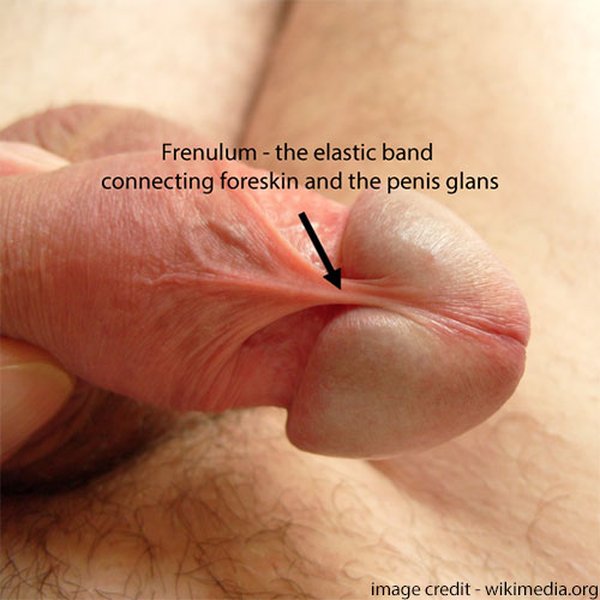
Illustration depicting a short frenulum, a condition that can sometimes cause discomfort.
Why Might the Frenulum Skin Appear Transparent?
If you've noticed the skin in the central area of your residual frenulum appearing more transparent, several factors could contribute to this:
- Thin Tissue: The frenulum, by nature, is composed of relatively thin skin. This inherent thinness can sometimes make the underlying blood vessels or tissue layers more visible, giving an appearance of transparency.
- Stretching or Tension: Over time, or due to activities, the skin in this area might stretch slightly, potentially making it appear thinner and more translucent.
- Vascularity: The frenulum is a highly vascularized area, meaning it has a rich blood supply. This can sometimes contribute to its appearance.
- Scar Tissue: Depending on the healing process after your infant circumcision, some minor scar tissue might be present, which can have a different texture or translucency compared to surrounding skin.
Importantly, transparent-looking skin on the frenulum, in the absence of other symptoms, is not typically considered a medical problem requiring intervention.
Should the Frenulum Be Removed?
The decision to remove a residual frenulum (a procedure known as a frenulectomy or frenuloplasty, which can modify or remove it) is primarily driven by whether it's causing any problems. Here are common reasons why removal might be considered:
- Frenulum Breve: This condition refers to a frenulum that is too short or tight. It can cause pain or discomfort, particularly during erections or sexual intercourse, as it restricts the movement of the skin and can pull on the glans.
- Recurrent Tearing or Bleeding: A tight or delicate frenulum may be prone to small tears during sexual activity or even vigorous cleaning. These tears can be painful and may lead to scarring over time.
- Pain or Discomfort: Any persistent pain, irritation, or sensitivity specifically localized to the frenulum that impacts your quality of life or sexual function.
- Functional Issues: In some cases, a problematic frenulum might interfere with hygiene or cause other functional difficulties.
If the transparent appearance of your frenulum is your only observation, and you are not experiencing any pain, discomfort, tearing, bleeding, or functional limitations, then removal is generally not medically necessary. Many individuals live comfortably with an intact residual frenulum. However, if you have any concerns or symptoms, a consultation with a urologist is the best course of action. They can perform a physical examination, assess the condition of your frenulum, and discuss whether any treatment is warranted.
This video discusses frenulectomy, explaining why removal of the frenulum can help alleviate pain associated with conditions like frenulum breve, particularly if it wasn't addressed during an initial circumcision.
Radar Chart: Factors Influencing Frenulum Removal Decision
This chart visually represents the typical weighting of various factors when considering whether frenulum removal is medically indicated. A higher score suggests a stronger reason for considering the procedure.
As the chart illustrates, symptomatic issues like pain, tearing, and diagnosed frenulum breve carry significant weight in the decision-making process, often leading to a recommendation for removal by a urologist. Asymptomatic transparency, on its own, typically scores low in terms of medical necessity for intervention.
Identifying Your Infant Circumcision Style
Determining the exact "style" of a circumcision performed in infancy, decades later, can be challenging without access to surgical notes. However, the appearance of the circumcised penis, specifically the location of the scar and the amount of remaining mobile skin, provides clues. Circumcision styles are generally categorized based on two main characteristics:
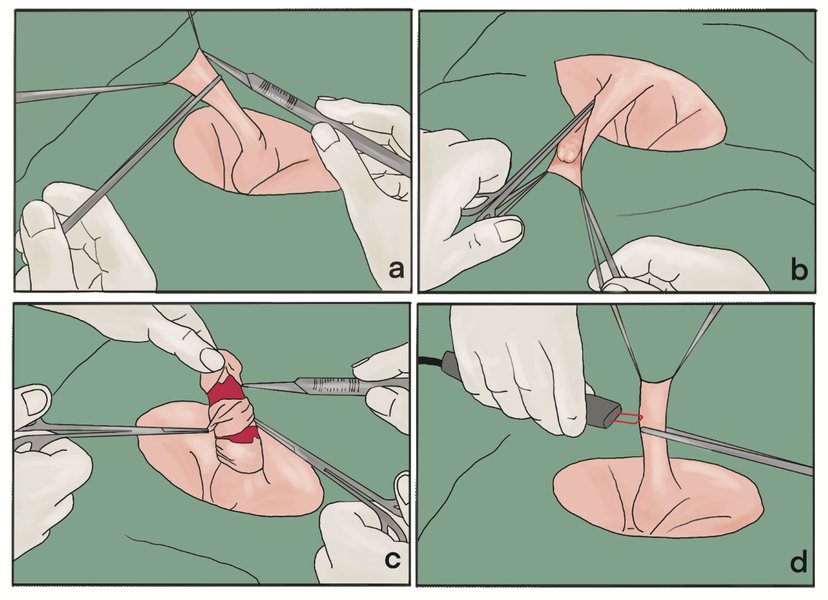
General medical illustration related to penile anatomy and circumcision, which can help conceptualize different tissue removals.
1. Scar Placement: "High" vs. "Low"
This refers to how much of the inner (mucosal) layer of the foreskin was removed and, consequently, where the circumcision scar is located relative to the glans.
- Low Cut: The scar line is very close to the corona (the ridge of the glans). This style removes most of the inner mucosal skin. The skin on the shaft leading up to the glans is primarily outer shaft skin.
- High Cut: The scar line is further away from the glans, higher up on the penile shaft. This style preserves more of the inner mucosal skin between the scar and the glans.
2. Skin Tension: "Tight" vs. "Loose"
This describes how much of the outer layer of foreskin (shaft skin) was removed, which affects how much mobile skin remains on the penile shaft, especially during an erection.
- Tight Cut: More outer skin is removed, resulting in skin that is taut over the shaft, with little to no bunching behind the glans, even when flaccid. During an erection, the skin is stretched quite snugly.
- Loose Cut: Less outer skin is removed, leaving more mobile skin on the shaft. This skin may bunch up behind the corona when flaccid and allows for more movement during an erection.
Common Combinations and How to Assess
These two characteristics can be combined, leading to four general descriptive "styles":
- Low and Tight: Scar near the glans, minimal mobile skin. Often a common result of infant circumcisions using clamp devices.
- Low and Loose: Scar near the glans, but with more mobile shaft skin remaining.
- High and Tight: Scar further from the glans, minimal mobile skin.
- High and Loose: Scar further from theglans, with more mobile shaft skin. If your frenulum was deliberately and substantially left intact, this might sometimes correlate with styles that preserve more inner skin overall, though it's not a definitive rule.
How to Visually Assess:
- Examine the Scar Line: Note its position relative to the glans both when flaccid and erect. Is it right at the base of the head, or is there a noticeable band of different-looking (often smoother, pinker mucosal) skin between the scar and the glans?
- Assess Skin Mobility: Observe how much the skin on your shaft moves. When erect, does it stretch very tightly, or is there still some looseness or ability for the skin to glide?
While these observations can give you an idea, it's important to remember that outcomes can vary, and the terms "high," "low," "tight," and "loose" are relative. Without surgical records, a definitive classification can be difficult. A urologist familiar with different circumcision outcomes might be able to offer a more informed opinion based on a physical examination.
Circumcision Styles Overview Table
This table summarizes the key characteristics of the different circumcision styles, which can help you in your assessment.
| Style Combination | Scar Position (Relative to Glans) | Amount of Inner (Mucosal) Skin Remaining Below Scar | Amount of Mobile Outer Shaft Skin | Typical Skin Tension (Erect) |
|---|---|---|---|---|
| Low and Tight | Close to glans | Minimal | Minimal | Very taut |
| Low and Loose | Close to glans | Minimal | More | Some slack/mobility |
| High and Tight | Further from glans (on shaft) | More | Minimal | Very taut |
| High and Loose | Further from glans (on shaft) | More | More | Some slack/mobility |
Visualizing Your Post-Circumcision Questions
This mindmap helps to organize the key considerations regarding your frenulum and understanding your circumcision style. It outlines the typical thought process and factors involved in addressing these common questions.
- Naturally Thin Tissue
- Vascularity
- Minor Scarring/Stretching"] id1a2["Action if Asymptomatic:
- Generally No Medical Intervention Needed
- Monitor for Changes/Symptoms"] id1b["Symptoms Present?"] id1b1["Pain, Tearing, Discomfort (e.g., Frenulum Breve)"] id1b1a["Consult Urologist for Evaluation"] id1b1b["Possible Treatments:
- Frenulectomy (Removal)
- Frenuloplasty (Modification)"] id1b2["No Symptoms (Transparency Only)"] id1b2a["Removal Usually Not Indicated"] id2["Identifying Circumcision Style"] id2a["Key Characteristics"] id2a1["Scar Placement (Distance from Glans)"] id2a1a["Low Cut (Scar near Glans)"] id2a1b["High Cut (Scar on Shaft)"] id2a2["Skin Mobility/Tension"] id2a2a["Tight Cut (Minimal Loose Skin)"] id2a2b["Loose Cut (More Mobile Skin)"] id2b["Resulting Style Combinations"] id2b1["Low & Tight"] id2b2["Low & Loose"] id2b3["High & Tight"] id2b4["High & Loose"] id2c["Method of Identification"] id2c1["Self-Observation (Scar, Skin Movement)"] id2c2["Professional Assessment (Urologist Consultation)"] id2c3["Medical Records (If Available - Often Not for Infant Procedures)"]
Frequently Asked Questions (FAQ)
What exactly is the penile frenulum?
The frenulum is a small, sensitive fold or band of tissue on the underside of the penis. It connects the foreskin to the glans (head of the penis) in an uncircumcised male. If circumcision is performed, part or all of the frenulum may be removed or left partially intact, depending on the technique used. It is rich in nerve endings and contributes to sexual sensation.
Is transparent skin on my frenulum dangerous?
Generally, no. If the skin on your residual frenulum appears transparent but you have no other symptoms like pain, itching, redness, swelling, discharge, tearing, or discomfort during erections or sexual activity, it's usually not a sign of a dangerous condition. The skin in this area can be naturally thin. However, if you have any concerns or if the appearance changes suddenly or is accompanied by symptoms, it's always best to consult a healthcare professional like a urologist.
What is "frenulum breve" and how does it relate to removal?
Frenulum breve means "short frenulum." It's a condition where the frenulum is unusually short or tight, restricting the movement of the foreskin (if present) or the skin on the underside of the glans. This can lead to pain or discomfort, especially during erections or sexual intercourse, and can sometimes cause the frenulum to tear. If frenulum breve is diagnosed and causes symptoms, a frenulectomy (removal of the frenulum) or frenuloplasty (surgical alteration to lengthen it) may be recommended to alleviate the problem.
Can I definitively identify my infant circumcision style myself?
You can get a general idea by observing the location of your scar (closer to the glans for "low," further up the shaft for "high") and the amount of mobile skin (less for "tight," more for "loose"). However, these are descriptive terms, and individual variations are common. Without medical records from the time of your circumcision (which are often unavailable or lack such detail for infant procedures), a precise, formal classification can be difficult. A urologist experienced in circumcision outcomes might offer a more educated assessment based on a physical exam, but even then, it's an interpretation of the result rather than a confirmed record of the intended style at the time of surgery.
When should I see a doctor about my frenulum or circumcision?
You should consult a doctor, preferably a urologist, if you experience any of the following:
- Pain or discomfort in the frenulum area, especially during erections or sexual activity.
- Recurrent tearing or bleeding of the frenulum.
- Redness, swelling, discharge, or signs of infection.
- Concerns about the appearance that are causing you distress.
- Any changes in sensation or function that worry you.
- If you simply want a professional opinion on your circumcision outcome or frenulum health.
Recommended Further Exploration
- What are the medical reasons for performing a frenulectomy on an adult?
- How do different infant circumcision methods affect the final appearance and frenulum preservation?
- What is the typical healing process and recovery time after a frenuloplasty or frenulectomy?
- Can a urologist determine the specific circumcision technique used during infancy based on a current examination?
References
Last updated May 17, 2025