
Frenulum Removal with Circumcision: A Necessary Step or an Optional Choice?
Understanding the implications of frenulum removal during circumcision to make an informed decision based on medical advice and personal factors.
The decision of whether to remove the penile frenulum during a circumcision procedure is a significant one, influenced by various medical, personal, and surgical considerations. The frenulum, a small band of tissue connecting the foreskin to the glans (head) of the penis, plays a role in sensation and penile mechanics. This guide aims to provide a comprehensive overview to help understand the factors involved.
Key Considerations at a Glance
- Medical Necessity: If the frenulum is too short (frenulum breve), causing pain, tearing, or restricting foreskin retraction, its removal or modification (frenuloplasty) is often medically advisable during circumcision.
- Sensation Impact: The frenulum is a highly sensitive area. While some report no change or even increased pleasure after removal (often due to relief from a tight frenulum), others are concerned about potential loss of specific sensitivity. Frenulum-sparing techniques aim to preserve this.
- Surgical Technique & Preference: Traditional circumcision methods often include frenulum removal as a standard part of excising the foreskin. However, modern approaches may offer frenulum preservation, and patient preference, in consultation with a surgeon, plays a crucial role.
Understanding the Penile Frenulum
The penile frenulum, or simply frenulum, is a strip of elastic tissue located on the underside (ventral aspect) of the penis. It connects the foreskin (prepuce) to the glans penis, running from just below the urethral opening. This structure is rich in nerve endings, contributing to sexual sensation and pleasure. It also helps in the natural retraction and return of the foreskin over the glans in uncircumcised individuals.
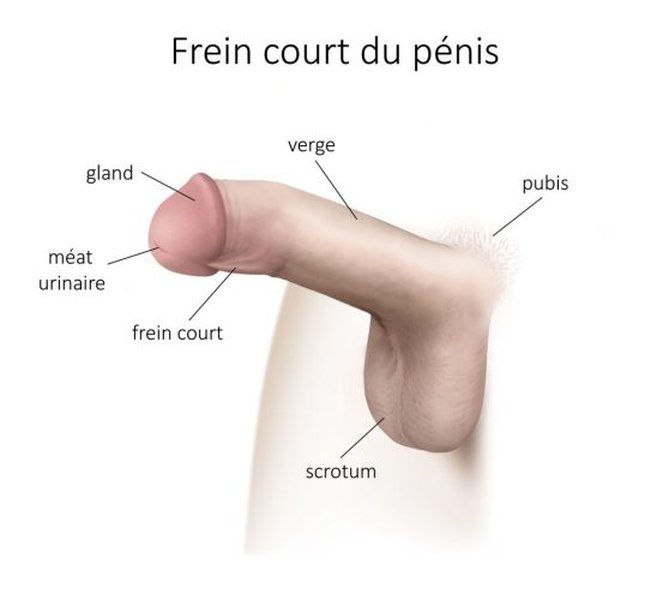
Anatomical view showing the location of the penile frenulum.
The Frenulum's Role in Circumcision
During many conventional circumcision procedures, where the foreskin is removed, the frenulum is often either partially or completely removed (frenulectomy) or surgically altered (frenuloplasty). This is partly because of its direct attachment to the foreskin and partly to address pre-existing conditions like frenulum breve.
What is Frenulum Breve?
Frenulum breve is a condition where the frenulum is unusually short or tight. This can lead to several issues:
- Pain or discomfort during erections or sexual activity.
- Downward pulling or curvature of the glans during erection.
- Difficulty in fully retracting the foreskin.
- Tearing of the frenulum, which can cause bleeding and pain.
- Premature ejaculation in some cases, due to overstimulation or discomfort.
If frenulum breve is present, addressing the frenulum during circumcision is generally considered beneficial to alleviate these symptoms.
To Remove or Preserve: Weighing the Options
The decision regarding frenulum removal is multifaceted, involving an assessment of anatomical normalcy, existing symptoms, surgical techniques, and patient priorities.
Reasons for Frenulum Removal (Frenulectomy)
There are specific scenarios where removing the frenulum during circumcision is often recommended:
- Treating Frenulum Breve: As mentioned, if the frenulum is pathologically short or tight, its removal can resolve pain, prevent tearing, and improve sexual function.
- Preventing Future Issues: Even if not severely tight, a relatively short frenulum might be removed prophylactically to avoid potential problems later on.
- Surgical Completeness: Some surgeons and patients prefer a "cleaner" look or believe that removing the frenulum as part of the foreskin removal offers a more definitive surgical outcome.
- Alleviating Painful Erections: A tight frenulum can cause significant discomfort during erections, and its removal can provide substantial relief.
Reasons for Frenulum Preservation
Conversely, there are compelling arguments for preserving the frenulum, especially if it's healthy and of normal length:
- Maintaining Sensation: The frenulum is a key erogenous zone. Preserving it may help maintain a specific type of sexual sensation and contribute to arousal and pleasure. Some studies suggest its role in erectile properties and ejaculatory control.
- Frenulum-Sparing Techniques: Modern surgical approaches increasingly focus on frenulum-sparing circumcision. These techniques aim to remove the foreskin while leaving the frenulum intact, potentially reducing complications like bleeding from the frenular artery and preserving natural sensation.
- Avoiding Unnecessary Excision: If the frenulum is not causing any problems, its removal might be considered an unnecessary step, increasing surgical intervention without clear benefit.
- Reduced Risk of Certain Complications: Preserving the frenulum might avoid potential complications associated with its removal, such as excessive bleeding or altered sensation, though these risks are generally low with experienced surgeons.
Decision Factors Radar Chart
The decision to remove or preserve the frenulum during circumcision is influenced by multiple factors. The radar chart below provides an opinionated visualization of how different considerations might weigh in scenarios favoring removal versus preservation. The scores (1-10, where 10 is highest importance/impact) are illustrative, reflecting common medical perspectives. For instance, if "Medical Necessity (e.g., Frenulum Breve)" is high, removal becomes more indicated.
This chart highlights that when medical necessity (like a problematic frenulum breve) is high, the argument for removal strengthens. Conversely, if preserving maximum sensation is a priority and there's no medical issue with the frenulum, preservation becomes more favorable.
Surgical Techniques and Alternatives
The approach to the frenulum can vary based on the chosen circumcision method and any specific frenular conditions.
Standard Circumcision and Frenulum Excision
Many conventional circumcision techniques involve the complete removal of the foreskin, and the frenulum is often divided or excised as part of this process. This is particularly true if the circumcision is performed to address phimosis (tight foreskin) along with a co-existing frenulum breve.
Frenuloplasty
If the primary issue is a short frenulum, and circumcision is desired for other reasons, or if the patient wishes to retain the foreskin but resolve frenulum tightness, a frenuloplasty might be performed. This procedure involves making one or more incisions in the frenulum to lengthen it, rather than removing it entirely. It can be done as a standalone procedure or in conjunction with circumcision. It aims to relieve tension and pain while preserving most of the frenular tissue and its sensitivity.
Frenulum-Sparing Circumcision
Novel surgical techniques are being developed and refined that specifically aim to preserve the frenulum during circumcision. The goal is to retain the frenulum's sensory contributions and potentially reduce certain complications associated with its removal, such as bleeding from the frenular artery or altered glans sensitivity.
Non-Surgical Options for Mild Frenulum Breve
For very mild cases of frenulum breve, conservative treatments might be attempted before considering surgery. These can include:
- Stretching exercises: Gentle, regular stretching of the frenulum.
- Topical steroid creams: These can sometimes help to make the skin more elastic and facilitate stretching.
These methods are typically considered if symptoms are minimal and there's no significant pain or tearing. However, their efficacy is limited for more pronounced cases.
Mindmap: Decision Pathways for Frenulum Management in Circumcision
The following mindmap illustrates the interconnected factors and options involved when considering the frenulum during a circumcision procedure. It helps visualize the decision-making process, branching from the initial query into underlying conditions, surgical choices, and potential outcomes.
During Circumcision"] id1["Assess Frenulum Condition"] id1a["Normal Frenulum"] id1a1["Patient Priority: Sensation"] id1a1a["Consider Frenulum-Sparing
Circumcision"] id1a2["Patient Priority: Standard Procedure"] id1a2a["Discuss Traditional Circumcision
(may involve frenulum alteration/removal)"] id1b["Frenulum Breve (Short/Tight)"] id1b1["Symptoms: Pain, Tearing, Curvature"] id1b1a["Option 1: Circumcision with Frenulectomy
(Removal of Frenulum)"] id1b1b["Option 2: Circumcision with Frenuloplasty
(Lengthening of Frenulum)"] id1b1c["Standalone Frenuloplasty/Frenulectomy
(if circumcision not desired for other reasons)"] id2["Surgical Considerations"] id2a["Surgeon's Expertise & Technique"] id2b["Potential Complications
(Bleeding, Infection, Sensation Change)"] id2c["Desired Aesthetic Outcome"] id3["Patient Factors"] id3a["Informed Consent & Discussion"] id3b["Personal Preferences"] id3c["Impact on Sexual Function/Sensation"] id4["Alternatives (if applicable)"] id4a["Non-Surgical: Stretching, Steroid Creams
(for very mild cases)"]
This mindmap shows that the path chosen depends heavily on the initial assessment of the frenulum and the patient's individual priorities and concerns, discussed thoroughly with a healthcare provider.
Comparative Overview: Frenulum Removal vs. Preservation
To further clarify the differences, the table below compares key aspects of frenulum removal versus preservation during circumcision.
| Feature | Frenulum Removed (Frenulectomy with Circumcision) | Frenulum Preserved (or Frenuloplasty with Circumcision) |
|---|---|---|
| Indication for Frenulum Breve | Directly addresses and resolves tightness, pain, and tearing caused by a short frenulum. | Frenuloplasty lengthens; complete preservation is only suitable if frenulum is normal or issue is addressed via frenuloplasty. |
| Impact on Sensation | Potential for altered or reduced specific frenular sensation. Some report increased overall comfort/pleasure if a problematic frenulum was removed. Individual experiences vary. | Aims to maintain natural frenular sensation. Frenuloplasty seeks to balance symptom relief with sensation preservation. |
| Surgical Complexity | May be part of standard circumcision technique. Can slightly increase surgical time or complexity if frenulum is particularly vascular or problematic. | Frenulum-sparing techniques or frenuloplasty may require more meticulous dissection or specific surgical skills. |
| Potential Complications | Standard circumcision risks (bleeding, infection). Specific risk of bleeding from frenular artery if not managed carefully. Possible altered sensation. | Standard circumcision risks. If frenuloplasty performed, risks related to that specific procedure (e.g., suture issues, incomplete resolution if under-corrected). |
| Recovery | Generally straightforward; healing within 1-2 weeks. May have specific care for the frenulum site. | Similar to standard circumcision. Frenuloplasty site may require careful healing. |
| Common Practice | Often included in many traditional circumcision methods, especially if frenulum issues are present. | Increasingly considered, especially with modern techniques and patient desire to preserve sensation. Frenuloplasty is a common alternative to full removal for frenulum breve. |
Expert Insights on Frenulum Procedures
Understanding the nuances of frenulum-related procedures can be enhanced by expert explanations. The following video discusses frenulectomy, explaining why removal of the frenulum can help alleviate pain, particularly during sexual activity, often experienced due to a short or tight frenulum. It provides context on how this procedure can improve comfort and sexual freedom.
Video explaining why removal of the frenulum (frenulectomy) can help alleviate pain, particularly pain experienced during sex due to a short frenulum.
This perspective underscores the therapeutic benefits of frenulum removal in symptomatic individuals, aligning with the medical necessity criterion discussed earlier.
Frequently Asked Questions (FAQ)
Recommended Further Exploration
- What are the differences between frenuloplasty and frenulectomy procedures?
- How does frenulum-sparing circumcision affect long-term penile sensitivity?
- What are the common symptoms and treatment options for frenulum breve?
- Explore the recovery process and aftercare for adult circumcision with frenulum modification.
References
Last updated May 15, 2025