
Penile Skin Transparency: When Might a Urologist Consider Frenulum Removal?
Exploring the connection between see-through penile skin, fragility, and the necessity for surgical intervention.
Understanding when a urologist might recommend frenulum removal, especially if you've noticed that the skin in that area appears thin or "see-through" when stretched, involves considering several factors beyond just the skin's appearance. While skin transparency might indicate thinness or fragility, this characteristic alone isn't typically the sole determinant for surgical intervention. The primary concern for urologists is how such skin characteristics impact function and comfort.
Key Insights: Frenulum Health and Treatment Considerations
- Symptoms Drive Decisions: A urologist's recommendation for frenulum removal (frenulectomy) or repair (frenuloplasty) is primarily based on symptoms like pain, bleeding, recurrent tearing during sexual activity or erections, or difficulty retracting the foreskin due to a short or tight frenulum (frenulum breve), rather than just the skin's translucency.
- Skin Appearance vs. Functionality: While "see-through" skin might suggest thinness, it doesn't automatically mean the skin is "too fragile to leave." If the thinness leads to symptomatic fragility (e.g., frequent tears or discomfort), then it becomes a relevant factor in the urologist's assessment.
- Personalized Assessment is Crucial: A thorough examination by a urologist is essential to determine the underlying cause of any skin changes, assess the frenulum's condition, and discuss the most appropriate course of action, which may range from conservative management to surgical options.
Understanding the Penile Frenulum and Its Significance
The penile frenulum is a small, elastic band of tissue located on the underside of the penis, connecting the foreskin (prepuce) to the glans (head of the penis). It plays a role in the movement of the foreskin and is rich in nerve endings, contributing to sexual sensation. The skin in this area is naturally delicate and can vary in thickness from person to person.
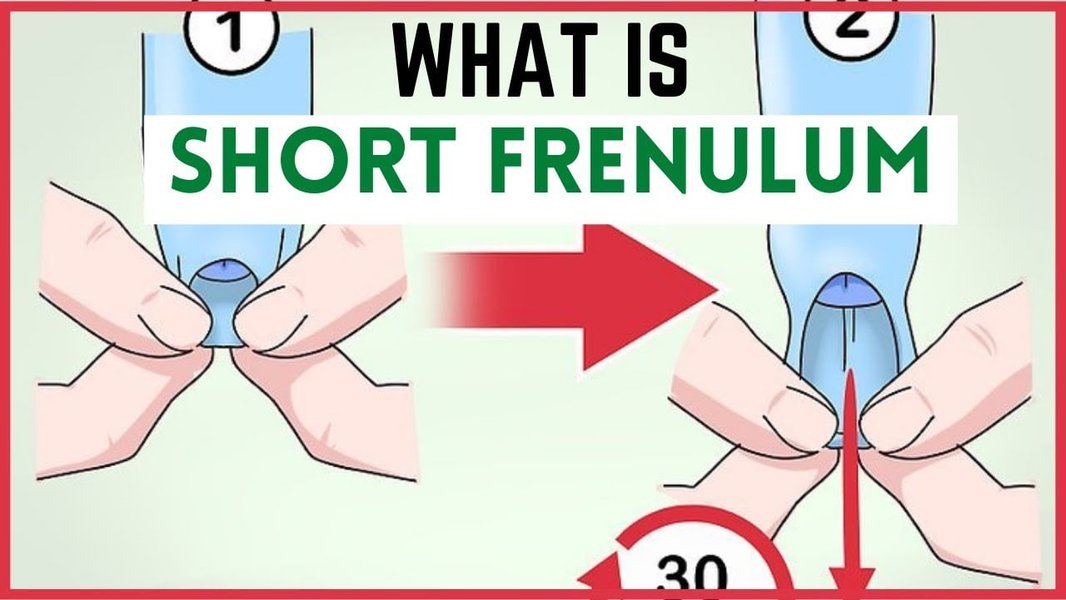
Anatomical view showing the location of the penile frenulum. Conditions like frenulum breve can cause discomfort.
When is Frenulum Surgery Typically Recommended?
A urologist will typically consider surgical intervention for the frenulum under specific circumstances:
- Frenulum Breve: This is a condition where the frenulum is unusually short or tight. It can restrict the movement of the foreskin, cause the penis to bend downwards during erection (chordee), and lead to pain or discomfort during sexual intercourse.
- Recurrent Tearing or Bleeding: A tight or fragile frenulum may tear during sexual activity or even with erections, leading to pain, bleeding, and potential scarring. Repeated episodes are a common reason for seeking treatment.
- Pain During Intercourse (Dyspareunia): Tension on a short or sensitive frenulum can cause significant pain, impacting sexual enjoyment and function.
- Difficulty with Foreskin Retraction: While phimosis (inability to retract the foreskin) is a separate condition, a tight frenulum can contribute to difficulties in fully retracting the foreskin.
The appearance of the skin being "see-through" when stretched might indicate that the frenulum is thin. However, this thinness is only clinically significant if it's associated with the symptoms mentioned above, such as increased susceptibility to tearing or pain.
Assessing "See-Through" or Fragile Penile Skin
Is Thin Skin Automatically Problematic?
Penile skin, including the frenulum, is naturally thinner than skin on many other parts of the body. For some individuals, this skin may appear more translucent, especially when stretched, without it indicating a pathological issue. However, if the skin's thinness contributes to its fragility, making it prone to injury, then it becomes a concern.
Potential Factors Contributing to Thin or Fragile Penile Skin:
- Natural Variation: Some men naturally have thinner penile skin.
- Aging: Skin can lose elasticity and thickness with age.
- Circulatory Issues: Conditions like diabetes or smoking can affect blood flow and skin health.
- Irritation and Friction: Chronic irritation from harsh soaps, tight clothing, or inadequate lubrication during sexual activity can affect skin integrity.
- Underlying Skin Conditions: Dermatological conditions like eczema, psoriasis, or lichen sclerosus (though less common on the frenulum itself, it can affect surrounding penile skin) can lead to skin thinning and fragility. Infections, such as yeast infections, can also compromise skin health.
Is "See-Through" Skin "Too Fragile to Leave"?
The simple answer is: not necessarily. If the skin appears thin or "see-through" but is not causing any symptoms such as pain, tearing, bleeding, or functional limitations, a urologist may not recommend any intervention. The decision to treat is almost always based on the presence of problematic symptoms rather than the cosmetic appearance of the skin.
However, if this thinness is associated with increased fragility leading to recurrent micro-tears, discomfort, or pain, then it becomes a clinical concern. Your urologist will evaluate whether this fragility is directly related to the frenulum's structure (e.g., it's too short and thus under tension) or an underlying skin issue.
Treatment Options for Frenulum-Related Issues
If the urologist determines that the frenulum is indeed the source of problems, several treatment options may be discussed.
Surgical Interventions
Frenuloplasty
Frenuloplasty is a surgical procedure designed to lengthen the frenulum. This is often preferred when the main issue is tightness causing pain or minor tearing, as it relieves tension while preserving most of the frenulum tissue. It typically involves making one or more small incisions in the frenulum, which are then sutured in a way that elongates the structure.
Frenulectomy (Frenectomy)
Frenulectomy involves the complete removal of the frenulum. This procedure is usually considered if the frenulum is severely problematic, causing significant pain, repeated tearing, or if frenuloplasty is deemed insufficient. It definitively resolves issues related to a short or tight frenulum.
This video discusses frenuloplasty, a common surgical procedure for addressing a tight frenulum or frenulum breve, explaining how it can alleviate discomfort and related issues.
Conservative Management and Non-Surgical Approaches
Before recommending surgery, or if symptoms are mild, a urologist might suggest conservative measures:
- Lubrication: Using ample water-based lubricant during sexual activity can reduce friction and prevent tearing, especially if the skin is delicate.
- Gentle Hygiene: Avoiding harsh soaps or chemicals that can irritate the skin. Using mild, pH-neutral cleansers is advisable.
- Topical Treatments: If there's an underlying skin condition like inflammation or infection, topical steroid creams or antifungal/antibacterial ointments may be prescribed.
- Stretching Exercises: In some cases of mild tightness, gentle stretching exercises for the foreskin and frenulum may be suggested, sometimes in conjunction with topical steroid creams to improve skin elasticity. However, this should only be done under medical guidance.
Decision-Making Factors for Frenulum Surgery
The decision to proceed with frenulum surgery is multifactorial. The following radar chart illustrates key considerations that a urologist and patient might weigh. The scores are representative and aim to show relative importance rather than absolute values, as each case is unique.
This chart visually represents how different factors contribute to the decision-making process. For instance, high pain severity and frequent tearing strongly suggest a need for intervention, while a good response to conservative treatments would lean away from surgery.
Navigating Your Consultation with a Urologist
If you are concerned about the appearance or feel of your frenulum or penile skin, consulting a urologist is the most important step. Be prepared to discuss:
- Your specific symptoms (pain, tearing, bleeding, discomfort during erections or intercourse, difficulty with hygiene).
- When these symptoms started and how frequently they occur.
- Any previous treatments or remedies you have tried.
- Your medical history, including any skin conditions or other relevant health issues.
The urologist will perform a physical examination to assess the frenulum, foreskin, and overall penile health. Based on their findings and your symptoms, they will discuss diagnosis and treatment options tailored to your specific situation.
The following mindmap outlines the general pathway a urologist might take when assessing frenulum-related concerns, from initial symptoms to potential treatment decisions.
Thin/See-Through/Fragile Frenulum Skin"] id1["Initial Urological Assessment"] id1a["Medical History Review
(Symptoms, Duration, Previous Issues)"] id1b["Physical Examination
(Frenulum length, Elasticity, Signs of trauma/inflammation)"] id2["Diagnostic Considerations"] id2a["Frenulum Breve (Short Frenulum)?"] id2a1["Symptoms:
Pain, Tearing, Bleeding, Chordee"] id2b["Isolated Skin Fragility/Thinness?"] id2b1["Symptoms:
Minor irritation, Occasional discomfort, No significant functional impairment"] id2c["Underlying Skin Condition?"] id2c1["E.g., Dermatitis, Lichen Sclerosus, Infection"] id3["Treatment Pathways"] id3a["Conservative Management (First-line for mild cases or isolated thinness without major symptoms)"] id3a1["Lubrication Advice"] id3a2["Hygiene Recommendations"] id3a3["Topical Steroids (if inflammation or to improve elasticity)"] id3a4["Stretching Exercises (cautiously, under guidance)"] id3b["Surgical Intervention (If conservative fails or symptoms are significant)"] id3b1["Frenuloplasty (Lengthening)"] id3b1a["Indication: Tightness, Minor tears, Pain relief desired"] id3b2["Frenulectomy (Removal)"] id3b2a["Indication: Severe/recurrent tearing, Significant pain, Failed frenuloplasty"] id3c["Treatment of Underlying Condition"] id3c1["Specific medication for dermatitis, infection, etc."] id4["Outcome Goals"] id4a["Symptom Relief (Pain, Tearing)"] id4b["Improved Sexual Function"] id4c["Enhanced Comfort and Quality of Life"]
This mindmap illustrates that the urologist's approach involves a comprehensive evaluation leading to a tailored management plan, which may or may not involve surgery for the frenulum itself.
Comparing Scenarios: When Might Frenulum Removal Be Discussed?
To further clarify, the table below outlines different scenarios related to penile skin appearance and symptoms, along with potential urological considerations. It's important to remember this is a general guide, and individual circumstances will vary.
| Scenario Description | Common Symptoms/Observations | Potential Urologist Assessment & Recommendation |
|---|---|---|
| Thin / "See-Through" Skin Alone | Skin appears translucent when stretched; no pain, tearing, bleeding, or functional issues. | Likely to be considered a normal variation. Observation or reassurance may be offered. Conservative advice on hygiene and lubrication if any minor sensitivity. Surgery (frenulectomy/frenuloplasty) generally not indicated based on appearance alone. |
| Thin Skin with Mild Discomfort or Irritation | Skin appears thin; occasional minor irritation or discomfort, especially with friction; no significant tearing or pain during intercourse. | May suggest conservative measures: enhanced lubrication, gentle hygiene, avoiding irritants. Topical treatments if mild inflammation. Surgery usually not the first option unless symptoms worsen or persist despite conservative care. |
| Frenulum Breve with Thin/Fragile Skin | Frenulum is visibly short or tight; skin (which may appear thin) tears easily during erections or intercourse; pain, bleeding. | High likelihood of recommending surgical intervention (frenuloplasty or frenulectomy) to relieve tension, prevent further tearing, and alleviate pain. The thin/fragile nature of the skin in this context supports the need for a procedure that reduces stress on the tissue. |
| Recurrent Frenulum Tearing (Skin may or may not appear "see-through") | Repeated episodes of the frenulum tearing or bleeding during sexual activity, regardless of perceived skin thickness. Pain is common. | Strong indication for frenuloplasty or frenulectomy to prevent ongoing trauma, pain, and potential scarring. The primary issue is the mechanical failure of the frenulum. |
| Underlying Skin Condition Affecting Frenulum Area | Redness, itching, discharge, plaques, or other visible skin changes along with fragility or thinness. Symptoms of pain or tearing may be present. | Focus on diagnosing and treating the specific skin condition first (e.g., with topical medications). Frenulum surgery might be considered later if structural issues (like frenulum breve) persist or contribute after the skin condition is managed. |
This table emphasizes that symptomatic issues, particularly those related to a short or dysfunctional frenulum, are more likely to lead to a discussion about surgical options than the mere appearance of thin skin.
Frequently Asked Questions (FAQ)
Is "see-through" penile skin a sign of a serious problem?
Not necessarily. Penile skin, especially on the frenulum, is naturally quite thin. If the skin appears translucent but you have no pain, tearing, bleeding, or functional issues, it's often just a normal variation. However, if it's accompanied by symptoms, it warrants a urological evaluation to rule out underlying issues or increased fragility contributing to problems.
What's the difference between frenulectomy and frenuloplasty?
Frenuloplasty is a procedure that surgically lengthens or repairs the frenulum. It aims to relieve tension and preserve the frenulum. Frenulectomy (or frenectomy) involves the complete removal of the frenulum. Your urologist will recommend the most appropriate procedure based on your specific condition and symptoms.
Can thin penile skin become thicker or stronger?
While you can't fundamentally change the natural thickness of your skin, you can improve its health and resilience. This includes proper hygiene with mild soaps, using moisturizers if the skin is dry (consult your doctor for appropriate products), avoiding irritants, and ensuring adequate lubrication during sexual activity. If an underlying condition like an infection or inflammation is causing thinning or fragility, treating that condition can improve skin health.
What are the risks associated with frenulum surgery?
Like any surgical procedure, frenuloplasty and frenulectomy carry some risks, though they are generally considered safe outpatient procedures. Potential risks include bleeding, infection, pain, swelling, scarring, and changes in sensation (which can be temporary or, rarely, permanent). Your urologist will discuss these risks with you in detail before you decide to proceed with surgery.
Recommended Further Exploration
To deepen your understanding, you might find these related queries helpful:
- What are the common symptoms of frenulum breve and how is it diagnosed?
- Compare frenuloplasty and frenulectomy procedures: benefits, risks, and recovery.
- How can I improve penile skin health and prevent fragility?
- What non-surgical options are available for managing a tight or sensitive frenulum?
References
Last updated May 15, 2025