
Unlocking Relief: Crafting an Effective Cream for Friction Dermatitis
A deep dive into the science and strategy behind formulating a specialized skin treatment for friction-induced irritation.
Friction dermatitis, commonly known as chafing or intertrigo, is an inflammatory skin condition resulting from the repeated rubbing of skin against skin, clothing, or other materials. This mechanical irritation is often exacerbated by factors like heat, moisture, and sweat, leading to symptoms such as redness, rashes, itching, burning, and in severe cases, broken skin or secondary infections. Developing an effective cream to treat friction dermatitis requires a multifaceted approach, targeting the root causes and symptoms to provide relief and promote healing.
Essential Insights: Key Takeaways for Cream Development
- Barrier Fortification is Paramount: The cream must create a robust protective layer to minimize direct friction and shield damaged skin from further irritation and external aggressors.
- Multi-Action Symptom Relief: Addressing inflammation, providing soothing hydration, and managing moisture are crucial for alleviating discomfort and supporting the skin's natural healing processes.
- Gentle Yet Effective Formulation: The cream should be free from harsh chemicals, fragrances, and common irritants, making it suitable for sensitive and compromised skin, while incorporating active ingredients that promote skin barrier repair.
Understanding the Challenge: The Nature of Friction Dermatitis
Friction dermatitis arises when the skin's surface is mechanically stressed. The constant rubbing wears down the stratum corneum, the outermost protective layer of the skin. This damage compromises the skin barrier, leading to increased transepidermal water loss (TEWL), inflammation, and susceptibility to irritants and microbes. Warm, moist environments, such as skin folds (e.g., groin, underarms, beneath breasts) or areas under tight clothing, create ideal conditions for friction dermatitis to develop and worsen.
The objectives for a therapeutic cream are therefore clear: protect the skin from further frictional damage, soothe existing irritation and inflammation, restore the compromised skin barrier, manage moisture levels, and prevent or address potential secondary infections by bacteria or fungi.
(Skin-on-skin, Skin-on-fabric)"] id1_1_2["Moisture & Sweat"] id1_1_3["Heat"] id1_2["Symptoms"] id1_2_1["Redness & Rash"] id1_2_2["Itching & Burning"] id1_2_3["Inflammation"] id1_2_4["Broken Skin (Severe Cases)"] id1_2_5["Potential Secondary Infection"] id2["Key Cream Objectives"] id2_1["Reduce Friction"] id2_2["Protect & Restore Skin Barrier"] id2_3["Soothe Inflammation & Irritation"] id2_4["Manage Moisture"] id2_5["Promote Healing"] id2_6["Prevent/Treat Secondary Infections"] id3["Core Ingredient Strategies"] id3_1["Barrier Agents & Lubricants"] id3_2["Emollients & Humectants"] id3_3["Anti-inflammatory Agents"] id3_4["Antimicrobial/Antifungal Agents"] id3_5["Skin Repair Components"] id4["Formulation & Safety Goals"] id4_1["Gentle & Hypoallergenic"] id4_2["Effective & Pleasant Texture"] id4_3["Stable & pH-Balanced"] id4_4["Clinically Tested"]
A mindmap illustrating the comprehensive considerations for developing a friction dermatitis cream.
Formulation Blueprint: Essential Ingredient Categories
A successful friction dermatitis cream will incorporate a synergistic blend of ingredients, each playing a specific role in addressing the condition's multifaceted nature. The formulation should prioritize ingredients that are well-tolerated, effective, and supported by dermatological evidence.
1. Barrier Protectants and Friction Reducers
These ingredients form a physical shield on the skin's surface, reducing the coefficient of friction and protecting against mechanical stress and moisture.
Key Ingredients:
- Zinc Oxide: A mineral-based agent renowned for its barrier-forming, skin-protecting, and mild astringent properties. It creates an effective shield against moisture and irritants, often found in concentrations of 10-40%.
- Petrolatum (Petroleum Jelly): A highly effective occlusive that forms a slippery, water-repellent film on the skin, significantly reducing friction and preventing moisture loss.
- Dimethicone: A silicone-based polymer that creates a smooth, breathable, and water-resistant barrier. It helps to reduce tackiness and improve the spreadability of the cream while protecting the skin.
2. Emollients and Humectants for Hydration and Soothing
Emollients soften and smooth the skin, while humectants attract and retain moisture, both crucial for maintaining skin integrity and flexibility, making it less prone to cracking and irritation.
Key Ingredients:
- Glycerin: A powerful humectant that draws moisture from the dermis and the environment into the epidermis, keeping the skin hydrated.
- Panthenol (Pro-vitamin B5): Known for its moisturizing, soothing, and healing properties. It helps improve skin hydration, elasticity, and smooth appearance, while also supporting barrier repair.
- Natural Oils and Butters (e.g., Shea Butter, Coconut Oil, Cocoa Butter): These provide emollience, creating a smooth surface, nourishing the skin with fatty acids, and helping to lock in moisture. Coconut oil also possesses some antimicrobial properties.
- Hyaluronic Acid: A potent humectant capable of holding significant amounts of water, contributing to skin hydration and plumpness.
3. Skin Barrier Repair Lipids
Restoring the integrity of the skin's lipid barrier is critical for recovery and long-term resilience.
Key Ingredients:
- Ceramides: These are naturally occurring lipids that are major components of the skin barrier. Topical ceramides (especially ceramide 3) help replenish the skin's natural barrier, reduce water loss, and protect against environmental aggressors. An optimal ratio with cholesterol and fatty acids (e.g., 3:1:1) is often cited for efficacy.
- Fatty Acids and Cholesterol: Essential components that work in conjunction with ceramides to rebuild and maintain a healthy stratum corneum.
4. Anti-inflammatory and Soothing Agents
These ingredients help to calm inflammation, reduce redness, and alleviate itching and burning sensations associated with friction dermatitis.
Key Ingredients:
- Aloe Vera: A well-known botanical extract with cooling, soothing, and anti-inflammatory properties.
- Allantoin: Promotes cell proliferation and wound healing, and has soothing and skin-protecting effects.
- Bisabolol or Calendula Extract: Natural compounds with recognized anti-inflammatory and calming effects on irritated skin.
- Low-Potency Corticosteroids (e.g., 0.5-1% Hydrocortisone): Can be considered for short-term use in more severe cases to quickly reduce inflammation and itching. However, their use should be judicious and ideally under medical guidance due to potential side effects with prolonged application. Many formulations aim to be steroid-free.
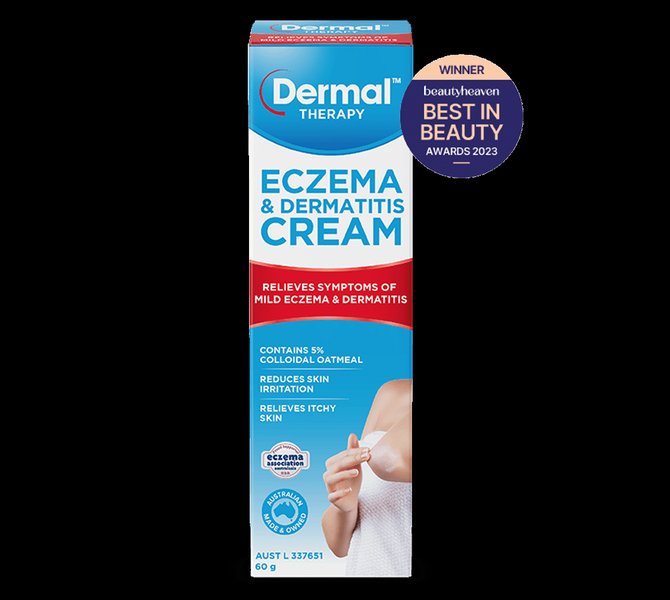
Example packaging of a cream designed for dermatitis, often incorporating soothing and barrier-repairing ingredients.
5. Antimicrobial and Antifungal Components (When Indicated)
Damaged skin is susceptible to secondary infections. In environments prone to fungal (e.g., Candida) or bacterial growth, mild antimicrobial or antifungal agents can be beneficial.
Key Ingredients:
- Clotrimazole or Miconazole: Antifungal agents effective against common yeast infections that can complicate intertrigo.
- Mild Antiseptics: Some formulations might include ingredients with broad-spectrum antimicrobial activity, though care must be taken to avoid further irritation. Natural ingredients like tea tree oil (diluted appropriately) are sometimes used for their antiseptic properties but require careful formulation due to potential sensitization.
6. Moisture Control Agents (Absorbents)
While hydration is important, excess moisture can exacerbate friction. Absorbent ingredients can help manage sweat and dampness in affected areas.
Key Ingredients:
- Cornstarch or Tapioca Starch: Natural powders that can absorb excess moisture.
- Kaolin Clay: A gentle clay that can absorb moisture and impurities without overly drying the skin.
Comparative Profile of Cream Properties
The radar chart below illustrates the desired functional profile of an ideal friction dermatitis cream compared to more basic topical products. The ideal cream aims for high performance across multiple parameters crucial for treating this condition.
This radar chart visually compares the functional attributes of an ideal friction dermatitis cream against simpler topical solutions, highlighting its comprehensive nature.
Formulation Strategy and Considerations
Beyond selecting the right ingredients, the overall formulation strategy is key to developing a successful cream.
Cream Base and Texture
- Emulsion Type: An oil-in-water (O/W) emulsion is often preferred for dermatological creams as it feels less greasy, spreads easily, and allows for the incorporation of both water-soluble and oil-soluble active ingredients. However, for intense barrier properties, a water-in-oil (W/O) emulsion or an ointment-like base might be considered, as these tend to be more occlusive and water-resistant.
- Consistency: The cream should be thick enough to adhere well to the skin, especially in skin folds, but not so heavy or sticky that it causes discomfort or poor compliance. It should absorb reasonably well.
- Tactile Properties: Aim for a non-greasy, non-sticky feel that reduces rather than increases the perception of friction upon application.
Safety and Stability
- Hypoallergenic and Non-Irritating: Crucially, the cream must be free from common allergens, fragrances, dyes, and harsh preservatives (like certain parabens or formaldehyde-releasers) that could further irritate compromised skin.
- pH-Balanced: The cream's pH should be close to the skin's natural pH (around 4.7-5.75) to support the skin barrier and acid mantle.
- Preservation: Adequate preservation is necessary to prevent microbial contamination, especially in water-containing formulations. Choose broad-spectrum, gentle preservatives.
- Stability Testing: The formulation must undergo stability testing (e.g., physical stability, chemical stability of actives, microbial robustness) under various conditions (temperature, light) to ensure shelf-life and consistent performance.
- Dermatological Testing: Patch testing on human volunteers, including those with sensitive skin, is essential to confirm low irritancy and allergenic potential.
Application and Usage Guidance
The product should come with clear instructions for users:
- Apply to clean, dry skin.
- Use as needed, especially before activities known to cause friction or after bathing.
- Pat skin dry gently rather than rubbing vigorously.
- Discontinue use if irritation worsens and consult a healthcare professional.
This video by Dr. Dray provides practical tips on preventing chafing, which complements the use of a therapeutic cream. Understanding preventative measures can enhance the overall management of friction dermatitis.
Summary Table of Key Ingredient Functions
The following table summarizes the primary roles of the different ingredient categories recommended for a friction dermatitis cream:
| Ingredient Category | Example Ingredients | Primary Purpose |
|---|---|---|
| Barrier Protectants / Friction Reducers | Zinc Oxide, Petrolatum, Dimethicone | Form a physical shield, reduce rubbing, protect from moisture and irritants. |
| Emollients & Humectants | Glycerin, Panthenol, Shea Butter, Hyaluronic Acid | Hydrate, soften, and smooth the skin; improve flexibility and reduce dryness. |
| Skin Barrier Repair Lipids | Ceramides, Fatty Acids, Cholesterol | Replenish essential skin lipids, restore barrier integrity, reduce water loss. |
| Anti-inflammatory & Soothing Agents | Aloe Vera, Allantoin, Bisabolol, Low-dose Hydrocortisone (optional) | Calm inflammation, reduce redness, alleviate itching and irritation. |
| Antimicrobial/Antifungal Agents | Clotrimazole, Miconazole, mild antiseptics | Help prevent or treat secondary bacterial or fungal infections in vulnerable skin. |
| Moisture Control Agents | Cornstarch, Kaolin Clay | Absorb excess moisture and sweat to keep the area drier. |
Frequently Asked Questions (FAQ)
What is the primary goal of a friction dermatitis cream?
The primary goal is to protect the skin from further frictional damage, reduce inflammation and irritation, restore the skin's natural barrier function, manage moisture, and promote healing. It aims to alleviate symptoms like redness, itching, and soreness caused by chafing.
Should a cream for friction dermatitis be fragrance-free?
Yes, it is highly recommended. Fragrances are common sensitizers and can further irritate skin that is already compromised by friction dermatitis. A hypoallergenic, fragrance-free formulation is generally safer and better tolerated.
Can natural ingredients be effective in treating friction dermatitis?
Yes, several natural ingredients can be beneficial. For example, aloe vera for soothing, shea butter or coconut oil for emollience and barrier support, and allantoin (often plant-derived) for healing. However, it's important to ensure they are used in appropriate concentrations and that the overall formulation is stable and non-irritating.
How often should a friction dermatitis cream be applied?
Application frequency can vary depending on severity and activity levels. Generally, it can be applied to clean, dry skin two to three times a day, or as needed. It's particularly beneficial to apply it before activities that are likely to cause friction (e.g., exercise) and after bathing.
Recommended Further Exploration
- What are the differences between oil-in-water and water-in-oil emulsions for topical skin products?
- How do ceramides contribute to skin barrier repair in dermatitis treatments?
- What are the regulatory considerations for developing and marketing a therapeutic skin cream?
- Explore the role of pH in topical formulations and its impact on skin health.
References

Last updated May 19, 2025