
Frozen Section Analysis of Ovarian Masses
Intraoperative Evaluation and Histopathology Correlation Overview
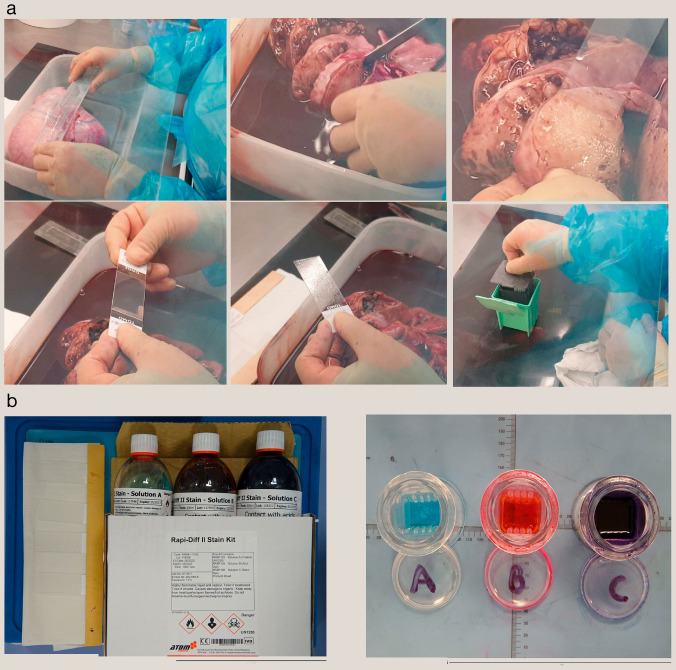
Key Highlights
- High Overall Accuracy: Studies consistently report overall accuracy rates generally above 90% in differentiating benign, borderline, and malignant ovarian lesions.
- Clinical Utility: The rapid intraoperative diagnosis aids surgeons in making critical decisions regarding the extent of surgery, including fertility preservation and complete resection for malignancies.
- Challenges in Specific Tumors: Mucinous and borderline tumors present diagnostic challenges due to their heterogeneity and complex morphology, necessitating experienced pathologists.
Introduction
Frozen section analysis is a vital intraoperative diagnostic tool used in the evaluation of ovarian masses. This technique enables pathologists to offer a rapid preliminary diagnosis by examining a tissue sample that has been quickly frozen and sectioned.
The primary goal of frozen section diagnosis is to provide surgeons with critical information during the procedure so that decisions regarding the appropriate extent of surgery can be made. Such information may determine whether fertility-sparing surgery is possible or if a more radical surgery is needed, particularly when malignancy is suspected. Ultimately, the intraoperative findings can influence patient outcomes, making this diagnostic method a cornerstone in the management of ovarian tumors.
Methodology of Frozen Section Analysis
Procedure Overview
Frozen section analysis involves rapidly freezing a portion of the excised ovarian mass, followed by cutting thin slices of the tissue. These sections are then stained and examined under a microscope. The procedure typically entails the following steps:
Tissue Freezing and Sectioning
The tissue sample is frozen using a cryostat. This rapid freezing process prevents the formation of ice crystals that could damage cellular structures. Once frozen, the tissue is finely sectioned, and the slices are subjected to staining (commonly with hematoxylin and eosin) to allow for microscopic evaluation.
Intraoperative Diagnosis
An experienced pathologist examines the stained sections to provide an initial diagnosis. Based on the microscopic features, the ovarian mass is classified into one of the following categories:
- Benign
- Borderline
- Malignant
The frozen section's diagnosis is later compared with the final histopathological interpretation, which serves as the definitive diagnosis.
Correlation with Histopathological Finding
Overall Diagnostic Accuracy
Multiple studies assessing frozen section analysis of ovarian masses have demonstrated high overall diagnostic accuracy, frequently ranging between 90% and 97%. The results are typically compared with the final histopathological diagnosis – the gold standard – to compute accuracy, sensitivity, and specificity.
Accuracy and Sensitivity Metrics
The effectiveness of frozen section analysis is measured by its accuracy in classifying ovarian tumors. For benign ovarian lesions, studies have reported sensitivities as high as 99% or more, depicting its reliability. In contrast, borderline tumors, due to their complex features, sometimes exhibit a lower sensitivity, with rates varying around 60% to 88%. Malignant tumors have shown sensitivities in the range of 82% to 92%. This differentiation is critical for appropriate intraoperative surgical planning.
| Tumor Type | Accuracy (%) | Sensitivity (%) | Key Considerations |
|---|---|---|---|
| Benign | >90% | ~99% | Highly reliable; influences conservative management decisions. |
| Borderline | ~90% | 60 - 88% | Challenging diagnosis due to complex morphology. |
| Malignant | >90% | 83 - 92% | Critical for determining aggressive surgical management and staging. |
Diagnostic Concordance and Challenges
Borderline and Mucinous Tumors
Although frozen section analysis is highly effective for most ovarian lesions, certain tumor types, especially borderline and mucinous tumors, present significant challenges. Borderline tumors can exhibit ambiguous features making it difficult to distinguish them from benign lesions. Mucinous tumors are known for their heterogeneous structure, often showing variability in different parts of the tumor, which may lead to discordance between the frozen section diagnosis and the final histopathology.
Ensuring Diagnostic Accuracy
The challenges associated with the intraoperative evaluation of ovarian masses underline the importance of experience and systematic approaches. Inconsistencies in diagnosis can be minimized by taking multiple representative samples from various areas of the mass. Additionally, continuous training and close collaboration between pathologists and surgeons are vital for ensuring that the frozen section analysis translates into the best surgical strategy for the patient.
Clinical Implications and Decision-Making
Impact on Surgical Management
Frozen section analysis plays a decisive role in guiding surgical procedures. When the preliminary diagnosis confirms a benign lesion, surgeons may opt for conservative approaches that spare fertility, particularly in younger patients. Conversely, a malignant diagnosis necessitates more extensive surgical protocols, including complete resection and staging procedures.
Fertility Preservation Versus Radical Surgery
For women of reproductive age, preserving fertility is often a priority. A benign diagnosis usually leads to a limited surgical excision to minimize the impact on reproductive organs. However, the intraoperative discovery of a malignant tumor might result in a radical procedure to ensure complete tumor removal and reduce the risk of metastasis. Thus, the prompt and accurate results from the frozen section analysis are critical in balancing the desire for fertility preservation with the necessity for oncological safety.
Role in Intraoperative Surgical Decisions
The real-time data provided by frozen section analysis informs several intraoperative decisions:
- Extent of Surgery: Based on the rapid diagnosis, surgeons determine whether to perform an extensive resection or adopt a conservative approach.
- Surgical Staging: In cases of suspected malignancy, comprehensive surgical staging may be indicated to assess lymph node involvement and spread to surrounding tissues.
- Fertility Preservation: For younger patients, the results may support less radical surgery, promoting fertility preservation.
Decisions made intraoperatively rely heavily on the accuracy of the frozen section. Consequently, the consultation between pathologists and surgeons is of utmost importance to improve patient outcomes.
Correlation Between Frozen Section and Final Histopathology
Comparative Study Insights
Numerous retrospective and prospective studies have evaluated the correlation between frozen section results and the standard final histopathological findings. In general, these studies have demonstrated that the diagnostic concordance is high, with overall accuracy rates reflecting robust sensitivity for benign lesions, while slightly lower but still acceptable rates are observed for borderline and malignant tumors.
Statistical Validation
The correlation is typically quantified by comparing the intraoperative diagnosis with the final histopathological report. Surgeons and pathologists focus on achieving high sensitivity (the ability to correctly identify true positives) and specificity (the ability to correctly identify true negatives). In many studies, the sensitivity for benign lesions is near-perfect, while borderline and malignant lesions often demonstrate slight diagnostic variance due to sampling error and tumor heterogeneity.
Examples of Diagnostic Performance
For instance, several studies have documented overall frozen section accuracy rates above 90%. In one case series, an overall concordance of approximately 91.85% was recorded, with remarkable sensitivity figures for benign lesions reaching nearly 99%. Malignant lesions had sensitivity figures in the range of 82.95% to 92%, while borderline tumors presented more variability, with sensitivity sometimes dropping around 60% in certain analyses.
Challenges and Recommendations for Practice
Addressing Diagnostic Challenges
Although the frozen section method is reliable, it is not without limitations. The diagnostic challenge, particularly with borderline and mucinous tumors, can lead to potential misclassification. It is recommended that multiple sections be taken from different areas of the tumor, especially when the mass displays heterogeneity. This step helps mitigate the risk of sampling error.
Continuous Training and Quality Improvement
To enhance the diagnostic performance of frozen section analyses, ongoing education and training programs for pathologists are vital. Regular multidisciplinary meetings, where surgeons and pathologists review discordant cases, are beneficial in evolving the diagnostic criteria and techniques. Implementing a systematic approach to quality assurance can further refine the accuracy of intraoperative diagnostics.
Future Perspectives
Future advancements in diagnostic technologies, including molecular markers and improved imaging techniques, may further enhance the accuracy and reliability of frozen section analyses. Integrating these advances with traditional techniques might help in better categorizing ambiguous cases, especially borderline tumors, thereby contributing to improved patient management.
Clinical Relevance and Impact on Patient Management
Personalized Surgical Approaches
The correlation between frozen section diagnosis and final histopathology has significant implications for personalized patient care. Intraoperative findings assist surgeons in tailoring the surgical procedure to the individual patient’s needs. For example, in a young patient with a benign ovarian tumor, the intraoperative frozen section may support a conservative, fertility-preserving surgery. Conversely, a malignant diagnosis would prompt comprehensive oncologic surgery, reducing the risk of recurrence and spread.
Advantages of Timely Diagnosis
Achieving an accurate and timely diagnosis during surgery offers several advantages:
- Reduced Operative Time: Quick diagnostic turnaround decreases the overall duration of surgery.
- Lower Morbidity: Accurate diagnosis helps avoid unnecessary extensive surgeries in benign cases.
- Improved Outcomes: The ability to make informed surgical decisions significantly impacts the prognosis and overall management of ovarian tumors.
Summary of Key Findings in Frozen Section Analysis
Key Metrics and Clinical Outcomes
In summary, frozen section analysis of ovarian masses is a highly valuable intraoperative tool with the following characteristics:
- Overall accuracy rates typically above 90%.
- Exceptional sensitivity for benign lesions, often close to 99%.
- Diagnostic challenges in borderline and mucinous tumors due to their heterogeneity.
- Direct impact on surgical decision-making, particularly regarding fertility preservation and extent of resection.
The strong correlation between frozen section diagnoses and final histopathological results underscores its importance in guiding intraoperative management. Despite the challenges in specific tumor subtypes, the benefits of rapid evaluation and immediate surgical guidance continue to make this technique indispensable in modern gynecologic oncology.
References
-
PMC Article - National Center for Biotechnology Information
- PubMed - National Library of Medicine
-
ScienceDirect - Elsevier
- PubMed - Histopathological Evaluation
- Taylor & Francis Online - Ovarian Cancer Research
Recommended Searches
Last updated March 4, 2025