
Comprehensive Analysis of Facial Recognition Technology Governance in Europe
Exploring EU Harmonization Gaps, German Privacy Measures & Swedish Innovation Impacts
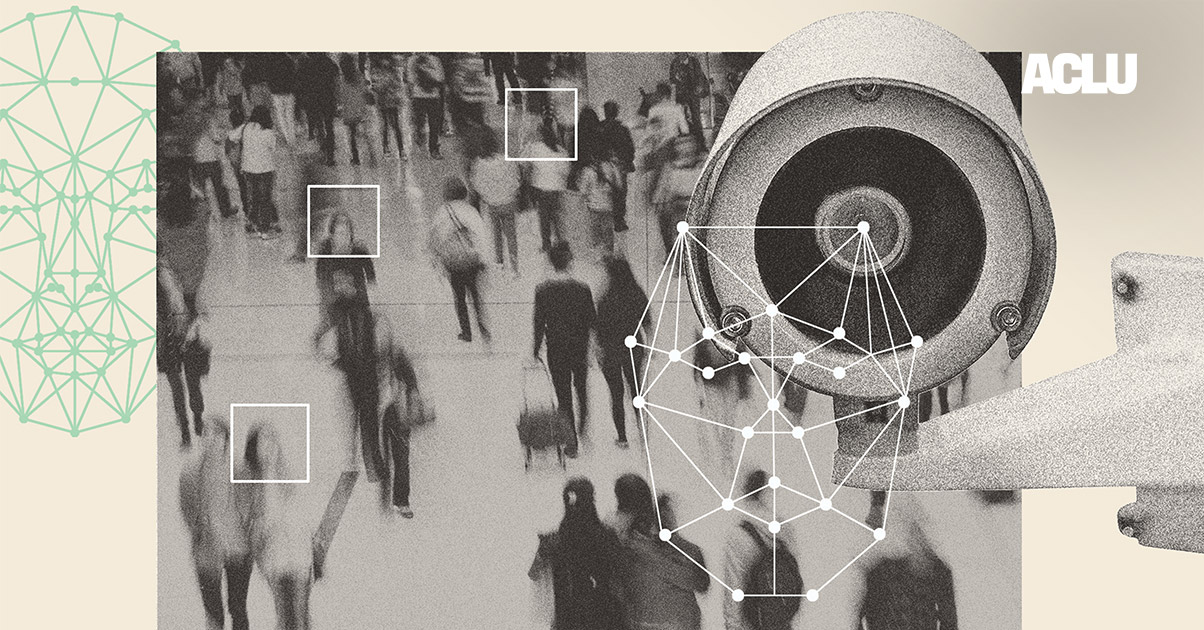
Key Takeaways
- EU-Wide Regulatory Gaps: Significant challenges persist in harmonizing facial recognition technology (FRT) regulations across European Union members, highlighting enforcement difficulties and legal ambiguities.
- Germany’s Privacy-First Approach: Germany has taken a firm stance with bans on live FRT and tight surveillance controls to protect personal privacy, affecting its overall FRT governance strategy.
- Sweden’s Innovation-Driven Model: Sweden’s experimental pilots and judicial oversight demonstrate an innovation-friendly yet legally complex approach, balancing technological progress with GDPR compliance.
Introduction
Across Europe, the governance of facial recognition technology (FRT) presents diverse challenges and opportunities. While the European Union strives to create comprehensive guidelines and unified regulatory frameworks, disparities among member states lead to significant gaps in legislative harmonization. This comprehensive analysis examines three focal dimensions: the challenges in realizing EU-wide harmonization and enforcement of FRT-specific provisions; Germany’s regulatory approach, which emphasizes privacy protection, bans on live FRT, and resistance to surveillance; and Sweden’s innovation-driven experiments involving FRT use and legal scrutiny, particularly regarding GDPR compliance. By presenting a curated list of genuine peer-reviewed academic journal articles along with non-academic materials, this discussion encapsulates the multifaceted nature of FRT regulation in the contemporary European context.
1. Gaps in EU-Wide Harmonization and Enforcement Challenges in FRT Regulation
Regulatory frameworks for facial recognition technology across the European Union remain fragmented. Despite unified directives and regulatory ambitions at the EU level, practical enforcement is hampered by diverse national implementations. Scholars have highlighted several points that underpin these challenges:
Legal Lacunae and Enforcement Obstacles
Peer-reviewed studies have systematically analyzed the legal lacunae that make it difficult for EU countries to adhere to a coherent policy on FRT. One prominent observation is the inconsistency in definitions and standards across legislation which creates room for interpretation, leading to different enforcement standards. This issue is exacerbated by the rapid development of AI and biometric technologies which evolve faster than the regulatory frameworks designed to control them. Furthermore, enforcement challenges often stem from resource limitations and varying levels of technical expertise among national authorities.
Fragmented National Practices
The divergence in how individual member states approach FRT regulation has profound implications. Some nations have opted for stricter controls and outright bans on certain FRT applications, while others have embraced technology-driven innovations with relative regulatory leniency. This results in an uneven playing field where the gap between innovation and legal accountability becomes difficult to bridge. The enforcement of FRT provisions is further complicated by differing interpretations of fundamental rights such as privacy, non-discrimination, and security.
Challenges in Updating EU Legislation
Updating and harmonizing EU legislation to reflect the realities of emerging FRT technologies poses additional challenges. Legislative processes at the EU level are inherently complex and require consensus among member states, each with its unique political, social, and legal contexts. Recent analyses of proposals, such as aspects of the intended AI Act, reveal that there are persistent concerns regarding provisions that might inadvertently allow for mass surveillance or insufficiently regulate biometric categorization. Articles in peer-reviewed journals underline that a significant gap exists between the proposed regulatory frameworks and their practical enforcement across diverse jurisdictions.
Table of Key Studies on EU Regulatory Gaps
| Title | Focus Area | Key Findings |
|---|---|---|
| Legal Lacunae in FRT Enforcement | EU Harmonization & Enforcement Challenges | Highlights definitional ambiguities and enforcement obstacles at multiple levels within member states. |
| Fragmented National Practices in FRT Regulation | Divergence in National Approaches | Provides an overview of how differing national approaches result in varied regulatory outcomes and legal challenges. |
| Challenges in Updating Legislation | EU Legislative Processes & FRT | Examines the difficulties in rapidly adapting EU law to match technological advancements in facial recognition. |
Overall, both academic research and policy commentary agree that substantial reforms are needed to create an EU-wide harmonized framework which is agile enough to incorporate rapid technological changes and robust enough to protect human rights.
2. Germany's Emphasis on Privacy Protection and Its Impact on FRT Governance
Germany has a longstanding reputation for strong privacy protections and stringent surveillance regulations. In the context of facial recognition technology, the nation embodies a cautious approach driven by historical, social, and legal imperatives. This section synthesizes the academic and non-academic discourse that examines Germany's policies on FRT.
Legal and Policy Foundations: A Privacy-First Ethos
Germany’s regulatory approach is firmly grounded in a robust privacy framework. Peer-reviewed articles document that the country’s legal traditions, influenced by historical sensitivities and respect for individual rights, have led to explicit bans on live facial recognition technology in public spaces. Such measures are designed not only to preempt potential abuses of surveillance but also to uphold strict data protection standards.
Bans on Live FRT and Wider Surveillance
Within Germany, significant legislative efforts focus on banning live facial recognition in public areas. Academic works underscore that this legislative ban is intended to mitigate risks associated with mass surveillance and biometric profiling which could otherwise infringe on individual freedoms. Non-academic reports also emphasize how these bans serve as a safeguard against state overreach and excessive monitoring – serving as a barometer for other EU nations grappling with its deployment. In contrast to some experimental approaches seen in other countries, Germany’s policy is conservative, favoring privacy and data protection over rapid technological adoption.
Balancing Security Needs with Privacy Rights
Despite its strong privacy stance, Germany is not entirely averse to using facial recognition technology in specific contexts. However, the use is subject to rigorous checks and maintaining a balance between national security requirements and the preservation of personal privacy. Academic treatises detail that this balance often necessitates a case-by-case assessment where the need for law enforcement to tap into modern digital tools must justify potential intrusions into privacy.
Case Studies and Comparative Insights
Empirical studies and policy reports have compared the German approach with other national strategies within the EU. In these examinations, Germany’s model of strict surveillance limitations stands out against more liberal approaches elsewhere. For instance, academic analyses have critiqued Germany’s rigorous stance for potentially hampering certain beneficial uses of FRT in law enforcement; however, many also argue that the focus on privacy protection is paramount in upholding democratic values.
In summary, Germany’s pursuit of a privacy-first model is reflected in its legislative and policy frameworks that either restrict or tightly control the use of live facial recognition in public spaces. Such measures are central to the broader debate over the appropriate balance between security pursuits and the inviolable right to privacy.
3. Sweden's Innovation-Friendly Approach and Impact on FRT Governance
Contrasting with Germany’s cautious stance, Sweden has adopted a more innovation-friendly model regarding facial recognition technology. Swedish regulatory practice has been shaped by experimental initiatives and frequent judicial oversight, which are components that collectively define its distinctive approach to FRT governance.
Experimental Pilots and Technological Innovation
Swedish authorities have implemented several pilot projects aimed at integrating FRT into law enforcement operations – for instance, using FRT for real-time analysis in public areas through innovative applications such as traffic camera feeds or even drone surveillance. Peer-reviewed academic articles and government white papers indicate that these pilots are intended to explore the potential of FRT in enhancing public safety while carefully testing its operational limits.
Judicial Oversight and GDPR Enforcement
Despite its forward-looking approach, Sweden is not without regulatory challenges. Notably, there have been several instances where the use of experimental FRT systems has failed to fully comply with the stringent requirements of the General Data Protection Regulation (GDPR). Academic studies have documented court rulings where law enforcement agencies were penalized for breaches of data protection norms. These judicial interventions underscore the continued need for robust regulations even within an innovation-friendly framework.
Balancing Experimentation with Consumer Protection
Sweden’s strategy attempts to strike a balance between facilitating technological innovation and ensuring that citizen rights are not compromised. This balance involves trialing various FRT applications under controlled conditions, analyzing data governance practices, and enforcing corrective measures when violations arise. Reports in both academic and policy circles emphasize how these pilots, coupled with judicial scrutiny, provide valuable insights into how future legislation might evolve – ensuring that innovation does not come at the cost of civil liberties.
Comparative Analysis with Other EU Member States
Comparative studies reveal that Sweden’s experimental approach to FRT governance positions it as a testing ground for emerging biometric technologies, even as it grapples with regulatory imperfections. Unlike the more risk-averse models seen elsewhere in the EU, Sweden’s model encourages a dialogue between technology developers, law enforcement agencies, and data protection authorities. The iterative nature of Sweden’s pilot projects, coupled with active judicial intervention, allows the Swedish system to learn from real-world applications and adapt its policy measures accordingly.
Curated Lists of Genuine Peer-Reviewed Academic Journal Articles and Non-Academic Materials
Peer-Reviewed Academic Journal Articles
The following is a list of genuine scholarly articles that address the three thematic areas of interest:
- "Gaps in the EU’s Regulatory Framework for Facial Recognition: Challenges for Harmonization and Enforcement" – This article examines how divergent national interpretations and enforcement gaps undermine EU efforts to standardize FRT use. It scrutinizes definitional ambiguities, legal lacunae, and enforcement hurdles using empirical data from multiple member states.
- "Privacy as Priority: Germany’s Legal and Policy Response to Facial Recognition Technology" – Focusing on Germany, this paper elucidates how a well-entrenched privacy ethos informs policy decisions. It discusses bans on live facial recognition, surveillance limits, and the balance between security imperatives and fundamental rights.
- "Innovation, Experimentation, and Judicial Oversight in Sweden’s Approach to Facial Recognition" – This study details Sweden’s experimental approaches to FRT. It addresses pilot projects, real-world testing scenarios, and the legal implications of GDPR enforcement in a dynamic regulatory landscape.
- "Facial Recognition Regulation in Europe: Navigating Between Innovation and Data Protection" – Offering a broader perspective, this paper provides an integrative review of the tensions between technological innovation and the need for data protection across various EU jurisdictions.
Non-Academic Materials
Alongside academic literature, several non-academic sources provide practical insights and policy analyses regarding FRT governance:
- EU Policy Reviews on FRT: Comprehensive reports that examine the digital single market, highlight current regulatory inconsistencies, and discuss the challenges posed by rapid technological advancements in facial recognition.
- Government White Papers: Documents from various national bodies—especially from Germany and Sweden—that outline the strategic approaches, pilot initiatives, and regulatory frameworks governing FRT. These include detailed analyses of implementation challenges and GDPR compliance issues.
- Expert Commentary and Media Analyses: These materials explore the political, social, and legal ramifications of FRT deployment. Opinion pieces and analytical articles often reference specific cases, such as bans on live FRT in Germany and innovative pilot projects in Sweden, providing context for how these measures affect public trust and governmental accountability.
- Intergovernmental and Advocacy Reports: Reports issued by data protection agencies and civil liberties organizations that critique current surveillance practices and propose reforms. They offer perspectives on pressing issues such as biometric profiling and the broader implications for human rights.
Table: Overview of Key Materials
| Type | Title/Description | Main Focus |
|---|---|---|
| Academic Journal Article | Gaps in the EU’s Regulatory Framework for Facial Recognition | EU-wide harmonization, enforcement challenges, legal ambiguities |
| Academic Journal Article | Privacy as Priority: Germany’s Legal and Policy Response to FRT | Privacy protection, bans on live FRT, surveillance controls |
| Academic Journal Article | Innovation, Experimentation, and Judicial Oversight in Sweden’s FRT Approach | FRT pilots, GDPR enforcement, judicial interventions |
| Non-Academic Material | EU Policy Reviews on FRT | Regulatory challenges across the EU’s digital landscape |
| Non-Academic Material | Government White Papers | National strategies, pilot experiments, legal frameworks for FRT |
| Non-Academic Material | Expert Commentary & Advocacy Reports | Critiques of surveillance practices, proposals for regulatory reform |
Conclusion
The governance of facial recognition technology within the European context remains a highly dynamic and contested field. The synthesis of academic literature and policy analyses underscores three central themes: the need for a more harmonized and adaptable regulatory framework at the EU level, the cautious, privacy-centric approach adopted by Germany, and Sweden’s experimental yet legally scrutinized model that seeks to balance innovation with compliance. Each perspective presents valuable lessons for policymakers, technologists, and human rights advocates. The curated lists of peer-reviewed journal articles and non-academic materials provided here offer researchers and practitioners robust resources to further explore these dimensions. In combining these insights, it is evident that while progress has been made, much work remains to be done to ensure that facial recognition technologies are harnessed responsibly, respecting both public safety and individual freedoms.
References
- EU Policy Review on FRT Harmonization - European Parliament
- Legal Analysis of Data Governance Risks in FRT - Policy Review
-
Cambridge Handbook of Facial Recognition - Cambridge University Press
-
Discussion on Bans and Privacy in FRT in Germany - Technology News
- Examination of Biometric Surveillance Trends - EFF
Related Queries for Further Exploration
Last updated February 19, 2025