
The Role of Natural and Preserved Foods in Fruit Fly Development
Exploring Nutritional Impacts on Drosophila Growth and Health
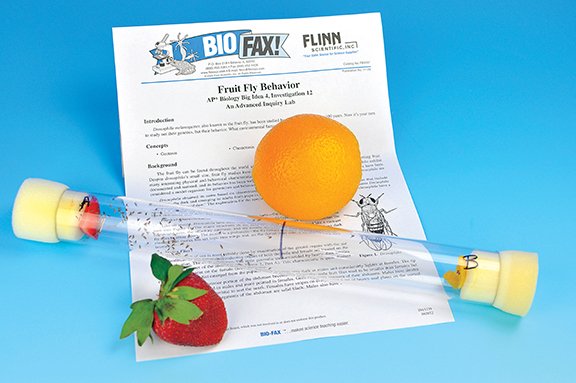
Key Highlights
- Balanced Nutrient Composition: The interplay of proteins, carbohydrates, and other nutrients significantly impacts fruit fly growth.
- Organic Versus Conventional Sources: Organic diets tend to promote enhanced fertility, longevity, and overall health in fruit flies.
- Textural and Processing Effects: Natural food textures and proper moisture content encourage optimal larval feeding behavior and nutrient uptake.
Introduction to Fruit Fly Nutrition
Understanding how food affects the growth and development of fruit flies (Drosophila melanogaster) is essential for both basic biological research and practical applications in genetics, developmental biology, and aging studies. Fruit flies serve as a model organism due to their rapid life cycle, manageable size, and well-characterized genetics. Central to their development is the quality of nutrients they receive, particularly during the larval stage, where the foundation of adult fitness is established.
Nutrient Composition and Its Impact
The nutrient composition of a fruit fly’s diet is one of the most critical factors that determine its growth rate, survival, and reproductive capacity. Different food sources offer various proportions of proteins, carbohydrates, and other micronutrients which directly impact developmental processes.
Proteins and Yeast
Protein, often sourced from yeast in laboratory diets, is essential for larval development. Yeast protein contributes to cellular processes that foster tissue growth and the progression through larval stages to successful pupation. A diet rich in yeast is correlated with faster developmental rates and healthier adult flies.
Carbohydrates and Energy Provision
Carbohydrates, such as sucrose found naturally in fruits like bananas and other sources, provide the energy required for rapid larval growth. The readily accessible energy allows larvae to handle the high metabolic demands during development. Research indicates that diets enriched with sucrose enable faster development, allowing larvae to thrive even when other nutritional variables are controlled.
Role of Vitamins and Micronutrients
Although energy and protein are vital, vitamins and micronutrients, often naturally occurring in organic food sources, contribute to the regulatory systems that manage development and stress resistance. These micronutrients can influence gene expression related to metabolism and overall health, further underscoring the importance of a balanced diet.
Comparison Between Natural and Preserved Foods
Natural Food Sources
Natural food sources such as fresh fruits and vegetables provide a wide array of nutrients in their natural proportions. In the wild, fruit flies encounter rotting fruits that offer a complex mix of carbohydrates, proteins, and other essential micronutrients. These foods are not only nutritionally complete but also come with an ideal texture and moisture content that aids in feeding efficiency.
Nutrient Synergy in Natural Foods
A key advantage of natural food sources is the presence of nutrient synergy. This means that the vitamins, minerals, and bioactive compounds present in natural produce work together to boost the immune system, promote robust metabolic health, and support the stress response in fruit flies. Moreover, organically grown foods have been noted to sometimes have higher levels of beneficial compounds, contributing to increased fertility and longevity.
Influence on Feeding Behavior
The textural quality and moisture content of natural foods are additional factors that encourage optimal feeding behavior. Fruit flies are capable of discerning the textures and moisture levels of their potential food sources. For example, overripe or decaying fruits offer the ideal balance that attracts larvae, ensuring that they consume food that is both palatable and nutritionally adequate. This behavior ensures that they take in the nutrients required for proper development.
Preserved Food Sources
In controlled laboratory environments, preserved foods are often used as a substitute for natural diets. These preserved options may include processed foods that have been sterilized or preserved to prevent spoilage. While these diets provide some essential nutrients, they sometimes lack the complete nutritional profile found in natural or organic sources.
Nutritional Limitations
Preserved foods can be characterized by their limited nutrient balance. While they might supply enough carbohydrates to boost energy, they are often deficient in proteins and micronutrients necessary for complete development. A diet that is heavily skewed in one macronutrient, such as high-carbohydrate diets without adequate protein, might lead to rapid initial development but can later cause issues with longevity and reproductive capacity.
Potential for Metabolic Reprogramming
There is evidence that diets composed primarily of preserved food sources might not support the complex metabolic needs of fruit flies. In some studies, such diets have been linked to metabolic reprogramming where changes in energy storage and nutrient metabolism occur. This metabolic shift can be associated with early onset of stress responses and even reduced overall lifespan, despite an apparent rapid early development.
Mechanisms of Dietary Impact on Growth and Development
The relationship between diet and growth in fruit flies is complex, reflecting an interplay of several biological mechanisms. Here we explore how different dietary components influence developmental stages from larval growth to eventual adult fitness.
Larval Stage and Nutrient Absorption
During the larval stage, fruit flies experience exponential growth, which makes efficient nutrient absorption critical. Studies have shown that the larval stage is highly sensitive to the quality of food consumed. The larvae are not only processing food to fuel rapid tissue development, but they are also dynamically responding to the variation in nutrient composition. For instance, the presence of protein from yeast supports cellular differentiation and organ formation, while carbohydrates ensure energy homeostasis during this phase.
Nutrient Sensing and Rapid Response
Fruit fly larvae have evolved a sophisticated nutrient sensing mechanism that helps them detect deficiencies in their diet. They are able to actively seek out specific nutrients required for healthy development. Laboratory studies have illustrated that when larvae are provided with a diet rich in sucrose, they tend to develop at a faster rate than their counterparts fed on high-protein diets but low in carbohydrates. This rapid response suggests an evolutionary adaptation aimed at maximizing survival in nutrient-variable environments.
Influence on Metabolic Pathways
The intake of various nutrients activates specific metabolic and signaling pathways that regulate growth. For example, insulin-related gene expression can be modulated by dietary composition, ultimately influencing how the energy is allocated between growth, maintenance, and reproduction. A nutrient-rich diet induces metabolic pathways that support robust growth, while imbalanced diets might lead to metabolic stress and suboptimal development outcomes.
Pupal and Adult Stage Transitions
As fruit flies transition from the larval to the pupal stage and finally to adulthood, the nutritional environment continues to play an influential role. The energy reserves accumulated during the larval phase are critical for the metamorphosis process. Additionally, developmental cues that are dependent on nutrient availability can affect the timing and success of pupation, potentially impacting adult size, fertility, and lifespan.
Reserve Building and Energy Utilization
Adequate nutrient intake during the larval stage ensures that sufficient energy reserves are available for the pupal stage. If the diet lacks essential nutrients, the pupae may not have adequate stores to fuel the transformative processes that occur during metamorphosis, often resulting in smaller or less viable adult flies.
Impacts on Reproductive Outcomes
Diets that promote healthy larval development also tend to enhance reproductive outcomes in adult fruit flies. Research indicates that females raised on balanced, nutrient-dense diets produce more eggs and exhibit higher fertility rates. This direct correlation between larval nutrition and reproductive capacity underscores the long-term benefits of proper dietary composition.
Comparative Nutritional Analysis Table
The following table outlines a comprehensive comparison between natural and preserved food sources and their respective impacts on various aspects of fruit fly development:
| Aspect | Natural Food | Preserved Food |
|---|---|---|
| Nutrient Composition | Balanced mix of proteins, carbohydrates, vitamins, and micronutrients naturally occurring in fruits and vegetables. | Often lacks balanced nutrition, potentially deficient in proteins and essential micronutrients. |
| Moisture and Texture | Optimal moisture content and texture enhance feeding behavior and nutrient absorption. | May have altered textures, potentially reducing feeding efficiency and nutrient uptake. |
| Metabolic Impact | Promotes natural metabolic processes and efficient energy utilization supporting robust growth. | Can lead to metabolic reprogramming and imbalances, affecting longevity and reproduction. |
| Overall Health and Longevity | Typically linked with increased stress resistance, higher fertility, and longer adult lifespan, especially with organic sources. | May result in stunted growth or reduced overall health if used as a sole food source. |
Organic Food and Its Benefits
Organic food sources, often derived from produce grown without synthetic chemicals, have shown distinctive benefits in fruit fly studies. Research suggests that flies raised on an organic diet not only develop faster but also display greater vigor as adults. Enhanced reproductive capacities and increased stress resistance observed in these flies point to a superior nutrient profile in organic sources.
Key Benefits in Detail
Improved Metabolic Health
Organic foods tend to contain higher levels of antioxidants and essential micronutrients, which are critical for maintaining metabolic health. This biochemical advantage supports improved energy regulation, thereby minimizing metabolic stress during the prolonged and energy-demanding metamorphic transitions.
Enhanced Fertility and Longevity
Multiple studies indicate that fruit flies raised on organically derived diets exhibit increased fertility alongside prolonged longevity. These improvements are attributed to the balanced nutrient intake that promotes better overall cell functioning and stress resilience. The interplay between diet quality and genetic expression, particularly concerning insulin-related signaling pathways, is instrumental to these benefits.
Stress Resistance
The natural antioxidants and a balanced nutrient composition in organic foods contribute to an effective stress response in fruit flies. This robustness is particularly essential under conditions of environmental stress or dietary challenges, ensuring that even under suboptimal conditions, the flies can maintain essential physiological activities.
Environmental Influences and Dietary Flexibility
In natural settings, fruit flies encounter a varied diet that enables them to adapt and thrive in dynamic environmental conditions. This dietary flexibility not only promotes optimal growth during the larval phase but also enhances the ability to cope with environmental stressors in the adult stage.
Adaptative Feeding Behavior
Fruit fly larvae are adept at differentiating between food sources based on their nutritional makeup. When deprived of essential nutrients, they are capable of altering their feeding preferences to seek out what they need. This adaptability in feeding behavior ensures that even in fluctuating natural environments, larvae can find the appropriate macronutrients and micronutrients to support their growth. Furthermore, this behavior is indicative of an intrinsic mechanism that balances immediate energy needs with long-term developmental goals.
Diversity in Natural Diets
Consuming a variety of fruits and vegetables minimizes the risk of nutritional deficiencies and supports robust overall development. In nature, the presence of multiple food types reduces the time spent searching for adequate nutrition while also mitigating the risks associated with food scarcity or rapid spoilage. This diversity helps create a resilient developmental environment that can overcome transient nutritional deficits.
Role of Microbiome Interactions
Beyond the direct impact of nutrients, the type of food consumed by fruit flies plays a role in shaping their gut microbiome. A healthy, diverse microbiome helps with nutrient digestion and absorption, contributes to a strong immune response, and regulates developmental processes. Diets rich in natural foods foster a beneficial balance of gut bacteria, which in turn enhances the overall metabolic health and resilience of the fruit flies.
Summary of Developmental Impacts
The growth and development of fruit flies are intricately linked to the quality and type of food they consume. Both natural and preserved diets have unique impacts:
- Natural, especially organic food sources, provide a well-rounded nutrient profile conducive to rapid larval growth, efficient nutrient absorption, and sustained adult health, including improved fertility and longevity.
- Preserved food sources, while beneficial in controlled settings, may lack critical nutritional elements necessary for holistic development. This can lead to metabolic imbalances, limited nutrient uptake, and compromised adult fitness.
- The overall health of fruit flies is strongly influenced by the interplay of diet quality, availability of nutrients, and even the physical properties of the food, such as moisture and texture, which affect feeding behavior.
These factors underscore the importance of a balanced, diverse, and preferably natural diet for achieving optimal developmental outcomes in fruit flies. With a deeper understanding of how different dietary sources influence gene expression, metabolic pathways, and physiological resilience, researchers can develop improved protocols for laboratory rearing and gain insights into broader biological principles that govern growth and development in multicellular organisms.
Additional Insights into Metabolic and Genetic Influences
The influence of dietary composition extends beyond mere physical growth; it also impacts genetic expression and metabolic processes that dictate the overall vitality of the organism. In fruit flies, gene expression related to insulin signaling and metabolic control has been observed to fluctuate based on the nutritional content of the diet. This regulation is crucial since an optimal balance of nutrients stimulates proper gene expression, ensuring that energy is used efficiently during growth and that sufficient reserves are built for metamorphosis.
Insulin Signaling Pathways
Insulin and insulin-like growth factors are pivotal in managing the energy balance in fruit flies. When larvae are fed a diet rich in carbohydrates and supplemented with proteins, these pathways are activated to drive the growth process. Enhanced insulin signaling leads to increased cell growth and proliferation, thereby facilitating a rapid yet controlled expansion of tissues.
Nutrient Sensing and Genetic Feedback
The genetic feedback mechanisms triggered by different diets help maintain the equilibrium between anabolic and catabolic states. As nutrients are ingested, signaling molecules relay information to the nucleus, prompting the expression of genes that regulate growth, repair, and stress responses. The resultant effect is a precisely coordinated development process that culminates in the emergence of robust, reproductively capable adults.
References
-
Meta-analysis of Diets Used in Drosophila Microbiome Research - PMC
- Organically Grown Food Provides Health Benefits to Drosophila - NCBI
- Food selection in larval fruit flies: dynamics and effects on larval development - PubMed
- Fruit Fly Nutrition, Rearing and Quality Control - Springer
-
Care Guide: Drosophila - Carolina Biological Supply
Recommended Further Queries
Last updated March 6, 2025