
Full Moon Occurrence and Details
Understanding the Timing and Significance of the Next Full Moon Event
Key Highlights
- Next Full Moon Timing: Occurring on Friday, March 14, 2025, at 2:55 a.m. EDT (0755 GMT).
- Worm Moon Significance: Traditionally known as the Worm Moon, a name rooted in Native American traditions and seasonal changes.
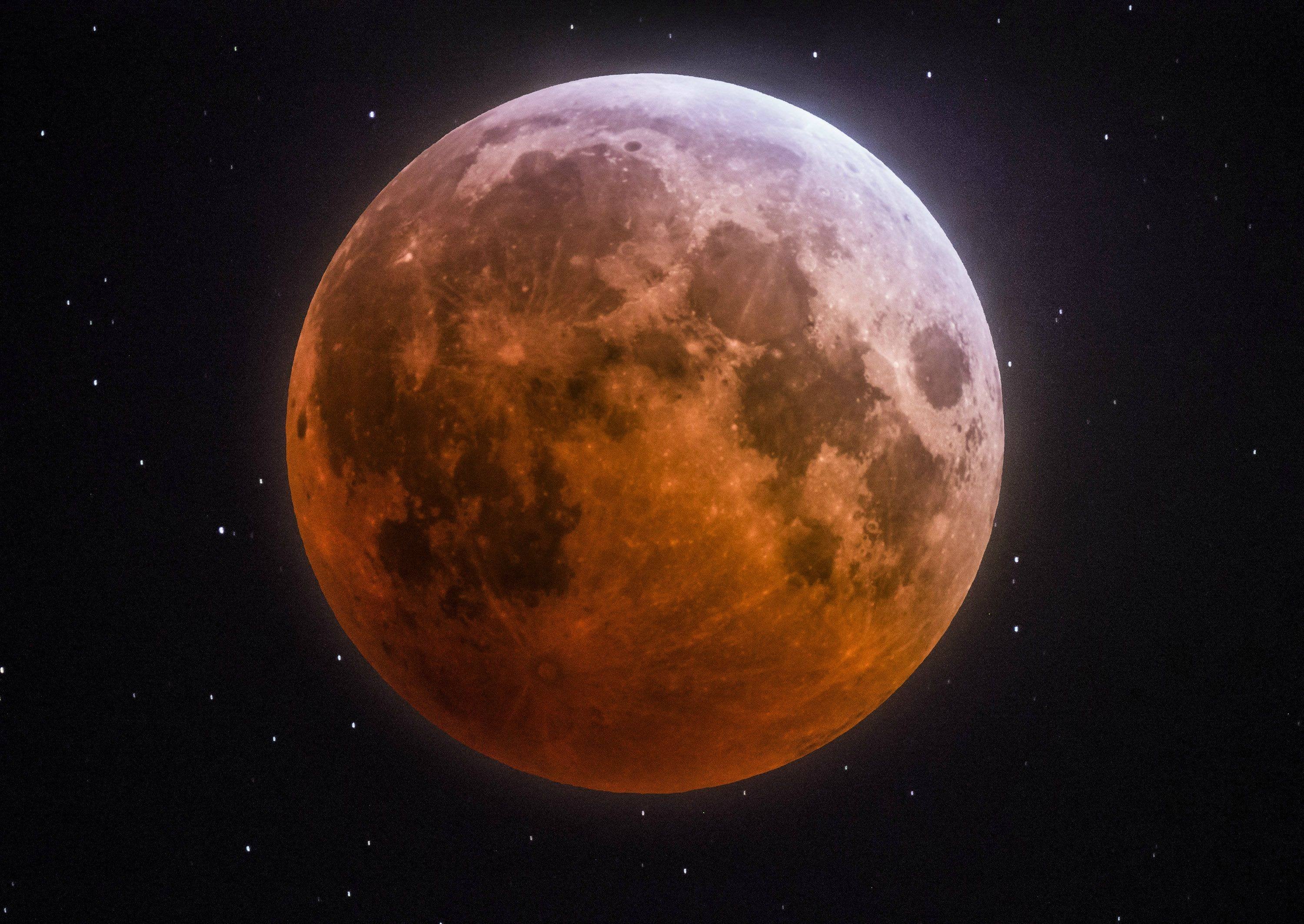
- Astronomical Events: The full moon will be accompanied by a total lunar eclipse, accentuating its importance in lunar observation.
Overview of the Upcoming Full Moon
The next full moon is scheduled to occur on Friday, March 14, 2025, at precisely 2:55 a.m. Eastern Daylight Time (EDT), which corresponds to 0755 GMT. This event is significant not only for its timely occurrence but also for its cultural and astronomical implications. Known as the Worm Moon, this full moon carries a traditional name that has been passed down through generations, reflecting the natural cycles and seasonal changes observed long before modern astronomy.
The Worm Moon is named for the period of the year when the ground begins to thaw and earthworm activity increases, heralding the arrival of spring in many parts of North America. This nomenclature is part of a rich tapestry of naming conventions that relate the moon's phases to environmental events and cultural practices. Observers and enthusiasts worldwide find such connections deeply meaningful, as these names offer a historical perspective on how different cultures have understood and expressed natural phenomena.
Astronomical Details and Observations
Timing and Global Visibility
The timing of the full moon is crucial for astronomy enthusiasts. Occurring at 2:55 a.m. EDT, the full moon is observable in many parts of the world, although local moonrise times may vary. For example, while it is distinctly observable on the U.S. East Coast at the provided time, areas in other time zones will experience different local timings, adjusting for regional time differences.
In the United Kingdom, the corresponding time for the full moon has been noted as 6:55 a.m. GMT on the same day. This synchronization across different regions enables a coordinated global observation that not only emphasizes the astronomical significance of the event but also fosters communal engagement among skywatchers worldwide.
Total Lunar Eclipse Accompanying the Full Moon
In addition to the full moon, this particular event is distinguished by a total lunar eclipse, an astronomical phenomenon where the Earth comes between the sun and the moon, casting a shadow over the moon’s surface. This eclipse, visible from various parts of the globe, enhances the visual spectacle of the full moon. The synchronization of the full moon with a total lunar eclipse is a relatively rare occurrence, making this event a highlight for both amateur and professional astronomers alike.
During a total lunar eclipse, the Moon appears to take on a reddish hue, often referred to as a "Blood Moon." This fascinating color shift happens due to the scattering of sunlight through the Earth's atmosphere. Observers can note the gradual darkening of the lunar surface, a progression that is as scientifically significant as it is aesthetically captivating.
Cultural and Historical Significance
The nomenclature "Worm Moon" is deeply embedded in tradition and cultural history. Many Native American tribes and early colonial communities in America relied heavily on lunar calendars to guide agricultural and social activities. The full moon’s name reflects a time when the first signs of spring were visible, indicated by the emergence of worms, which in turn attracted birds and signaled a period of renewal.
This cultural heritage not only enriches our understanding of the lunar phase but also underscores a historical relationship between celestial events and earthly living. Familiarity with these traditions allows modern observers to connect with their past and gain a broader appreciation for the methods our ancestors used to measure time and predict seasonal changes.
Scientific Insights into the Full Moon
Lunar Phases and the Cycle of the Moon
The lunar cycle, which lasts approximately 29.5 days, is fundamental for understanding the phases of the moon. The full moon signifies the stage at which the Earth is positioned directly between the sun and the moon. During this phase, the moon is fully illuminated by the sun’s light, making it appear as a perfect circle in the sky. This phase is crucial for various astronomical calculations and has historically been used to structure calendars and ritual observances.
In 2025, there will be a total of 12 full moons, starting from January 13, 2025, and concluding on December 4, 2025. Each of these phases brings unique characteristics and opportunities for observation. While the Worm Moon is particularly noted for its total lunar eclipse, other full moons throughout the year will also offer their own distinct qualities, some even designated as supermoons depending on their orbital proximity to the Earth.
Impact on Natural Phenomena
The full moon is more than an astronomical event; it has tangible effects on the natural world. For instance, gravitational forces during a full moon have subtle influences on the tides. The alignment of the Earth, moon, and sun creates enhanced tidal forces, which can be observed in coastal regions around the globe. These tidal patterns are essential for scientists who study the interactions between celestial objects and the Earth's oceans, contributing to broader meteorological and environmental research.
Moreover, the illumination provided by a full moon has historically been used to guide nocturnal activities, both in rural and urban settings. This natural source of light has been invaluable for communities before the advent of electric lighting, influencing everything from travel to agricultural practices.
Additional Resources and References
Full Moon Calendar Data
Astronomers and enthusiasts can refer to various online resources to track and verify moon phases, including detailed calendars and tables. Below is a comprehensive table that compares the primary details of the upcoming full moon event from multiple trusted sources:
| Source | Full Moon Date | Time (EDT/GMT) | Additional Notes |
|---|---|---|---|
| Space.com | March 14, 2025 | 2:55 a.m. EDT / 0755 GMT | Worm Moon |
| Farmers' Almanac | March 14, 2025 | 2:55 a.m. EDT | Includes full moon calendar details for 2025 |
| Astronomy.com | March 14, 2025 | 2:55 a.m. EDT / 0755 GMT | Accompanied by a total lunar eclipse |
| RMG | March 14, 2025 | 2:55 a.m. EDT | UK observers note local timings |
| Starwalk | March 14, 2025 | 2:55 a.m. EDT | Highlights lunar events for the year |
These sources provide accurate timings and additional astronomical insights. The extensive data available forms a collaborative effort among astronomers and institutions worldwide, ensuring that enthusiasts always have access to the latest information on lunar phases.
Observing the Full Moon: Tips and Techniques
Optimum Viewing Conditions
When preparing to observe the full moon, there are several factors to consider:
Location and Timing
Choose an observation spot with minimal light pollution and an unobstructed view of the horizon. Since the full moon will occur early in the morning (2:55 a.m. EDT), observers in different time zones should adjust their plans accordingly. For many, this may mean staying up late or rising early to catch the peak illumination of the moon.
Weather Conditions
Clear skies are ideal for lunar observation. Cloud cover, atmospheric turbulence, or high humidity can distort the view of the moon. Tracking local weather forecasts will help ensure that the night of observation offers the clearest view.
Equipment Considerations
While the naked eye can appreciate the beauty of the full moon, using telescopes or binoculars will enhance details such as surface craters and the gradation of lunar landscapes. For the lunar eclipse, specialized filters might be useful to capture the changing hues and subtle variations in brightness.
The Broader Impact of Lunar Events
Scientific Research and Community Engagement
Lunar events, such as the full moon and accompanying eclipse, captivate both the scientific community and the general public. Researchers utilize these events to study the moon's surface, its interactions with the Earth's atmosphere, and the overall dynamics of celestial bodies. Observational data collected during full moons and lunar eclipses contribute to advancing the field of astronomy, enhancing our understanding of the solar system.
Additionally, events like these foster community engagement. Astronomy clubs, educational institutions, and social media groups often organize viewing sessions and related events, turning a single astronomical occurrence into a large-scale social and educational phenomenon. This shared experience promotes scientific literacy and encourages the next generation of astronomers.
Cultural Significance and Celebrations
Beyond scientific inquiry, the full moon has significant cultural importance. Various cultures around the world celebrate the lunar cycle through festivals, storytelling, and rituals. The Worm Moon, as an indicator of spring’s arrival, is celebrated in numerous traditions that emphasize renewal, growth, and the cyclic nature of life.
In many cases, the full moon inspires artistic expressions, from poetry to folk music, each interpretation adding to the diverse range of human experiences with the natural world. Such cultural expressions not only celebrate astronomical events but also serve as a reminder of the interconnectivity between nature and human society.
Additional Data and Practical Information
Lunar Cycle Overview for 2025
The year 2025 is notable for its predictable pattern of lunar phases. With 12 full moons in the year, each monthly phase has been carefully calculated and observed over centuries. The Lunar Calendar for 2025 serves as both a scientific record and a practical tool used by various industries—from agriculture to tidal research—to plan their activities around the moon’s cycle.
The observability of the full moon combined with the unique events that accompany it, such as the total eclipse, makes this period particularly exciting. Whether one is using the event as a benchmark for scientific experiments or simply to appreciate the beauty of natural phenomena, the data and resources available are both thorough and accessible.
References
- Full Moon Calendar - Space.com
- Full Moon Dates and Times - Farmers' Almanac
- Observing Full Moon – Astronomy.com
- Full Moon Calendar – RMG
- 2025 Full Moon Calendar - Starwalk
Recommended Queries for Further Insights
Last updated March 10, 2025