
Introduction to RRL: The Art of Fundamental Cooking
An In-Depth Analysis of Basic Culinary Techniques for Beginners
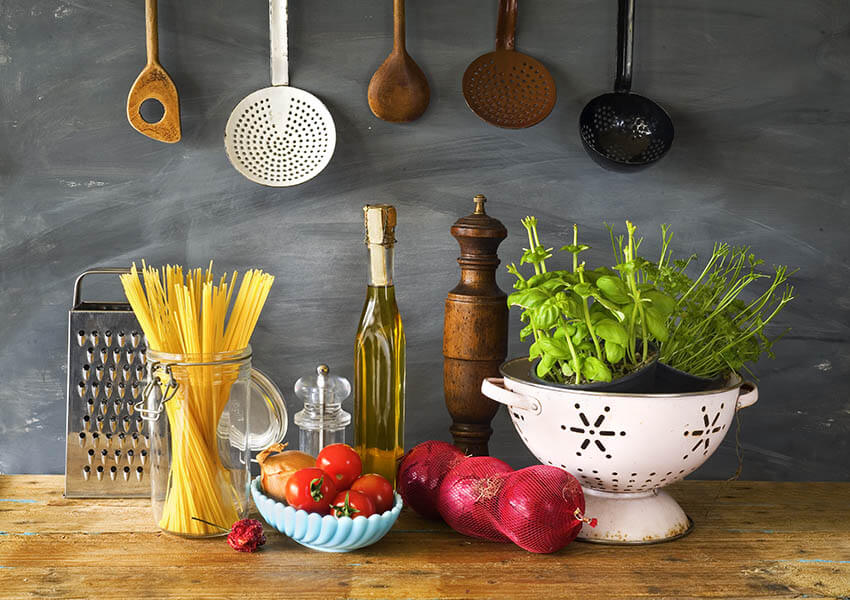
Key Highlights
- Mastering Fundamental Skills: Explore essential techniques such as knife skills, heat control, and diverse cooking methods that form the foundation of culinary expertise.
- Historical and Contemporary Perspectives: Understand the evolution of cooking techniques from classic culinary manuals to modern digital education platforms.
- Cultural and Practical Integration: Learn how cooking fundamentals are adapted across different cultures and how this integration promotes creativity and confidence in the kitchen.
Overview of Fundamental Culinary Techniques
The realm of culinary arts is both an art and a science—a vibrant field where tradition meets innovation. "The Art of Fundamental Cooking: Analyzing Basic Culinary Techniques for Beginners" presents a comprehensive literature review (RRL) that delves into the essential skills every aspiring cook must master. This exploration not only highlights the various methods of preparing food, but it also provides a historical context linking classic culinary wisdom with modern innovations in cooking.
At the core of this review is the idea that cooking is a structured journey, beginning with precise, basic techniques that later allow for creative and experimental cuisine. These techniques serve as the building blocks which, when combined, result in a diverse array of culinary masterpieces. For beginners in the culinary landscape, understanding these techniques is critical to establishing a strong foundation and fostering both confidence and creativity in the kitchen.
Historical Roots and Evolution of Culinary Techniques
Historical Foundations
The modern study of culinary arts has deep historical roots that trace back to the works of culinary pioneers such as Maestro Martino and Auguste Escoffier. These figures laid the foundation for the systematic approach to food preparation that is still influential today. Their teachings, encapsulated in seminal works like "The Art of Cooking" and "Le Guide Culinaire," have been adapted over time to cater to a broader audience, including home cooks and amateur chefs.
These historical texts introduced concepts such as "mise en place," which emphasizes the importance of organization and preparation before diving into the cooking process. This methodological approach has been preserved and enhanced by contemporary culinary educators who blend traditional knowledge with modern techniques and technology. The evolution of culinary instruction reflects a broader cultural trend: the democratization of food preparation knowledge. With the advent of digital learning platforms, home cooks can now access an array of resources that bridge past wisdom and present-day practices.
Contemporary Trends and Digital Education
In today's fast-paced world, culinary education has shifted towards integrating technology to cater to varied learning styles. Online platforms, video tutorials, and interactive culinary courses are increasingly popular and accessible, demystifying the cooking process. This digital revolution has enabled educators to break down complex techniques into manageable, step-by-step approaches that beginners can easily follow.
The literature emphasizes that modern culinary instruction is not solely about following recipes but also about understanding the science and art behind cooking practices. Digital resources encourage experimentation and flexibility, urging learners to understand the “why” behind each technique. As emerging trends continue to shape culinary arts, the focus remains on providing foundational skills while promoting a hands-on, respectful approach to traditional methods.
Analyzing Fundamental Techniques
Knife Skills and Precision
One of the indispensable elements in fundamental cooking is knife skills. Proficiency in handling a chef's knife is a mark of a skilled cook. It entails more than simply cutting ingredients; it is about achieving consistency and precision, which in turn fosters an even cooking process and contributes greatly to the presentation of the final dish.
The literature review elucidates how novice cooks benefit from mastering knife techniques early on. Establishing a rhythmic approach to slicing, dicing, and chopping ensures not only aesthetic appeal but also promotes safety in the kitchen. This foundational skill opens the door to more advanced techniques, enabling cooks to explore a variety of cuisines with confidence.
Heat Control and Cooking Methods
Heat control is another cornerstone of fundamental cooking. The manner in which heat is applied to ingredients can transform the texture, flavor, and nutritional value of food. Mastering various heat application techniques is crucial for producing desirable outcomes across different recipes. The RRL identifies several cooking methods which include:
- Sautéing: Quick cooking in a small amount of fat, ideal for locking in flavors and textures.
- Roasting: A dry-heat method that caramelizes the natural sugars in food, enhancing flavor.
- Braising: Combining moist and dry heat, braising is perfect for tenderizing tougher cuts of meat and infusing deep flavors.
- Boiling and Steaming: Essential for cooking delicate ingredients without compromising their nutritional properties.
- Grilling: Imparts a distinct smoky flavor while maintaining the integrity of the food's texture.
Each of these methods requires a nuanced understanding of heat dynamics – whether it’s the rapid heat exposure in sautéing or the gradual build-up in roasting. The fundamental takeaway is that heat control is not simply a technical skill but a form of culinary expression that elevates everyday cooking into an art form.
Flavor Development and Culinary Creativity
The art of cooking goes beyond mere preparation techniques; it also involves a deep understanding of flavor profiles and how they interact. Beginners are encouraged to study the balance between sweet, salty, sour, bitter, and umami flavors—each contributing to a well-rounded dish. The literature underscores that developing a palate and mastering flavor combinations is as vital as the practical skills in the kitchen.
Techniques such as making stocks and sauces from scratch are pivotal. Stocks are the hidden backbone of many recipes, developed through a slow and steady process of simmering bones, vegetables, and aromatics to create a base rich in flavor and nutrients. Similarly, sauces bind and elevate the components of a dish, turning everyday ingredients into culinary delights. By appreciating the science of flavor, beginners are inspired to explore and expand their culinary repertoire.
Methodological Approaches in Culinary Education
Structured Learning and Culinary Manuals
Many culinary guides and manuals have shaped the methods used for teaching fundamental cooking techniques. Traditional texts provided a structured approach that emphasized sequence and discipline. Modern adaptations of these texts have made their methodologies more accessible to the novice cook by breaking down complex recipes into clearly defined steps.
A significant point raised in the literature is the concept of "mise en place" – a French term meaning "everything in its place." This principle underscores the organizational and preparatory aspects of cooking, ensuring that ingredients and tools are readily available before beginning the actual cooking process. By incorporating "mise en place" into everyday cooking, beginners can reduce errors and enhance their workflow, thereby making the entire process more efficient and enjoyable.
The Role of Experiential Learning
Beyond theoretical knowledge, the literature review emphasizes the value of experiential learning. Hands-on practice in the kitchen allows budding chefs to directly apply techniques, experiment with flavor combinations, and learn from immediate feedback. This practical approach is essential for refining skills over time, as every error and success contributes to a deeper understanding and mastery of cooking.
Cooking classes, workshops, and online video tutorials are vital resources that embody this experiential learning model. They provide an interactive environment where beginners can ask questions, observe techniques in real-time, and gradually build their culinary confidence. The engagement in these learning platforms is reflective of a larger cultural shift towards interactive and personalized education, making culinary arts more accessible and appealing to a wider audience.
A Contemporary Analysis of Culinary Techniques
Integrating Classical and Modern Approaches
The synthesis of classical culinary knowledge with modern innovation offers a unique lens through which to view fundamental cooking techniques. Historically, strict culinary manuals provided recipes that were rigid in structure. In contrast, contemporary approaches encourage improvisation and adaptation, merging tradition with modern culinary trends.
This literature review critically examines how modern cooking techniques retain the core tenets of traditional culinary arts while adapting to present-day challenges and lifestyles. For instance, the fundamental practice of knife skills remains unchanged, yet the materials and ergonomics of modern chef's knives have revolutionized the efficiency and safety with which they are used. Similarly, while the techniques for managing heat are ancient, advances in kitchen technology such as induction cooktops and temperature-controlled ovens offer enhanced precision and consistency.
Cultural Adaptation and Global Influences
A key aspect addressed in this analysis is the cultural adaptation of cooking techniques. Culinary arts are inherently linked to tradition and heritage, and different cultures have developed unique methods that contribute to a diverse culinary landscape. The literature explores how foundational techniques like sautéing, roasting, and braising are interpreted and modified to accommodate regional flavors, ingredients, and culinary philosophies.
For example, while European cuisines might emphasize the meticulous preparation of stocks and sauces, Asian culinary traditions often prioritize rapid stir-frying and the layering of flavors using minimal ingredients. This cross-cultural dialogue enriches the global culinary scene and provides beginner cooks with a broader understanding of how fundamental techniques can be adapted to suit various culinary traditions.
Practical Applications and Resource Table
A Comparative Table of Culinary Resources
To further aid beginners in their culinary journey, several resources and tools have been compiled to offer practical guidance and deeper insights into fundamental cooking techniques. The following table summarizes key resources that have informed this literature review, providing links and short descriptions to assist in further exploration:
| Resource Title | Description | URL |
|---|---|---|
| Top 10 Must-Read Books on Cooking Fundamentals | A curated list of essential culinary books for mastering the basics. | Visit Site |
| The Art of Simple Food | An inspiring guide focusing on quality ingredients and fundamental techniques. | Visit Site |
| Learning How to Cook: A Guide for Beginners | A practical resource for beginners to understand basics and experiment in the kitchen. | Visit Site |
| Cooking Techniques Everyone Should Know | An overview of diverse cooking methods ranging from sautéing to grilling. | Visit Site |
| Fundamental Techniques for Beginners | A comprehensive guide outlining key methods such as knife skills and heat control. | Visit Site |
Use this table as both a navigational tool and a reference guide to delve deeper into the subjects that interest you most. Each resource is chosen to enhance the understanding of both the theoretical and practical dimensions of culinary arts.
Integrating Practical Practice with Academic Research
Bridging Theory and Practice
One of the most compelling aspects of the literature on fundamental cooking is the way it bridges rigorous academic research with practical, everyday application. The reviewed literature presents a balanced view where traditional culinary theory is not only discussed but also implemented through hands-on practice. This dual approach ensures that theoretical insights are immediately validated by real-world culinary experiences.
Beginners are encouraged to use the principles derived from classical culinary techniques as a framework for their own creative experimentation. For instance, by understanding the science behind heat control, one can manipulate recipes to better suit personal tastes or adapt a dish based on the available ingredients. This synthesis of science and art is at the core of developing a resilient cooking practice that is both adaptive and innovative.
Methods for Continuous Improvement
The journey of mastering culinary techniques is ongoing. Continuous improvement is achieved by engaging in reflective practice and seeking constructive feedback. Whether it is through formal culinary classes or experimenting at home, the iterative process of refining techniques cannot be understated. The literature stresses that repetition and critical evaluation are key for skill enhancement.
Beginners who methodically document their cooking practices and analyze their techniques often find that their skills improve exponentially. This reflective process is bolstered by a community of culinary enthusiasts and professional platforms where knowledge is shared and celebrated. The concept of lifelong learning in culinary arts resonates throughout the literature, encouraging every cook to embrace an attitude of constant growth.
References
- Top 10 Must-Read Books on Cooking Fundamentals - Sobrief
- The Art of Simple Food Review - The Cooking World
- Learning How to Cook: A Guide for Beginners - Escoffier
- Cooking Techniques Everyone Should Know - The Spruce Eats
- Basic Cooking Techniques for Beginners - Becoming Traditional
Recommended Queries for Further Exploration

Last updated March 13, 2025