
Comprehensive Guide to Futsal Presentations
Unlocking the Fast-Paced World of Futsal: History, Rules, and Benefits
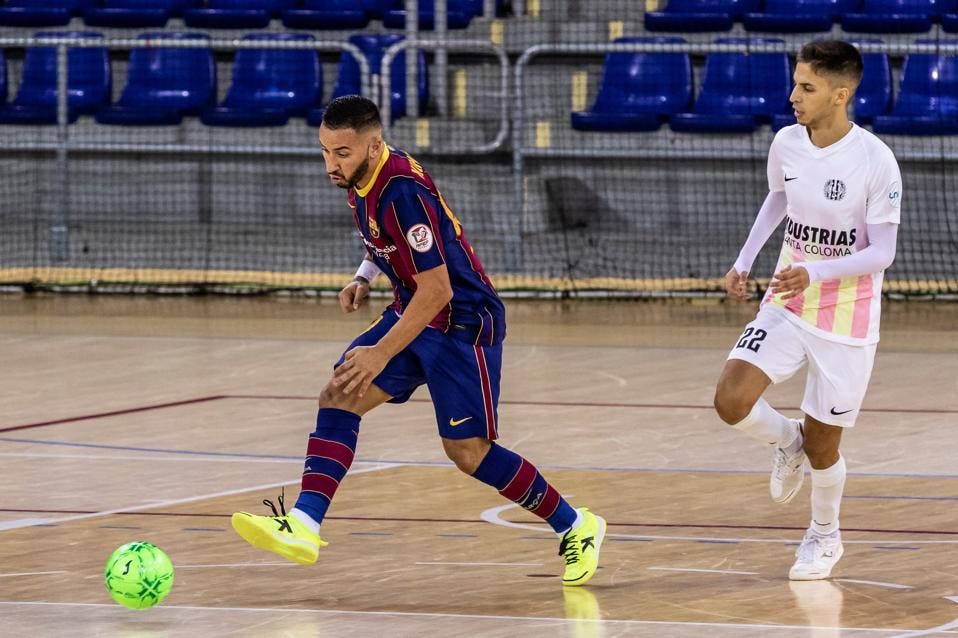
Key Takeaways
- Futsal Origins and Evolution: Understanding the rich history and development of futsal from its inception to its global presence.
- Core Rules and Gameplay: Grasping the fundamental rules, game structure, and unique aspects that differentiate futsal from traditional soccer.
- Benefits and Impact: Recognizing how futsal enhances technical skills, agility, and contributes to the growth of players and the sport worldwide.
Introduction to Futsal
What is Futsal?
Futsal is a dynamic variant of association football, designed to be played on smaller, indoor courts with five players per team, including a goalkeeper. Originating in Uruguay in the 1930s, futsal emphasizes skill, agility, and quick decision-making, making it an excellent platform for players to develop technical prowess and teamwork.
Historical Background
Origins and Early Development
Futsal was created in 1930 by Juan Carlos Ceriani at the YMCA in Montevideo, Uruguay. Ceriani designed futsal as an indoor adaptation of soccer to provide recreational opportunities during the rainy season. The sport quickly gained popularity in South America, particularly in Brazil, where it became a cornerstone for developing world-class soccer players.
Global Expansion
By the mid-20th century, futsal had transcended South American borders, with formal rules published in Brazil in 1936. The establishment of international governing bodies, such as FIFA recognizing futsal in 1989, and the formation of global competitions like the FIFA Futsal World Cup in 1989, propelled the sport onto the international stage. Today, futsal boasts professional leagues in countries like Spain, Russia, Portugal, and beyond, engaging approximately 12 million players worldwide.
Rules and Gameplay
Team Composition and Substitutions
Each futsal team consists of five players on the court at any given time, including one goalkeeper. Teams are allowed unlimited substitutions, enabling continuous play and strategic player rotations, enhancing both player stamina and tactical flexibility.
Court Specifications
Futsal is typically played on a hard court, either indoors or outdoors, with dimensions varying based on competition standards:
| Type | Length (m) | Width (m) |
|---|---|---|
| Non-International | 25-42 | 16-25 |
| International | 38-42 | 20-25 |
The absence of side walls or boards necessitates different strategies compared to traditional soccer, encouraging players to develop precise passing and spatial awareness.
Game Duration and Structure
A standard futsal match consists of two halves, each lasting 20 minutes, with a stop-clock system in place. The clock stops for any stoppages in play, ensuring that the actual playing time remains consistent and competitive.
Core Rules
-
No Offside Rule: Futsal does not implement the offside rule, allowing for more fluid and dynamic offensive play.
-
Kick-ins: Instead of throw-ins, play is restarted with kick-ins, promoting continuous play and maintaining the game's tempo.
-
Goalkeeper Restrictions: The goalkeeper is limited to holding the ball for a maximum of four seconds to encourage quick distribution and prevent stalling.
-
Fouls and Penalties: Accumulating six fouls in a half results in a penalty kick, adding a strategic layer to defensive play.
-
Refereeing: Matches are typically officiated by two referees to manage the faster pace and ensure fair play.
Skills and Strategies
Technical Skill Development
Futsal places a strong emphasis on technical skills such as close ball control, precise passing, and rapid dribbling. The smaller court and limited number of players require quick reflexes and the ability to execute under pressure, fostering players' technical proficiency.
Tactical Thinking and Spatial Awareness
The fast-paced nature of futsal requires players to make swift tactical decisions and maintain constant spatial awareness. Fluid positional play and understanding of both offensive and defensive roles are crucial for successful team strategies.
Passing and Movement
Effective passing and continuous movement off the ball are fundamental in creating passing lanes and maintaining possession. Players must engage in constant off-ball movement to overload opponents and create scoring opportunities.
Defensive Strategies
Defensively, futsal emphasizes pressing to regain possession quickly and tight marking to prevent counter-attacks. Coordinated team defense and strategic pressuring are essential to thwart opponents' offensive maneuvers.
Benefits of Futsal
Enhancement of Technical Skills
Futsal's emphasis on close ball control and quick passing significantly enhances players' technical abilities. The confined playing area necessitates precise and efficient movements, fostering creativity and technical excellence.
Physical Fitness and Agility
The continuous movement and rapid transitions inherent in futsal build players' endurance, speed, and agility. The sport's intensity contributes to overall physical fitness and quick reflex development.
Transferability to Traditional Soccer
Many skills developed in futsal are directly applicable to traditional soccer. Players often find that their improved ball control, quick decision-making, and tactical understanding from futsal translate seamlessly to outdoor play.
Social and Team-Building Benefits
Futsal fosters teamwork, communication, and strategic collaboration among players. The sport's fast-paced and cooperative nature enhances social bonds and collective team dynamics.
Global Impact and Competitions
International Competitions
Key international competitions include the FIFA Futsal World Cup and the UEFA Futsal Champions League. These tournaments attract top talent and showcase the highest level of futsal, contributing to the sport's prestige and global recognition.
Professional Leagues and Growth
Professional futsal leagues are established in numerous countries, including Brazil, Spain, Russia, and Portugal. The growth of these leagues reflects the sport's expanding popularity and the increasing investment in futsal as a competitive discipline.
Player Development Pathways
Futsal serves as a critical development platform for aspiring soccer players. Renowned athletes often credit futsal with honing their technical skills and tactical understanding, underscoring its role in shaping elite football talent.
Creating an Effective Futsal Presentation
Structured Content and Visual Aids
An effective futsal presentation should include a clear structure with defined sections such as introduction, history, rules, skills, benefits, and global impact. Incorporating visual aids like diagrams, charts, and action photographs enhances engagement and comprehension.
Interactive Elements and Audience Engagement
Including interactive elements such as Q&A sessions, live demonstrations, or audience participation exercises can significantly boost engagement. Sharing success stories of prominent futsal players or teams also adds a relatable and inspiring dimension to the presentation.
Use of Templates and Technology
Utilizing professional templates from platforms like PowerPoint or Google Slides ensures a polished and visually appealing presentation. Additionally, integrating multimedia elements such as videos or animated diagrams can make the presentation more dynamic and memorable.
Future Trends in Futsal
Technological Integration
The future of futsal is poised to embrace technological advancements such as video analysis tools, performance tracking systems, and tactical applications. These technologies facilitate deeper insights into player performance and strategic planning.
Expansion of Youth Programs
Increased investment in youth development programs and community initiatives is expected to drive futsal's growth. These programs aim to nurture young talent and promote widespread participation, ensuring the sport's sustainability and evolution.
Cross-Disciplinary Collaboration
Collaboration between futsal and traditional soccer organizations will continue to strengthen, leveraging futsal's technical training benefits to enhance overall player development pipelines. This synergy is instrumental in producing well-rounded and highly skilled athletes.
Conclusion
Futsal stands as a vibrant and integral facet of the global football landscape. Its unique blend of fast-paced action, technical skill development, and strategic depth makes it an invaluable tool for player growth and an exciting spectacle for audiences. Embracing futsal not only enriches the sport's diversity but also paves the way for nurturing the next generation of football talent.
References
Last updated February 13, 2025