
Digital Signal Processing: The Undisputed Engine Driving Audio's Future?
Discover why DSP techniques are not just enhancing sound today, but fundamentally redefining how we'll experience audio tomorrow.
Highlights: The DSP Revolution in Audio
- Enhanced Fidelity & Immersion: DSP delivers unparalleled sound quality improvements, from noise cancellation to hyper-realistic spatial audio.
- AI-Powered Personalization: The fusion of DSP and Artificial Intelligence is creating smarter audio systems that adapt to users and environments in real-time.
- Ubiquitous Application: From tiny earbuds and car dashboards to professional studios and industrial settings, DSP is becoming indispensable across the audio landscape.
Decoding DSP: The Science Behind Superior Sound
Digital Signal Processing (DSP) is a specialized technology focused on manipulating real-world signals, like audio, after they have been converted into a digital format. At its core, DSP uses microprocessors, algorithms, and mathematical techniques to analyze, modify, and enhance these digital signals with remarkable precision. Think of it as a highly sophisticated digital toolkit that allows engineers to sculpt sound, correct imperfections, and unlock new audio capabilities impossible in the purely analog domain.
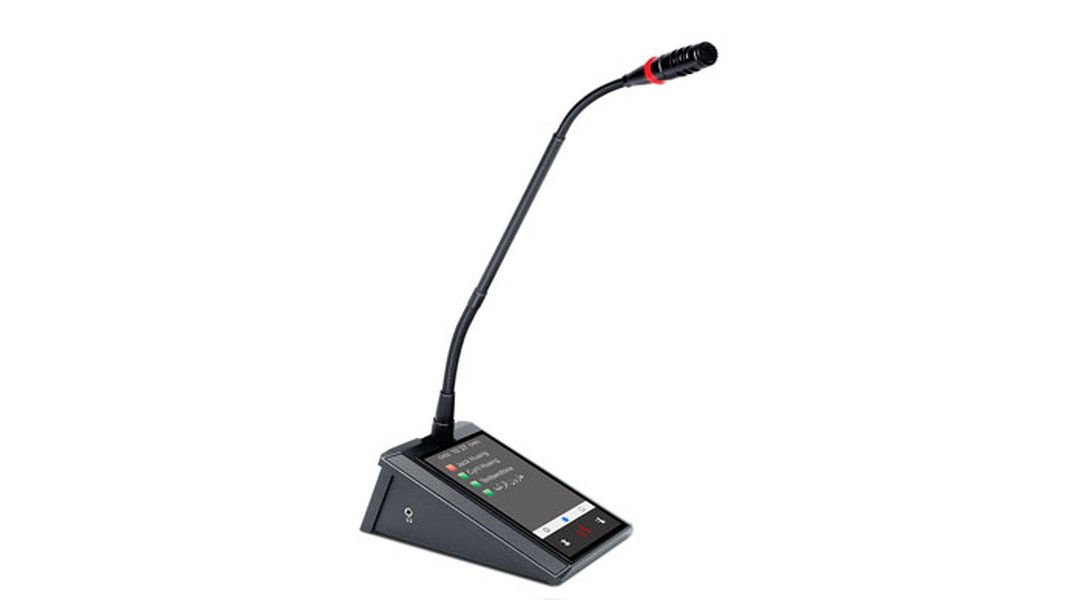
Conceptual overview of Digital Signal Processing (DSP) transforming analog signals.
This conversion to digital and subsequent processing allows for complex operations like filtering out unwanted noise, adjusting frequencies (equalization), managing volume levels (dynamic range control), canceling echoes, and much more, all performed with high speed and accuracy.
Why DSP is Central to Audio Innovation
DSP isn't just a minor improvement; it's a fundamental shift that's enabling the next wave of audio experiences. Its growing importance stems from several key capabilities:
Achieving Unprecedented Sound Quality and Clarity
DSP techniques are instrumental in overcoming traditional audio limitations and elevating sound fidelity.
Fine-Tuning Audio Reproduction
DSP allows for meticulous adjustments to audio signals. Techniques include:
- Equalization (EQ): Precisely boosting or cutting specific frequencies to tailor sound balance for different genres, preferences, or hardware limitations.
- Dynamic Range Control: Managing the difference between the loudest and quietest sounds, ensuring clarity without sudden volume jumps.
- Noise Reduction & Echo Cancellation: Identifying and suppressing unwanted background noise or echoes, crucial for clear communication and listening enjoyment, especially in challenging environments.
- Room Correction: Analyzing the acoustic properties of a listening space (like a living room or car cabin) and applying corrective processing to counteract unwanted reflections or frequency imbalances, ensuring optimal sound regardless of the environment.
- Time Alignment: Ensuring that sound frequencies from different speaker components (like tweeters and woofers) arrive at the listener's ear simultaneously, resulting in a more coherent and accurate soundstage.

Modern amplifiers often incorporate sophisticated DSP for precise audio tuning.
Enabling Next-Generation Audio Features
Beyond improving basic quality, DSP is the engine driving innovative audio functionalities:
Creating Immersive and Interactive Experiences
- Spatial Audio & 3D Sound: DSP algorithms create realistic, three-dimensional soundscapes that seem to come from all around the listener, enhancing immersion in movies, gaming, virtual reality (VR), and augmented reality (AR). This includes object-based audio formats where sounds are treated as individual entities placed in 3D space.
- Adaptive Sound Processing: Systems that use DSP to automatically adjust audio characteristics based on the content being played, ambient noise levels, or even the listener's position or activity.
- Voice & Speech Recognition/Enhancement: DSP plays a vital role in isolating and cleaning up voice signals, improving the accuracy of voice assistants, enabling clearer calls, and supporting transcription services.
- Stem Separation & Source Isolation: Emerging DSP techniques allow for the separation of individual elements within a mixed audio track (e.g., isolating vocals or instruments). This has applications in music production, remixing, and audio restoration.
The Powerful Synergy of DSP and Artificial Intelligence (AI)
The integration of AI and machine learning (ML) with DSP is unlocking even more sophisticated capabilities. AI algorithms can analyze vast amounts of audio data to learn optimal processing strategies in real-time.
Smarter, Personalized Audio
AI-enhanced DSP can:
- Improve Noise Cancellation: AI can identify and adapt to changing noise environments more effectively than traditional algorithms.
- Enhance Speech Clarity: AI can better distinguish speech from background noise, significantly improving intelligibility.
- Enable Audio Personalization: Systems can learn user preferences and automatically tailor sound profiles or spatial audio rendering for an individual's hearing or taste.
- Automate Production Tasks: AI-driven DSP tools are emerging to assist with tasks like mixing, mastering, and sound design.
This fusion is making audio devices smarter, more responsive, and capable of delivering highly personalized experiences.
Visualizing the DSP Ecosystem: Core Concepts and Applications
The following mindmap illustrates the interconnectedness of DSP technology, showcasing its core functions, enabling technologies like AI, and its diverse applications across various sectors of the audio world.
DSP's Impact Across Diverse Audio Sectors
The influence of DSP is pervasive, revolutionizing audio experiences in numerous fields. Here's a look at its role in key sectors:
Consumer Electronics
DSP chips are now standard components in smartphones, wireless earbuds, smart speakers, soundbars, and home theater systems. They power features like active noise cancellation (ANC), personalized sound profiles, virtual surround sound, and improved voice assistant interaction, making advanced audio accessible to everyday users.

Compact DSP units like the miniDSP Flex HT bring powerful processing to home audio setups.
Automotive Audio
DSP is transforming the driving experience. Car manufacturers use it to precisely tune sound systems to the unique acoustics of vehicle cabins, delivering premium audio quality. It also enables features like active road noise cancellation, personalized audio zones for different passengers, and even the simulation of engine sounds for quieter electric vehicles (EVs), enhancing both safety and ambiance.

Processors like the HELIX DSP MINI are specifically designed for optimizing automotive sound systems.
Professional Audio and Music Production
In recording studios, live sound venues, and broadcast facilities, DSP is indispensable. It powers digital mixing consoles, audio interfaces, effects processors, and speaker management systems. Recent advancements include GPU-accelerated DSP, allowing for complex, real-time audio processing with very low latency, crucial for live performance and sophisticated studio work. AI-driven DSP tools are also emerging, assisting engineers with tasks like mixing and mastering.
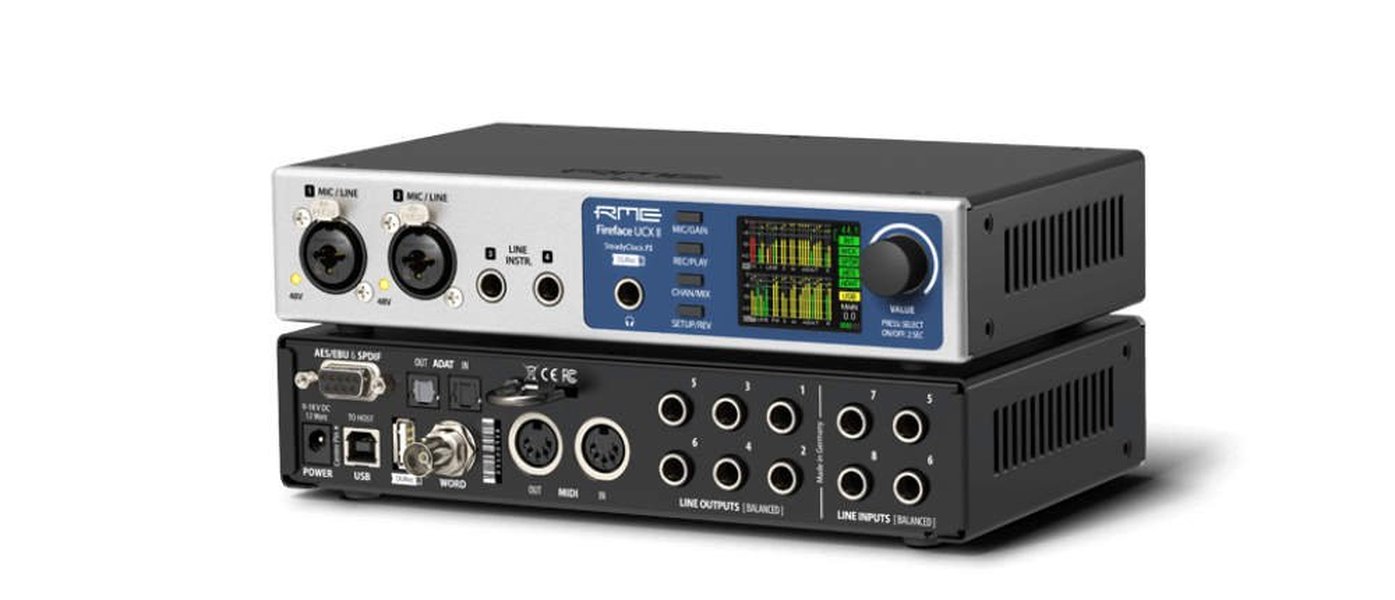
Professional audio interfaces often feature built-in DSP for low-latency effects and processing.
Industrial and Telecommunications
Beyond entertainment, DSP enhances audio in industrial settings by improving communication clarity in noisy environments and enabling sophisticated noise monitoring and management systems. It's also critical in telecommunications for echo cancellation, noise suppression, and improving the quality of voice calls and conferencing.
Market Momentum and Future Outlook
The global audio DSP market is experiencing robust growth, reflecting the technology's increasing importance. Market reports project substantial expansion, with estimates suggesting the market could grow from around USD 13 billion in 2023 to over USD 22 billion by 2030. This growth is fueled by:
- Rising demand for high-quality audio experiences in consumer devices.
- The proliferation of smart devices and IoT ecosystems requiring audio processing.
- Advancements in automotive infotainment systems.
- The integration of AI and machine learning capabilities.
- Growth in wireless communication technologies.
The following table summarizes the diverse applications of DSP and the key benefits it brings to each area:
| Application Area | Key DSP Benefits | Examples |
|---|---|---|
| Consumer Electronics | Noise Cancellation, Spatial Audio, Voice Control, Personalized Sound, Enhanced Fidelity | Headphones, Earbuds, Smart Speakers, Smartphones, Soundbars |
| Automotive | Cabin Tuning, Noise Cancellation (Road/Engine), Immersive Audio, EV Sound Simulation, Personalized Zones | Infotainment Systems, Premium Audio Upgrades |
| Professional Audio | Low-Latency Processing, High-Fidelity Effects, Mixing/Mastering Tools, Speaker Management, Live Sound Optimization | Audio Interfaces, Digital Mixers, Effects Processors, Studio Monitors |
| Industrial & Telecom | Speech Clarity, Noise Suppression, Echo Cancellation, Audio Monitoring, Communication Systems | Conference Systems, Intercoms, Hearing Aids, Monitoring Equipment |
| Advertising Technology | Programmatic Buying, Targeted Audio Ads, Frequency Control, Format Adaptation (Streaming, Podcasts) | Demand-Side Platforms (DSPs) for Audio Ads |
Comparing DSP Capability Importance Across Sectors
While DSP offers a wide range of benefits, the relative importance of specific capabilities can vary depending on the application sector. This radar chart provides an opinionated visualization of how crucial different DSP features might be perceived across consumer, automotive, professional, and industrial audio domains. For instance, 'Cost-Effectiveness' might be paramount for mass-market consumer devices, while 'Real-Time Processing' is non-negotiable in professional live sound.
Note: The chart reflects a generalized perspective on the relative importance of DSP capabilities across sectors. Actual priorities may vary based on specific products and applications.
Insights from Industry Experts
Experts discuss the latest advancements and future trends in audio DSP, highlighting its transformative potential. This video explores new DSP offerings designed to revolutionize audio processing, touching upon Hi-Fi DSP and its integration with other technologies.
The discussion often centers on how DSP, especially when combined with AI, enables smarter, more adaptive, and higher-fidelity audio solutions for the future, reinforcing its pivotal role in ongoing innovation.
Challenges and Considerations
While the potential of DSP is immense, certain challenges exist:
- Cost of Innovation: Developing cutting-edge DSP algorithms and hardware can be expensive, potentially creating barriers for smaller companies.
- Integration Complexity: Integrating sophisticated DSP solutions seamlessly with existing hardware and software infrastructures can be complex and require specialized expertise.
- Competition: The market is competitive, driving rapid innovation but also putting pressure on manufacturers.
- Power Consumption: Especially for portable devices, complex DSP processing can increase power demands, requiring careful optimization.
Despite these hurdles, the drive for superior audio experiences continues to push DSP development forward.
DSP's Role Beyond Listening: Programmatic Audio Advertising
DSP technology also plays a crucial role in the advertising world, specifically through Demand-Side Platforms (DSPs) used for programmatic advertising. In the context of audio, these platforms allow advertisers to automatically bid on and purchase ad inventory across streaming music services, podcasts, and online radio. DSPs leverage data and algorithms to target specific audiences, manage ad frequency, and optimize campaigns in real-time, making audio advertising more efficient and effective. As digital audio consumption grows, the role of DSPs in this space is becoming increasingly important, incorporating AI for better targeting and adapting to new formats like connected TV (CTV) audio.
Frequently Asked Questions (FAQ)
What is the main difference between an amplifier and a DSP?
An amplifier primarily increases the power (voltage and current) of an audio signal to drive speakers. A DSP (Digital Signal Processor), on the other hand, manipulates the audio signal itself in the digital domain *before* or sometimes *after* amplification. It performs tasks like equalization, crossover management, time alignment, noise reduction, etc. While some modern amplifiers have integrated DSPs (DSP amplifiers), their core functions are distinct: amplification boosts power, while DSP processes the signal's characteristics.
Is DSP necessary for good audio quality?
While not strictly *necessary* for good audio (high-quality analog components can sound excellent), DSP provides tools to overcome limitations inherent in speakers, amplifiers, and listening environments that are difficult or impossible to address otherwise. It allows for precise correction and enhancement, often leading to significantly improved clarity, balance, and immersion, especially in challenging acoustic spaces like car interiors or imperfect rooms. For advanced features like active noise cancellation or spatial audio, DSP is essential.
How is AI changing audio DSP?
AI and machine learning are making DSP systems smarter and more adaptive. Instead of relying solely on pre-programmed algorithms, AI-enhanced DSP can learn from data and real-time conditions. This leads to more effective noise cancellation that adapts to changing environments, better voice isolation by distinguishing speech patterns, personalized audio profiles based on user listening habits or even physiology, and potentially automated audio production tasks.
Is DSP technology expensive to implement?
The cost can vary significantly. High-end, powerful DSP processors for professional or premium automotive applications can be expensive due to the sophisticated hardware and complex algorithm development involved. However, DSP chips designed for mass-market consumer electronics (like earbuds or smart speakers) have become much more affordable due to economies of scale and advancements in semiconductor technology. While cutting-edge DSP represents a significant R&D investment, basic DSP functionalities are becoming increasingly common even in budget-friendly devices.
Recommended Further Exploration
- How does AI enhance DSP for audio personalization?
- What are the latest advancements in spatial audio using DSP?
- Compare DSP applications in automotive vs consumer audio.
- Challenges and limitations of current DSP audio technology.
References
Last updated May 2, 2025