
The Biggest Risks for Future Pandemics
Navigating the Complex Landscape of Emerging Global Health Threats
Key Takeaways
- Zoonotic diseases continue to be the foremost source of potential pandemics, driven by increased human-wildlife interactions.
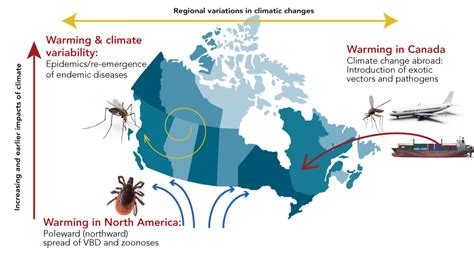
- Climate change significantly heightens pandemic risks by altering habitats and expanding the reach of disease vectors.
- Weak global health infrastructures and inequitable access to healthcare resources impede effective pandemic responses.
1. Zoonotic Diseases and Spillover Events
Understanding the Primary Source of Pandemic Threats
Zoonotic diseases, which are illnesses that jump from animals to humans, represent the majority of pandemic threats. Approximately 60% of all pandemics have zoonotic origins, with wildlife being the primary reservoir in 72% of these cases. The increasing encroachment of human populations into natural habitats due to deforestation, urbanization, and agricultural expansion facilitates more frequent and intimate interactions between humans and wildlife. These interactions create numerous opportunities for pathogens to spill over from animals to humans.
Moreover, the global wildlife trade exacerbates this risk by bringing diverse animal species into close contact with humans in markets and farms. The genetic diversity within wildlife hosts provides a vast reservoir for novel pathogens that can mutate and potentially gain the ability to infect humans efficiently.
Preventative measures focus on monitoring wildlife populations for emerging pathogens, regulating wildlife trade, and implementing robust biosecurity practices in areas where humans and wildlife interact frequently.
2. Climate Change and Environmental Alterations
How a Changing Climate Fuels Pandemic Risks
Climate change plays a pivotal role in increasing the risk of pandemics by altering ecosystems and promoting the spread of infectious diseases. Rising global temperatures and changing precipitation patterns expand the geographical range of many disease vectors, such as mosquitoes, which transmit illnesses like dengue, malaria, and Zika. Warmer climates can lead to longer breeding seasons and higher population densities of these vectors, enhancing the transmission potential of the diseases they carry.
Additionally, climate-induced habitat disruptions force wildlife to migrate, bringing them into closer contact with human populations. These shifts can facilitate the spillover of pathogens as humans enter new areas where they may encounter unfamiliar viruses or bacteria.
Addressing climate change through mitigation and adaptation strategies is essential for reducing the environmental factors that contribute to the emergence and spread of infectious diseases.
3. Urbanization and Population Density
The Impact of Growing Urban Centers on Disease Spread
Rapid urbanization and increasing population densities in cities create ideal conditions for the swift spread of infectious diseases. Megacities, often characterized by crowded living conditions, inadequate sanitation, and limited access to clean water, become hotspots for disease transmission. High population density facilitates easy and rapid transmission of pathogens through close human contact, shared public spaces, and public transportation systems.
Moreover, urban areas often lack sufficient healthcare infrastructure to manage and contain outbreaks effectively. Overburdened hospitals and clinics may struggle to provide adequate care, leading to higher mortality rates and prolonged outbreaks.
Improving urban planning, enhancing healthcare infrastructure, and ensuring access to essential services are critical steps in mitigating the risks posed by densely populated urban environments.
4. Antimicrobial Resistance (AMR)
A Growing Threat to Pandemic Control
Antimicrobial resistance (AMR) poses a significant and escalating threat to global health security. The overuse and misuse of antibiotics and other antimicrobial agents have accelerated the emergence of drug-resistant pathogens, commonly referred to as "superbugs." These resistant strains are increasingly difficult to treat, leading to longer illness durations, higher mortality rates, and increased healthcare costs.
In the context of a pandemic, AMR can exacerbate the severity and spread of infectious diseases. For instance, secondary bacterial infections in viral pandemic patients, such as those seen in COVID-19, become more challenging to manage when antibiotic resistance is prevalent. This can lead to higher fatality rates and complicate outbreak containment efforts.
Combatting AMR requires a multifaceted approach, including prudent use of antimicrobial medications, investment in the development of new antibiotics, and global coordination to monitor and address resistance patterns.
5. Globalization and International Travel
The Role of Global Connectivity in Disease Spread
The interconnectedness of the modern world through globalization and international travel significantly increases the risk of pandemics. The ease and speed with which people can travel across borders facilitate the rapid spread of pathogens from one region to another, transforming localized outbreaks into global health crises within weeks, as evidenced by the COVID-19 pandemic.
Global trade, particularly the movement of goods and services, also contributes to the dissemination of diseases by transporting pathogens through various supply chains. Additionally, the movement of goods and people into and from wildlife-rich areas heightens the chances of zoonotic spillover events.
Mitigating these risks involves enhancing global surveillance systems, implementing travel-related health measures, and fostering international cooperation to respond swiftly to emerging threats.
6. Emergence of Novel Pathogens (Disease X)
Preparing for the Unknown
One of the most unpredictable and concerning risks for future pandemics is the emergence of novel pathogens, often referred to as "Disease X." These are pathogens currently unknown to science that could potentially cause widespread illness and mortality. Factors such as genetic mutations, viral recombination, and accidental or intentional releases of engineered pathogens contribute to the emergence of Disease X.
The unpredictability of Disease X underscores the need for flexible and robust pandemic preparedness strategies that can adapt to new and unforeseen threats. This includes investing in research to understand pathogen biology, enhancing global surveillance to detect emerging diseases early, and developing universal vaccines and treatments that can be rapidly deployed against novel threats.
Global health agencies advocate for a proactive approach that prioritizes preparedness and rapid response capabilities to mitigate the impact of Disease X should it arise.
7. Vaccine Hesitancy and Inequitable Access
Challenges in Achieving Herd Immunity
Vaccine hesitancy, fueled by misinformation, distrust in authorities, and cultural factors, poses a significant barrier to achieving herd immunity during pandemics. When large segments of the population are reluctant or unwilling to receive vaccines, it undermines efforts to control the spread of infectious diseases, leading to prolonged outbreaks and increased mortality rates.
Furthermore, inequitable access to vaccines exacerbates global health disparities. Low- and middle-income countries (LMICs) often face challenges in procuring, distributing, and administering vaccines, leading to unequal protection against pandemics. This not only affects the health outcomes in these regions but also undermines global efforts to end pandemics, as unvaccinated populations can serve as reservoirs for pathogen resurgence.
Addressing vaccine hesitancy involves transparent communication, community engagement, and education to build trust in vaccines. Ensuring equitable access requires international cooperation, funding, and the strengthening of healthcare infrastructure in vulnerable regions.
8. Weak Global Health Systems and Infrastructure
The Foundation of Effective Pandemic Response
Robust global health systems are essential for the effective detection, response, and management of pandemics. However, many countries, particularly LMICs, continue to struggle with inadequate healthcare infrastructure, limited access to medical resources, and insufficient funding for health initiatives. These weaknesses hinder the ability to promptly identify and contain outbreaks, leading to unchecked disease spread.
Post-COVID-19 assessments revealed significant gaps in pandemic preparedness, highlighting the need for comprehensive health system strengthening. Key areas for improvement include enhancing surveillance and diagnostic capabilities, expanding healthcare workforce training, and investing in resilient healthcare facilities that can withstand the pressures of a pandemic.
International support and collaboration are crucial in bolstering the health systems of less-resourced countries, ensuring a coordinated and effective global response to future pandemics.
9. Biological Threats from Laboratories
Balancing Biotechnology Advancements and Safety
Advancements in biotechnology offer significant benefits for medical research and treatment development. However, they also introduce the risk of biological threats, whether accidental or intentional. The manipulation of pathogens through genetic engineering raises concerns about the potential creation of more transmissible or lethal strains that could escape laboratory containment measures.
Bioterrorism, the deliberate release of pathogens to cause harm, remains a persistent threat. The dual-use nature of many biotechnological tools means that the same technologies used for beneficial purposes can be repurposed to create biological weapons.
Mitigating these risks involves stringent biosecurity measures in laboratories, international regulations on pathogen research, and robust monitoring systems to detect and respond to any unauthorized or dangerous biological activities.
10. Political and Social Factors
The Influence of Governance and Public Perception on Pandemic Response
Political stability and effective governance are critical in managing pandemics. Political polarization, misinformation, and erosion of public trust in health authorities can significantly impede pandemic response efforts. When governments fail to provide clear, consistent, and evidence-based guidance, it leads to confusion, non-compliance with public health measures, and increased transmission of diseases.
Social factors, such as economic disparities and limited access to healthcare, further complicate the response to pandemics. Vulnerable populations are often disproportionately affected, experiencing higher rates of infection and mortality due to systemic inequities and lack of resources.
Strengthening governance structures, fostering transparent communication, and promoting social equity are essential strategies to enhance pandemic preparedness and response. Building public trust through consistent and credible messaging can improve compliance with health measures and support the overall effectiveness of pandemic control efforts.
Comprehensive Risk Assessment Overview
A Comparative Analysis of Pandemic Risk Factors
| Risk Factor | Description | Impact on Pandemic Risk |
|---|---|---|
| Zoonotic Diseases | Pathogens jumping from animals to humans due to increased human-wildlife interactions. | High |
| Climate Change | Altering habitats and expanding the range of disease vectors. | High |
| Urbanization | Rapid growth of dense urban areas facilitating disease spread. | High |
| Antimicrobial Resistance | Emergence of drug-resistant pathogens making infections harder to treat. | Medium |
| Global Travel | Increased international movement enabling rapid disease dissemination. | High |
| Disease X | Emergence of unknown pathogens with pandemic potential. | Unpredictable |
| Vaccine Hesitancy | Reluctance or refusal to vaccinate despite availability. | Medium |
| Weak Health Systems | Inadequate infrastructure and resources to manage outbreaks. | High |
| Biological Threats | Accidental or intentional release of pathogens from labs. | Low to High |
| Political Factors | Governance issues affecting public health responses. | Medium |
Conclusion
The landscape of pandemic risks is complex and multifaceted, influenced by a convergence of environmental, biological, societal, and political factors. Zoonotic diseases remain the predominant source of emerging pandemic threats, exacerbated by factors such as climate change, urbanization, and increased global connectivity. Antimicrobial resistance further complicates the management of infectious diseases, impeding effective treatment options.
Globalization and international travel facilitate the swift spread of pathogens, transforming localized outbreaks into worldwide crises. The unpredictable nature of novel pathogens, or Disease X, underscores the necessity for adaptable and robust pandemic preparedness strategies. Vaccine hesitancy and inequitable access to healthcare resources pose significant challenges in achieving widespread immunity and controlling disease spread.
Weak global health infrastructures and systemic vulnerabilities hinder effective pandemic responses, while political and social factors can either facilitate or impede public health measures. Additionally, advancements in biotechnology introduce potential biological threats that require stringent biosecurity measures.
Mitigating these risks necessitates a coordinated global effort, encompassing strengthened healthcare systems, enhanced surveillance and detection capabilities, equitable access to medical resources, and proactive environmental and policy measures. Building resilience against future pandemics involves not only addressing existing vulnerabilities but also anticipating and preparing for emerging threats through continuous research, international collaboration, and sustained investment in public health initiatives.
References
Last updated January 18, 2025