
Decoding Tomorrow's Threats: What Are the Greatest Risks for Future Pandemics?
Unpacking the complex web of factors increasing our vulnerability to global health crises.
Highlights
- Zoonotic Spillover: Increased contact between humans and animals, driven by environmental changes like deforestation and wildlife trade, is a primary source of new infectious diseases.
- Global Interconnectivity & Climate Change: Rapid travel and shifting climate patterns accelerate the spread of pathogens across borders and alter disease vector habitats, magnifying risks.
- Preparedness Gaps & Societal Factors: Persistent underinvestment in health systems, coupled with challenges like misinformation and public trust deficits, significantly hampers effective pandemic response.
The Convergence of Threats: Understanding Modern Pandemic Risk
The spectre of future pandemics looms large, shaped by a complex interplay of biological, environmental, societal, and technological factors. Understanding these risks is crucial for developing effective prevention and response strategies. Insights gleaned from recent events, including the COVID-19 pandemic, highlight specific vulnerabilities that demand global attention. As of May 4, 2025, the evidence points towards an increased likelihood of pandemic events if these core risks are not adequately addressed.
The Biological Frontier: Where New Threats Emerge
At the heart of pandemic risk lies the biological potential for pathogens to emerge, evolve, and overcome human defenses.
Zoonotic Spillover: Bridging the Animal-Human Divide
A significant majority of emerging infectious diseases, including those with pandemic potential, originate in animals before jumping to humans – a process known as zoonotic spillover. Several human activities dramatically increase the frequency of these events:
- Deforestation and Habitat Destruction: As human populations expand and encroach upon natural habitats for agriculture, logging, mining, and settlement, contact between humans, livestock, and wildlife intensifies. This disrupts ecosystems and forces animals carrying novel pathogens into closer proximity with people.
- Wildlife Trade and Bushmeat Hunting: The legal and illegal trade in wild animals, as well as the practice of hunting wildlife for food (bushmeat), creates numerous opportunities for pathogens to cross species barriers. Markets where live animals from diverse regions are kept close together are particular hotspots.
- Agricultural Intensification: Large-scale livestock farming can create reservoirs for pathogens that may adapt to infect humans, as seen with certain influenza strains.
These interactions significantly elevate the "spark risk" – the probability of a new pathogen infecting the first human case, often occurring in regions with high biodiversity and close human-animal interfaces, particularly in low- and middle-income countries (LMICs).
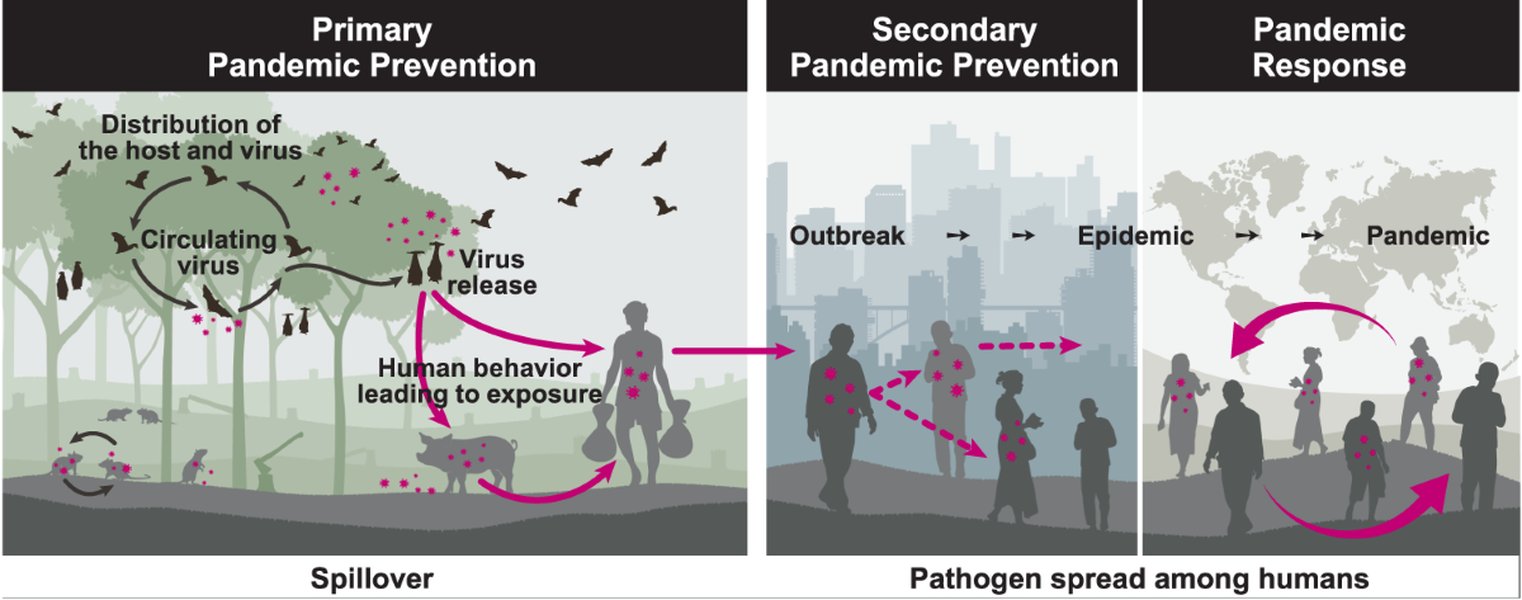
Ecological factors driving pathogen spillover risk.
Pathogen Evolution and the Enigma of Disease X
Viruses and bacteria are constantly evolving. This natural process can lead to:
- Mutations in Known Pathogens: Existing viruses, like influenza or coronaviruses, can mutate, potentially becoming more transmissible, more virulent, or capable of evading immunity acquired from previous infections or vaccinations.
- Antimicrobial Resistance (AMR): The overuse and misuse of antibiotics and other antimicrobial drugs are driving bacteria, viruses, fungi, and parasites to develop resistance. AMR represents a slow-burning global health crisis that can exacerbate pandemics by rendering treatments ineffective, leading to higher mortality rates and prolonged illness. Some pathogens, like certain strains of gonorrhea, are already showing resistance to nearly all available treatments.
- "Disease X": This term, used by the World Health Organization (WHO), represents the awareness that a future pandemic could be caused by a currently unknown pathogen. Preparedness efforts must therefore be flexible enough to handle novel threats for which specific countermeasures do not yet exist. Identifying and characterizing potential "Disease X" candidates requires robust global surveillance.
Even pathogens initially causing mild illness can pose a significant threat if they are highly transmissible, allowing them to spread widely before being detected or triggering a large-scale response.
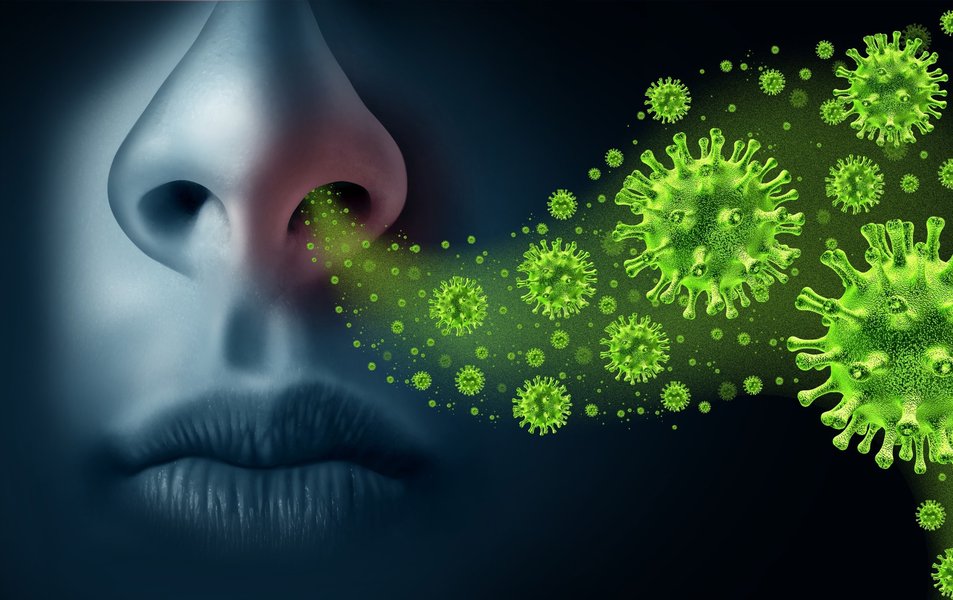
The growing list of human viruses underscores the need for preparedness against known and unknown threats.
Immunity Landscapes: Existing Conditions and the "Immunity Debt"
The susceptibility of populations plays a crucial role in how pandemics unfold. Key factors include:
- Underlying Health Conditions: Chronic diseases significantly increase the risk of severe outcomes from infections like COVID-19. Conditions such as high blood pressure (hypertension), diabetes, cardiovascular diseases, chronic lung diseases, cancer, chronic kidney disease, and immunosuppression make individuals more vulnerable. Aging populations globally mean a larger proportion of people live with these conditions.
- Socioeconomic Disparities: Unequal access to healthcare, nutrition, sanitation, and preventive measures (like vaccines) means that marginalized and disadvantaged communities often suffer disproportionately during pandemics.
- "Immunity Debt": This concept suggests that reduced exposure to common pathogens during periods of lockdown or heightened hygiene (like during the COVID-19 pandemic) might lead to decreased population-level immunity. This could potentially result in larger or more severe outbreaks of other infectious diseases (like influenza or RSV) once restrictions ease and social mixing resumes. While still under investigation, it highlights the complex, sometimes counterintuitive, consequences of pandemic control measures.
- Lifestyle Factors: Poor diets, often high in processed foods, combined with sedentary lifestyles, contribute to the prevalence of chronic conditions, indirectly increasing population vulnerability to severe pandemic impacts.
Accelerants of Spread: Global and Environmental Factors
While biological factors determine the emergence of threats, global interconnectedness and environmental changes dictate how quickly and widely they can spread.
The Double-Edged Sword of Globalization
- Rapid International Travel: Modern air travel allows infectious diseases to cross continents in hours, potentially seeding outbreaks globally before effective containment measures can be implemented. A local outbreak can rapidly become a global crisis.
- Global Trade: The movement of goods worldwide can also provide pathways for pathogens and disease vectors.
- Urbanization and Population Density: Increasingly, the world's population lives in cities. High population density and crowded living/working conditions facilitate the rapid transmission of respiratory and other infectious pathogens.
This unprecedented level of global connectivity means that geographic distance offers little protection, demanding internationally coordinated surveillance and response efforts.
Climate Change as a Risk Multiplier
Climate change is fundamentally altering ecological systems in ways that favour the emergence and spread of infectious diseases:
- Shifting Vector Ranges: Rising temperatures and changing rainfall patterns allow disease vectors like mosquitoes (carrying malaria, dengue, Zika) and ticks (carrying Lyme disease) to expand their geographic ranges into new areas where populations lack immunity.
- Altered Animal Migration: Changes in climate affect wildlife migration patterns, potentially increasing interactions between different species and creating new opportunities for pathogens to jump species barriers, including to humans.
- Extreme Weather Events: Floods, droughts, and storms can disrupt sanitation systems, displace populations into crowded shelters, contaminate water sources, and damage health infrastructure, all of which increase vulnerability to outbreaks.
- Environmental Degradation: Broader environmental damage further destabilizes ecosystems, potentially increasing zoonotic risk.
Studies suggest that the risk of extreme pandemics could significantly increase in the coming decades due to these climate-related factors, underscoring the linkage between planetary health and human health.
Visualizing the Interconnected Risks
The following mindmap illustrates how various risk factors for future pandemics are interconnected, creating a complex web of challenges that require a multi-faceted approach to mitigation.
(Habitat Loss, Wildlife Trade)"] id2["Pathogen Evolution
(Mutation, AMR, Disease X)"] id3["Population Vulnerability
(Chronic Disease, Immunity Debt)"] Environmental["Environmental Factors"] id4["Climate Change
(Vector Range Shifts, Extreme Weather)"] id5["Ecosystem Disruption
(Deforestation, Biodiversity Loss)"] Societal["Societal Factors"] id6["Globalization & Urbanization
(Travel, Density)"] id7["Misinformation & Trust Deficits"] id8["Health Inequities
(Access Disparities)"] id9["Behavioral Risks
(Lifestyle, Compliance)"] Preparedness["Preparedness & Response"] id10["Surveillance Gaps"] id11["Coordination Challenges
(Global & Local)"] id12["Underinvestment
(Healthcare, R&D)"] Technological["Technological & Security"] id13["Biosecurity Risks
(Lab Safety, Bioterrorism)"] id14["Cybersecurity Threats
(Healthcare Infrastructure)"] id15["Data Dependency Issues"]
Societal Vulnerabilities and Trust
The effectiveness of any pandemic response hinges critically on societal factors, including public behaviour, trust in institutions, and underlying inequalities.
The Human Element: Behavior, Trust, and Misinformation
- Public Trust: Trust in governments, health authorities, and science is paramount during a health crisis. A lack of trust can lead to reduced compliance with public health measures (like mask-wearing, social distancing, or vaccination), hindering containment efforts. Lessons from COVID-19 indicate this is a critical area needing reinforcement.
- Misinformation and Disinformation: The rapid spread of false or misleading information ("infodemic") via social media and other channels can sow confusion, erode trust, promote dangerous behaviours, and undermine effective public health messaging. Combating misinformation is a major challenge for future pandemic preparedness.
- Vaccine Hesitancy: Doubts about vaccine safety or efficacy, often fueled by misinformation, can lead to suboptimal vaccination rates, leaving populations vulnerable even when effective vaccines are available.
- Behavioral Fatigue: Prolonged adherence to restrictive public health measures can lead to fatigue and reduced compliance over time.
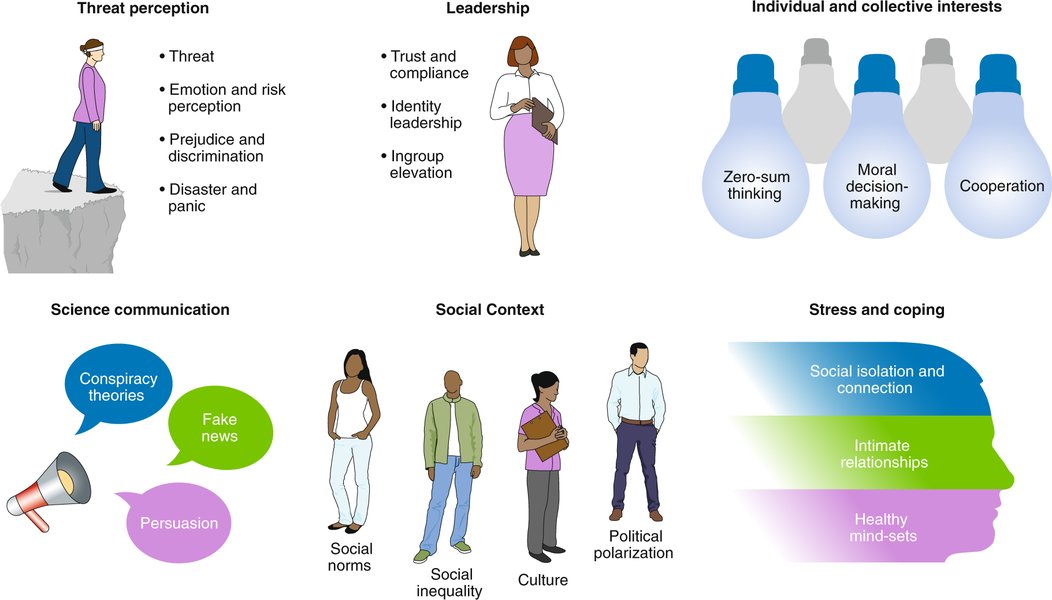
Social and behavioral sciences are crucial for understanding and supporting public health responses during pandemics.
Health Inequities and Systemic Weaknesses
- Access Disparities: Unequal access to quality healthcare, diagnostics, treatments, and vaccines based on socioeconomic status, race, ethnicity, or geographic location exacerbates the impact of pandemics on marginalized communities.
- Healthcare System Strain: Pandemics place immense strain on healthcare systems. Weak or underfunded primary healthcare infrastructure can be quickly overwhelmed, leading to breakdowns in essential services beyond the pandemic response itself.
- Vulnerable Populations: Displaced persons, refugees, and migrant populations often face elevated risks due to poor living conditions, inadequate sanitation and nutrition, and limited access to healthcare.
Addressing these systemic inequities is crucial not only for ethical reasons but also because diseases do not respect borders or social strata; protecting the most vulnerable helps protect everyone.
Preparedness Gaps and Technological Challenges
Despite advances in science and lessons from past outbreaks, significant gaps remain in global and national pandemic preparedness systems, alongside new risks emerging from technology.
The Preparedness Paradox: Lessons Learned (or Not?)
While the COVID-19 pandemic spurred some action, concerns persist about whether the world is truly better prepared for the next major outbreak:
- Underinvestment: Sustained funding for pandemic preparedness often wanes between crises. Investments in primary healthcare, public health infrastructure, surveillance systems, research and development (R&D) for vaccines and treatments, and workforce training are often insufficient.
- Surveillance Gaps: Early detection is key. However, many countries, particularly LMICs, lack robust systems for monitoring zoonotic threats in animals and detecting unusual disease clusters in humans quickly.
- Coordination Challenges: Effective response requires seamless coordination locally, nationally, and internationally. Political friction, data sharing barriers, and differing national priorities can impede rapid, unified action. The WHO is working on a global pandemic agreement to address some of these issues, focusing on equity and coordinated response, but progress faces challenges.
- Incorporating Lessons: Experts worry that crucial lessons from COVID-19 regarding supply chain resilience, equitable distribution of resources, clear communication, and adapting strategies have not been fully institutionalized globally.
Emerging Technological and Security Risks
While technology offers powerful tools for pandemic response, it also introduces new vulnerabilities:
- Biosecurity and Laboratory Safety: Increased research on potentially dangerous pathogens, while necessary, carries inherent risks of accidental laboratory leaks or deliberate misuse (bioterrorism). Strong biosecurity protocols and oversight are essential.
- Cybersecurity Threats: Healthcare systems, research labs, and vaccine distribution networks are increasingly reliant on digital infrastructure, making them targets for cyberattacks that could disrupt operations, compromise sensitive data, or cripple response efforts during a crisis.
- Data Dependence: Over-reliance on complex digital tools and data systems can create vulnerabilities if these systems fail or are disrupted during an emergency.
Comparative Pandemic Risk Factors
The following radar chart provides a visual representation of the perceived magnitude of various key risk factors contributing to future pandemics, based on current expert consensus and evidence. It highlights the multi-dimensional nature of the threat landscape. Note that these are relative assessments and the interplay between factors is crucial.
This chart illustrates that factors like zoonotic potential and pathogen evolution remain high concerns, closely followed by the accelerating impacts of climate change and globalization. Preparedness gaps and societal issues like misinformation also pose substantial risks that can undermine responses to biological threats.
Economic Ripples and Lingering Impacts
Pandemics inflict devastating human costs, but they also cause profound economic disruption and expose societal fragilities that can increase vulnerability to future crises. The post-COVID-19 era highlights ongoing economic risks:
- Economic Uncertainty: The pandemic's effects continue to influence financial markets, requiring careful risk management and long-term investment strategies. Economic instability can reduce resources available for health preparedness.
- Strain on Essential Services: Lingering economic impacts and shifting government priorities can lead to funding challenges for essential social safety nets and services (like housing assistance programs mentioned in one source), potentially increasing hardship and vulnerability among populations, which can be exacerbated by future health crises.
- Impact on Health Behaviors: Disruptions caused by pandemics can have lasting effects on health-seeking behaviors. For instance, setbacks in areas like cancer prevention screening during COVID-19 might lead to delayed diagnoses and potentially worse health outcomes down the line, affecting overall population health resilience.
Addressing these underlying economic and societal vulnerabilities is an often-overlooked aspect of comprehensive pandemic preparedness.
Summary Table of Key Pandemic Risks
This table summarizes the major categories of risk factors discussed, their primary drivers, and potential consequences.
| Risk Factor Category | Key Drivers | Potential Consequences |
|---|---|---|
| Zoonotic Spillover | Deforestation, habitat loss, wildlife trade, agricultural intensification | Emergence of novel pathogens (like new coronaviruses, influenzas) |
| Climate Change | Greenhouse gas emissions, environmental degradation | Expanded vector ranges, increased frequency/intensity of outbreaks, ecosystem disruption |
| Globalization & Urbanization | International travel, global trade, population density | Rapid global spread of pathogens, difficulty in containment |
| Pathogen Evolution & AMR | Natural mutation, overuse of antimicrobials | Emergence of more transmissible/virulent strains, treatment failures (AMR), threat of "Disease X" |
| Societal Factors | Misinformation, public trust deficits, health inequities, behavioral fatigue | Reduced compliance with public health measures, disproportionate impact on vulnerable groups, hampered response efforts |
| Preparedness Gaps | Underinvestment, surveillance weaknesses, coordination issues | Delayed detection, inadequate response capacity, failure to contain outbreaks early |
| Technological & Security Risks | Increased biotech research, digital dependence, cyber threats | Accidental releases, bioterrorism potential, disruption of health infrastructure |
Preparing for the Unknown: The Specter of Disease X
One of the most significant challenges in pandemic preparedness is planning for threats that we cannot yet specifically identify - the so-called "Disease X". The following video explores the concept of Disease X and questions our readiness for the next major unknown pathogen.
Exploring the challenge of preparing for unknown future pandemics.
The video underscores the importance of building robust, flexible health systems capable of detecting and responding rapidly to any unusual health event, regardless of the specific cause. This involves strengthening core public health capacities like surveillance, laboratory diagnostics, and communication networks, as well as investing in platform technologies that can be quickly adapted to develop vaccines and treatments for new pathogens.
Frequently Asked Questions (FAQ)
What is "Disease X" and why is it a concern?
"Disease X" is a placeholder name used by the World Health Organization (WHO) to represent a hypothetical, currently unknown pathogen that could cause a future epidemic or pandemic. It's a concern because history has shown that new diseases emerge unpredictably (like SARS-CoV-2 did). By planning for "Disease X," health organizations emphasize the need for flexible preparedness strategies and R&D efforts that can rapidly adapt to novel threats, rather than solely focusing on known diseases.
How exactly does climate change increase pandemic risk?
Climate change increases pandemic risk in several ways: 1) It alters habitats, forcing wildlife (potentially carrying novel viruses) into closer contact with humans and livestock. 2) Warmer temperatures and changing rainfall patterns allow disease vectors like mosquitoes and ticks to survive in new regions, expanding the geographic range of diseases like dengue, malaria, and Lyme disease. 3) Extreme weather events (floods, droughts) can disrupt sanitation, contaminate water, displace people into crowded conditions, and damage health infrastructure, creating ideal conditions for outbreaks.
What role does misinformation play in pandemics?
Misinformation (false information spread unintentionally) and disinformation (false information spread intentionally) can severely undermine pandemic responses. They can erode public trust in health authorities and science, lead people to reject proven preventive measures (like vaccines or masks), promote ineffective or dangerous "cures," and sow social division. This makes it harder to control the spread of disease and protect vulnerable populations. An "infodemic" often accompanies an epidemic, requiring active management.
Are we better prepared now than before COVID-19?
There have been improvements in some areas, such as accelerated vaccine development technologies (like mRNA platforms) and increased global awareness. However, many experts express concern that fundamental weaknesses remain. These include persistent underfunding of public health infrastructure, gaps in global surveillance and coordination, ongoing challenges with equitable access to resources, and the erosion of public trust in some regions. While some lessons were learned, there's debate about whether they've been sufficiently integrated into robust, sustainable preparedness systems worldwide.
What is antimicrobial resistance (AMR) and how does it relate to pandemics?
Antimicrobial resistance (AMR) occurs when bacteria, viruses, fungi, and parasites evolve to no longer respond to the medicines used to treat them (like antibiotics for bacteria). AMR is a major global health threat on its own, but it can also worsen pandemics. During a viral pandemic (like influenza or COVID-19), patients can develop secondary bacterial infections. If these bacteria are resistant to antibiotics, treatment becomes difficult or impossible, leading to higher mortality rates and longer hospital stays, further straining healthcare systems already burdened by the pandemic.
Recommended
- What steps are being taken globally to improve pandemic preparedness?
- How does the concept of "One Health" help prevent future pandemics?
- Explore the role of climate change in the emergence of infectious diseases.
- What can individuals do to help mitigate pandemic risks?
References
Last updated May 4, 2025