
Navigating the Landscape of Future Pandemic Risks
Understanding the Evolving Threats and Enhancing Global Preparedness for Tomorrow's Health Crises
- Zoonotic Spillover: A staggering 75% of emerging infectious diseases originate from animals, making the human-animal interface a primary concern for future pandemics.
- Climate Change and Urbanization: Alterations in climate patterns, increased global travel, and rapid urbanization are significantly accelerating the frequency and spread of infectious disease outbreaks.
- Societal Vulnerabilities: Declining vaccination rates, widespread misinformation, and a lack of international trust hinder effective public health responses and amplify the impact of emerging pathogens.
The Inevitable Reality of Future Pandemics
The question of whether another pandemic will strike is not "if," but "when." Experts broadly agree that future pandemics are inevitable, a reality underscored by the lessons learned from COVID-19 and the continuous emergence of new and re-emerging pathogens. The global community now faces a critical imperative to adapt, protect, and connect to build resilience against forthcoming health crises. The annual likelihood of a pandemic similar to COVID-19 is estimated at 2-3%, translating to a 47-57% probability of experiencing another deadly outbreak within a lifetime. This underscores the urgency of proactive preparedness rather than reactive crisis management.
Key Drivers Increasing Pandemic Risk
Several interconnected factors contribute to the heightened risk of future pandemics. These drivers often amplify each other, creating a complex and challenging environment for global health security.
Zoonotic Spillover: The Animal-Human Connection
A significant majority of emerging infectious diseases, approximately 75%, are zoonotic, meaning they originate in animals and then "spill over" into human populations. This phenomenon is exacerbated by:
- Intensive Farming Practices: Large-scale agricultural operations can create environments where viruses can mutate and jump from animals to humans more easily.
- Human Encroachment on Wildlife Habitats: As human populations expand and increasingly interact with wild animals, the opportunities for pathogens to cross species barriers increase. Deforestation, in particular, has been identified as a factor creating high-risk areas for new pandemics, especially in regions like South America.
- Global Movement of Animals: The international trade and movement of livestock and other animals can facilitate the rapid spread of novel pathogens across continents.
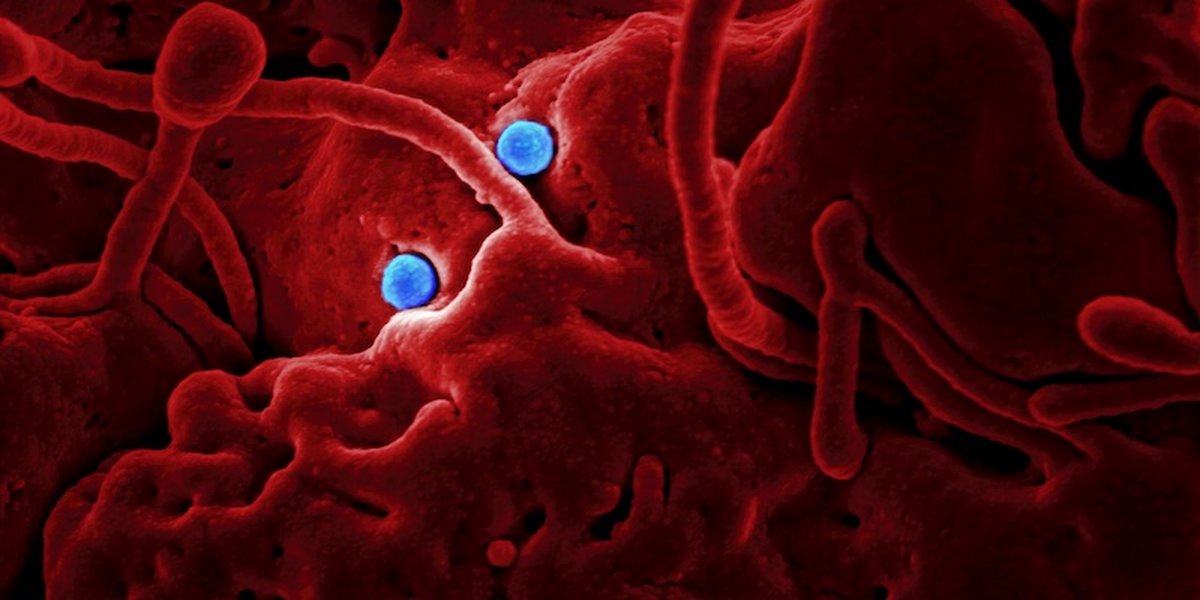
A microscopic view of a virus, symbolizing the constant threat of emerging pathogens.
Environmental Changes: Climate and Urbanization
Climate change and rapid urbanization are powerful forces reshaping the epidemiological landscape:
- Climate Change: Alterations in climate patterns directly influence the geographical distribution of disease vectors (like mosquitoes) and pathogens. Warmer temperatures can extend the breeding seasons and ranges of disease-carrying insects, leading to outbreaks in new areas. For instance, dengue is expected to grow as a problem in the U.S. due to climate change.
- Urbanization and Increased Travel: Growing urban centers, often with high population densities and inadequate sanitation, can become hotbeds for rapid disease transmission. Coupled with increased global travel, pathogens can spread across the world in a matter of days, making containment far more challenging than in previous eras.
Societal and Geopolitical Factors
Beyond biological and environmental drivers, various societal and geopolitical issues profoundly influence pandemic risk and response:
- Declining Vaccination Rates and Misinformation: A resurgence of vaccine-preventable diseases, such as measles, is a direct consequence of declining vaccination rates and the pervasive spread of misinformation and distrust in public health institutions. This erodes herd immunity and makes populations more vulnerable to outbreaks.
- Lack of Trust and Inequity: Mistrust between and within countries, as well as significant inequities in healthcare access and resources, hamper coordinated global responses. The "no one is safe until everyone is safe" adage highlights the interconnectedness of global health security.
- Cyber-attacks and Biosecurity Threats: The evolving landscape of threats includes cyber-attacks targeting health infrastructure and heightened biosecurity risks, which could cripple response efforts or even lead to the intentional or accidental release of dangerous pathogens.
- Political Will and Funding: There is a risk that, as the memory of COVID-19 fades, politicians may lose the will to fund and drive the measures needed to maintain and improve global preparedness. The UN Secretary-General, António Guterres, warned that the world remains "woefully unprepared" for the next pandemic.
Potential Pathogens on the Horizon
While the next pandemic could emerge as a novel "Disease X" – an unknown pathogen with pandemic potential – experts are also monitoring several known diseases and viral families closely:
- Influenza Viruses (e.g., H5N1 "Bird Flu"): Influenza A subtype H5N1 is currently causing significant concern. While it primarily affects birds, its spread to dairy animals and limited human infections highlight its potential. A single mutation could enable human-to-human transmission, leading to a pandemic. Many vaccines against various strains, including H5N1, have already been developed, but producing them at scale and speed remains a massive logistical challenge.
- Measles: Despite being vaccine-preventable, measles outbreaks have occurred globally due to declining vaccination rates. It is a highly contagious illness and a serious public health concern.
- Mpox: Although the mpox health emergency has officially ended, recent outbreaks are a reminder of its potential to re-emerge and test global solidarity in response.
- Dengue: Climate change is expanding the geographical range of dengue-carrying mosquitoes, making it a growing threat, particularly in the U.S.
- Known Viruses with Evolving New Variants: The SARS-CoV-2 virus (which causes COVID-19) continues to evolve, and future variants could pose new challenges.
- Newly Identified Viruses: Scientists are constantly discovering new viruses, and human encroachment on natural habitats increases the risk of these unknown pathogens spilling over into human populations.
An illustration depicting the transmission of respiratory viruses, underscoring the risk of airborne spread.
The "Disease X" Scenario
The concept of "Disease X" is a placeholder name used by the World Health Organization (WHO) for an unknown pathogen that could emerge in the future and cause a serious international epidemic or pandemic. It was included in the WHO's Blueprint list of priority diseases for research and development, emphasizing preparedness for the unexpected. While it's likely the next pandemic could be a novel Disease X, known pathogens mutating and re-emerging also pose a significant risk.
Global Preparedness and Mitigation Strategies
The COVID-19 pandemic exposed critical weaknesses in global preparedness, but it also spurred unprecedented collaboration and innovation. Moving forward, a robust global strategy for pandemic preparedness is essential, focusing on adapting to risks, protecting communities, and strengthening cross-sector connections.
This United Nations video provides a clear overview of the proposed WHO pandemic treaty, explaining its significance and how it aims to improve global prevention, detection, and response to future outbreaks. It highlights the international efforts to create a more coordinated and equitable framework for addressing pandemics.
Key Pillars of Preparedness
Effective pandemic preparedness rests on several crucial pillars:
| Pillar | Description | Examples of Action |
|---|---|---|
| Strengthening Surveillance Systems | Early detection and rapid response to emerging threats are paramount. This involves robust monitoring of disease outbreaks in both human and animal populations. | Investing in global pathogen detection networks, strengthening laboratory capacities, and utilizing advanced data analytics for real-time tracking. |
| Investing in Research & Development | Accelerating the development of vaccines, diagnostics, and treatments for known and unknown pathogens. | Funding early-stage research on pandemic pathogens, developing platform technologies for rapid vaccine production, and diversifying response plans. |
| Building Resilient Health Systems | Ensuring that healthcare infrastructures can withstand surges in demand and maintain essential services during a crisis. | Increasing healthcare workforce capacity, improving supply chains for medical equipment and PPE, and ensuring equitable access to care. |
| Combating Misinformation | Addressing the spread of false information that undermines public health efforts and promotes vaccine hesitancy. | Developing effective risk communication strategies, fostering trust in scientific authorities, and promoting evidence-based public discourse. |
| Fostering International Collaboration | Recognizing that pandemics know no borders, coordinated global action is essential for prevention and response. | Negotiating international agreements like the WHO Pandemic Agreement, sharing data and resources, and implementing "One Health" approaches that integrate human, animal, and environmental health. |
Assessing Global Vulnerabilities and Capacities
To better understand the complexities of global preparedness, a radar chart can visualize different dimensions of risk and readiness. This chart offers an opinionated analysis of current global standing in key areas relevant to pandemic threats.
This radar chart illustrates a conceptual assessment of current global readiness for pandemics against a desired target. The "Pathogen Emergence Risk" axis indicates that the likelihood of new pathogens emerging is high (closer to 10), while the target is to reduce this risk significantly. Conversely, for areas like "Global Surveillance Capacity," "Healthcare System Resilience," "International Cooperation," and "Research & Development Funding," current levels are lower than the target, signifying areas requiring substantial investment and improvement. "Public Trust & Information" shows a particularly large gap, reflecting the challenges posed by misinformation and declining public trust, which significantly impede effective pandemic response. This visualization highlights the critical need for a holistic and sustained approach to global health security, addressing not only biological threats but also the societal and political factors that amplify their impact.
Frequently Asked Questions (FAQ)
What is "Disease X"?
How likely is another pandemic in the near future?
What are the primary drivers of increased pandemic risk?
Are we better prepared for the next pandemic than for COVID-19?
What role does misinformation play in pandemic risk?
Conclusion: A Call for Sustained Vigilance and Unified Action
The threat of future pandemics is a persistent and growing concern, driven by a complex interplay of biological, environmental, and societal factors. While the specific pathogen for the next major outbreak remains uncertain, the lessons from COVID-19 underscore the critical need for proactive, sustained, and globally coordinated preparedness efforts. Investing in robust surveillance, accelerating research and development, building resilient health systems, and fostering international collaboration are not merely health imperatives but moral and economic necessities. The challenges of misinformation, vaccine hesitancy, and geopolitical distrust must be actively addressed to ensure a unified and effective response when the next pandemic inevitably arrives. Our collective future depends on our ability to learn from the past, anticipate emerging threats, and commit to comprehensive global health security.
Recommended Further Exploration
- Explore how global health security indexes measure country preparedness.
- Investigate the specific ways climate change influences the spread of infectious diseases.
- Delve into the ongoing negotiations and objectives of the World Health Organization's new pandemic agreement.
- Learn about effective strategies to counter misinformation and build public trust in health initiatives.
References
Last updated May 21, 2025