
Unraveling the Mystery of "Gaarden Hoe Bier": A Journey Through Belgian Witbier Heritage
Delving into the Origins, Characteristics, and Cultural Significance of a Beloved Beer Style
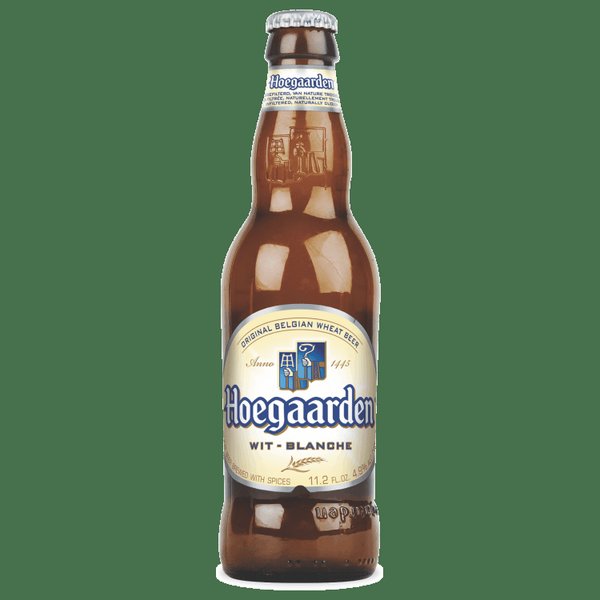
The term "Gaarden Hoe Bier" is a fascinating play on words that primarily refers to a style of beer known as Hoegaarden Witbier, or Belgian white beer. While "Gaarden Hoe" itself isn't a direct historical term for a specific beer brand, it is widely used in the homebrewing community and by certain breweries as an ode to the original Hoegaarden Witbier. It encapsulates the essence of this traditional Belgian style, known for its refreshing qualities, unique ingredients, and a rich history tied to a small village in Belgium.
Key Highlights of "Gaarden Hoe Bier"
- A Homage to Hoegaarden Witbier: "Gaarden Hoe Bier" is predominantly a phonetic and thematic reference to the iconic Hoegaarden Belgian Witbier, a style revered for its distinctive character.
- Rooted in Belgian Tradition: The term connects directly to the historical brewing practices of the village of Hoegaarden, Belgium, where monks pioneered the use of spices and unmalted wheat centuries ago.
- Characterized by Unique Flavors: True to the witbier style, "Gaarden Hoe Bier" implies a beer with citrusy notes from bitter orange peel, spicy hints from coriander, and a hazy, pale appearance due to its unfiltered nature and significant wheat content.
The Linguistic and Historical Roots of "Gaarden Hoe Bier"
Deciphering the Name's Significance
To understand "Gaarden Hoe Bier," it's crucial to first look at "Hoegaarden" itself. Hoegaarden (pronounced "who garden" or /ˈhuːɡɑːrdən/ HOO-gar-dən) is a small village in the Flemish region of Belgium that holds immense historical significance in the world of beer. It is the birthplace of the Belgian witbier, or "white beer," a style that sets itself apart from other wheat beers like German Hefeweizens due to its specific brewing techniques and ingredients.
The "Gaarden Hoe" part of the term is a playful phonetic approximation of "Hoegaarden," deliberately chosen by homebrew supply companies and some craft brewers. It evokes the imagery of a "garden" (gaarden) or an agricultural setting, nodding to the natural ingredients and traditional, almost rustic, origins of this beer style. "Hoe" in this context is simply part of the phonetic similarity, completing the allusion to Hoegaarden.
The Ancient Craft of Hoegaarden
The history of witbier in Hoegaarden stretches back to the Middle Ages. Monks in the village were instrumental in developing this unique brewing tradition. They experimented with adding "oddball" ingredients like orange peel and coriander to their wheat beers, distinguishing them from the more hop-forward or malt-centric brews common elsewhere. By the 19th century, the village of Hoegaarden was a thriving brewing hub, boasting thirteen breweries and nine distilleries.
However, this rich tradition faced a decline. By 1957, the last local wheat beer brewery in Hoegaarden, Tomsin, closed its doors, leaving the witbier style on the brink of extinction. This void set the stage for its dramatic revival.
The Revival by Pierre Celis: A Milkman's Legacy
The modern story of Hoegaarden witbier, and by extension, the inspiration for "Gaarden Hoe Bier," is inextricably linked to Pierre Celis. A local milkman who had worked at the Tomsin brewery in his youth, Celis decided in 1965 to resurrect the classic witbier tradition. He purchased brewing equipment and, drawing on his experience and local memories of the beer's taste and appearance, recreated the recipe.
Celis's new brewery, named De Kluis (meaning "cloister" in honor of the brewing monks), brought the Hoegaarden witbier back to life. His efforts were incredibly successful, leading to Hoegaarden's widespread popularity in Belgium and across the globe. By 1985, the brewery was producing an impressive 75,000 hectoliters of beer annually.
Although a fire tragically destroyed the brewery in 1985, and Celis later sold it to Interbrew (now AB InBev), his legacy endures. He even moved to the United States to establish the Celis Brewery in Austin, Texas, continuing to brew a wheat beer he considered to be the "original Hoegaarden recipe." The continued existence and popularity of Hoegaarden Witbier today solidify its status as a benchmark for the style, inspiring the "Gaarden Hoe Bier" clones and homages.
Defining the Witbier Style: What Makes "Gaarden Hoe Bier" Unique?
Characteristic Flavors and Appearance
"Gaarden Hoe Bier," as an ode to the Belgian witbier, embodies a distinct set of characteristics that make it highly recognizable and refreshing. Unlike many other beer styles, witbiers de-emphasize hops, focusing instead on a complex interplay of malt, wheat, yeast, and spices.
Here are the key features that define this style:
- Hazy Appearance: Witbiers are unfiltered, giving them a hazy, or milky, appearance. This "white" or "wit" characteristic is a defining visual trait.
- Unmalted Wheat: A significant portion (often 50% or more) of the grain bill consists of unmalted wheat, contributing to the beer's light body, silky mouthfeel, and unique bready notes. This is often complemented by traditional pilsner malt.
- Spice Additions: The hallmark of a witbier is the inclusion of specific spices. Coriander and bitter orange peel (often Curaçao orange peel) are quintessential, lending tart, citrusy, and subtly spicy undertones. These additions are what truly differentiate it from other wheat beers.
- Low Hop Profile: Hops are used sparingly, primarily for balance, contributing very little bitterness or hop aroma. Saaz hops are sometimes employed for a faint spiciness.
- Yeast Characteristics: Belgian witbier yeast strains contribute fruity and phenolic notes, such as subtle banana or clove, which complement the citrus and spice additions without overpowering them.
- Refreshing Quality: The combination of light body, effervescence, and bright flavors makes witbier an exceptionally refreshing beer, particularly popular in warmer climates.
The "Gaarden Hoe" Brewing Process
For homebrewers and smaller craft breweries attempting to replicate the "Gaarden Hoe" or Hoegaarden style, the process involves careful attention to these key ingredients and steps:
- Malt Bill: A blend of flaked wheat (or unmalted wheat) and pilsner malt is fundamental.
- Mashing: A specific mash schedule is often used to ensure proper conversion of starches and to achieve the desired body and mouthfeel.
- Boil Additions: Hops are added early in the boil for a modest, grounded hop profile. Later in the boil, or even during whirlpool, the crucial bitter orange peel and crushed coriander seeds are added to infuse their distinctive flavors and aromas.
- Fermentation: A traditional Belgian witbier yeast strain is used, fermented at specific temperatures to bring out the desired fruity and spicy esters.
- Unfiltered Finish: The beer is left unfiltered, preserving its natural haze and contributing to its creamy mouthfeel.
Many "Gaarden Hoe" recipe kits, such as those from Northern Brewer and Midwest Supplies, exemplify this approach, allowing enthusiasts to brew their own versions of this historic and refreshing Belgian wit.
A classic glass of Hoegaarden Witbier, showcasing its signature hazy appearance.
Cultural Impact and Modern Interpretations
Beyond the Brewery: The Global Reach of Witbier
Hoegaarden Witbier, the original "Gaarden Hoe," is enjoyed in over 70 countries worldwide. Its success has made it the global standard for the Belgian white beer style. This widespread popularity has not only cemented its place in beer history but also inspired countless interpretations and homages, including the "Gaarden Hoe Bier" designation used in the homebrewing community.
The beer's unique profile—unfiltered, citrusy, and spiced—stood apart from mainstream lagers even before the modern craft beer movement. It encouraged consumers to reconsider beer-serving temperatures and glassware, paving the way for a more nuanced appreciation of diverse beer styles.
Comparative Analysis: "Gaarden Hoe Bier" Characteristics
To further illustrate the distinctive profile of a "Gaarden Hoe Bier" (representative of a classic Hoegaarden Witbier), let's consider a radar chart comparing its perceived characteristics against a hypothetical average wheat beer and a more hop-forward ale.
This radar chart visually represents how "Gaarden Hoe Bier" (Hoegaarden Witbier) excels in areas like citrus notes, coriander spice, haze, and refreshing quality, while maintaining a low hop bitterness. This distinct profile highlights its departure from other beer styles and underscores its enduring appeal.
The Enduring Appeal of Witbier
The refreshing nature of witbier makes it a popular choice, especially during warmer months. Its approachable flavor profile, with its fruit and spice notes, appeals to a broad range of beer drinkers, even those new to craft beer. The "Gaarden Hoe" designation reflects this enduring appeal and the desire of brewers, both commercial and amateur, to recreate and celebrate this classic style.
For those interested in the brewing process and the history of witbier, here's a relevant video:
A look into the history and brewing of Hoegaarden, a classic Belgian wheat beer.
Understanding "Witbier" vs. "Wheat Beer"
A Crucial Distinction
It's important to clarify the difference between "witbier" and the broader category of "wheat beer." While all witbiers are wheat beers, not all wheat beers are witbiers. This distinction is key to understanding the specific characteristics of "Gaarden Hoe Bier."
| Feature | Witbier (e.g., Hoegaarden/Gaarden Hoe Bier) | General Wheat Beer (e.g., German Hefeweizen) |
|---|---|---|
| Origin | Belgium (specifically Hoegaarden) | Primarily Germany |
| Name Meaning | "White Beer" (due to hazy appearance) | "Wheat Beer" |
| Key Spices/Additions | Coriander, bitter orange peel (Curaçao) | Typically no added spices; flavor comes from yeast |
| Yeast Character | Subtle fruity/phenolic notes that complement spices | Strong banana and clove notes from yeast |
| Hop Emphasis | De-emphasized, low bitterness | Low bitterness, but some hop aroma may be present |
| Malt Bill | Unmalted wheat, pilsner malt | Malted wheat, barley malt |
| Appearance | Very hazy, milky, pale yellow | Hazy to clear, straw to golden |
This table highlights how "Gaarden Hoe Bier," as a witbier, stands out due to its deliberate inclusion of spices and the use of unmalted wheat, creating a flavor profile distinct from other wheat beer styles like the well-known German Hefeweizen.
Frequently Asked Questions (FAQ)
What is the origin of Hoegaarden beer?
How is "Gaarden Hoe Bier" pronounced?
What are the main ingredients in Hoegaarden Witbier?
Is Hoegaarden a craft beer?
What is the difference between a witbier and a hefeweizen?
Conclusion
The term "Gaarden Hoe Bier" serves as a delightful and accurate homage to the world-renowned Hoegaarden Witbier, a beer style with centuries of history rooted in a small Belgian village. From its monastic origins to its revival by Pierre Celis, Hoegaarden Witbier has set the standard for Belgian white beers, characterized by its refreshing blend of unmalted wheat, subtle hop bitterness, and distinctive notes of coriander and bitter orange peel. "Gaarden Hoe Bier" embraces these core attributes, celebrating the enduring legacy of a beer that has captivated palates worldwide and continues to be a favorite among those seeking a unique and flavorful brew.
Recommended Further Exploration
- History of Belgian Witbier and its evolution
- Pierre Celis' influence on Belgian beer revival
- Homebrewing recipes for Belgian Witbier
- Distinctive characteristics of different wheat beer styles
References
 beerwithus1.wordpress.com
Last updated May 21, 2025