
Decoding Gabapentin: How It Aids Canine Companions After Snake Encounters
Unveiling the role of this versatile medication in managing pain and discomfort in dogs bitten by snakes.
When a beloved canine friend suffers a snake bite, the experience is distressing for both the pet and the owner. While immediate veterinary attention and antivenom (if applicable) are paramount, managing the subsequent pain and distress is a critical part of the recovery process. Gabapentin, a medication widely used in veterinary medicine, often plays a supportive role in these scenarios. This comprehensive guide explores how gabapentin works to help dogs recuperating from snake bites.
Key Insights: Gabapentin in Canine Snake Bite Recovery
- Pain Alleviation Focus: Gabapentin primarily targets neuropathic pain (nerve-related pain) which can be a significant consequence of snake envenomation and associated tissue damage.
- Adjunctive Therapy: It is crucial to understand that gabapentin is not an antidote for snake venom. It serves as an adjunctive, or supportive, treatment alongside primary interventions like antivenom and wound care.
- Multifaceted Benefits: Beyond pain relief, gabapentin can also help reduce anxiety and restlessness in dogs, promoting a calmer recovery period.
Understanding Gabapentin: A Veterinary Ally
Gabapentin is an anticonvulsant and analgesic medication. While not FDA-approved specifically for animal use in all regions, it's commonly prescribed "off-label" by veterinarians for various conditions in dogs, including chronic pain, seizures, and anxiety. Its utility in snake bite cases stems from its effectiveness in managing specific types of pain and its calming properties.
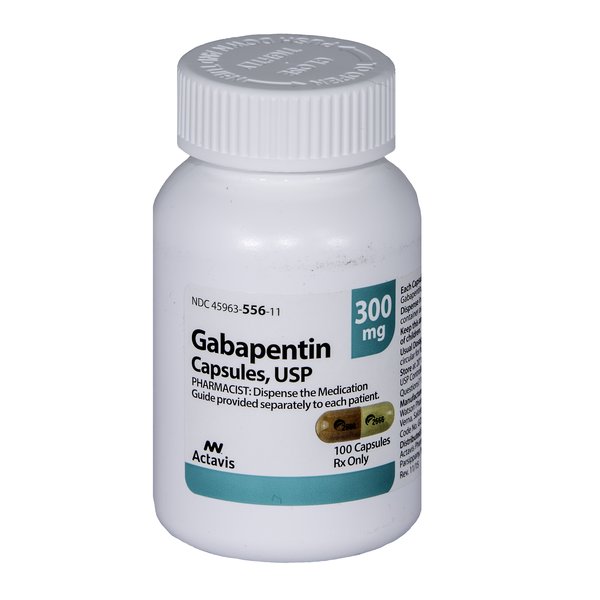
Gabapentin is available in various forms, including capsules, for veterinary use.
The Mechanism: How Gabapentin Eases Discomfort
Targeting Nerve Signals
The exact mechanism of gabapentin isn't fully elucidated, but it's understood to exert its effects within the central nervous system. It is structurally similar to the neurotransmitter gamma-aminobutyric acid (GABA), an inhibitory neurotransmitter, but it doesn't appear to bind directly to GABA receptors or significantly influence GABA metabolism.
Instead, gabapentin is believed to bind to a specific subunit (alpha-2-delta) of voltage-gated calcium channels on presynaptic neurons. This interaction is thought to modulate calcium influx into nerve cells. By reducing calcium flow, gabapentin can decrease the release of excitatory neurotransmitters, such as glutamate and substance P. These neurotransmitters play a key role in transmitting pain signals and contributing to nerve hyperexcitability. Essentially, gabapentin helps to "calm down" overstimulated neurons, thereby reducing the perception of pain, particularly pain that is neuropathic in origin.
Impact on Snake Bite Pain
Snake venom can cause intense pain through several mechanisms:
- Direct Tissue Damage: Venom components can destroy cells and tissues, leading to inflammation and pain.
- Nerve Damage: Some venoms have neurotoxic components that can directly damage nerves or alter their function, leading to neuropathic pain. This type of pain is often described as burning, tingling, or shooting and can be persistent.
- Inflammation: The body's inflammatory response to venom and tissue injury also contributes significantly to pain.
Gabapentin is particularly useful for the neuropathic component of pain following a snake bite. It helps to dampen the overactive pain signals originating from damaged or irritated nerves.

Snake bites can cause significant localized pain, swelling, and tissue damage, often requiring multifaceted pain management.
Gabapentin's Role in the Broader Treatment Plan
When a dog is bitten by a snake, veterinary treatment is a multi-pronged approach. Gabapentin fits into this plan as a supportive measure.
Pain Management Strategy
Gabapentin is often part of a multimodal pain management strategy. This means it might be used in conjunction with other types of pain relievers, such as:
- Opioids: For severe, acute pain immediately following the bite.
- Non-Steroidal Anti-Inflammatory Drugs (NSAIDs): To reduce inflammation and associated pain, used cautiously depending on the dog's overall condition and potential venom effects on organs like kidneys.
By combining medications that work through different mechanisms, veterinarians can achieve more effective pain control while potentially reducing the required dosage (and side effects) of each individual drug.
Anxiety and Sedation
A traumatic event like a snake bite, coupled with intense pain, can understandably cause significant anxiety and restlessness in dogs. Gabapentin possesses mild sedative and anxiolytic (anxiety-reducing) properties. This can be beneficial in keeping the dog calm, promoting rest, and facilitating recovery. A calmer dog is also easier to manage and treat.
Administration and Onset of Action
Gabapentin is typically administered orally, in capsule, tablet, or liquid form. Effects are generally noticeable within 1 to 2 hours of administration. For pain management, veterinarians often start with a lower dose and may gradually increase (titrate) it to find the most effective and well-tolerated level for the individual dog. During this titration period, other analgesics may be used to ensure continuous pain relief.
Visualizing Gabapentin's Therapeutic Contributions
The following chart illustrates the perceived contribution of gabapentin to various aspects of managing a dog after a snake bite, compared to an idealized comprehensive treatment approach. It's important to remember gabapentin is one part of a larger strategy.
This radar chart highlights that while gabapentin excels in adjunctive care and neuropathic pain control, it is not a primary antidote and its effects on acute pain and sedation levels are variable or secondary.
Key Considerations and Precautions
While generally considered safe when prescribed and monitored by a veterinarian, there are important precautions associated with gabapentin use in dogs:
Potential Side Effects
The most common side effects of gabapentin in dogs include:
- Sedation or Drowsiness: This is particularly noticeable with initial doses or higher dosages. It usually subsides within 24 hours or as the dog develops tolerance.
- Ataxia (Loss of Coordination): Dogs may appear wobbly or uncoordinated. This effect also tends to diminish with time.
- Gastrointestinal Upset: Less commonly, vomiting or diarrhea can occur.
In the context of a snake bite, where a dog might already be weak or lethargic from envenomation, the sedative effects of gabapentin need to be carefully monitored.
Important Safety Warnings
- Xylitol Toxicity: Human liquid formulations of gabapentin often contain xylitol, an artificial sweetener that is highly toxic and potentially fatal to dogs. Only veterinary-specific formulations or those compounded by a pharmacy for animal use should be given to dogs.
- Kidney or Liver Disease: Gabapentin is primarily metabolized and excreted by the kidneys. Dogs with impaired kidney or liver function may process the drug more slowly, potentially leading to an accumulation and increased risk of side effects. Dosage adjustments are often necessary in such cases.
- Allergic Reactions: Though rare, allergic reactions to gabapentin can occur. Signs include swelling, hives, or difficulty breathing.
- Gradual Discontinuation: If gabapentin has been used long-term, it should not be stopped abruptly, as this can sometimes lead to withdrawal symptoms or rebound seizures (if used for seizure control). A veterinarian will advise on a tapering schedule if discontinuation is needed.
Gabapentin in Canine Snake Bite Management: A Mindmap Overview
This mindmap provides a visual summary of the key aspects of using gabapentin for dogs recovering from snake bites, illustrating its mechanism, uses, and important considerations as an adjunctive therapy.
Comfort and pain management, supported by medications like gabapentin, are vital for a dog's recovery journey after a snake bite.
Summary Table: Gabapentin for Canine Snake Bites
This table provides a quick overview of key aspects regarding the use of gabapentin in dogs following snake envenomation.
| Aspect | Description | Key Considerations |
|---|---|---|
| Primary Function | Analgesic (pain relief), particularly for neuropathic pain; anxiolytic (anti-anxiety). | Targets nerve-related pain and helps calm the animal. |
| Mechanism of Action | Modulates calcium channels in the central nervous system, reducing the release of excitatory neurotransmitters. | Does not directly interact with GABA receptors despite structural similarity to GABA. |
| Role in Snake Bite | Adjunctive therapy to manage pain and anxiety. Not a primary treatment for venom. | Used alongside antivenom, fluid therapy, wound care, and potentially other analgesics. |
| Onset of Action | Typically 1-2 hours after oral administration. | May require titration for optimal pain control; other faster-acting pain relief may be used initially. |
| Common Side Effects | Sedation/drowsiness, ataxia (incoordination). | Often dose-dependent and tend to diminish with continued use or dose adjustment. |
| Critical Precautions | Avoid human liquid forms containing xylitol (toxic to dogs). Use with caution in dogs with kidney or liver disease. | Always use veterinary-prescribed or compounded formulations. Dosage adjustment may be needed for organ impairment. |
| Administration | Oral (capsules, tablets, or specially compounded liquid). | Dosage is determined by the veterinarian based on weight, condition, and response. |
Understanding Pain Management in Pets
The following video provides general insights into how gabapentin is used for managing pain in pets, which helps to contextualize its application in specific scenarios like snake bites. Dr. Robin Downing, a pet pain expert, explains the use of gabapentin.
This video discusses how gabapentin works and its role in a multi-modal approach to pain management, emphasizing its utility for chronic and neuropathic pain, which aligns with its use in complex pain states resulting from snake envenomation.
Frequently Asked Questions (FAQ)
Is gabapentin an antidote for snake venom?
How quickly does gabapentin start working in dogs?
Can I give my dog human gabapentin?
What are the most common side effects of gabapentin in dogs?
Is gabapentin safe for all dogs?
Conclusion
Gabapentin serves as a valuable adjunctive therapy in the comprehensive management of dogs suffering from snake bites. By targeting neuropathic pain and providing a calming effect, it significantly contributes to the dog's comfort and facilitates a smoother recovery process. It is not a standalone cure for envenomation but plays a crucial supportive role when administered under the guidance of a veterinarian, forming part of a broader treatment plan that includes primary care like antivenom and wound management.
Recommended Further Exploration
- What are the immediate first aid steps for a dog bitten by a snake?
- How does antivenom work in treating snakebites in dogs?
- What are the long-term complications a dog might face after a snake bite?
- Are there alternatives to gabapentin for managing neuropathic pain in dogs?
References
 assets.ctfassets.net
Last updated May 21, 2025