
Antiterrorism in Gabon
A comprehensive exploration of measures, challenges, and strategies
Highlights
- Enhanced Security Training: Gabon invests in specialized training programs for security forces.
- Robust Legal Framework: Incorporation of international conventions into national legislation.
- International and Regional Cooperation: Partnerships with global organizations and initiatives.
Overview of Gabon’s Antiterrorism Approach
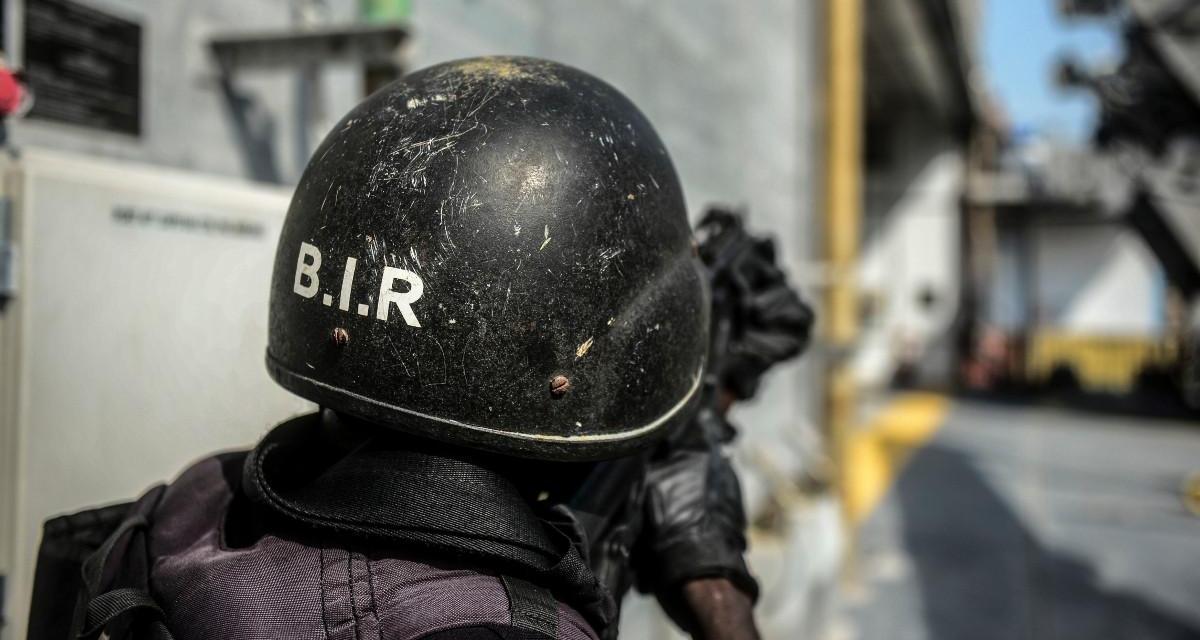
Gabon has adopted a multifaceted approach to counter terrorism, combining national security measures with significant international collaboration. In an effort to prevent and mitigate potential terror threats, the country has implemented various strategies that include training of security forces, updating legal frameworks, and reinforcing cooperation with global and regional partners. These measures aim not only to respond to immediate security challenges but also to build a lasting deterrence against terrorism in the long term.
Historical Context and Strategic Prioritization
Although the perceived threat level of terrorism in Gabon remains relatively low, the government has nonetheless prioritized strengthening national security. This proactive stance is necessitated by the rising concerns across the Central African region, where different forms of extremism and transnational criminal activities may create vulnerabilities. Gabon’s leadership, under the guidance of President Brice Clotaire Oligui Nguema and other key officials, has devised strategies to ensure internal stability while facilitating regional collaboration.
National Measures and Institutional Strategies
Training and Capacity Building
One of the primary pillars of Gabon’s antiterrorism strategy is the robust training and capacity building of its security and defense forces. The government has invested considerable resources in specialized training programs aimed at enhancing the skills of law enforcement personnel. For example, units such as the Groupement de sécurité et d'intervention de la gendarmerie nationale (GISGN) have been provided with advanced counterterrorism training. Sessions have been organized to familiarize agents with current protocols, investigative techniques, and the latest intelligence gathering methods.
These efforts are complemented by continued education and operational drills designed to maintain readiness against emerging threats. The training programs often involve international partners, which ensure that Gabon’s security personnel are well equipped with global best practices and modern technological tools.
Strengthening Security Forces
Beyond training, the reinforcement of security forces is a critical aspect of the country’s antiterrorism policy. This includes efforts to improve both personnel capabilities and logistical support. Investments have been made in modern equipment, surveillance technology, and rapid-response mechanisms. Enhanced communication systems and strategic operational planning are central to ensuring that both urban and remote areas can be effectively monitored and secured.
The focus on human resources is combined with improved coordination among different branches of the security apparatus. This integrated approach not only enhances internal security but also supports collaborative engagements with international security initiatives.
Legal and Regulatory Framework
National Legislation and Judicial Oversight
Gabon has actively revised its legal frameworks to better address modern terror threats. One of the key developments in this regards has been the amendment of the Criminal Code in 2019, which now includes specific provisions aimed at countering terrorism. This legal update ensures that offenses linked to terrorism, such as financing and recruitment, are stringently prosecuted. Judicial oversight has been strengthened to safeguard human rights while enabling the effective deterrence of terror-related activities.
Complementing this domestic legislation, Gabon has also aligned its legal structures with international norms. The country has ratified numerous UN conventions and protocols related to the fight against terrorism, providing a robust legal backbone for its operational strategies.
International Conventions and Protocols
By endorsing and ratifying major international conventions, Gabon has ensured that its domestic laws meet global standards. Organizations such as the United Nations have played key roles in shaping these laws, which facilitate cross-border information sharing and cooperative legal proceedings. The adoption of these international protocols has also helped build trust and collaboration with other nations, laying the foundation for more integrated operations.
International and Regional Cooperation
Regional Initiatives and Partnerships
Gabon’s counterterrorism efforts extend well beyond its borders. The country actively participates in regional initiatives such as the Initiative d'Accra, which seeks to foster collaboration among West and Central African nations in tackling shared security challenges. These partnerships help Gabon benefit from shared intelligence, strategic planning, and operational support across the region.
Such regional collaborations are critical in addressing the transnational dimensions of terrorism. They facilitate unified responses to potential threats while also providing platforms for technical and logistical assistance. Through joint training exercises and shared communication channels, Gabon and its regional partners work together to identify and disrupt terror networks before they can manifest into active threats.
Global Cooperation and Support
On the global stage, Gabon’s antiterrorism measures are reinforced by its cooperation with prominent international organizations. The United Nations Regional Office for Central Africa (UNOCA) plays a significant role in supporting Gabon. These international partnerships provide access to advanced analytics, technology transfer, and technical training. In addition, Gabon collaborates with countries such as France, which has historically provided support through training programs and intelligence sharing.
Accurate intelligence and surveillance are enabled by systems such as the Advance Passenger Information (API) and Passenger Name Record (PNR) systems. These technological initiatives are central to detecting and preventing the movement of individuals linked to terror networks across borders. The support from global partners underscores Gabon’s commitment to not only national but also international security.
Institutional and Operational Developments
Operational Measures and Surveillance Systems
Critical to Gabon’s strategy is the implementation of advanced operational measures. Recently, the government has spearheaded several actions aimed at disrupting potential terror activities. These include targeted operations and surveillance initiatives that make use of modern technology to gather intelligence and monitor suspicious activities. The creation of integrated data systems enables faster processing of information related to potential terror threats and thus allows rapid decision-making during emergencies.
Furthermore, a sophisticated approach to monitoring passenger data has been introduced with the API/PNR system. This system aids in the identification of individuals potentially linked to terrorist networks before they have the opportunity to intervene in Gabon or transit through its borders.
Coordination Among National Institutions
Gabon’s antiterrorism strategy is executed through a coordinated effort among a range of national institutions. Key agencies, such as the Agency Nationale d'Investigation Financière (ANIF) and the Commission Nationale de Lutte contre la Corruption et l'Enrichissement Illicite (CNLCEI), play significant roles in monitoring and intercepting the financial channels that may be exploited to fund terrorism. Collaboration between these institutions ensures that financial crimes and terrorism-related activities are addressed comprehensively.
Operational coordination also extends to law enforcement units and special intervention groups. Regular inter-agency meetings and joint operations have become integral to ensuring that the entire security apparatus can respond nimbly to any situation that may arise.
Challenges and Future Perspectives
Institutional and Logistical Challenges
Despite comprehensive measures, Gabon faces several challenges in its fight against terrorism. A principal challenge lies in the availability and continuous enhancement of resources—both human and material. There is a persistent need for recruiting well-trained security personnel and ensuring that they have access to state-of-the-art technology. In certain instances, logistical shortcomings have affected the swift deployment of counterterrorism operations.
Additionally, challenges at the institutional level, such as coordination inefficiencies and bureaucratic delays, may hinder seamless integration between national agencies and international partners. Overcoming these challenges will require ongoing commitment to institutional reform and investment in effective communication systems.
Preventive Strategies and Community Involvement
An integral part of enhancing national security is the involvement of the general public. Gabon has undertaken awareness campaigns to educate citizens on how to identify and report suspicious behaviors. Community involvement significantly assists in early detection and prevention. Such measures not only bolster surveillance but also empower local communities to act as the first line of defense against potential terror threats.
The government’s proactive stance in sensitizing its population is a reminder that combating terrorism is indeed a collective responsibility. Combined with strengthened security measures, these community-driven initiatives provide an additional layer of security that is both sustainable and resilient.
Antiterrorism Measures at a Glance
To provide a clear and concise overview of the multifaceted antiterrorism efforts in Gabon, the following table summarizes key measures and strategic elements implemented by the government:
| Sector | Key Measures | Partners/Tools |
|---|---|---|
| Security Training | Specialized training for units like GISGN, regular drills | International training programs, technical assistants |
| Legal Framework | Amended Criminal Code, incorporation of UN protocols | Legislative reforms, judicial oversight |
| International Cooperation | Participation in regional initiatives and global alliances | UNOCA, bilateral partnerships, international agencies |
| Operational Measures | API/PNR systems, coordinated surveillance, rapid response teams | Modern surveillance technology, inter-agency coordination |
| Financial Control | Monitoring of suspect transactions, anti-corruption agencies | ANIF, CNLCEI, international financial oversight |
References
- Lutte anti-terrorisme : Le Gabon mieux outillé - Gabon Review
- 22 éléments du GISGN formés à la lutte contre le terrorisme - Gabon Media Time
- La feuille de route ambitieuse de Brice Clotaire Oligui Nguema pour 2025 - Gabon24
- Travel Advice: Terrorism in Gabon - Gov.uk
- Country Report: Gabon - Crisis24
Recommended Queries
Last updated March 15, 2025