
Gallipoli: Unveiling the True Scope of a Historic Peninsula
Is "Gallipoli" the entire landmass by the Dardanelles, or just a fragment of its storied past? Let's explore.
When the name "Gallipoli" is mentioned, particularly in historical discussions, it often evokes images of the fierce World War I campaign. However, the term carries both a broad geographical meaning and a more focused historical one. Understanding this distinction is key to appreciating its full significance.
Key Insights at a Glance
- Geographical Definition: "Gallipoli" primarily refers to the entire Gallipoli Peninsula, a significant landform in northwestern Turkey, on the European side of the Dardanelles Strait.
- Historical Context: The famed Gallipoli Campaign of WWI encompassed various locations across this entire peninsula, not just one isolated section.
- Common Usage Nuance: While the term denotes the whole peninsula, specific discussions, especially those focused on the ANZAC experience, might colloquially emphasize particular battle zones like Anzac Cove or Cape Helles, which are integral parts of the larger peninsula.
Defining Gallipoli: The Peninsula in Its Entirety
Geographically, "Gallipoli" (Turkish: Gelibolu Yarımadası) refers to the long, narrow peninsula located in the southern part of East Thrace, the European section of Turkey. It extends in a southwesterly direction into the Aegean Sea, forming the northern (European) bank of the Dardanelles Strait. The Dardanelles, a vital waterway, connects the Aegean Sea to the Sea of Marmara and, subsequently, to the Black Sea.
The peninsula itself is a considerable landmass, approximately 50 to 60 kilometers (about 30 to 38 miles) in length and varying in width from about 4 to 18 kilometers (2.5 to 11 miles). Its strategic position controlling one side of the Dardanelles has given it immense historical and geopolitical importance for centuries. The name "Gallipoli" is derived from the Greek "Kallípolis," meaning "beautiful city," which was the ancient name for the modern town of Gelibolu situated on the peninsula.
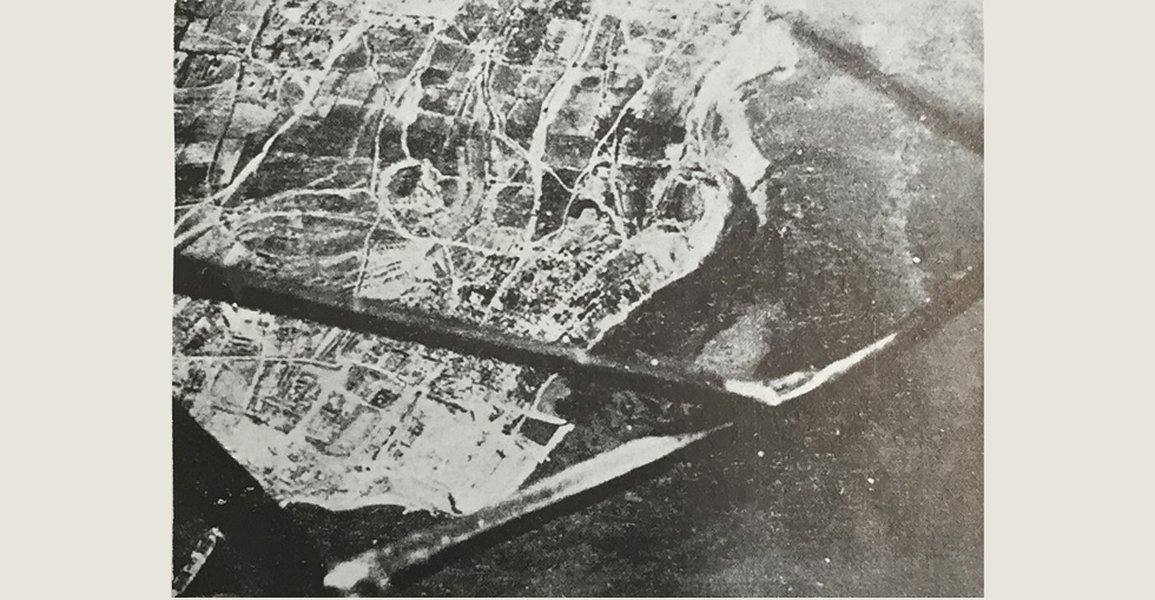
An aerial view showcasing the expanse of the Gallipoli Peninsula and its proximity to the Dardanelles Strait.
Ancient and Strategic Significance
Long before World War I, the peninsula was known as the Thracian Chersonese. Its control was crucial for any power seeking dominance over the trade routes between Europe and Asia, and the Mediterranean and Black Seas. Numerous ancient cities and fortifications dotted its landscape, testament to its enduring strategic value.
The Gallipoli Campaign: A Peninsula-Wide Conflict
The most prominent association with "Gallipoli" for many is the Gallipoli Campaign (also known as the Dardanelles Campaign) of World War I, which lasted from February 1915 to January 1916. This was a major military operation undertaken by the Allied powers (primarily Britain, France, Australia, and New Zealand) against the Ottoman Empire, a Central Power.
The campaign's objective was to seize control of the Dardanelles Strait, capture Constantinople (modern-day Istanbul), and open a sea route to Russia. Crucially, the Allied operations were not confined to a single, small section of Gallipoli. Instead, they involved multiple landing sites and battlefronts across the peninsula:
- Cape Helles: Located at the southern tip of the peninsula, this was a primary landing zone for British and French forces.
- Anzac Cove: Further north along the Aegean coast, this became the iconic landing site for the Australian and New Zealand Army Corps (ANZAC). The area around Anzac Cove, including Gaba Tepe (Kabatepe), saw intense fighting.
- Suvla Bay: North of Anzac Cove, another major landing occurred here in August 1915 as part of a renewed Allied offensive.
- Kum Kale: French forces initially landed at Kum Kale on the Asian side of the Dardanelles before being redeployed to Cape Helles.
The fighting involved prolonged trench warfare, difficult terrain, and harsh conditions, resulting in heavy casualties on both sides. The campaign ultimately ended in an Allied withdrawal. Thus, when historians and military analysts refer to the Gallipoli Campaign, they are discussing events that spanned a significant portion of the Gallipoli Peninsula.
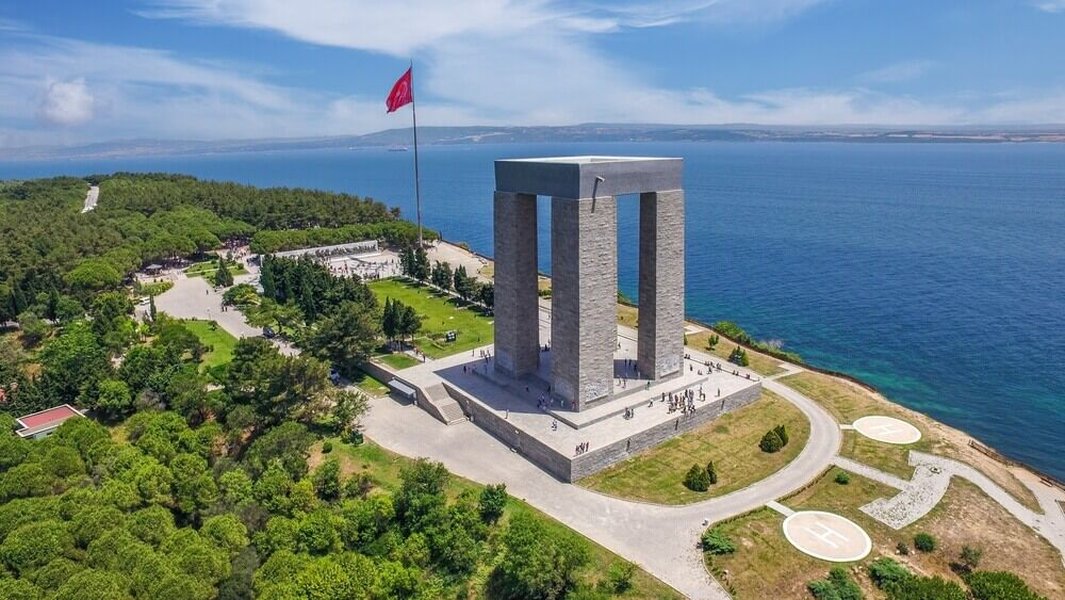
A map illustrating the Gallipoli Peninsula, the Dardanelles Strait, and key locations relevant to the WWI campaign.
Understanding "Gallipoli": A Comparative View
The following radar chart provides a visual comparison between the broader understanding of "Gallipoli" as the entire peninsula and the more focused reference to specific WWI battle zones. It highlights how different aspects like geographical scope and specific landmark recognition vary between these two perspectives, while the overall strategic importance remains high for both.
As the chart illustrates, while specific battle zones like Anzac Cove have very high recognition in the context of the WWI campaign, the entire peninsula holds the broader geographical and overall strategic meaning. The campaign itself involved much more than these specific points, drawing on the entirety of the peninsula's geography for both offensive and defensive strategies.
Nuances in Usage: Context is Key
While "Gallipoli" correctly refers to the entire peninsula, it's true that in popular discourse, particularly within Australia and New Zealand, the term can sometimes be used almost synonymously with Anzac Cove and the surrounding battlefields. This is due to the profound impact the Gallipoli Campaign had on the national identities of these countries. For many, "Gallipoli" evokes the spirit of the ANZACs and the specific sites where they fought and suffered.
However, this more focused usage doesn't negate the broader geographical and historical reality. The battlefields of Anzac Cove, Cape Helles, and Suvla Bay are all parts of the Gallipoli Peninsula. Therefore, even when discussions center on these specific locations, they are inherently referencing events that took place on the Gallipoli Peninsula.
A Mindmap of Gallipoli's Meanings
To further clarify the interconnected concepts surrounding "Gallipoli," the following mindmap illustrates its geographical attributes, historical significance (with a focus on WWI), and the different layers of its common usage.
Northwestern Turkey,
European side of Dardanelles"] id1b["Extent:
Approx. 50-60 km long,
4-18 km wide"] id1c["Key Features:
Cape Helles (South),
Anzac Cove (Aegean Coast),
Suvla Bay (North of Anzac),
Town of Gelibolu"] id1d["Strategic Importance:
Controls northern bank of Dardanelles Strait"] id2["Historical Context"] id2a["Ancient Times:
Thracian Chersonese,
Greek city 'Kallipolis'"] id2b["World War I: Gallipoli Campaign (1915-1916)"] id2b1["Objective:
Seize Dardanelles, capture Constantinople"] id2b2["Participants:
Allies (British Empire - incl. ANZAC, French)
vs. Ottoman Empire"] id2b3["Key Landing/Battle Sites on Peninsula:
Cape Helles,
Anzac Cove,
Suvla Bay,
Krithia"] id2b4["Outcome:
Ottoman victory,
Allied withdrawal,
Heavy casualties on both sides"] id3["Common Usage & Interpretation"] id3a["Primary Meaning:
The Entire Gallipoli Peninsula"] id3b["Focused Historical Reference (especially WWI):
Specific battle zones and landing sites"] id3b1["Cultural Significance:
Particularly for Australia and New Zealand (ANZAC legend)"] id3b2["Commemorative Sites:
War cemeteries and memorials across the peninsula"]
This mindmap demonstrates that while the WWI campaign and its specific sites are central to Gallipoli's modern identity, these are all components of the larger geographical and historical entity that is the Gallipoli Peninsula.
The Gallipoli Campaign: A Deeper Dive
The Gallipoli Campaign was one of the most complex and tragic episodes of World War I. The video below provides a concise overview of the campaign, highlighting its strategic aims, key events, and ultimate failure. Understanding the scope of this campaign further reinforces that "Gallipoli" in this context refers to operations across the peninsula.
"The Gallipoli Campaign (1915)" by Simple History provides an animated overview of the WWI conflict on the peninsula.
The campaign involved naval bombardments of Ottoman forts along the Dardanelles, followed by amphibious landings. The terrain of the Gallipoli Peninsula, characterized by steep ridges and narrow beaches, proved incredibly challenging for the invading Allied forces and offered significant defensive advantages to the Ottoman troops, famously commanded in part by Mustafa Kemal (later Atatürk, the founder of modern Turkey).
Comparing Perspectives: Peninsula vs. Specific Zones
To summarize the distinctions and overlaps, the following table compares "Gallipoli" as the entire peninsula versus its common association with specific WWI battle zones:
| Aspect | Gallipoli (Entire Peninsula) | Gallipoli (Specific WWI Battle Zones, e.g., Anzac Cove) |
|---|---|---|
| Primary Definition | A geographical landmass in European Turkey, bordering the Dardanelles Strait. | Specific areas on the peninsula where major WWI landings and battles occurred. |
| Geographical Scope | Approx. 50-60 km long, encompassing various terrains, towns, and natural features. | Limited areas, such as specific beaches, ridges, and valleys (e.g., Anzac Cove sector, Cape Helles sector). |
| Historical Context | Site of strategic importance throughout history, including ancient Greek settlements, Byzantine era, and Ottoman rule. Locus of the entire Gallipoli Campaign. | Focal points of the 1915-1916 Gallipoli Campaign, deeply embedded in the national narratives of participating countries, especially Australia and New Zealand. |
| Common Usage | General geographical and historical reference. Used in broader discussions of regional history, geography, or the overall WWI campaign strategy. | Often used in commemorative contexts or when discussing specific military engagements and personal experiences of the WWI campaign. |
| Relationship | The overarching entity. | Integral parts of the Gallipoli Peninsula where key historical events unfolded. |
This table clarifies that while popular focus might sometimes narrow to specific WWI sites, these sites are intrinsically part of the larger Gallipoli Peninsula. The campaign itself was a struggle for control of this strategic landmass.
Frequently Asked Questions (FAQ)
What is the modern-day status of the Gallipoli Peninsula?
Why is Gallipoli so significant for Australia and New Zealand?
Was the entire Gallipoli Campaign fought only on the peninsula?
Is Gallipoli a town or a peninsula?
Conclusion: A Peninsula of Enduring Significance
In essence, when people refer to "Gallipoli," they are, in the primary geographical and broad historical sense, speaking of the entire Gallipoli Peninsula on the northern side of the Dardanelles. This strategically vital landmass was the theater for the entirety of the Gallipoli Campaign in World War I, with battles and landings occurring at multiple points along its length and breadth.
While specific areas like Anzac Cove, Cape Helles, or Suvla Bay are often highlighted due to their intense fighting or particular national significance (especially for ANZAC forces), these are all constituent parts of the larger peninsula. The common, sometimes more focused, usage in relation to WWI battle sites does not diminish the fact that "Gallipoli" encompasses the whole peninsula, a place of immense historical weight and enduring memory.
Recommended Further Exploration
If you're interested in learning more, consider exploring these related topics:
- What were the strategic objectives of the Gallipoli Campaign in WWI?
- Describe the role of Mustafa Kemal Atatürk at Gallipoli.
- How is Anzac Day commemorated in Australia, New Zealand, and Turkey?
- What are the main historical sites to visit on the Gallipoli Peninsula today?
References
 europebetweeneastandwest.wordpress.com
Last updated May 21, 2025